How to

Deboning A Poularde Leg

Welcome back. In this video, we’re tackling a foundational butchery skill with a specific focus: deboning the leg of a poularde. If you’re familiar with breaking down a chicken or a turkey, you’ll find this process familiar in principle, but distinct in practice. The poularde—a fattened, young hen—offers a unique combination of size, rich flavor, and incredibly tender texture. This demands a slightly more refined approach to preserve its delicate flesh and generous fat cap. Unlike a robust turkey leg, the meat is less sinewy, requiring less force and more precise, guiding cuts with the tip of your knife. This technique is the foundation for an elegant roulade, a sophisticated ballotine, or simply a perfectly cooked, boneless roast. For a complete visual guide to every incision and turn, please check out the photo-illustrated, step-by-step recipe linked below the video. It will show you all the details you need to know. Master this, and you’ll have the foundation for your next culinary creation. Let’s begin.

Deboning A Poularde Leg Read More »

Chanterelle

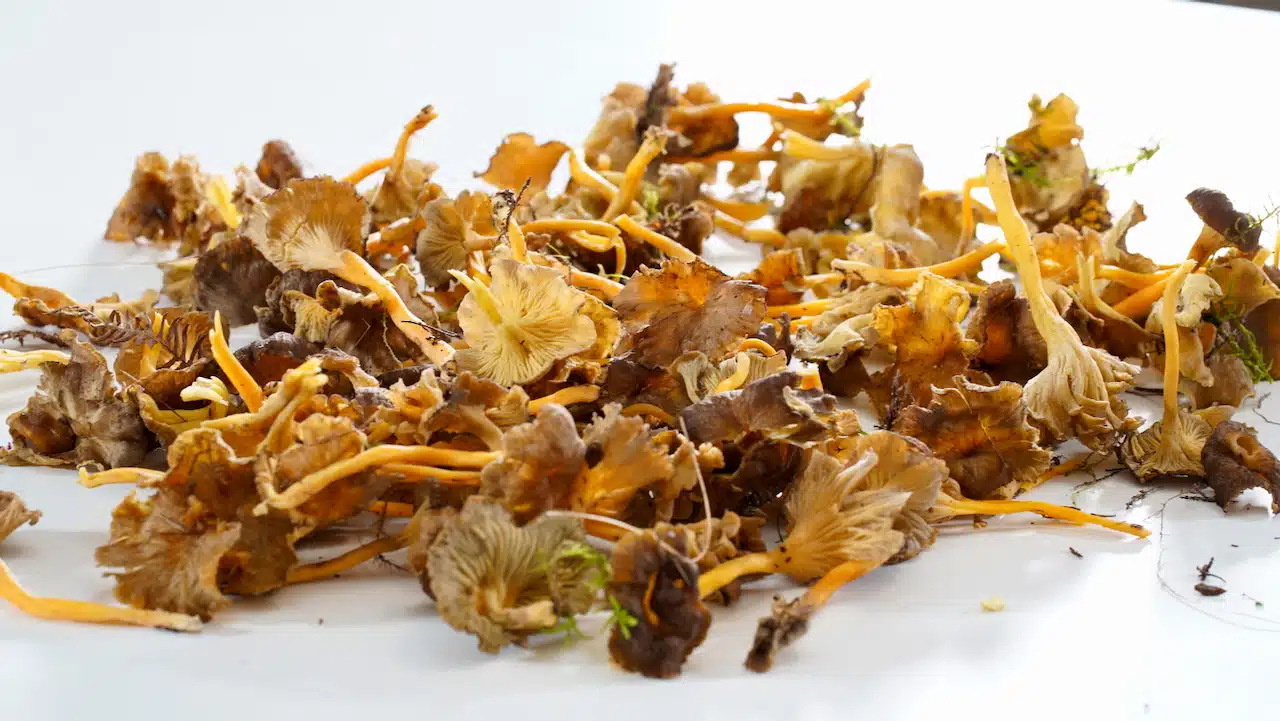
This particular haul came straight from the woods of the Barp region in Nouvelle-Aquitaine, a treasure hunted in the dappled light of the French southwest. While their more famous cousin, the golden chanterelle, shouts its presence with vibrant yolk-yellow, the grey chanterelle whispers. It is a study in elegant, muted tones, from ashy grey to a soft brownish-black. But do not let its modest color fool you; its culinary value is just as prized. It carries a deeper, more earthy aroma, a flavor that is both intensely musky and subtly fruity—a secret held close by the forest, now ready for the kitchen. Before they can work their magic in a sauté pan, a creamy sauce, or a rustic tart, they require respectful preparation. Unlike cultivated mushrooms, wild-foraged ones like these come with traces of their woodland home: a bit of soil at the base, a fragment of moss, or a stray pine needle. In this guide, we’ll walk through the essential steps to transform your foraged bounty into a pristine, kitchen-ready ingredient. We will trim away the gritty ends, clean them thoroughly without waterlogging their delicate flesh, and finally, for those you wish to preserve, dry them perfectly to concentrate their exceptional flavor for months to come. The journey from forest floor to larder begins here.

Chanterelle Read More »

mustard fig spread

Mustard Fig Spread

The journey began in the dappled shade of my own backyard, with a bowl of sun-warmed Black Mission figs, their skins so dark they held a purple twilight within. Last summer’s bounty was too generous to eat fresh alone. I roasted them with a generous splash of ruby. Half became ice cream, a memory of August preserved in frost. The other half, frozen in a jar, waited. Its moment arrived when faced with a pristine block of foie gras. Needs just a couple of things, cassis liquor, whole grain mustard and vinegar. The result is this spread: a condiment that carries the soul of a summer orchard, tempered by wine and sharpened with spice. It also makes an incredible companion for a cheese platter. Spooned over roasted duck breast, its sweet-acidic complexity cuts through the fat, creating a perfect, profound bite. This is more than a spread; it’s a preserved season, ready to elevate your table.

Mustard Fig Spread Read More »

Poularde Demi-Glace

Tonight, this liquid treasure, this demi-glace, will fulfill its destiny. It will be the cornerstone of the sauce that accompanies my Christmas Eve roast. A final swirl of the reduced roasting juices, a knob of chilled butter whisked in until velvety—and the poularde will be elevated, graced with a depth of flavor that whispers of time, care, and the timeless fundamentals of the French kitchen. The feast begins not with the bird, but here, in this slow, sacred reduction.

Poularde Demi-Glace Read More »

Chestnut Paste

The chestnut—châtaigne or marron in French—is the quintessential starchy nut of the holidays. Harvested in November, it is fêted in towns across France. Nutritious and versatile, chestnuts can be simply grilled, baked, or boiled. They are a classic accompaniment to roasted Christmas capon. Puréed into pâte de marrons (chestnut paste) or sweetened into crème de marrons, they form the basis of iconic desserts such as the Mont Blanc. Although crème de marrons is readily available, pâte de marrons may be harder to locate. You can use the Sabaton brand (pate de marrons or pate de marrons confit), or follow this recipe to make it from scratch.

Chestnut Paste Read More »

Deboning A Turkey Leg

The humble turkey leg, a symbol of rustic feasts, can be transformed into an elegant and stunning centerpiece. The key to this culinary magic trick lies in a single, empowering skill: deboning. Don’t be intimidated by the thought of it. With a sharp, boning knife and a little patience, you’ll unlock a world of possibilities, starting with a magnificent turkey roulade.

Deboning A Turkey Leg Read More »

chocolate sauce

Chocolate Sauce

This is the ultimate chocolate sauce—rich, velvety, and perfect for elevating any dessert. Drizzle it over profiteroles, poached pears, or over sundaes and ice cream. The best part? It’s incredibly easy to make—no tedious melting or constant stirring required! With just a few simple ingredients and a food processor, you can whip up this decadent sauce in minutes. Smooth, glossy, and irresistibly chocolatey with a touch of honey, it’s a must-have for every dessert lover’s repertoire.

Chocolate Sauce Read More »

Sundae Ice Cream

A sundae is a classic ice cream dessert made with scoops of ice cream topped with sweet sauces, syrups, and various toppings like whipped cream, nuts and sprinkles. Unlike a simple bowl of ice cream, a sundae is all about indulgence—layering flavors and textures for a richer treat. Today, sundaes come in countless variations—from the classic hot fudge sundae to extravagant creations with caramel, fruit, cookies and so on. Whether served in a glass dish or a waffle cone, the sundae remains a beloved symbol of ice cream creativity. Indulge in an exquisite twist on the classic sundae, crafted with my latest artisanal ice creams like the roasted apricot. These vibrant flavors intertwine in harmony, elevated by layers of flaky leftovers pie, a swirl of apricot marmalade, red fruit coulis and toasted nuts!

Sundae Ice Cream Read More »

How To Decorate Ice Cream Cones

There’s something undeniably magical about a decorated waffle cone—crispy, golden, and dressed up with all sorts of delightful toppings. In this How To recipe, I’ll show you how to take your plain cones to the next level with endless customization options. Think crushed toasted nuts, chocolate vermicelli, sprinkles, or even crushed cookies—the possibilities are as limitless as your imagination!

The trick? Just like bartenders rim cocktail glasses with syrup and colored sugar for that sparkling crystal effect, we’ll dip the top edge of our waffle cones in melted chocolate, then roll them in your favorite toppings.

How To Decorate Ice Cream Cones Read More »

Tapenade

The sun-drenched hills of Provence seemed to infuse every ingredient with their golden warmth, but nothing captured the essence of the Mediterranean quite like tapenade. This bold, briny spread—a harmonious blend of olives, capers, anchovies, and olive oil—was a testament to the rustic elegance of French cuisine. Served on crusty baguette slices or alongside roasted vegetables, tapenade was more than a condiment—it was a celebration of the land and sea, a taste of the south of France in every bite. Try mine with sun-dried tomatoes!

Tapenade Read More »

basil oil

Basil Oil

Bright, aromatic, and vibrantly green, basil oil is the perfect way to elevate your summer dishes. Drizzle it over ripe tomato slices, fresh mozzarella, grilled vegetables, or even a simple bowl of pasta for an instant burst of herbal freshness. Needless to say that frying eggs with basil oil will make your day. Making this stunning oil at home is surprisingly easy—all you need is beaucoup de fresh basil, neutral oil and a blender.

Basil Oil Read More »

Pure Jus de Fraise

Indulge in the vibrant essence of strawberries with this pure jus de fraise—a luscious, concentrated juice crafted to elevate your desserts. Drizzle it over your favorite ice cream for a burst of fruity sophistication, blend it into cake glazes for a glossy finish, or pair it with delicate pastries to enhance their sweetness.

Extracted from frozen strawberries and sugar through a slow, gentle sweating process, this juice captures the fruit’s full intensity without artificial additives. Once the fruits have released their rich flavor, they are discarded, leaving only the purest, velvety jus—a testament to artisanal craftsmanship. Perfect for pastry chefs and home bakers alike, it’s the secret touch for desserts that dazzle.

Pure Jus de Fraise Read More »

vanilla-bunches

How To Use A Vanilla Bean

You just received your prized Beanilla vanilla beans—plump, fragrant, and impeccably packaged. As you unwrap them, their rich, intoxicating aroma fills the air, and your mind races with possibilities: vanilla-infused custards, velvety ice creams, decadent pastries… But then reality hits—how do you even get these gorgeous pods open? Don’t worry—unlocking that luscious vanilla caviar is easier than you think. With just a sharp knife, a steady hand, and a few simple steps, you’ll be scraping out those precious seeds like a pro. Whether you’re a pastry chef or a home baker, mastering this technique means no more wasted beans, no more guesswork—just pure, unadulterated vanilla magic.

How To Use A Vanilla Bean Read More »

Homemade Vanilla Sugar

Today, I’m excited to share with you how to make homemade vanilla sugar—a quick and simple yet incredibly special ingredient that will elevate your baking. This powdered vanilla sugar is made using exhausted vanilla pods, meaning nothing goes to waste! Its fine texture and rich aroma make it perfect for incorporating into crusts, doughs, sponges, almond cream, fruit pies, simple syrups, and even cocktails and many hot beverages. Unlike liquid vanilla extract, this sugar blends seamlessly into dry mixtures, ensuring an even distribution of flavor. Let’s get started—you’ll wonder how you ever baked without it!

Homemade Vanilla Sugar Read More »

wilted spinach

How To Wilt Spinach

Spinach is like a powerhouse of nutrients. Its rich vitamin content really makes it a go-to green for supporting immune function, vision, and overall health. The antioxidants in spinach, like lutein and beta-carotene, also contribute to protecting cells from damage caused by free radicals, which is key in reducing inflammation and chronic disease risks. Spinach also has a high water content, which helps keep you hydrated and aids digestion. Plus, its fiber can help regulate your bowel movements and promote gut health. Here is how to cook them flawlessly!

How To Wilt Spinach Read More »

Scroll to Top