
Please note that the full access to this content needs a subscription: please sign up.
The never-fail ice cream recipe
This recipe is a protected and only available for paid members. To obtain the full step by step recipe and detailed ingredients list, please sign up.
Preview the recipe
What are the important ingredients in ice cream?
- Ice cream contains six major components: water, fat, protein, sugar, stabilizers, and emulsifiers. While glucose improves creaminess, controls the freezing point, and prevents ice crystals, ice-cream stabilizers are blends of ingredients used to improve texture, prevent ice crystal formation, and enhance shelf life. Guar Gum: Improves texture and reduces ice crystal growth. Carob Gum : Enhances creaminess and stabilizes mix. Xanthan Gum: Provides viscosity and prevents water separation. Carrageenan: Helps with whey protein stabilization and smooth texture. Sodium Alginate: Improves melt resistance and texture.


Ice Cream Makers
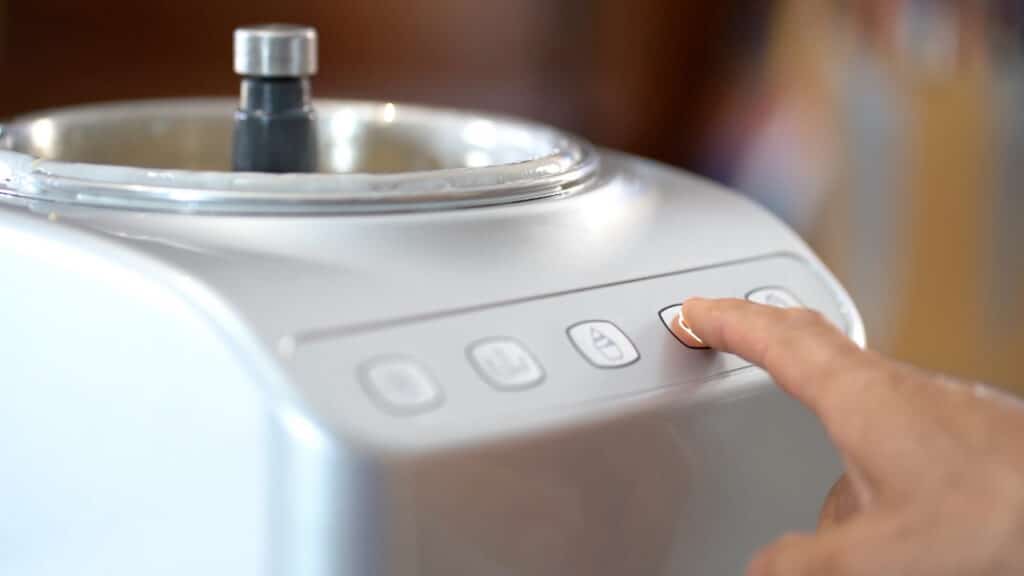
- These ice cream recipes work with any type of ice cream maker, including traditional churn machines, turbine models, and Pacojets.

Before You Start
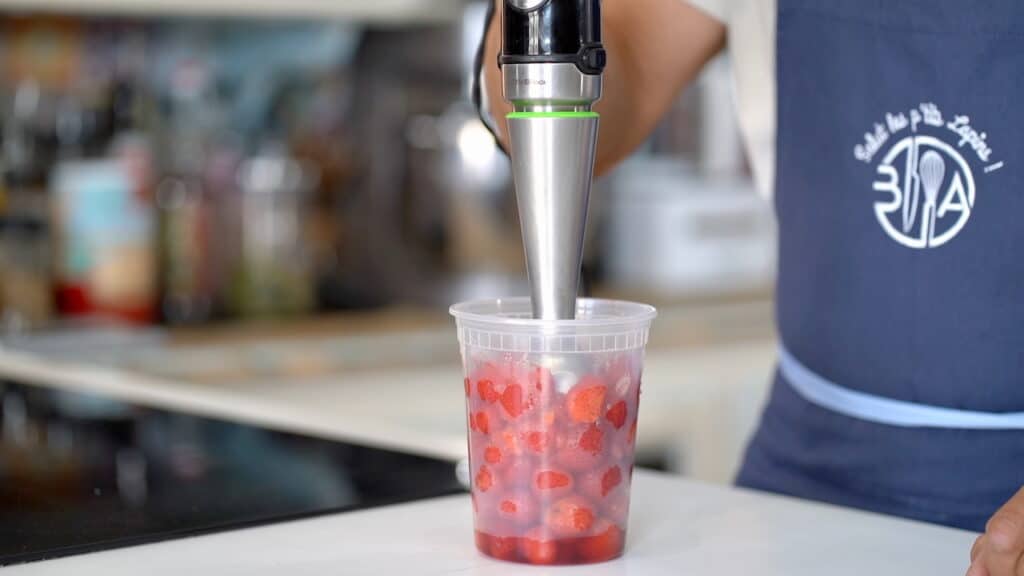
- Defrost professional grade fruit puree such as Ravifruit, Boiron, Capfruit... Or, at the peak of the season, make fruit purees from scratch and freeze them for later use.Freeze containers you'll be using to store the churned ice cream. Scale out all the ingredients needed in deli containers or serving bowls.

Ice Cream Base Making Process
- In the saucepan on medium heat, start heat up milk and heavy cream to 77ºF/25ºC.
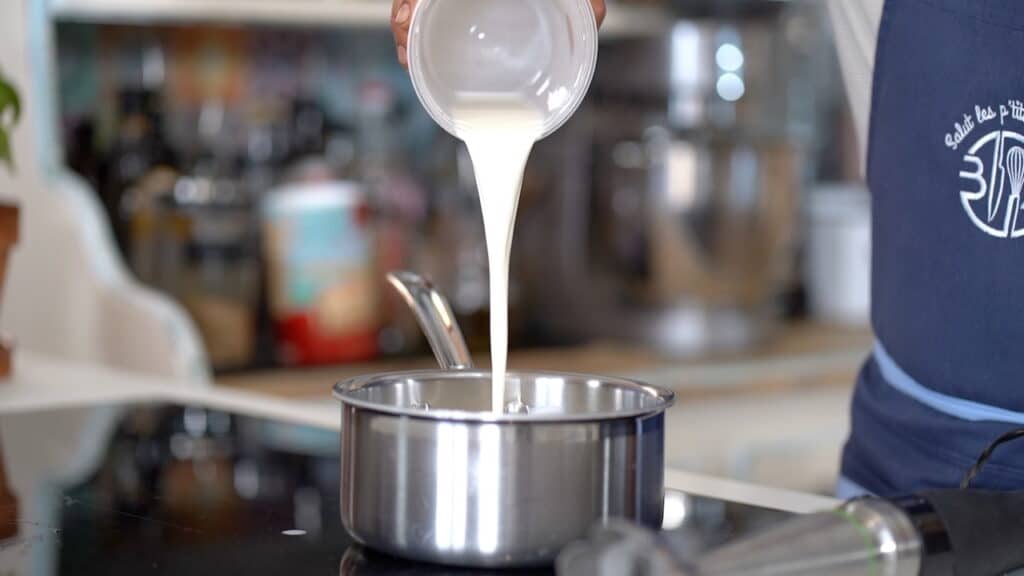
- Add dry milk, powdered glucose and half of the sugar. Mix.

- At 95ºF/35-40ºC, add the egg yolks and inverted sugar or honey. Combine remaining sugar with the stabilizer, and at 113ºF/45-50ºC add it to the mixture. Mix.
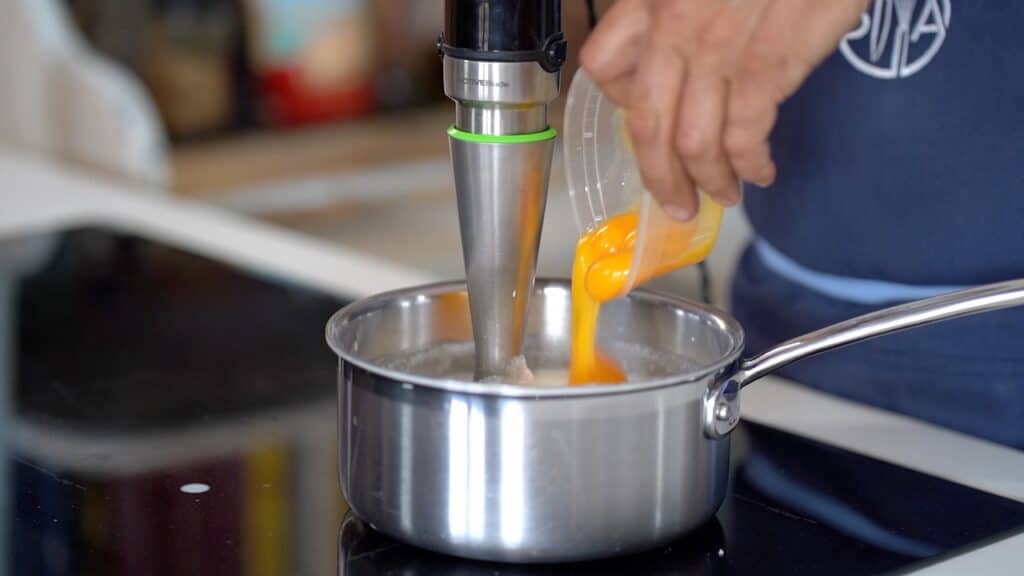
- Cook ice cream base to 185ºF/85ºC.
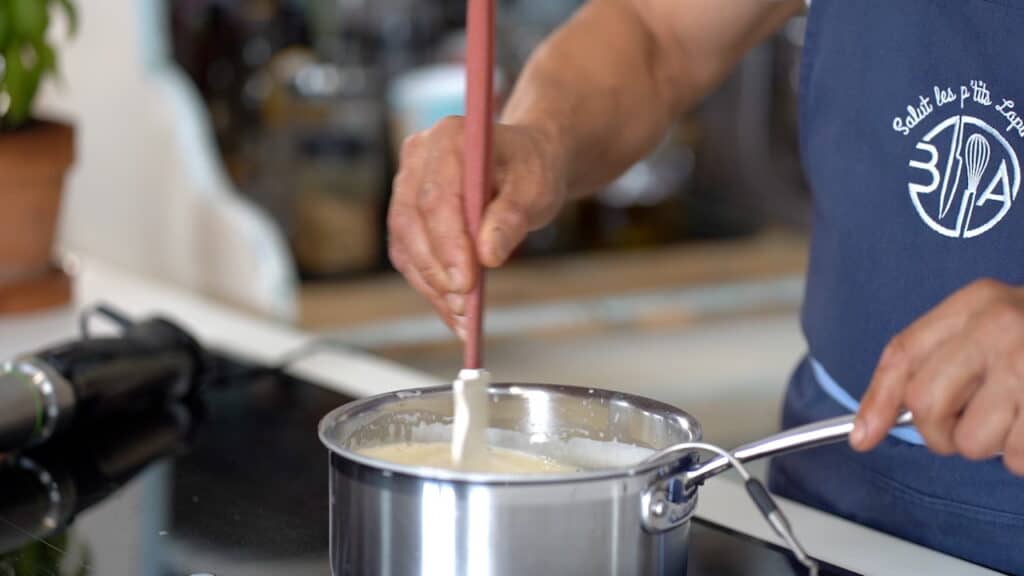
- Pass through a sieve over the frozen bowl. Cool custard on an ice bath.

- Achieving the right viscosity in your fruit ice cream base is crucial for a smooth, creamy texture.


Fruit Ice Cream Mixture
- Mix the chilled ice cream base with the desired fruit puree.

- Place the fruit ice cream mixture in the refrigerator to mature for at least 4 hours, 24 hours max.


Steps To Churn Ice Cream
- If using a freezer-bowl model, freeze the bowl for at least 24 hours (or as directed). For compressor or pre-frozen models, ensure the machine is ready according to the manual. Turn on the machine before adding the mixture (if required by your model).Pour the chilled base into the churner, filling no more than ⅔ full to allow expansion. So, for a 2 litter bowl, churn 1.5 litter of ice-cream or sorbet max.
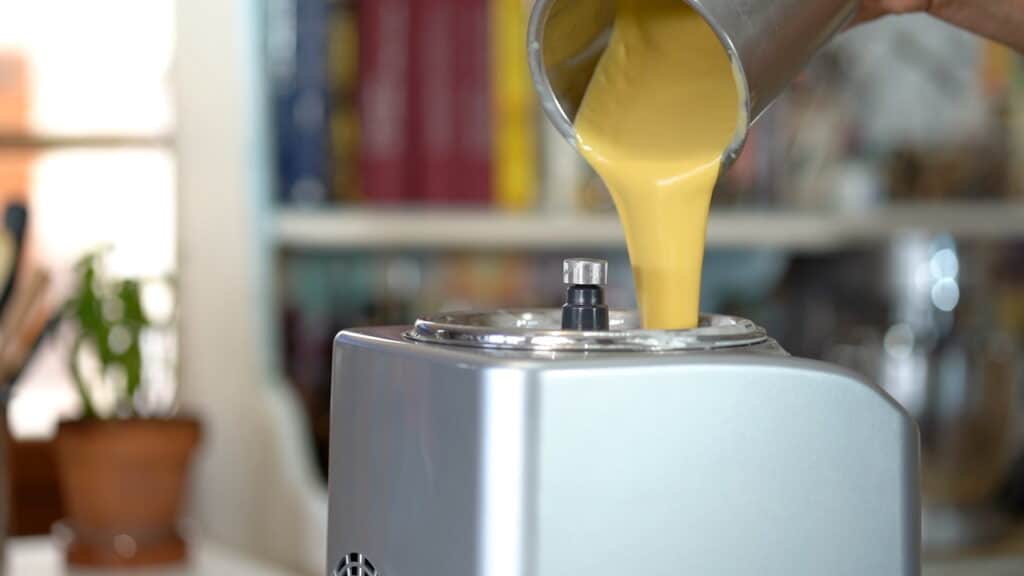
- Churn for 30-40 minutes.


Storage
- Transfer ice cream to the frozen container immediately. Press a piece of parchment paper or a piece of freezer bag directly onto the surface before sealing to prevent ice crystals (avoid plastic wrap). Label the container with the date for easy tracking. Freeze for 4 hours before scooping it. Store ice cream in the freezer for up to 6 months at minus 18 degrees celsius.
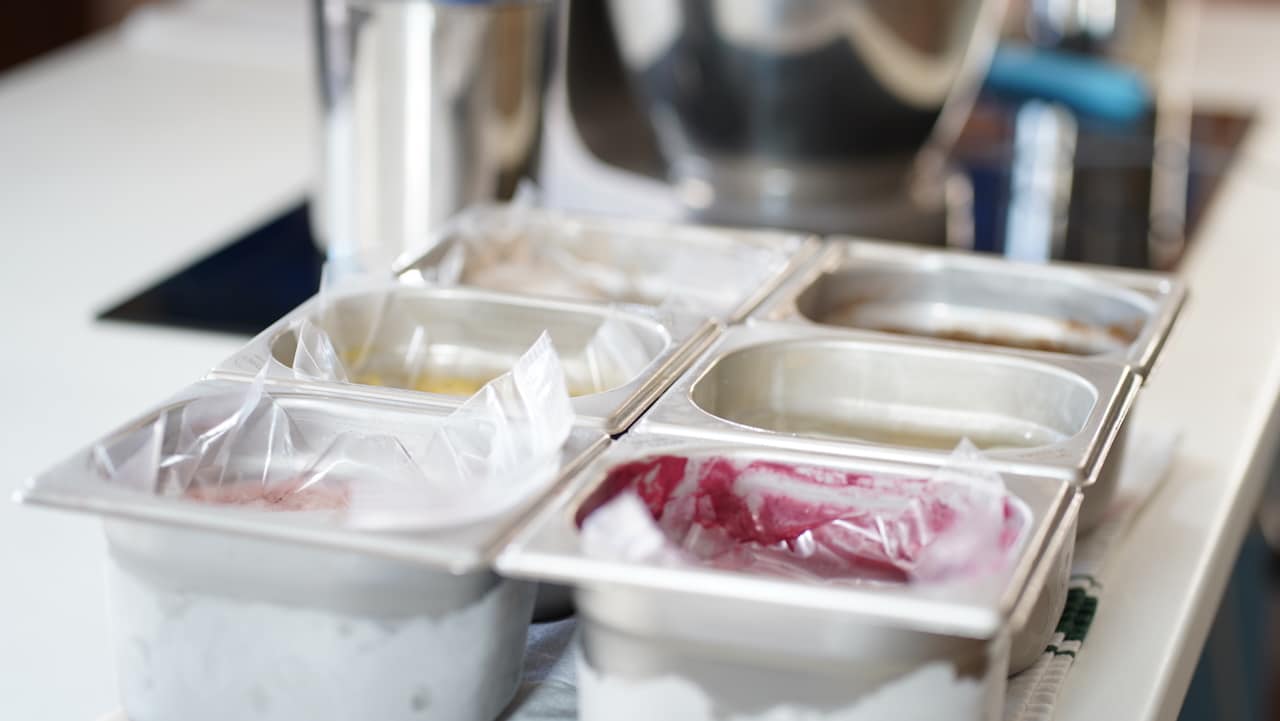
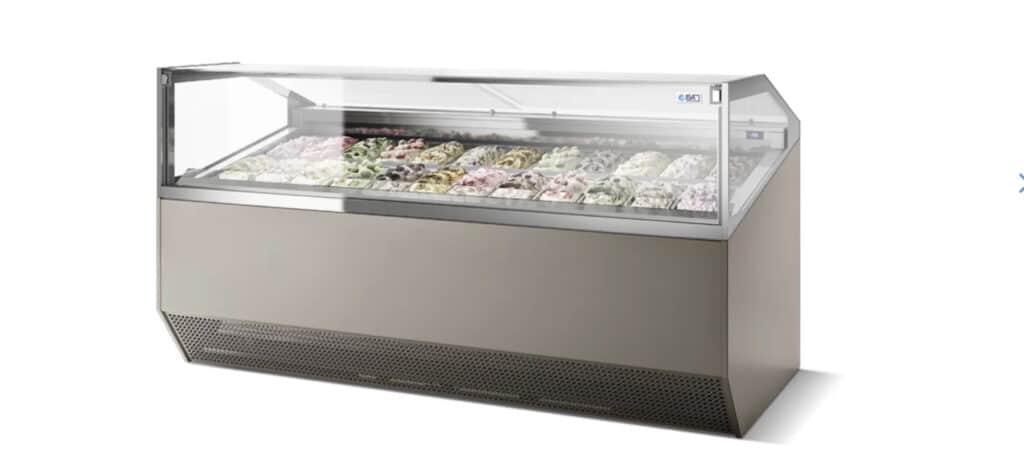
- In the patisseries, ice cream, sorbet and gelato are stored in a freezer ice-cream display cooler that is set at minus 10 degrees celsius.


How To Serve Ice Cream
- Take the ice cream from the freezer and place it in the refrigerator for about 40 minutes. This allows it to soften slightly for easier scooping.
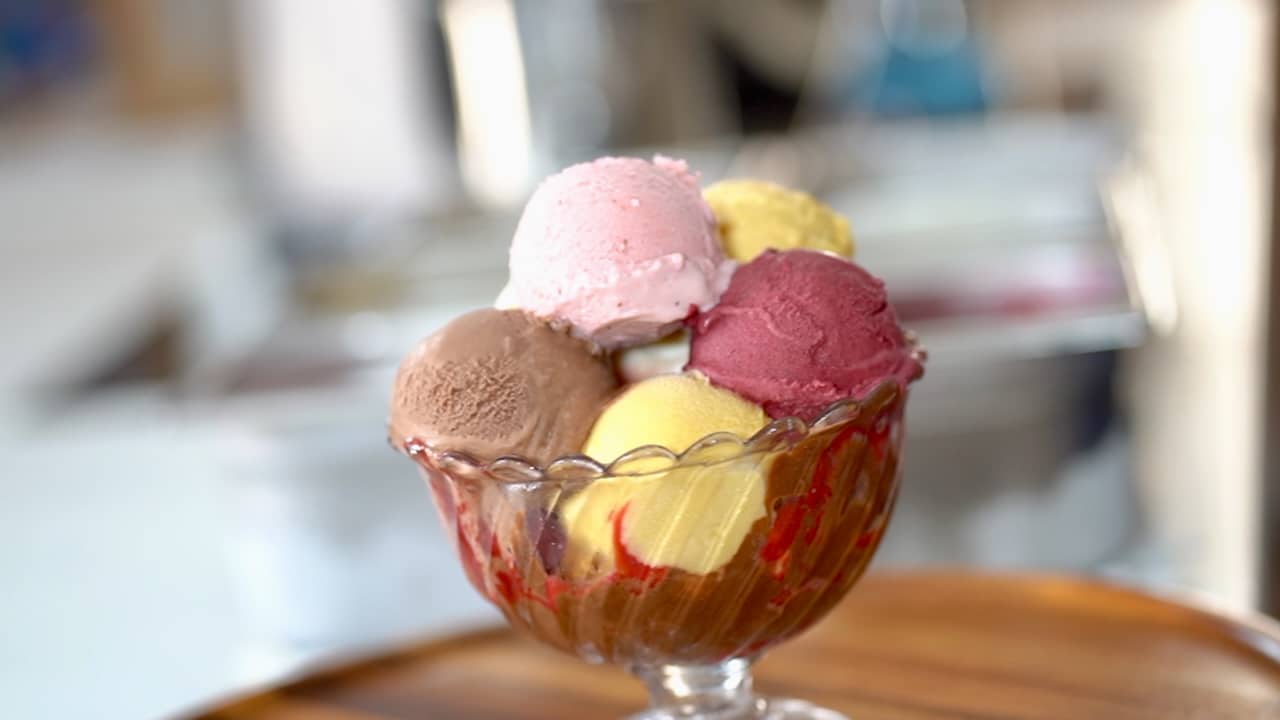

Quenelle
- Quenelles are easiest to shape when ice cream and sorbet are freshly churned and after about 1 hour of initial freezing. In high-end restaurants, the Pacojet has become the star of the show.


Pacojet vs Ninja
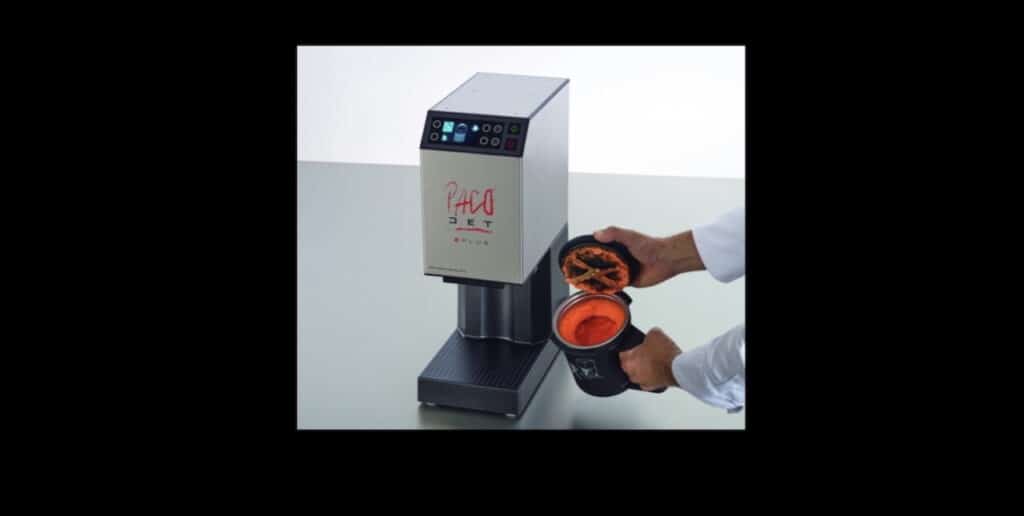
- Pacojet is a premium, high-performance machine used in professional kitchens to transform frozen mixtures (sweet or savory) into ultra-smooth textures (ice cream, sorbets, mousses). Its precision and consistency make it a favorite in fine dining, but its high price (~$3,000–$5,000) puts it out of reach for most home users.Ninja is a much cheaper alternative (~$200) that mimics the Pacojet’s function but lacks refinement—loud, less durable, and produces slightly grainier results. Both machines work by spinning pre-frozen mixtures (in beakers) at high speed, shaving and re-emulsifying them into creamy textures.Used for plated desserts for instant ice cream, sorbets and savory dishes such as tomato sorbet, foie gras parfait etc...Since the process relies on rock-hard frozen bases (ideally at –22°C / –7.6°F), high demand can strain the freezer.If too many beakers are processed in quick succession, the freezer’s temperature rises, leading to soft, soupy textures.

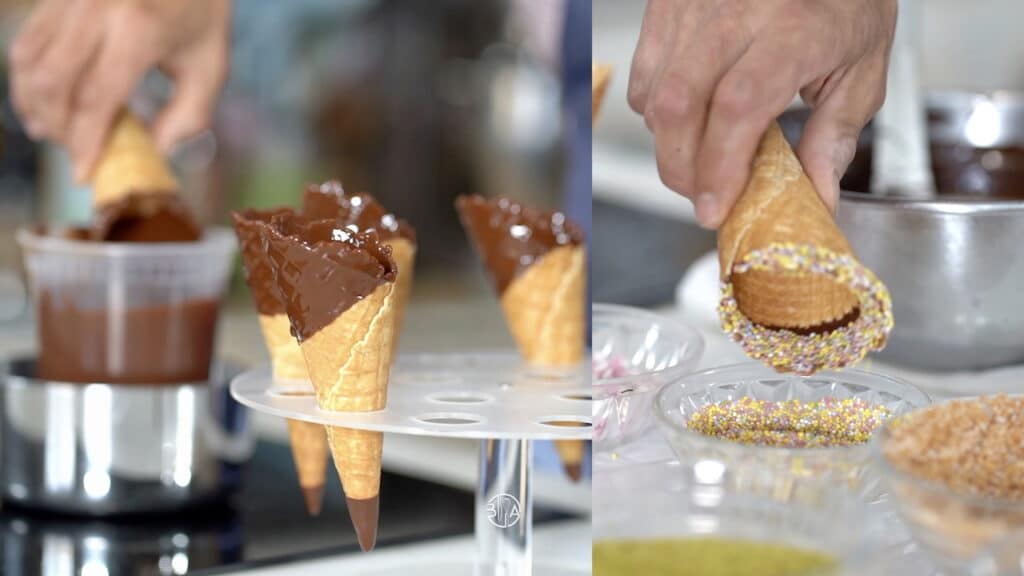
How To Decorate Ice Cream Cones
- Take your plain cones to the next level with endless customization options!


Ready to discover this recipe? You're only 1 step away.
This recipe is only accessible to registered members!
Create your account to access all recipes and content of my website.
Join us now and enjoy more 800 recipes (Mostly French with European Influences, American Classics and Asian fusion)
Already register? Sign in



Appetizers
Green Asparagus Starter

Appetizers
Beetroot Red Cabbage Mango Salad

Free Recipes
How To Prepare Red Cabbage Raw


Free Recipes
Apple Pie Traybake

Cakes
Olive Oil Chocolate Cake

Desserts
Spicy Chocolate Bar

Entrees
Deboning A Poularde Leg
Free Recipes
Chanterelle

Bread
Panettone Perdu

Free Recipes
Mustard Fig Spread
