
Please note that the full access to this content needs a "Year at the table" subscription: please sign up.
How to make the perfect tart shell
This recipe is a protected and only available for paid members. To obtain the full step by step recipe and detailed ingredients list, please sign up.
Preview the recipe
- What is the difference between a pie and a tart?. Commonly, single crust pies dough/shortcrust are stone fruits based, and a double crust pie is called ''croustade''. On the flip side, tarts ''tartes'' refer to raw fruits based pâte sucrée tarts.
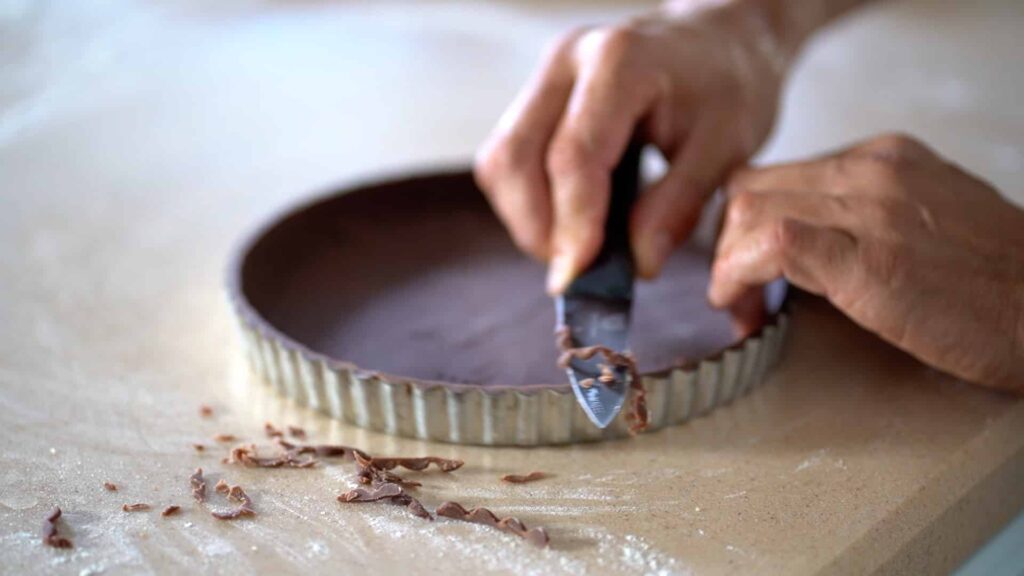

Sugar Dough
- For ultimate results, turn powdered sugar and almond meal into fine powder using the food processor. Sugar dough can be mixed by hand, food processor or stand mixer. Food processor does a faster job than stand mixer but in smaller batches. The texture of the butter is crucial; it should be soft. Microwave it for a few seconds.
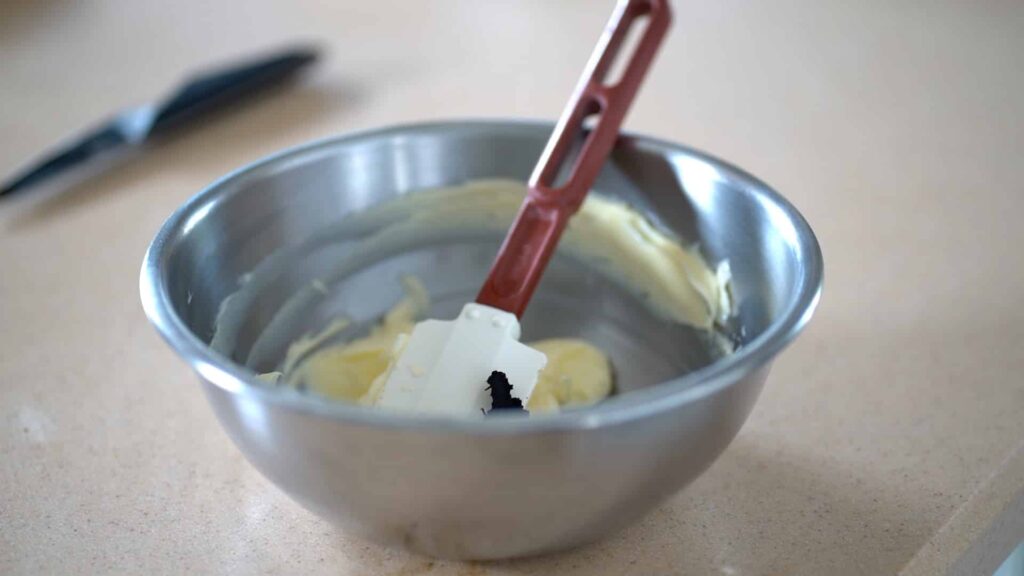
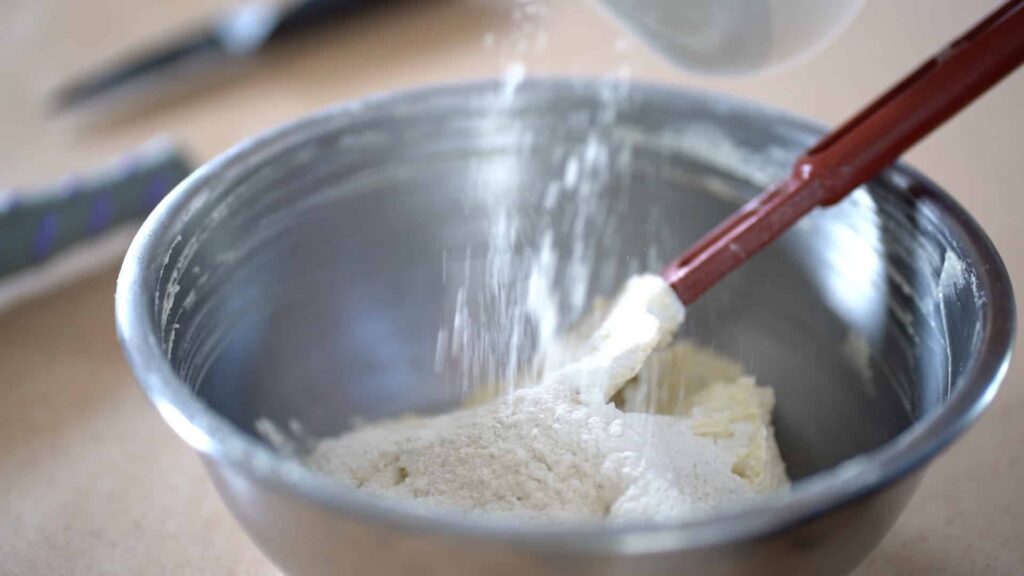
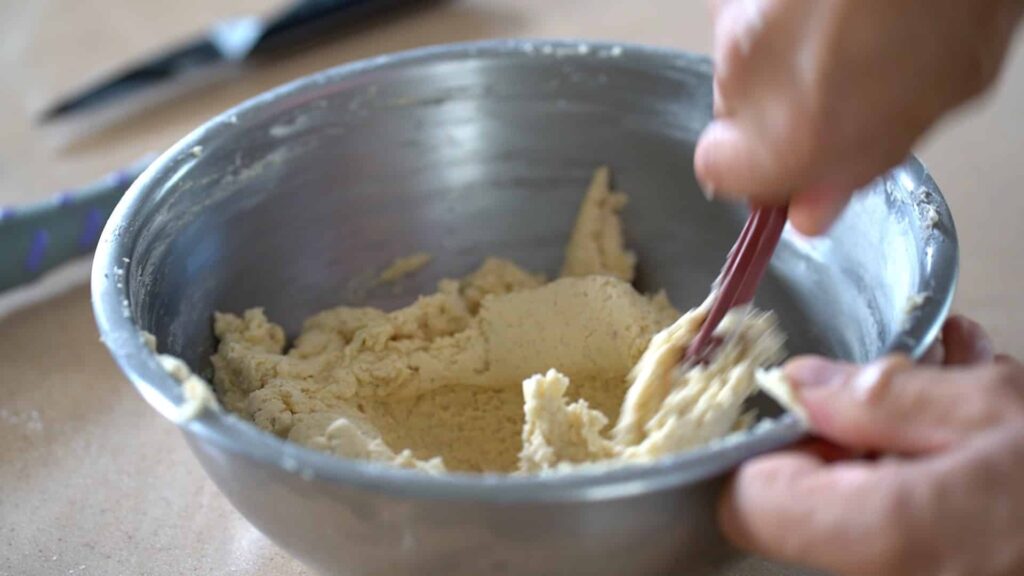
- First, cream butter with salt and vanilla seeds. (Vanilla extract should be added with the eggs though). Add the powdered sugar-almond powder, the egg and then flour. Do not overwork.


How To Make The Perfect Tart Shell
- Professionals use dough sheeter which facilitates sheeting and stretching dough in large quantities. When pastry is taken right out of the mixer and immediately turned into sheets, the gluten is less solicited than being first chilled and rolled out afterwards. At home though, the way the pastry is going to be rolled out does not really matter.
- Makes 1 large or 2 separate sheets for 1 large tart and ≈ 8 tartlets. Double the recipe if desired. Spread fresh pastry onto a silicone mat, top with parchment paper and roll out into a 0.12 inch/3 mm thick sheet and freeze. Pastry shall be pricked later. Keep frozen for up to 2 months.
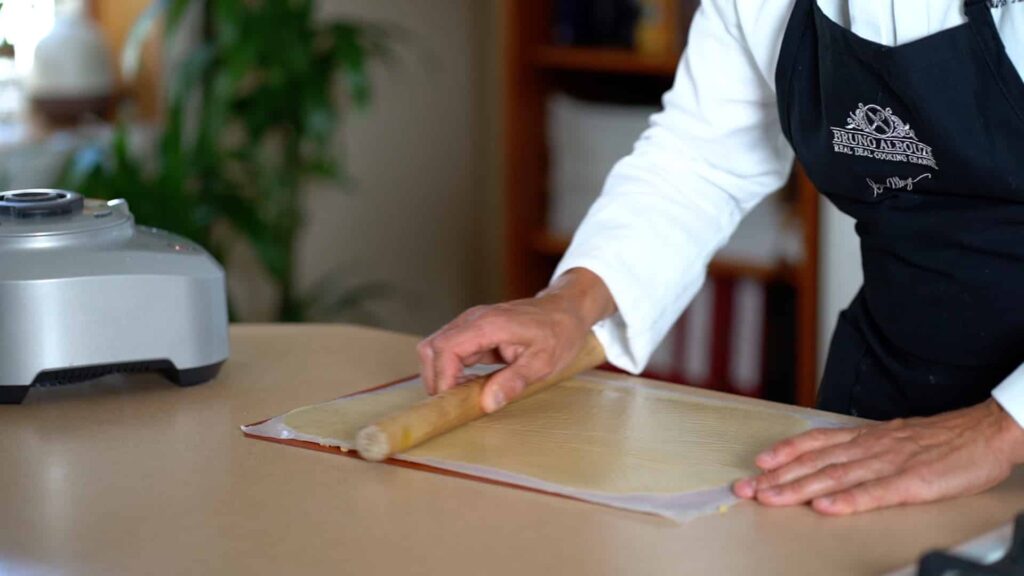


Shaping
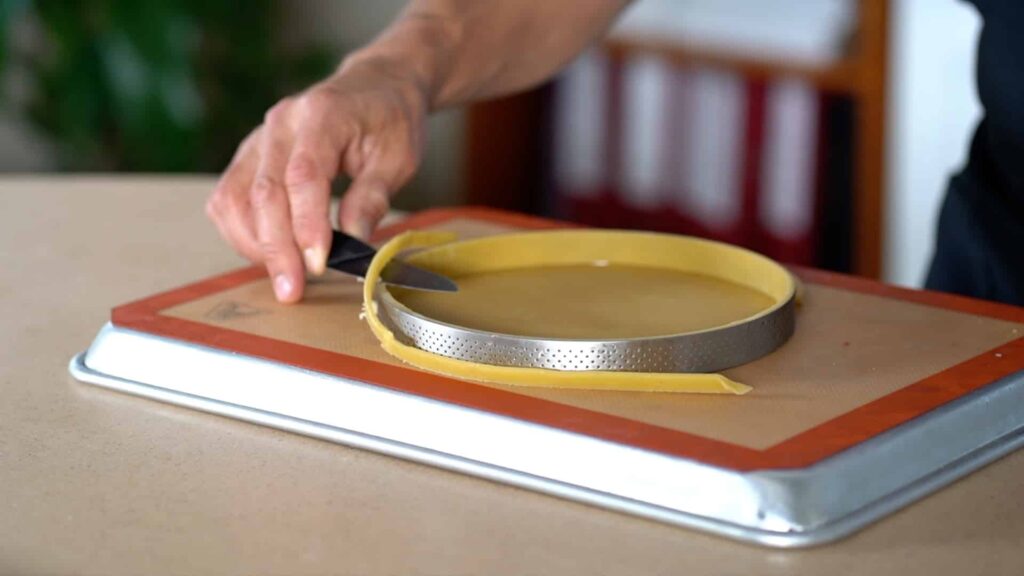
- Butter tart ring and refrigerate until ready to use. Remove frozen pastry sheet from the silicone mat and parchment. Reposition pastry onto silicone mat. As soon as the pastry begins to soften, cut through using the tart ring or use a paring knife (take extra care since silicone mat is in use). Cut out strips that should be slightly taller than the ring; it'll be trimmed later. For instance, for a 9 inch/23 cm tart ring, you would need a 29 inch/73 cm in length strips. So, make 2 or 3 strips. Always work when the dough is firm. Do not hesitate to freeze pastry between steps. Do not use extra flour during the whole procedure.
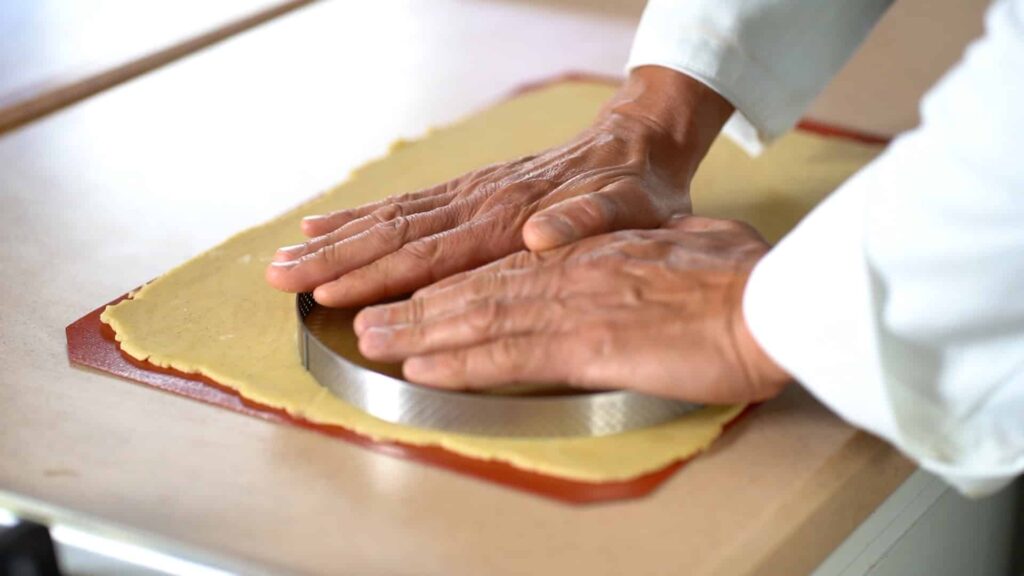
- Lay pastry strips against the sides of the ring. Slightly overlap with the following strip and gently seal it.
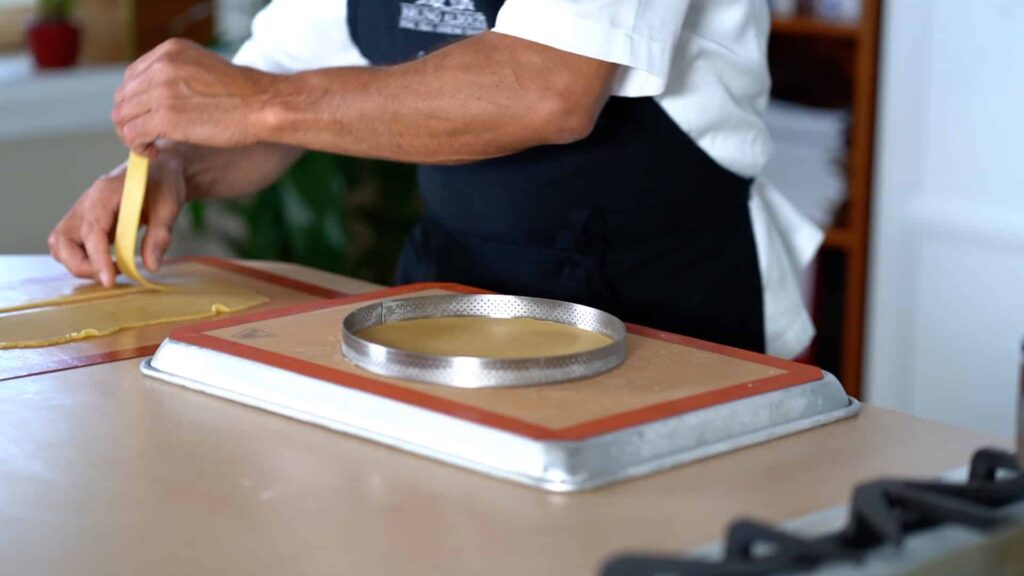
- Freeze the tart shell for about 20 minutes.
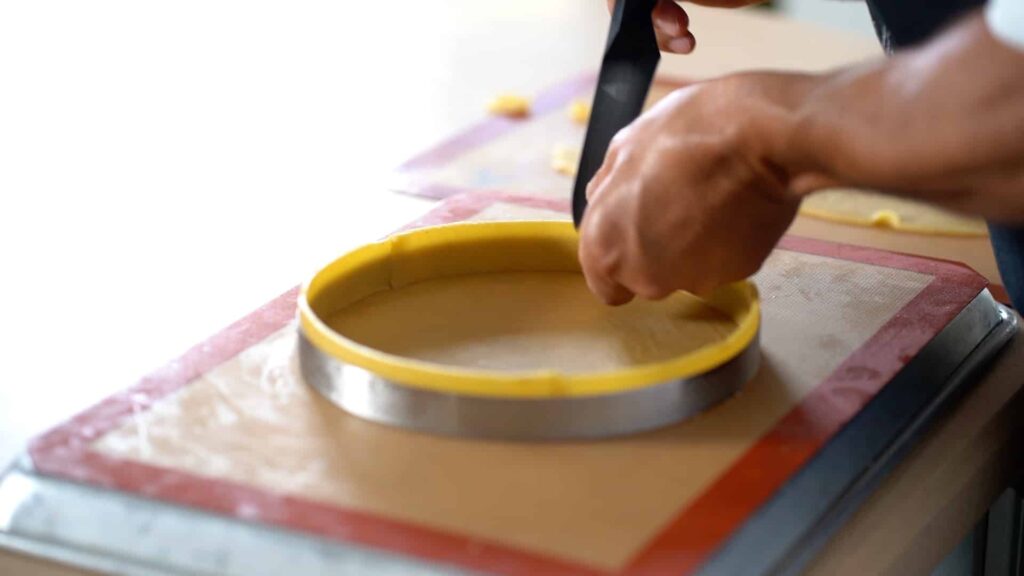
- Trim off excess pastry, slightly prick bottom with a fork. Store tart shell in the freezer until ready to bake.


Baking
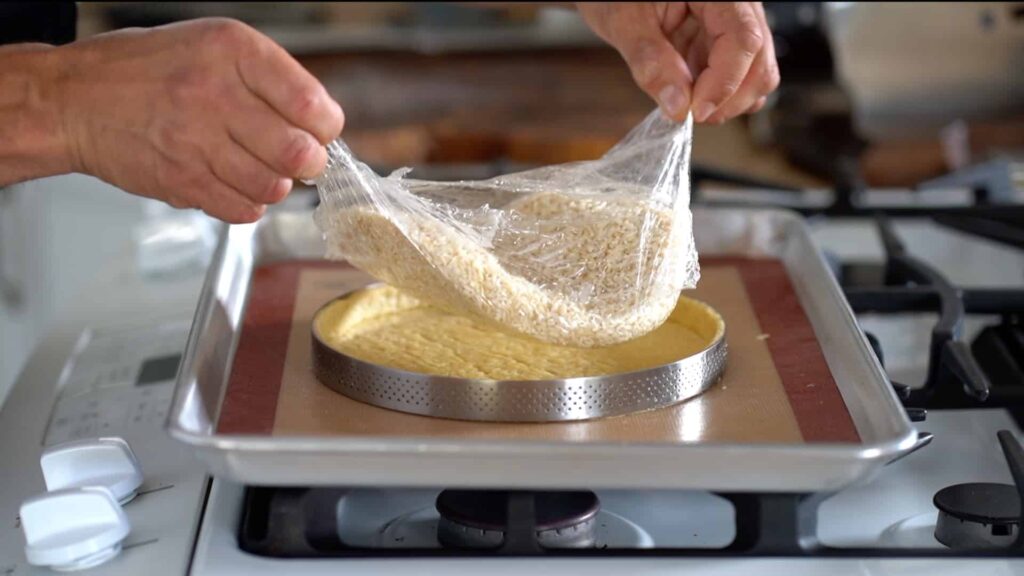
- Blind bake pastry at 350ºF/180ºC for 20 minutes. Remove pie weights and bake for an additional 10 minutes.
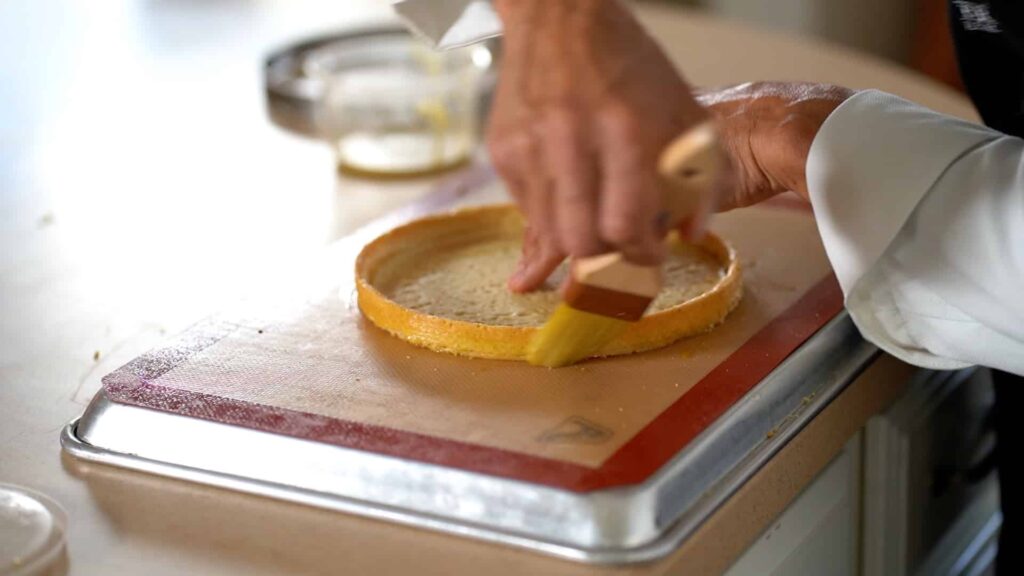
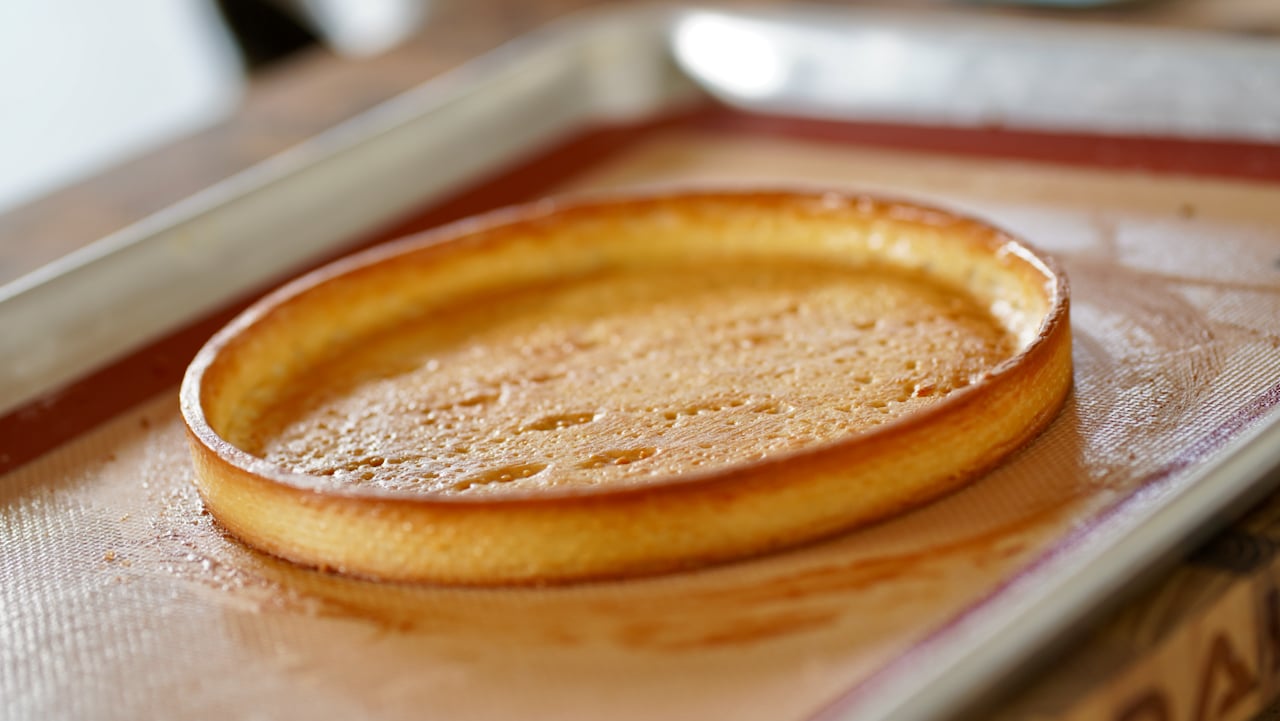
- Egg wash tart shell, and bake again for 10 minutes more or until golden brown.
- Just like it goes for butter cookies, baked tart shells can be kept in dry storage for up to 4 days. Keep them in sealed container or inside large freezer bag with a couple of silica gel packs.


How To Line A Tart Ring
- Wrap pastry in plastic film, flatten out and refrigerate for up to a week. Grease tart ring. Flour countertop and roll out pastry into a 0.12 inch/3 mm thick disk; refrigerate to rest. Trim the pastry into a disk slightly larger than the tart ring ≈ an inch/2.5 cm. Pick up the pastry using a rolling pin and drape over the tart ring. Gently mold the pastry into the ring. Gently press around the edges of the tart base for a nice even finish. Make sure the sugar dough is flush against the case all the way around. Freeze for 20 minutes and trim off excess dough. Make tartlets with leftover pastry.
Egg Wash
- Mix ingredients together. Egg washing crust is an optional step. It does give a brillant sheen to the crust that can be found useful in some cases.
This content is part of the PREMIUM SECTION

This recipe requires a All-content access subscription. The Premium section includes more than 50 essential recipes from French pastry and a special section for mastering artisanal bread.
The Premium section is only accessible with "A year at the table" subscription. Discover it with special first year discount.


