
Please note that the full access to this content needs a "Year at the table" subscription: please sign up.
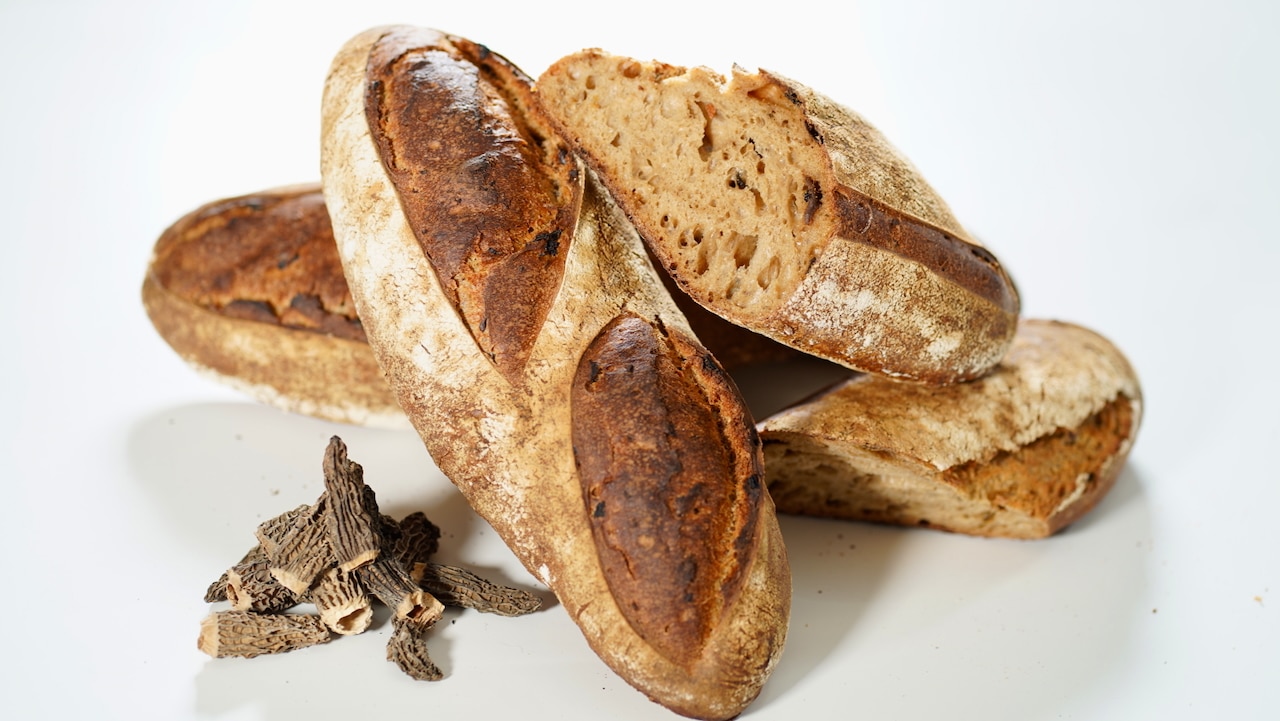
Master the art of artisan bread making with this incredible sourdough morel-garlic loaf...
This recipe is a protected and only available for paid members. To obtain the full step by step recipe and detailed ingredients list, please sign up.
Preview the recipe
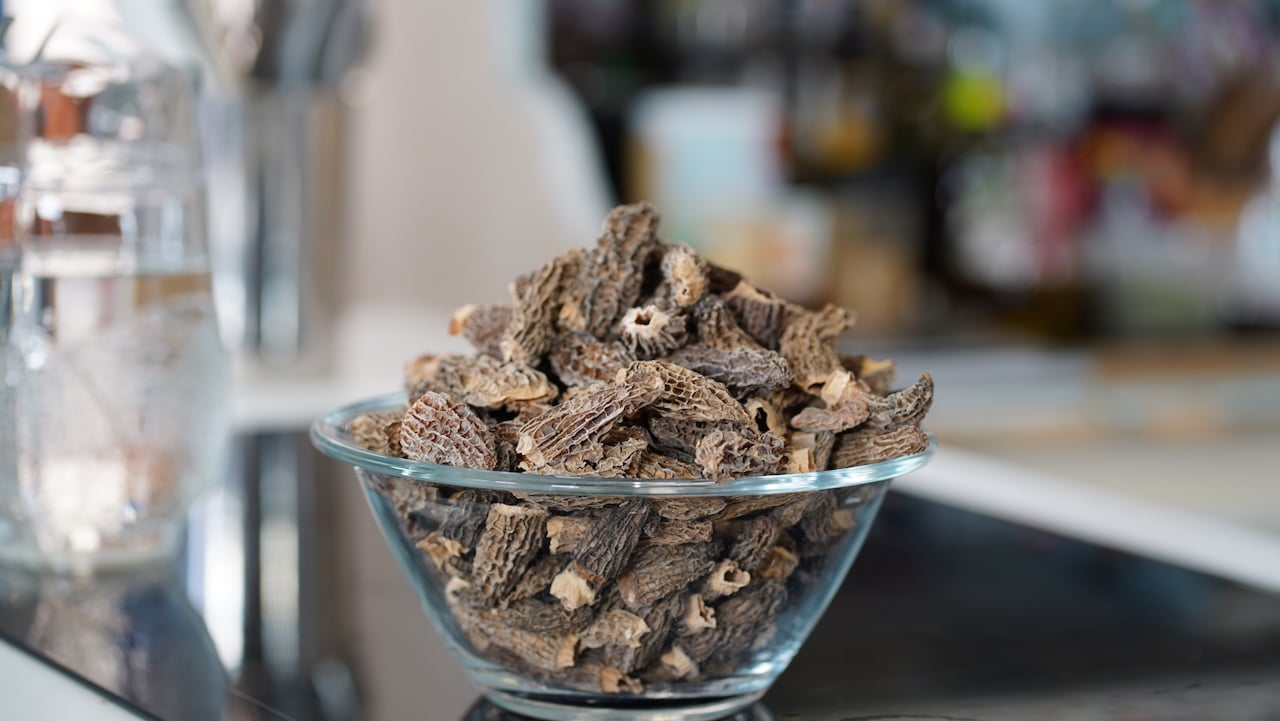
Mushrooms
- This recipe is suitable for all types of dried mushrooms. Avoid the use of fresh mushrooms.

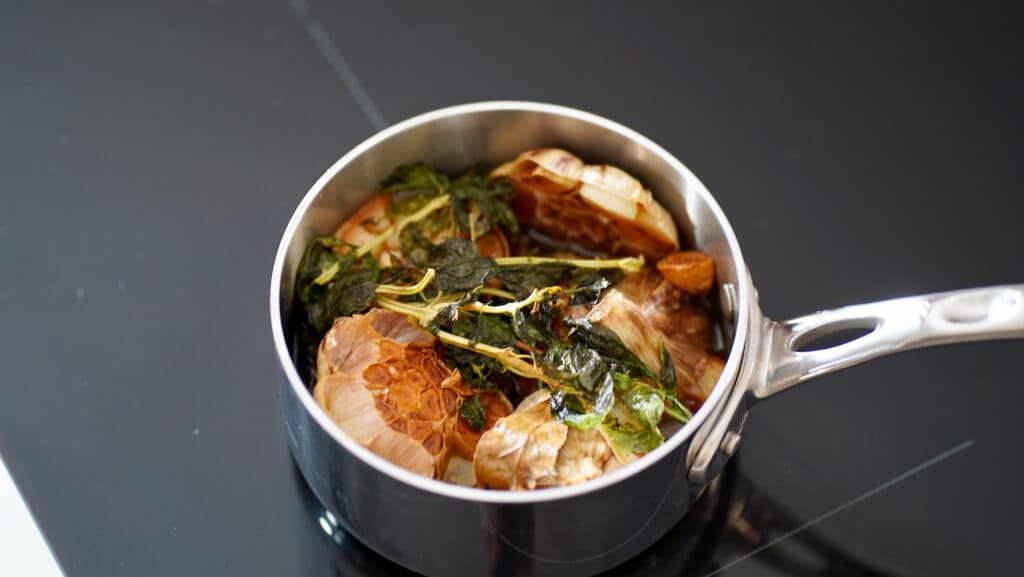
Garlic
- Use garlic that has been roasted or confit or sauté the minced garlic in mushrooms as suggested.

Refreshing Leaven
- Always calculate the amount of starter needed for your daily baking accurately, ensuring you have enough to carry forward for future batches.
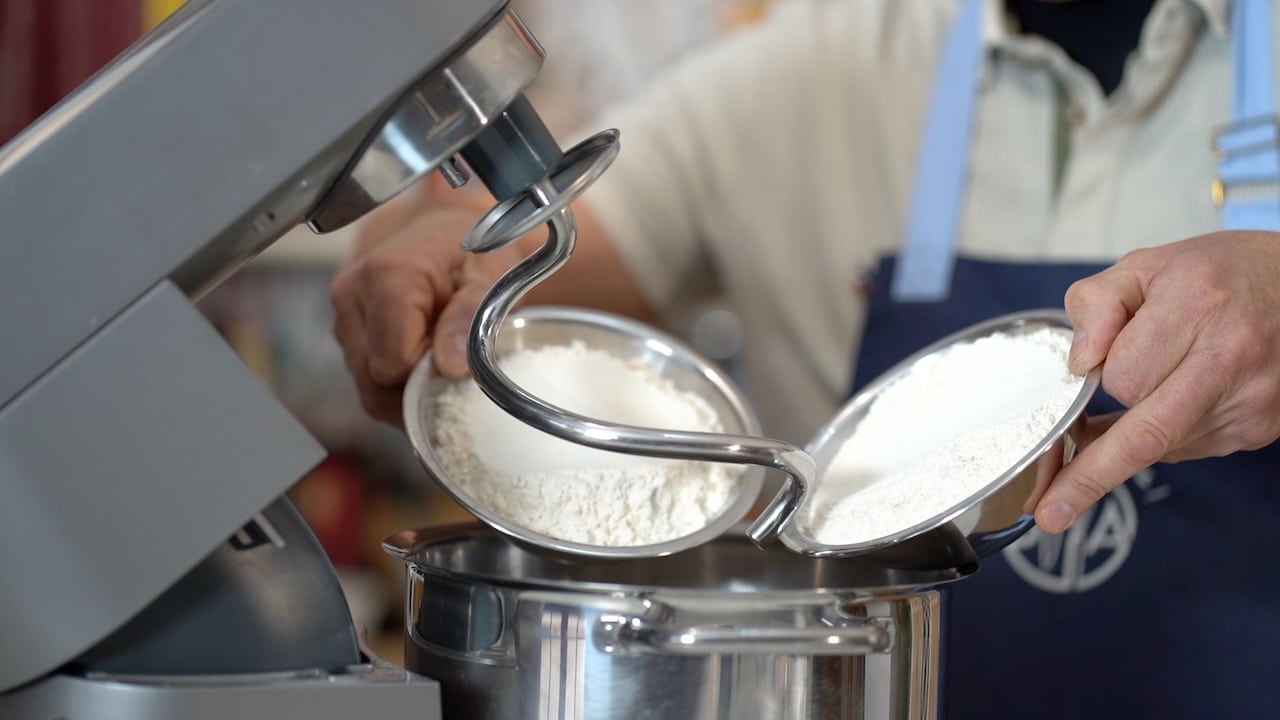
- The day before mixing bread, combine water, natural starter, and flours in a stand mixer fitted with the hook attachment. Mix on low speed for 3 minutes until the ingredients come together. Then increase the speed to medium-high and continue mixing for 7 minutes, or until the dough pulls away from the sides of the bowl.
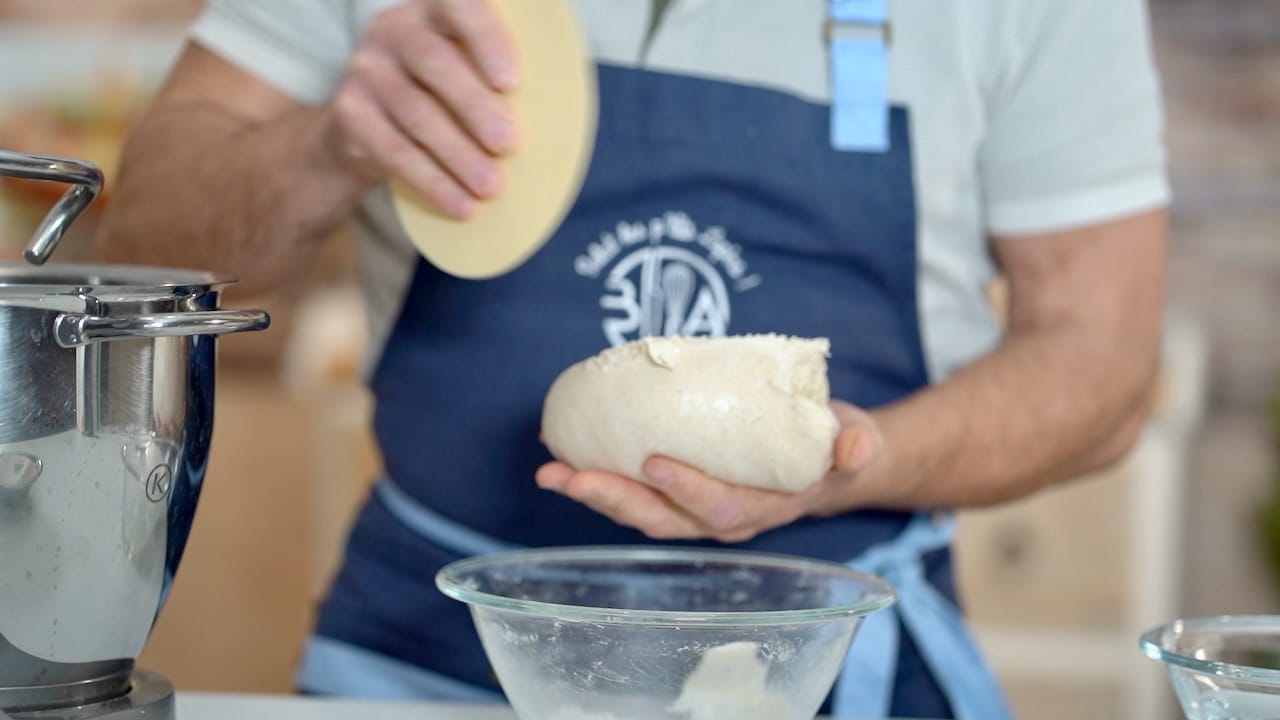
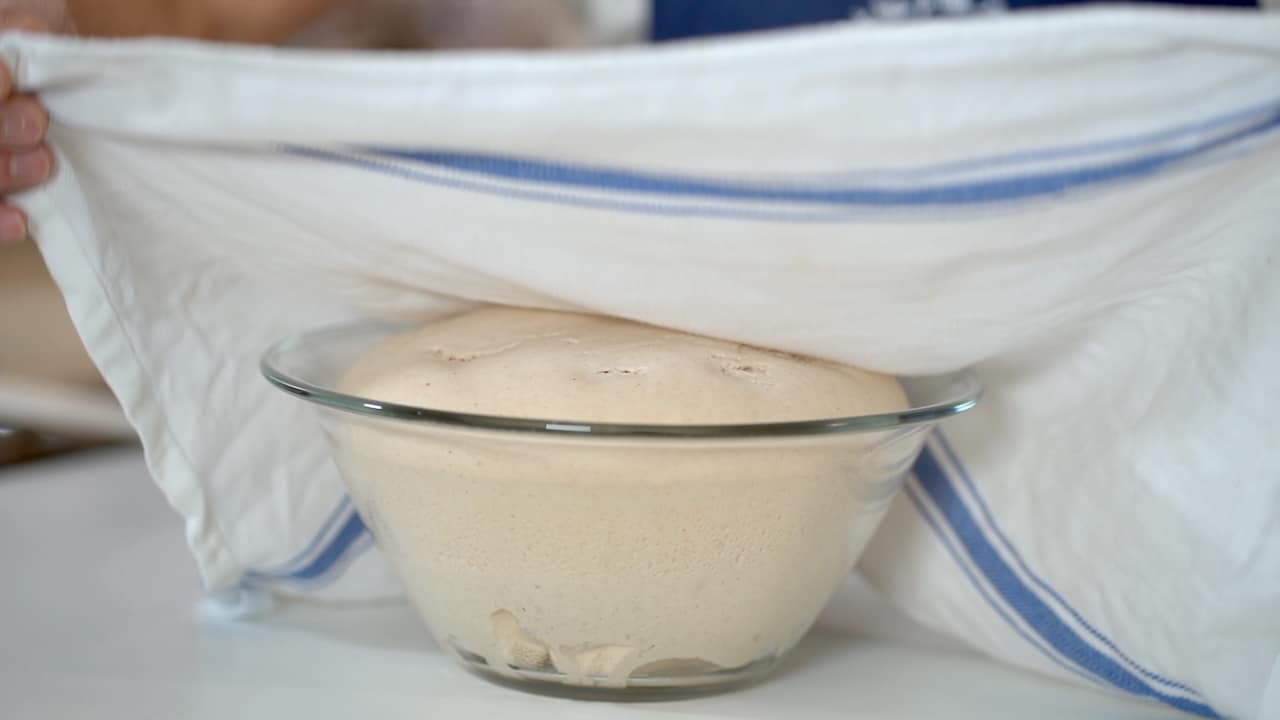
- Form the dough into a tight ball (no extra flour needed) and place it in a large bowl. Cover with a damp kitchen towel and let it rest at room temperature for 2 hours.
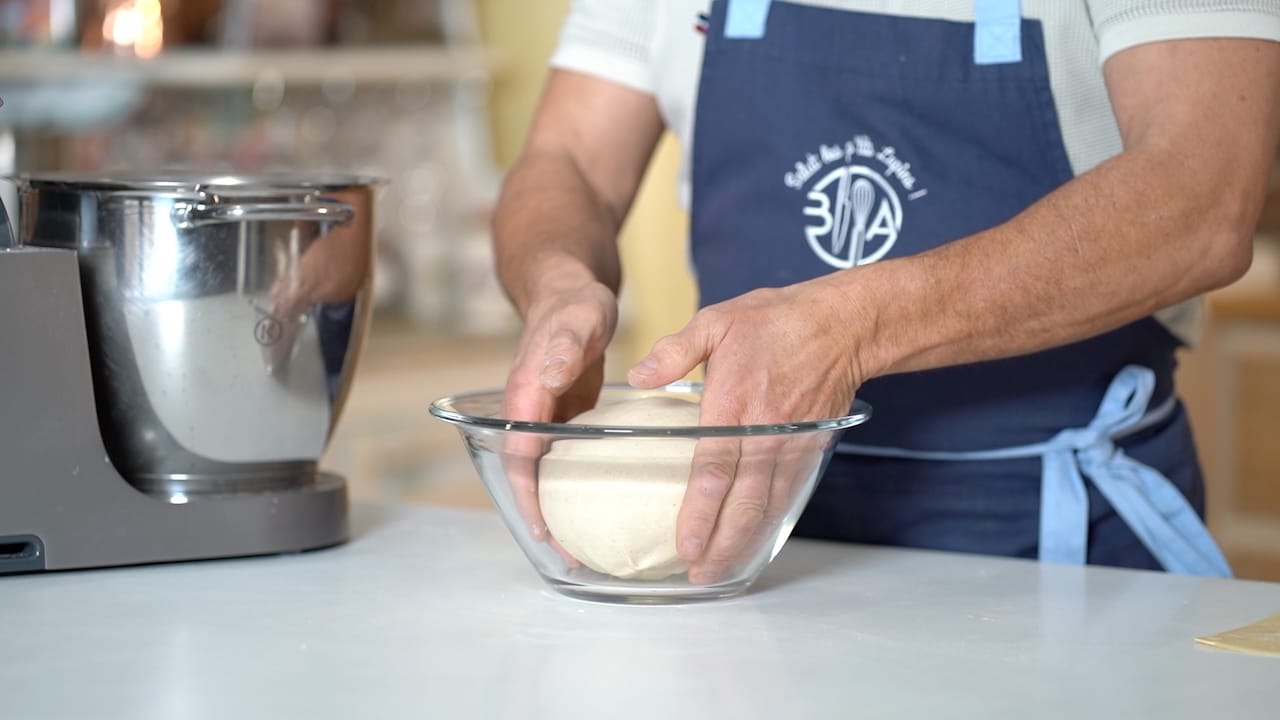
- Then, refrigerate it overnight. Alternatively, the dough can be stored overnight at 12-15°C (59°F).


Morel-Garlic Mixture
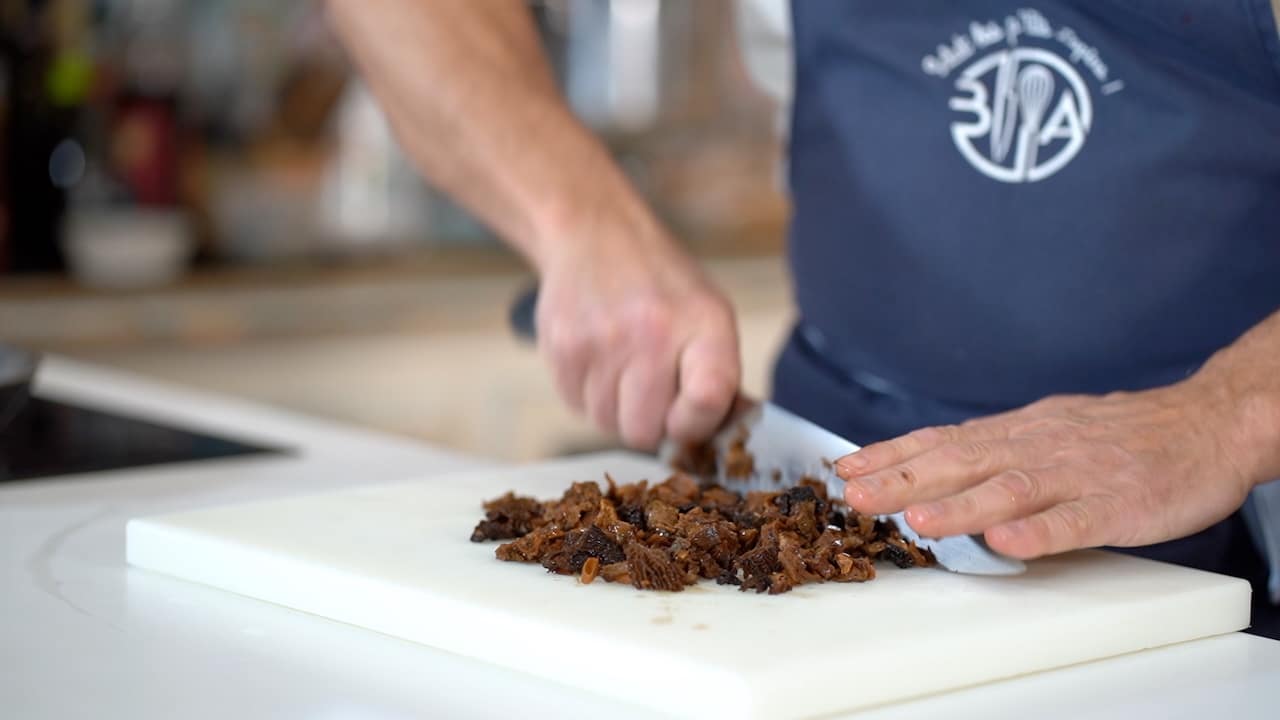
- Chop the drained, rehydrated mushrooms.
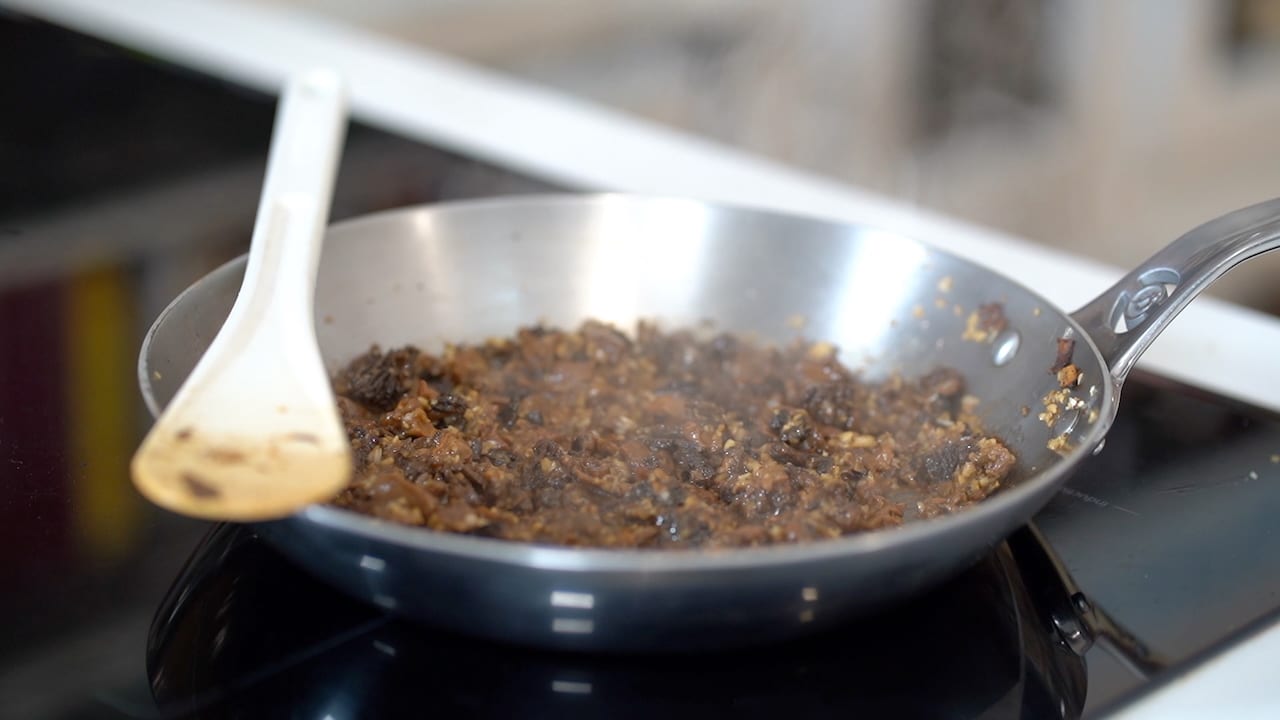
- Heat a frying pan over medium-high heat and sauté the mushrooms, fat and garlic until fragrant, about 5 minutes. Add the salt and pepper (a fair amount of pepper as suggested, pepper is mushroom's best friend). Deglaze the pan with chicken stock to halt the cooking process. Allow the mixture to cool completely before incorporating it into the bread dough.


Sourdough Morel Bread
- Remove the portion of leaven needed for the mushroom bread. Use the remaining leaven to refresh your starter, then discard any leftover portion after feeding.
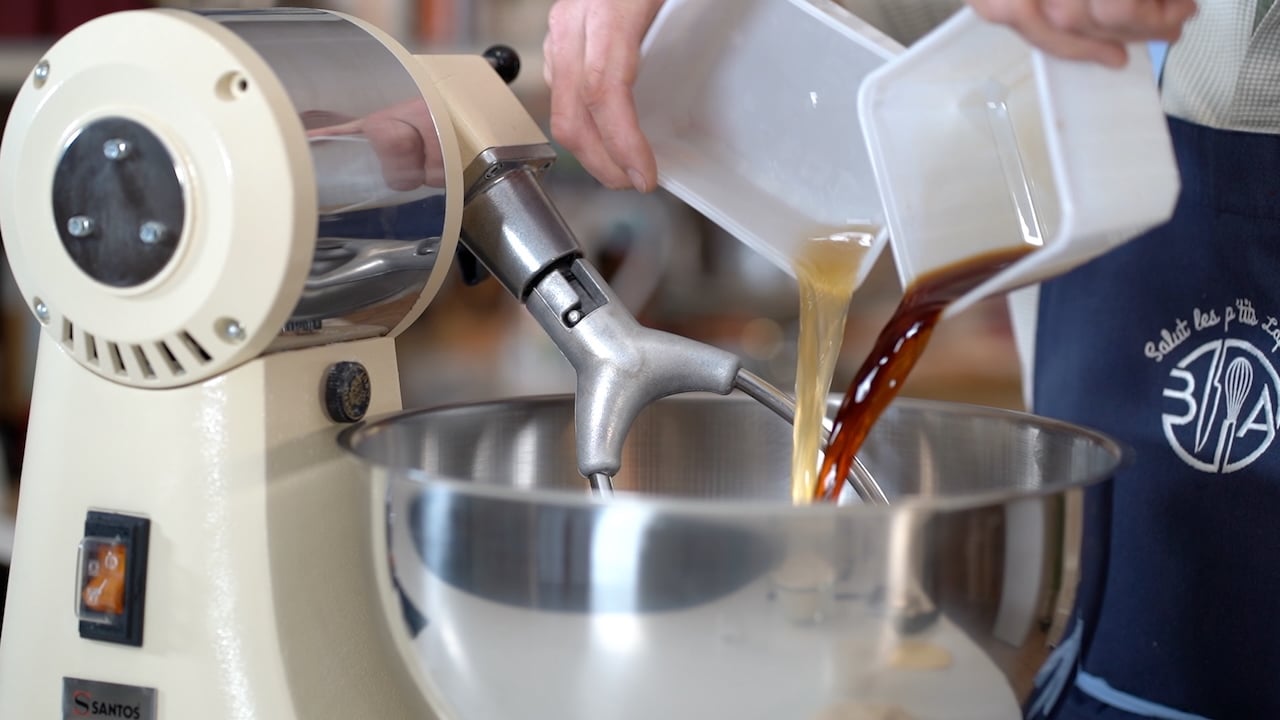
- Add stocks into the mixer bowl along with the yeast and the starter.
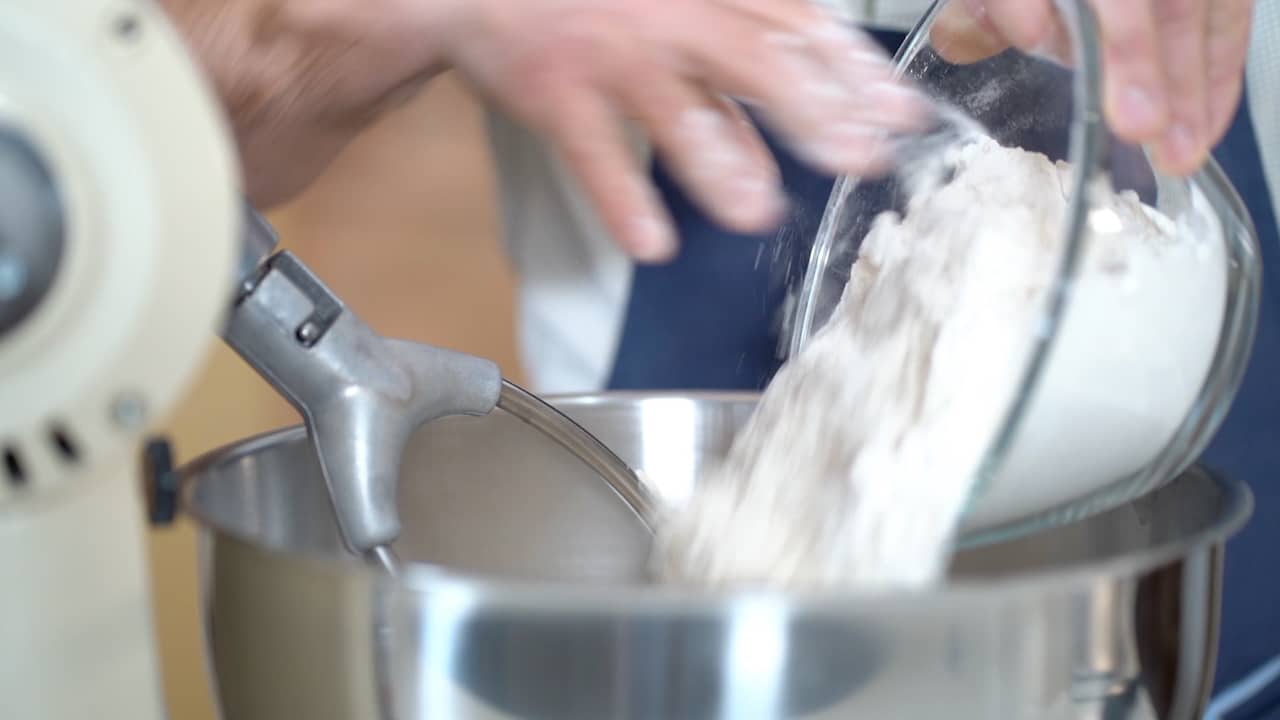
- Add the flours and begin to mix on low speed for 15 minutes. Scrape down the sides of the bowl and the hook periodically. This helps incorporate the ingredients more evenly and allows the dough to come together into a cohesive mass more quickly.
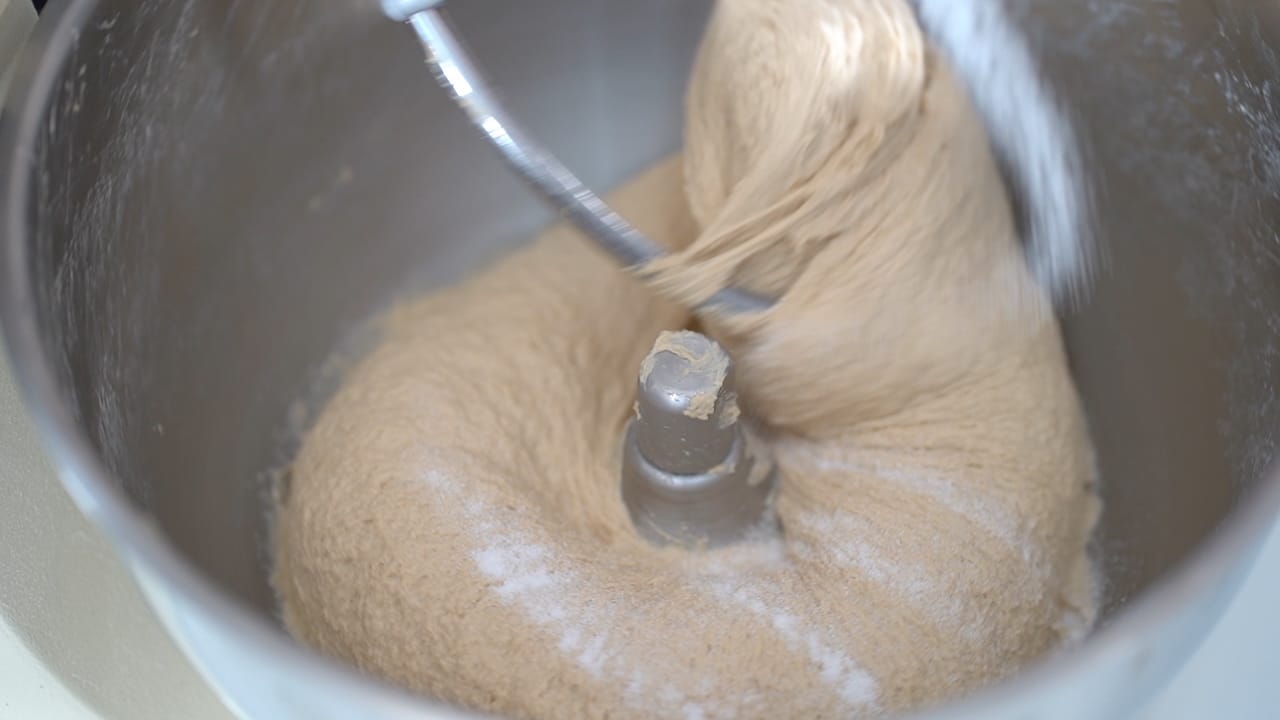
- After 15 minutes mixing, add the salt and knead for 15 minutes more (reduce the kneading time by two if mixing on second speed). After mixing, the dough temperature should be around 72°F (22–23°C). For a long fermentation process, it is best to keep the dough below 24°C (75°F). This slower start to fermentation helps maximize the development of aromas.


Windowpane Test
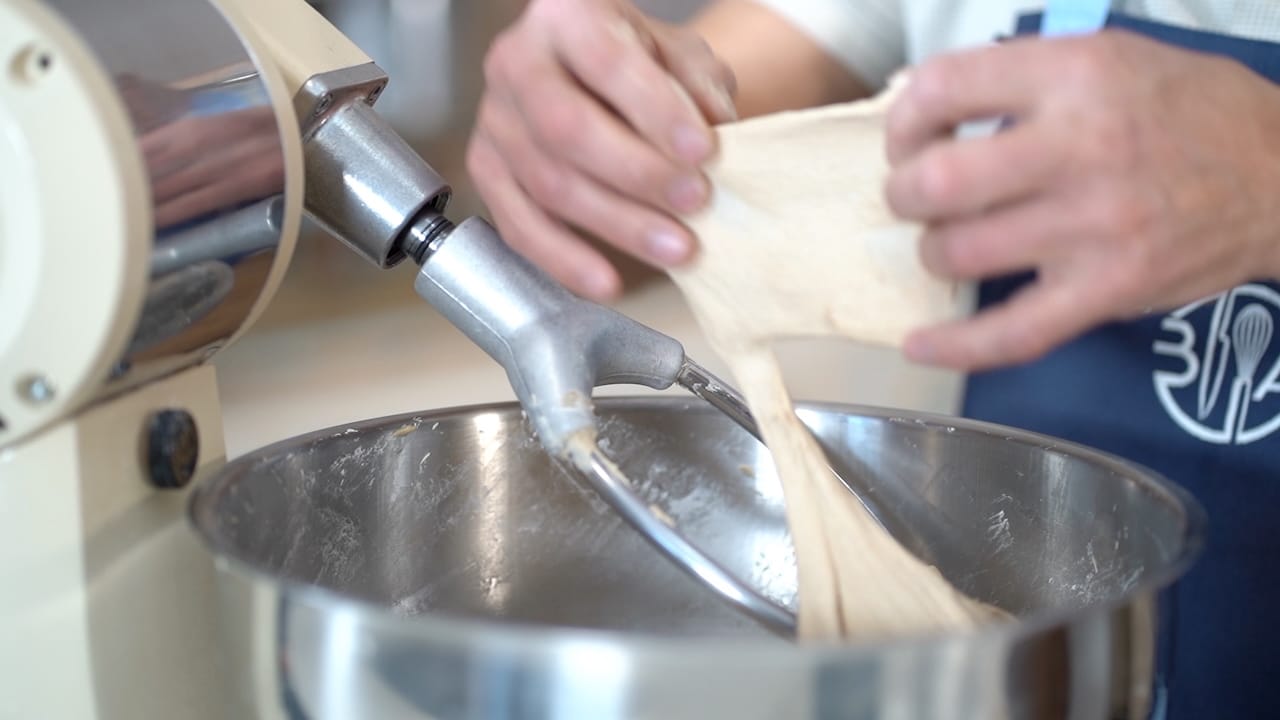
- A successful windowpane means the dough can be stretched thin enough to become translucent without tearing. This indicates the gluten is strong, elastic, and well-developed. If it tears easily or won’t stretch thin, the dough needs more kneading.
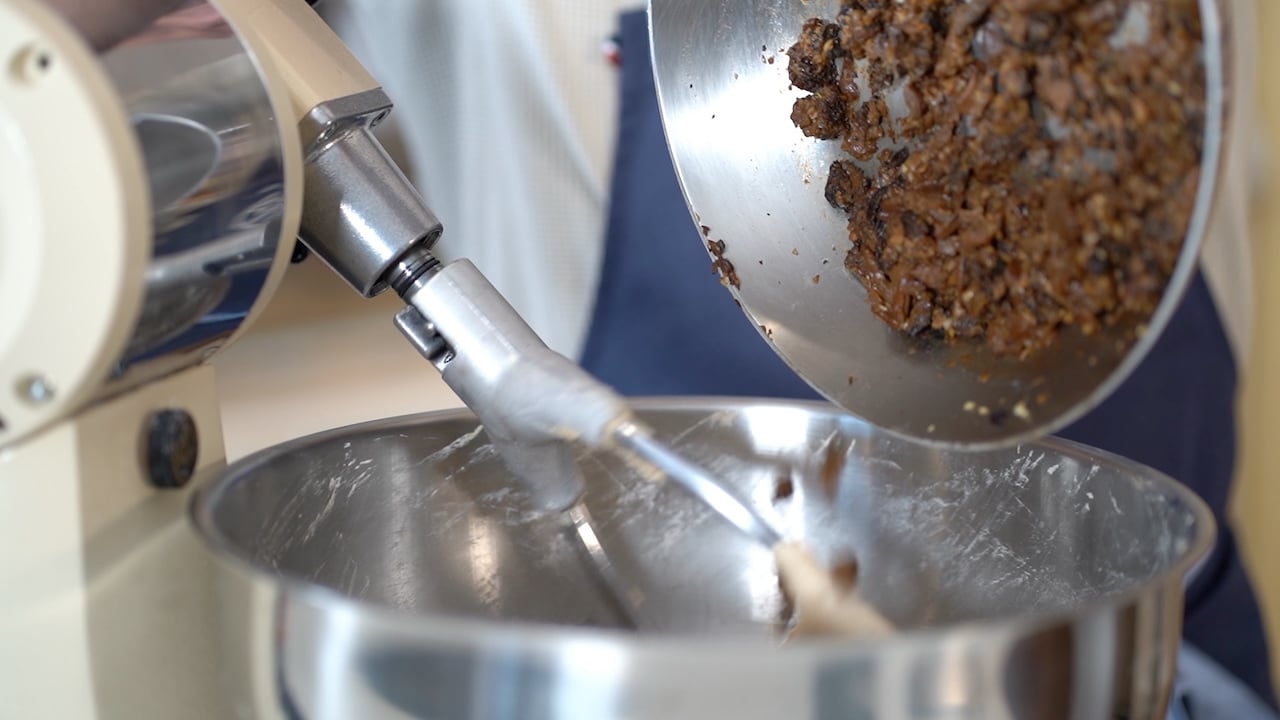
- Add the mushroom-garlic mixture into the dough; mix until fully incorporated.


Bulk Fermentation
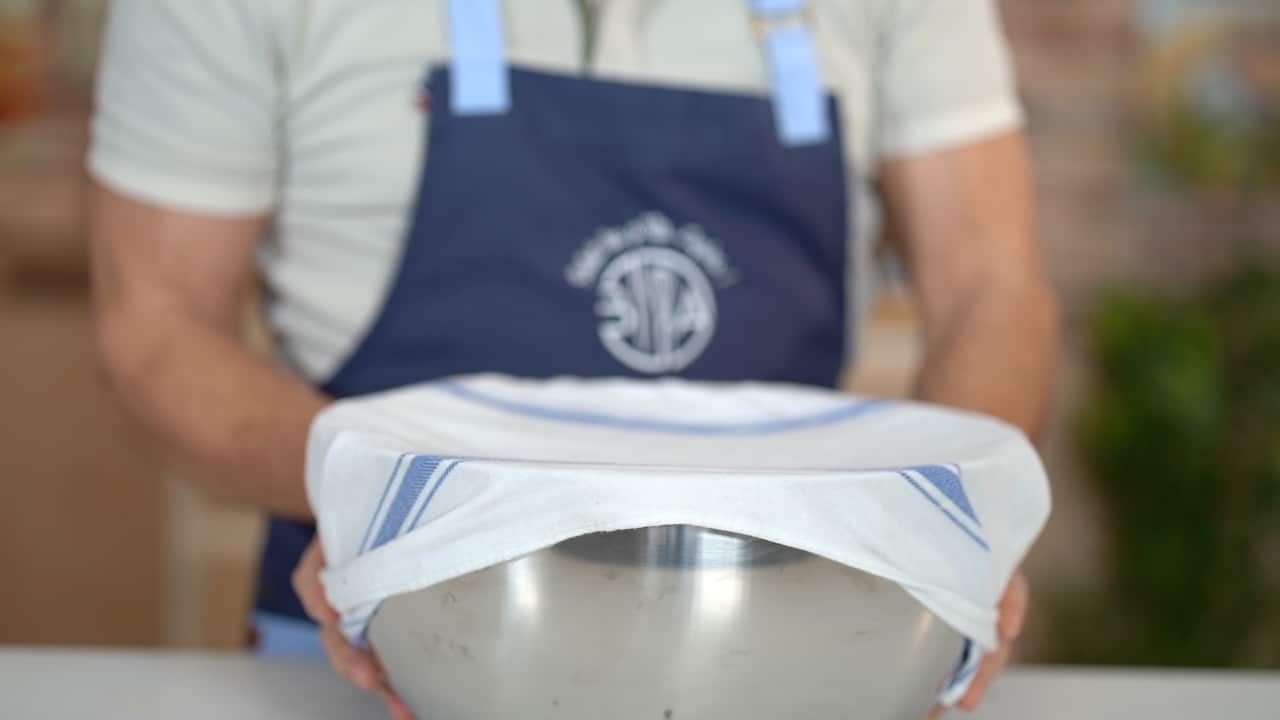
- For the bulk fermentation, let the dough rest, covered, for one hour.

Dividing
- Turn the dough out onto a lightly floured work surface.
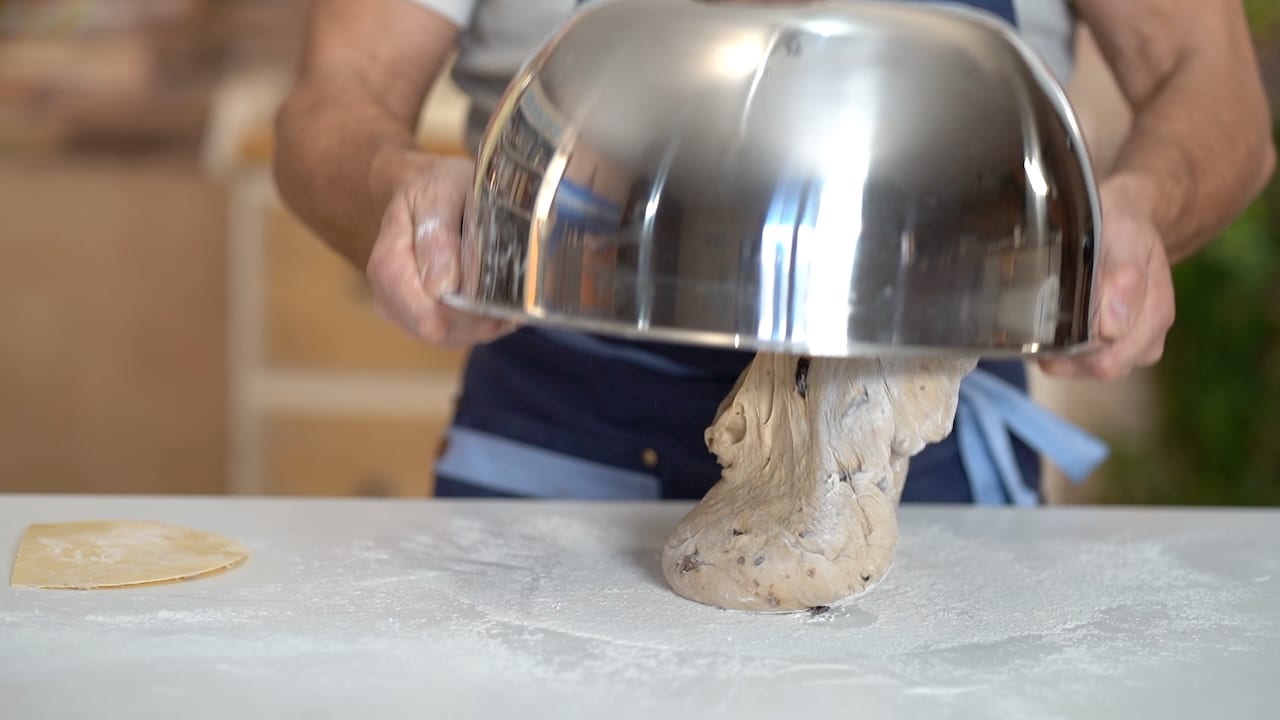
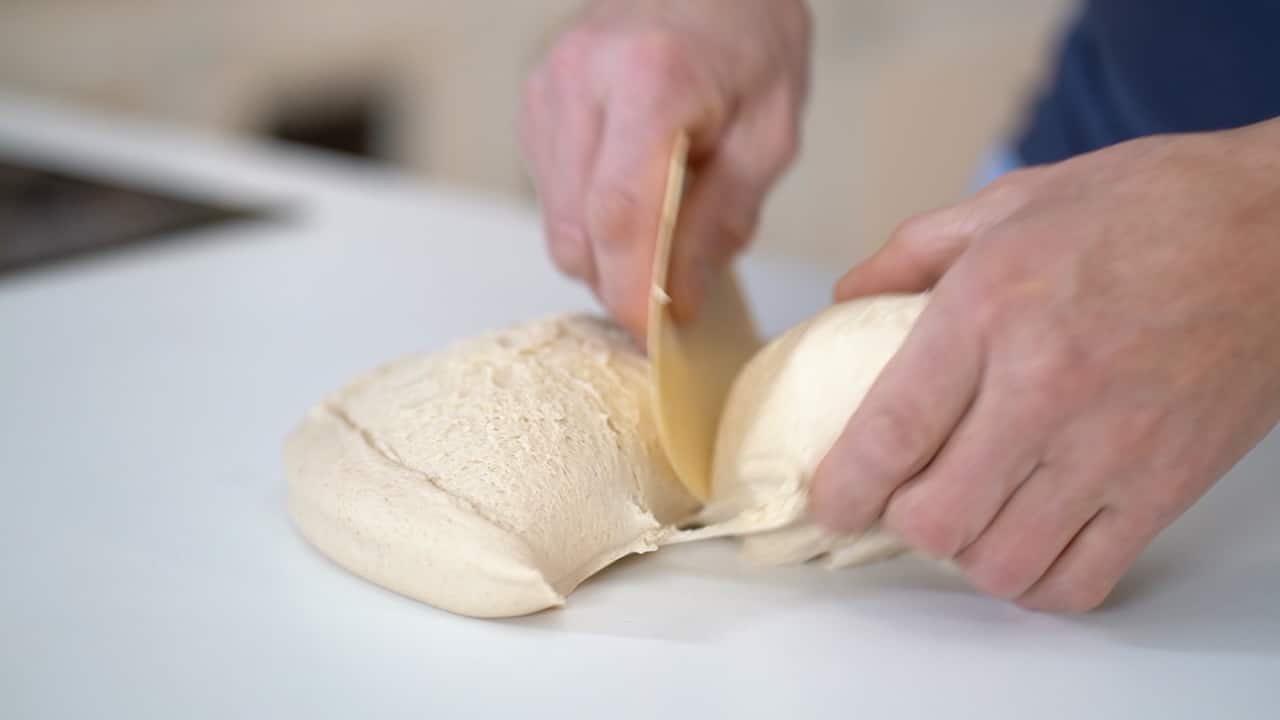
- Divide it into four 600g portions.
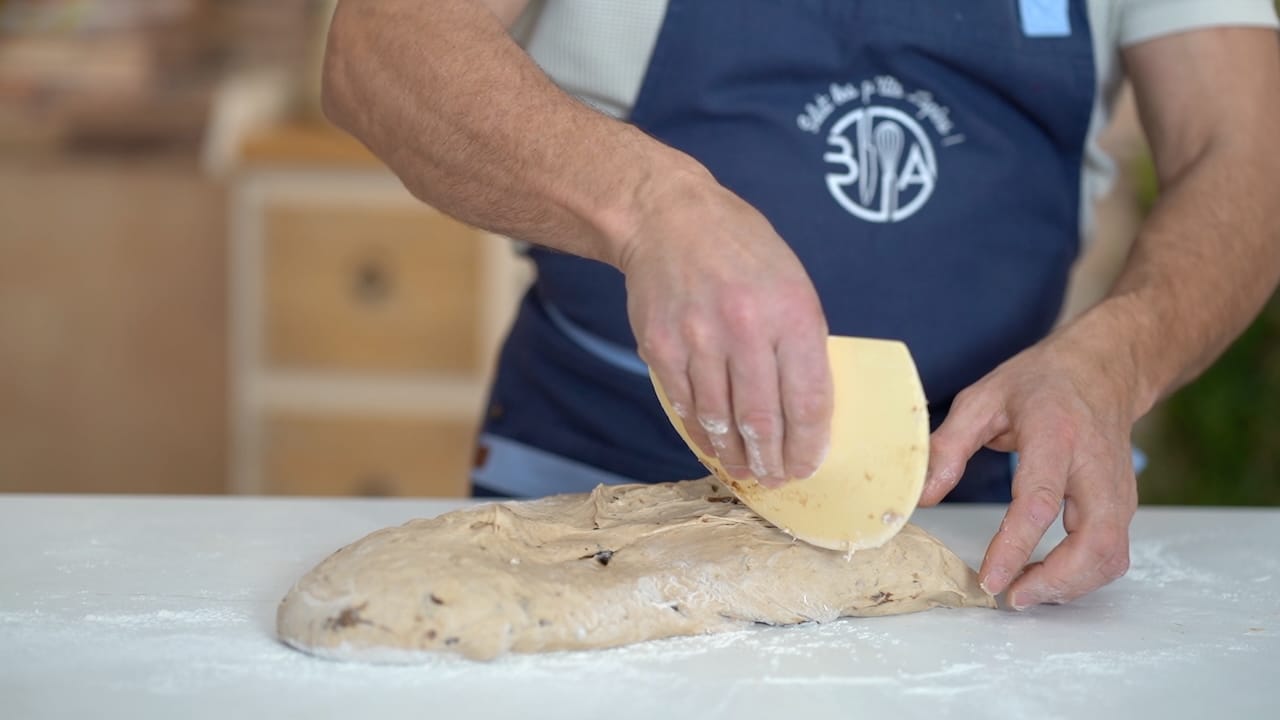


Mise en Forme
- And pre-shape each one into a loose oval.
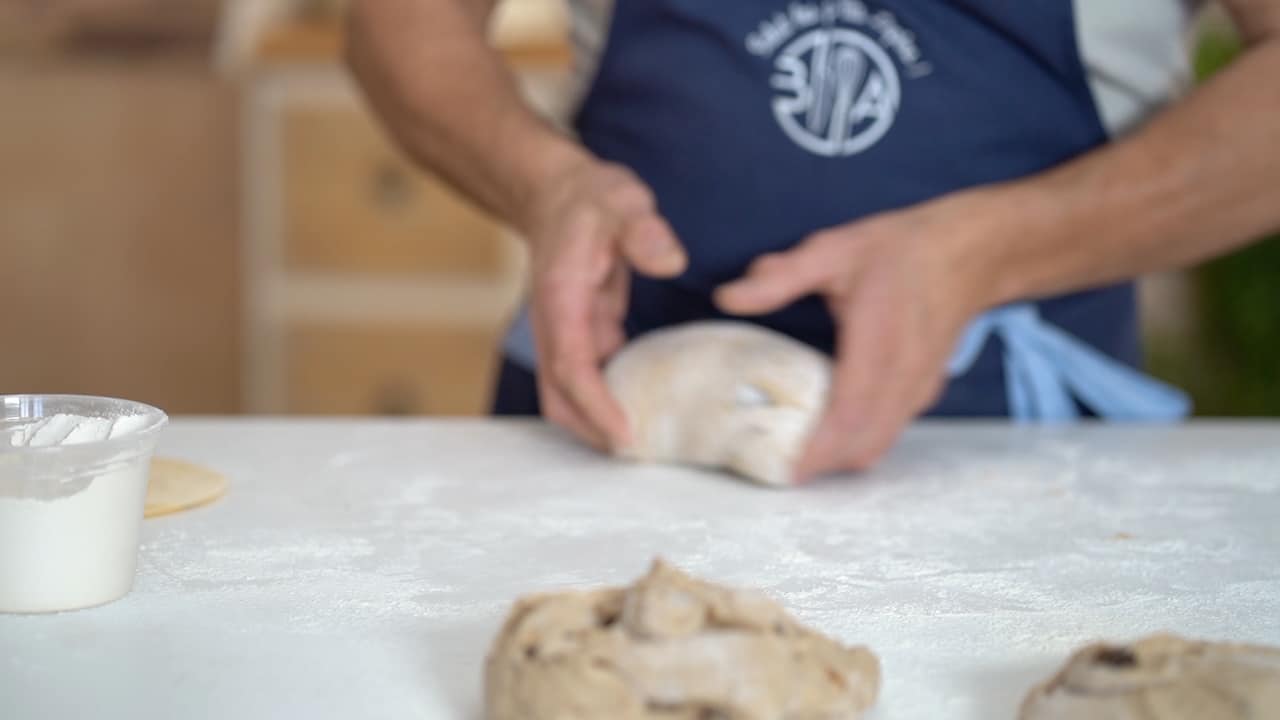
- Cover them and let them bench rest for 20 minutes to relax the gluten.
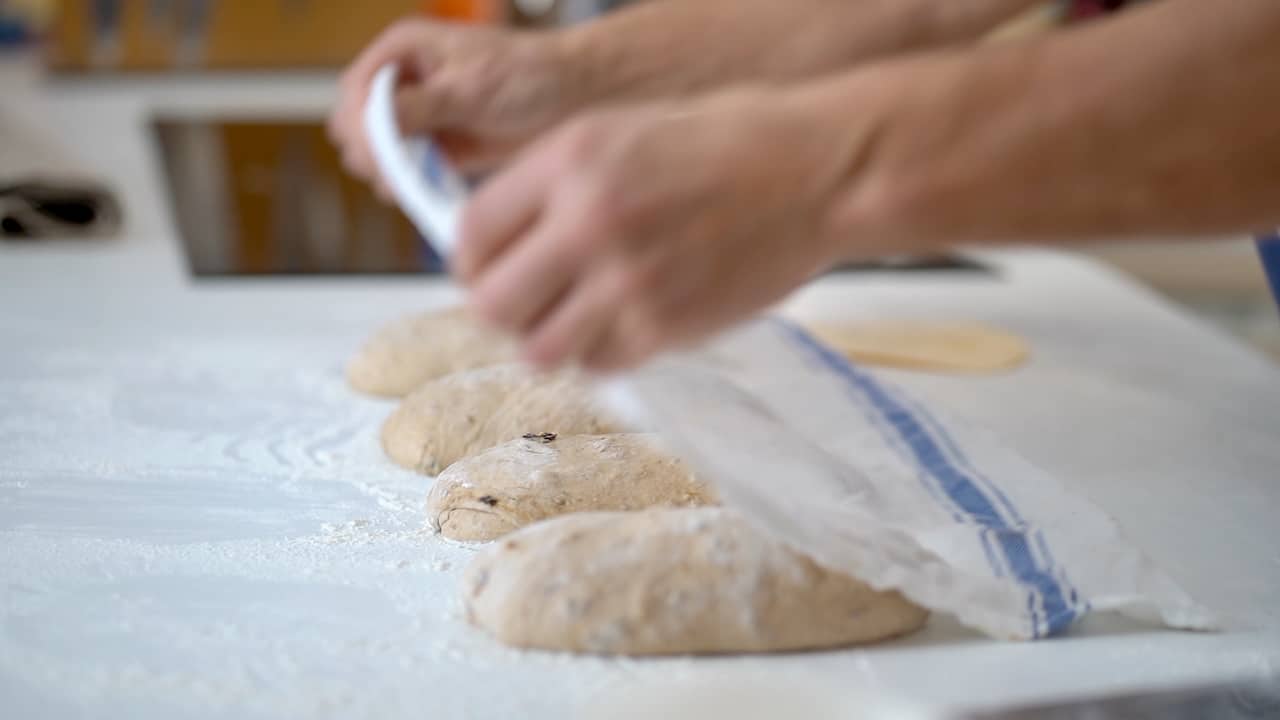


To Shape the Dough into Loaves
- For the final shape: place a portion seam-side up. Brush off any excess flour from the top. Gently press to degas it.*In bread making, "degassing" is a crucial step that occurs after the first rise (bulk fermentation) and before shaping the dough. It literally means to gently remove the large pockets of gas (primarily carbon dioxide) that have built up during fermentation. However, when dough is leavened with a natural levain, the gas pockets are typically smaller and more fragile. They can be difficult to re-inflate during the final proof if they are excessively flattened during shaping. Therefore, it's crucial to handle the dough gently throughout the entire shaping process.
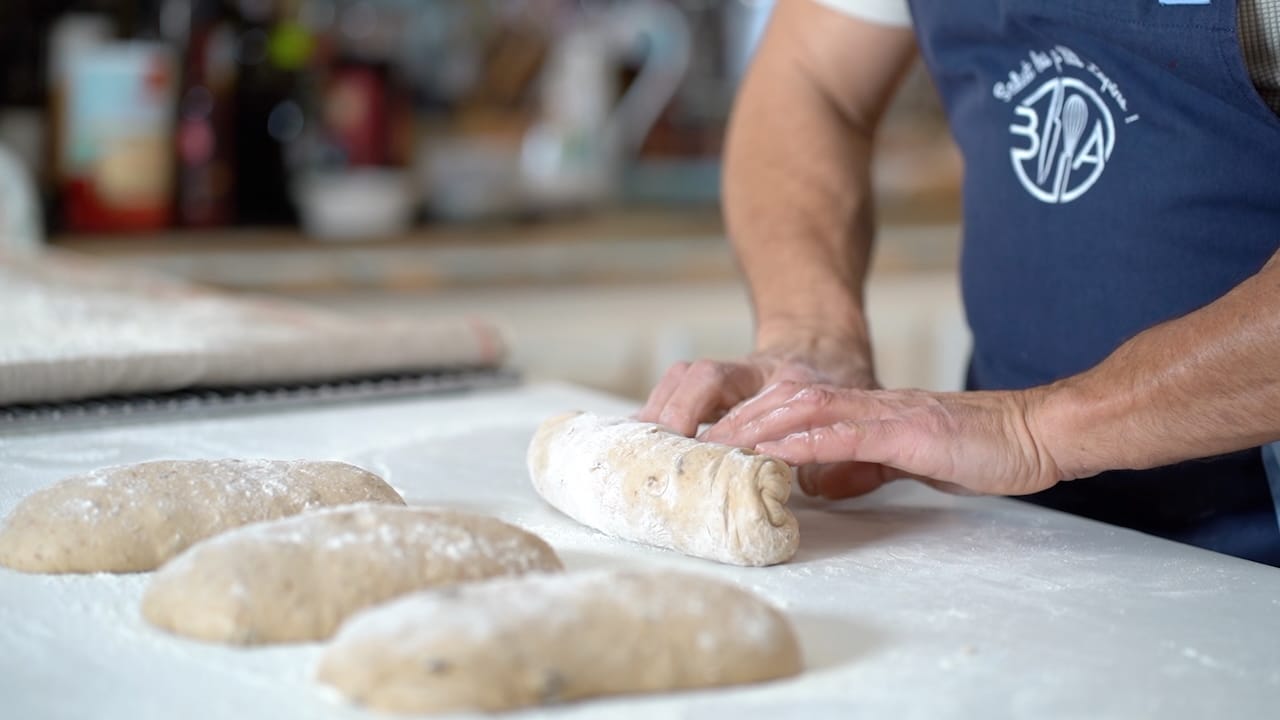
- Then, perform two letter folds, elongating the dough with each fold. Finally, roll and taper it into a 12-inch (30 cm) bâtard—which is about half the length of a traditional baguette.
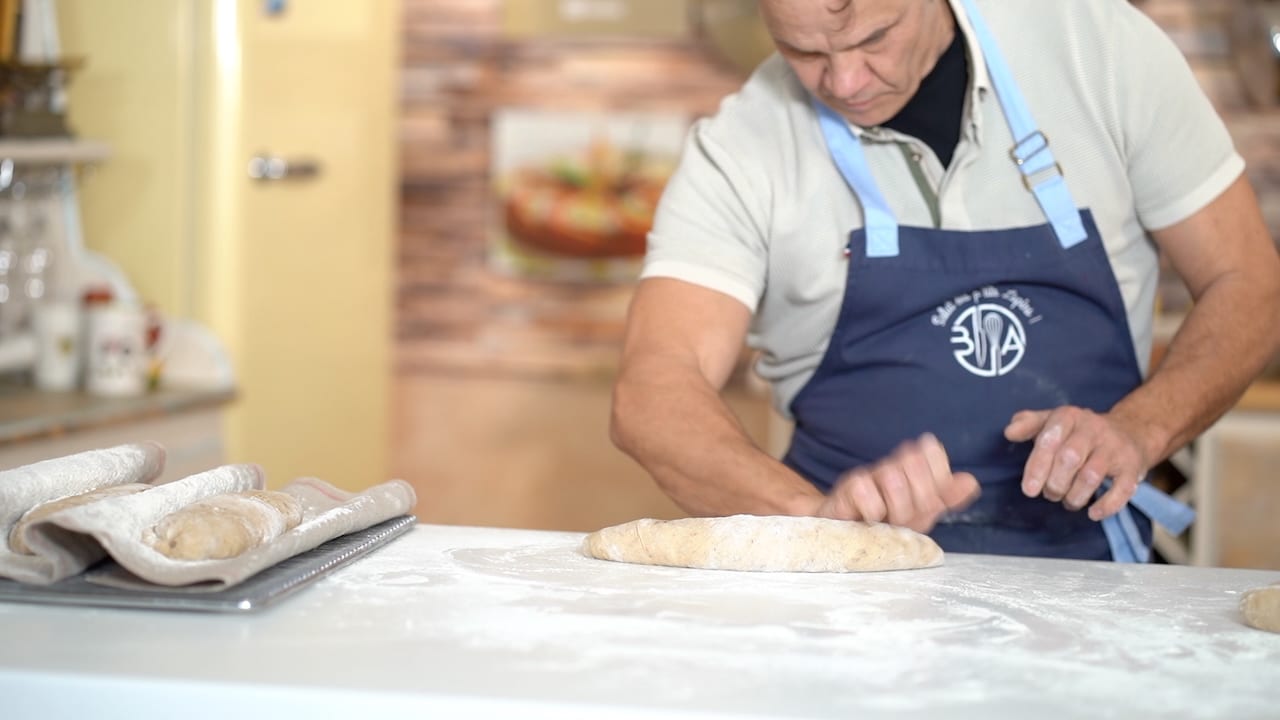
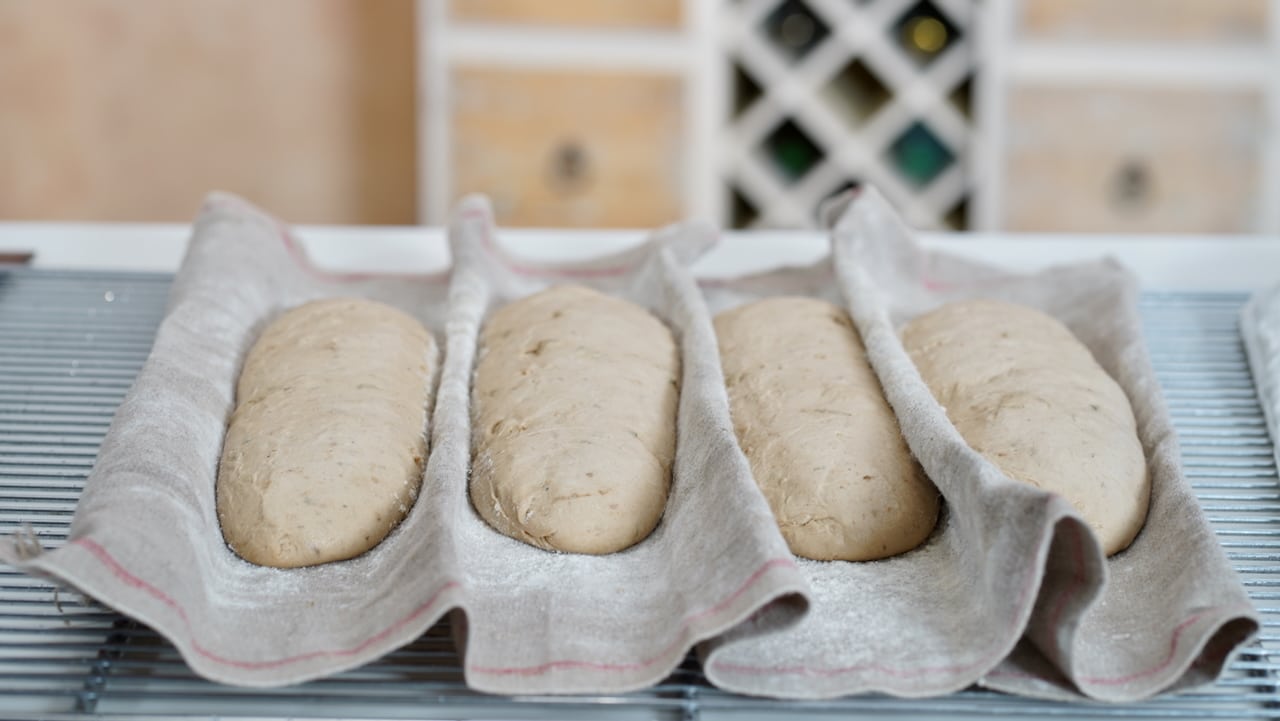
- Arrange each loaf over the floured bakers couche, and seam side up. Cover loaves with damp fragrance free kitchen towels to prevent a crust from forming. No need to cover the bread if using a controlled fermentation chamber.
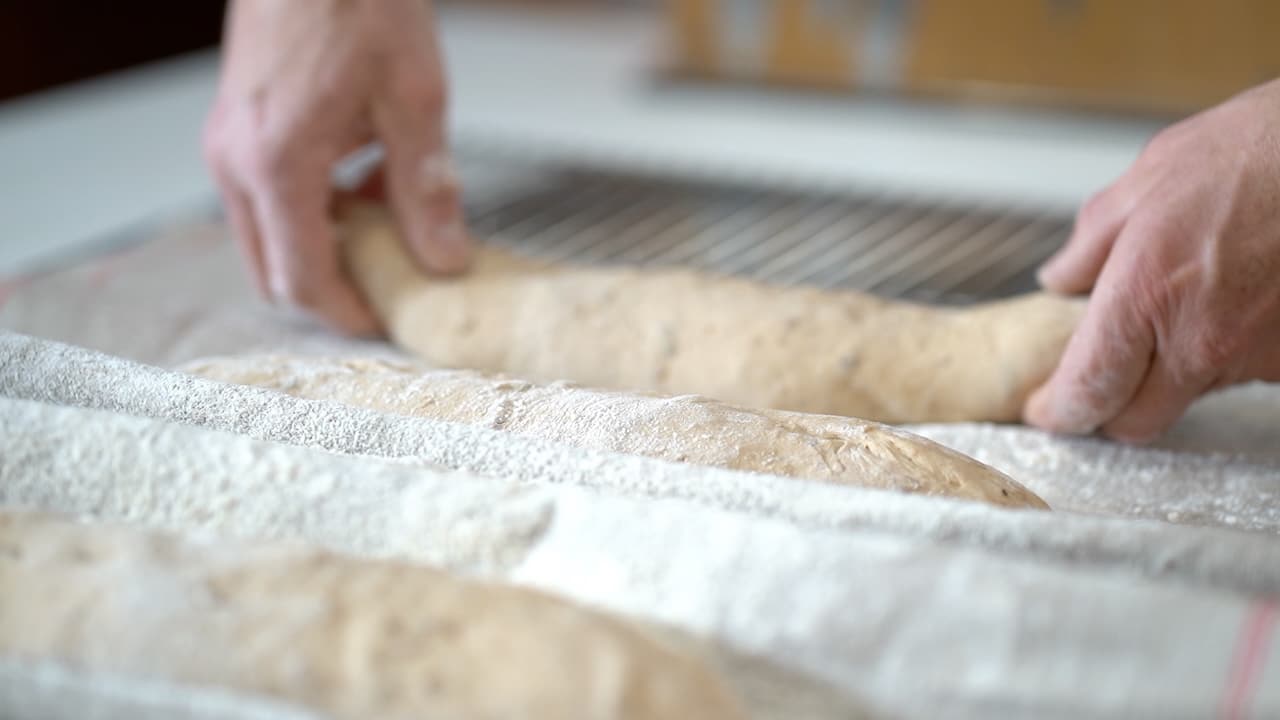


Proofing
- Proof the loaves slowly at 10°C for 16 to 18 hours, or at 15ºC for 10 to 12 hours until doubled in size. Alternatively, for a more flexible schedule, you can proof at room temperature (about 21°C) for 2 hours, then refrigerate overnight (8-10 hours) to complete the fermentation just like it goes when refreshing your natural starter. This cool proofing method is specific to naturally leavened bread that goes to an extended and cool rising process. When proofed seam-side up on a floured couche, the loaf develops a light skin on the surface in contact with the linen. After flipping and scoring, this setup facilitates better oven spring, resulting in a more open crumb and a thicker, crisper crust.

Baking
- Position a pizza stone on the lower rack of a conventional oven. Preheat the oven to 465ºF (240ºC) for at least 30 minutes.Uncover the proofed loaves and dust some flour on top. Using a pizza peel or a narrow wooden board like used in bakeries, gently lift the edge of the baker's couche and flip the proofed loaf onto the peel (now, skin side up).
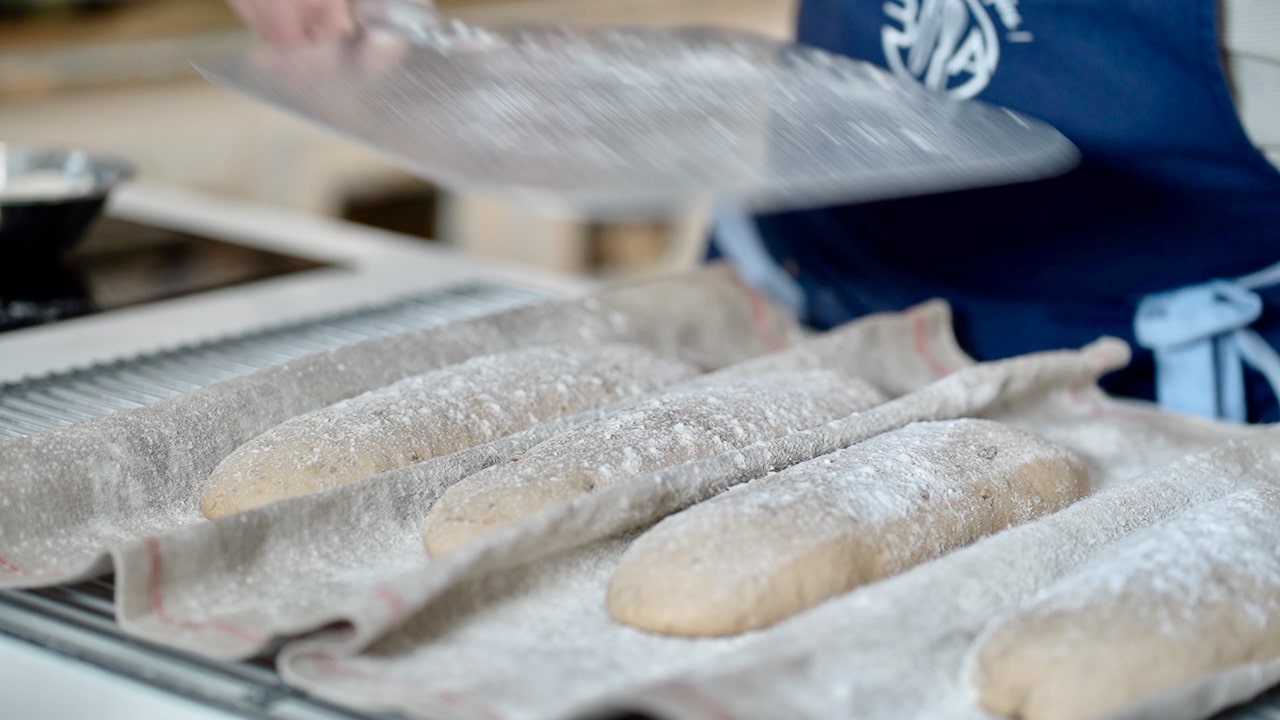
- Carefully slide the loaf onto the preheated pizza stone. At home, you can bake two loaves at a time. Reserve the 2 other loaves in the refrigerator until ready to bake.
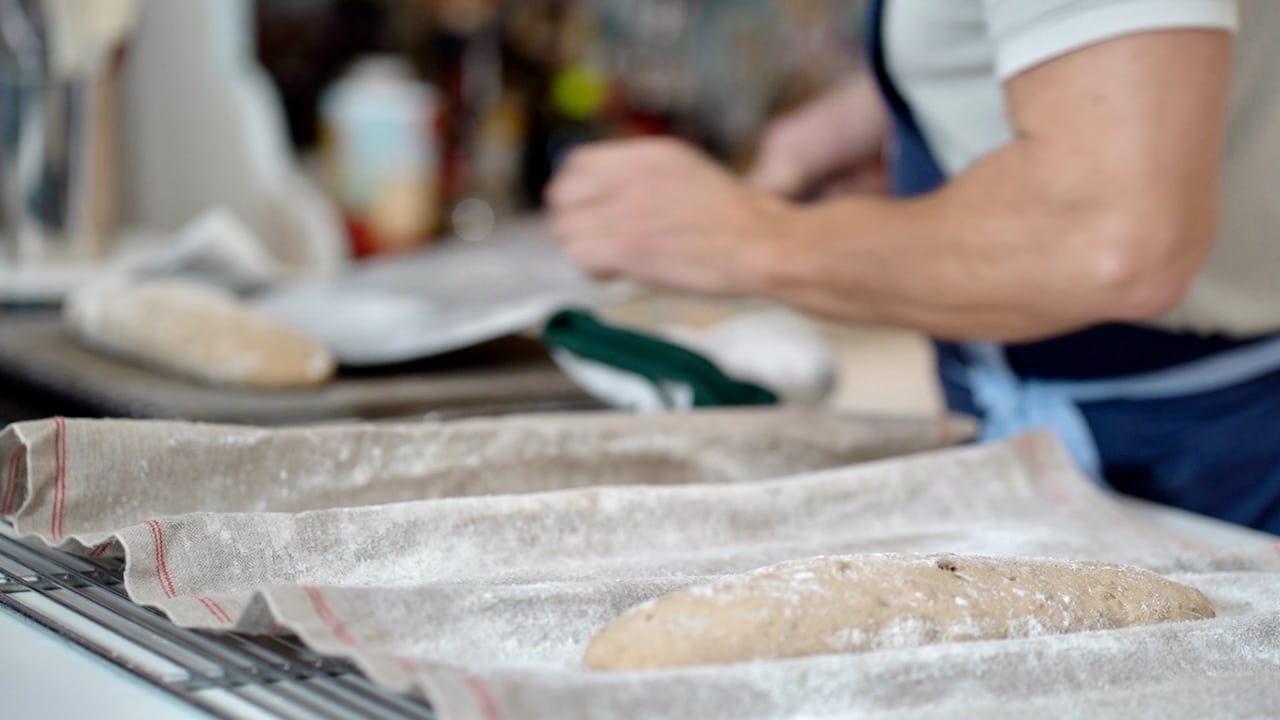
- Score each loaf to allow for optimal expansion. Quickly spray water into the oven chamber to create steam, then shut the door immediately. Reduce the oven temperature to 410ºF (210ºC) and bake for 25 minutes. Turn the oven off, prop the door slightly ajar, and leave the loaves inside for an additional 5 to 10 minutes.
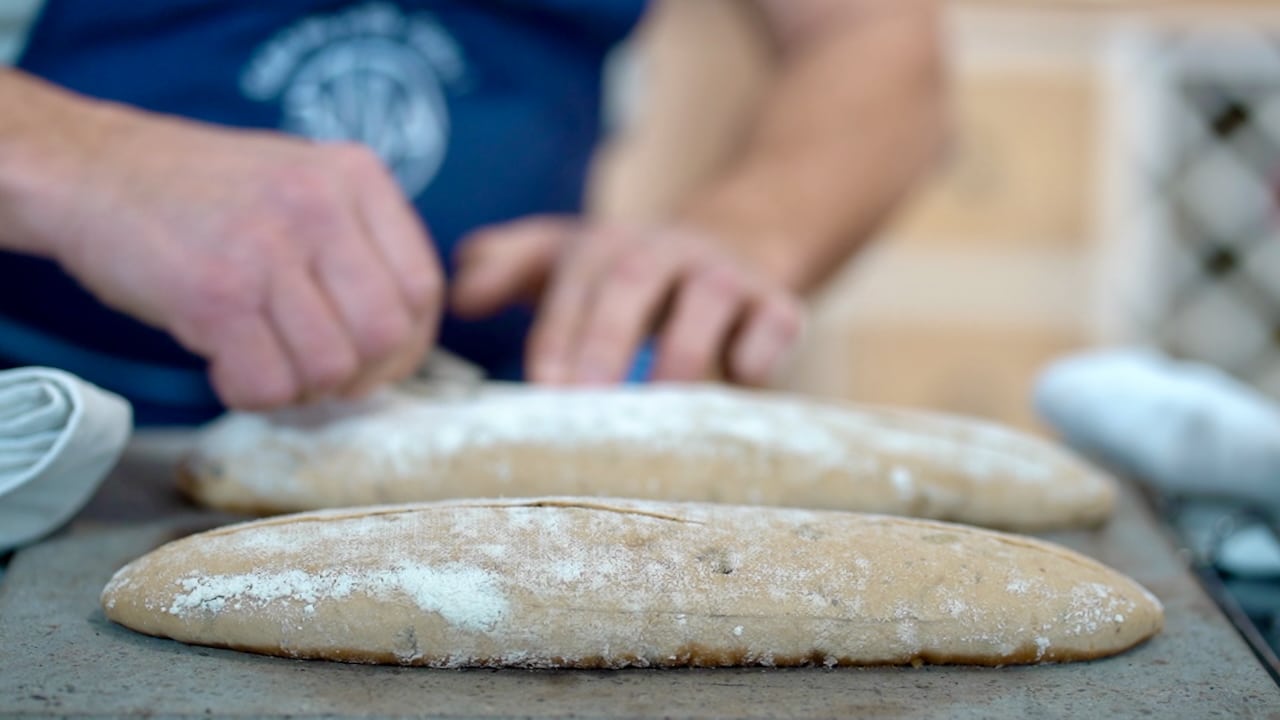
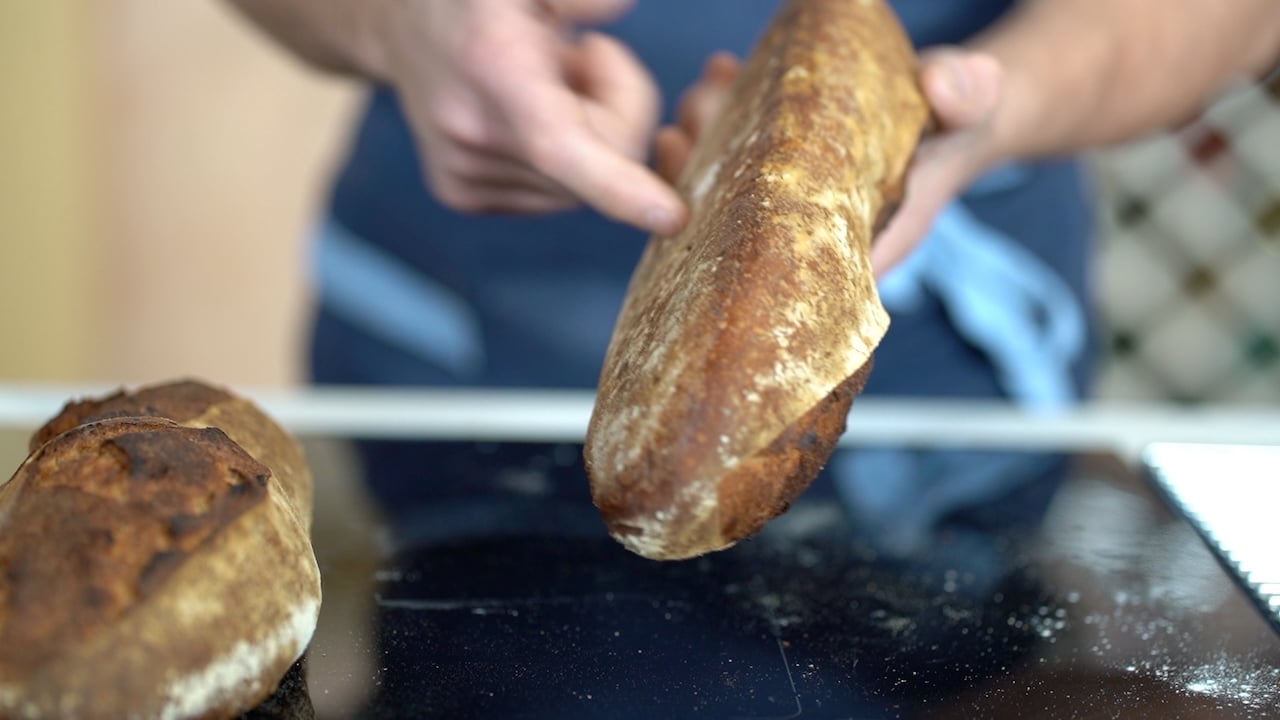
- To check if bread is fully baked, tap the bottom — it should sound hollow and appear dark brown. Remember, naturally leavened bread is better slightly overbaked than underbaked. Once done, transfer the loaves to a wire rack to cool completely. A fully baked and cooled loaf typically weighs about 15% less than the raw dough.


Mushroom Bread Pairing
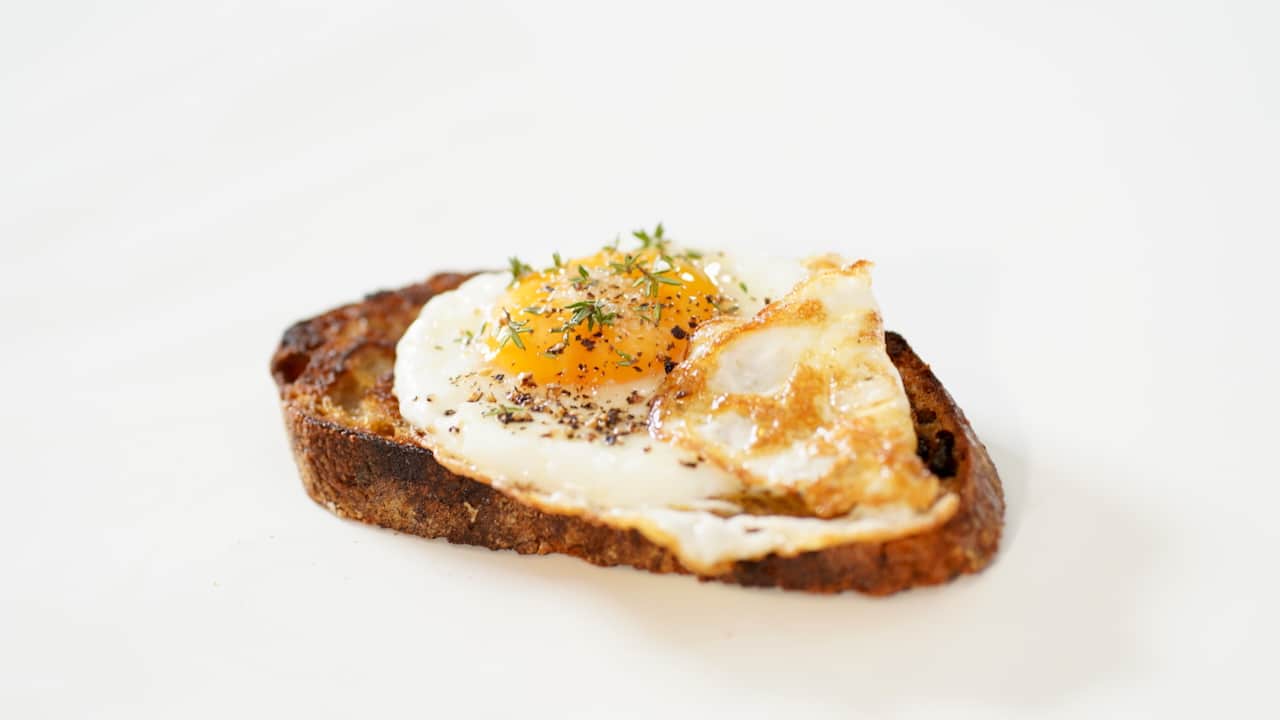
- Toasted slices of sourdough morel-garlic bread.
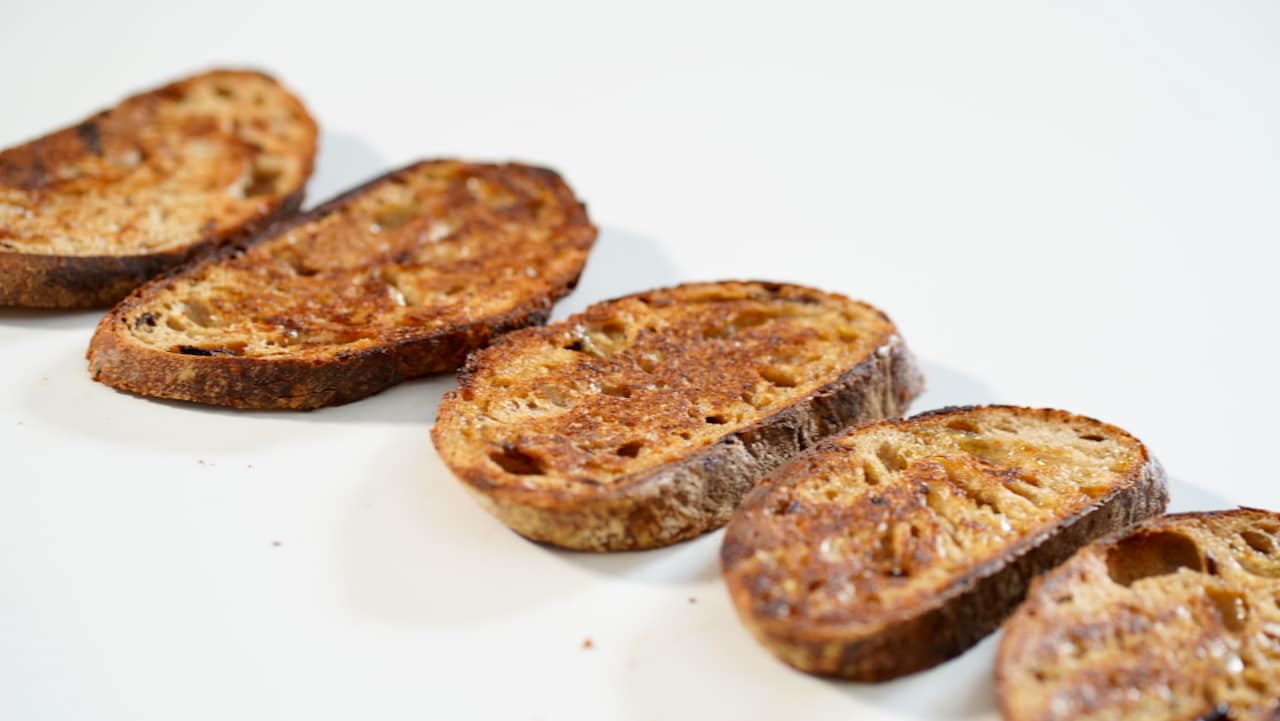
- Perfect accompaniment to eggs, risotto, roasted veggies, salads, pâté, poultry, red meat and fish.


This content is part of the PREMIUM SECTION

This recipe requires a All-content access subscription. The Premium section includes more than 50 essential recipes from French pastry and a special section for mastering artisanal bread.
The Premium section is only accessible with "A year at the table" subscription. Discover it with special first year discount.


