
Please note that the full access to this content needs a "Year at the table" subscription: please sign up.
French Butter Cookies
This recipe is a protected and only available for paid members. To obtain the full step by step recipe and detailed ingredients list, please sign up.
Preview the recipe

Sablé Breton Dough
- In a food processor, pulse the almond meal and powdered sugar until finely ground. Transfer the mixture to a separate bowl.

- In the food processor, cream together the butter, salt, and vanilla.

- Add the almond-sugar mixture and pulse a few times to combine.

- Gradually add the egg yolks, pulsing between additions.

- Sift the flour and baking powder together, then add to the mixture and pulse just until combined—do not overmix.

- Turn the dough out onto a silicone baking mat. Top with a sheet of parchment paper and roll out to an even ¼ inch (6 mm) thickness. Freeze until firm, about 20 minutes.


Sablé Breton Cookies
- Cut the chilled dough into desired shapes and arrange on a parchment-lined baking sheet. Gather the scraps, re-roll, and cut more cookies from the remaining dough.


Egg Wash
- Mix all ingredients together. This egg wash mixture ensures a brillant sheen.

- Brush each chilled cookie with egg wash, and refrigerate for 15 minutes.

- Repeat and crosshatch marks with the tip of a paring knife; freeze pastry until ready to bake. At this point, sablé cookies can be kept frozen for up to 3 months.


Baking
- Preheat a fan oven to 390ºF/200ºC. Bake cookies for about 15-18 minutes. Let them cool to room temp before eating. Keep cookies in sealed containers for up to a week.


Sablé Breton for Cake or Yule Log Base
- Once mixed, refrigerate the sable dough for 3 hours to firm up. Flour the work surface and the dough. Work out the dough (350g) until it becomes supple and workable. If it cracks, work it a bit longer. The key here is to obtain a soft dough that is cool enough. If for any reason it has become too soft, freeze it for about 10 minutes.
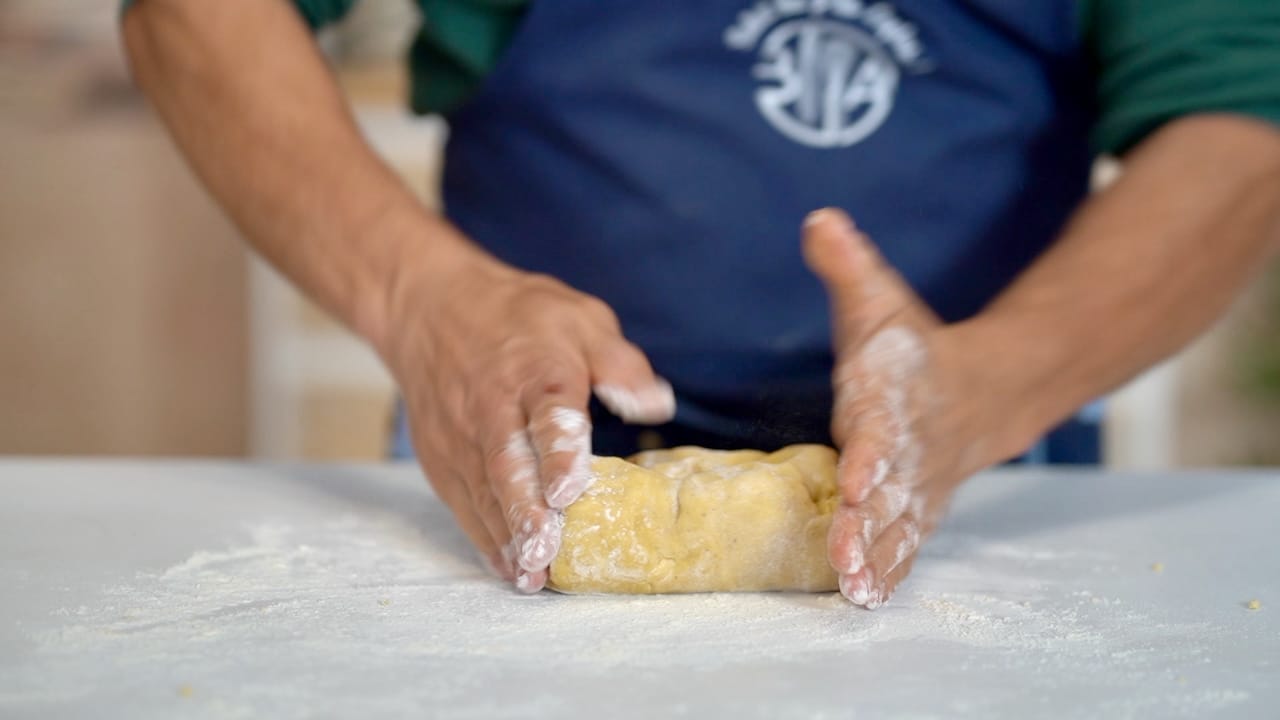
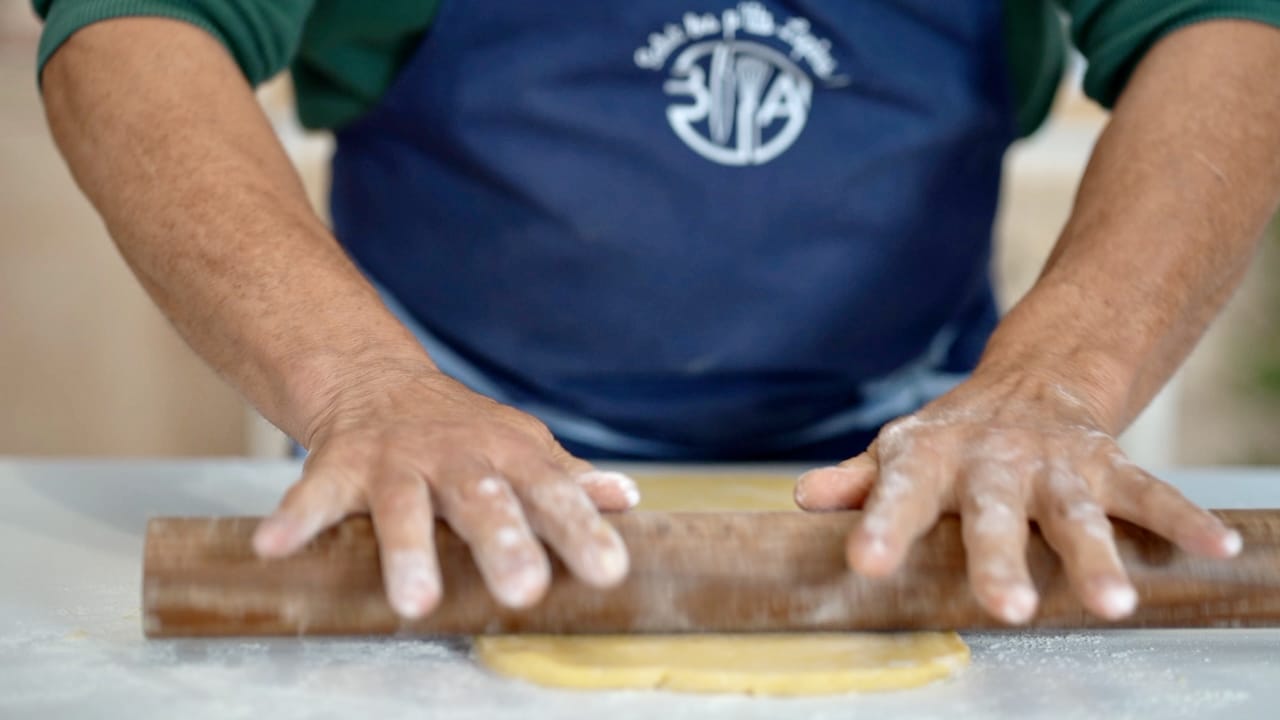
- Roll it out into an even 2.75-inch (0.7cm) thick rectangle. The size of the sheet should always be larger than the base of the cake, as it will be trimmed later.
- Transfer to a baking tray lined with parchment and prick the dough with a dough docker.
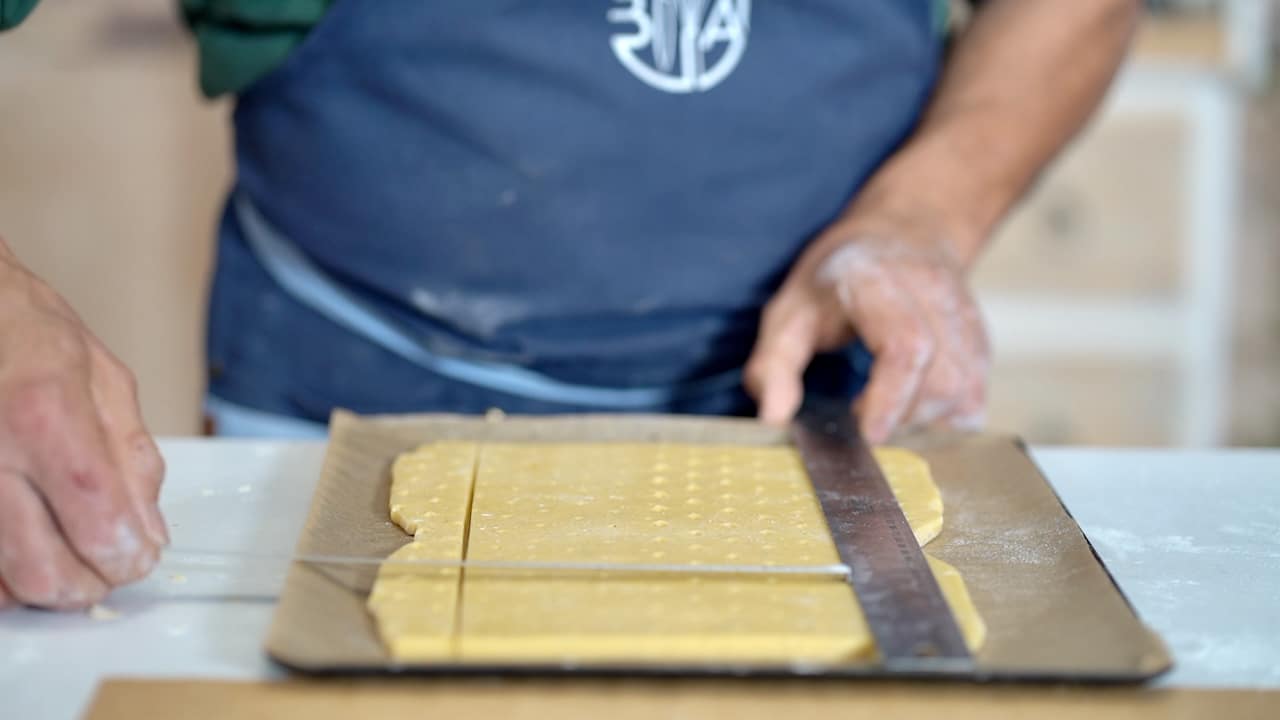
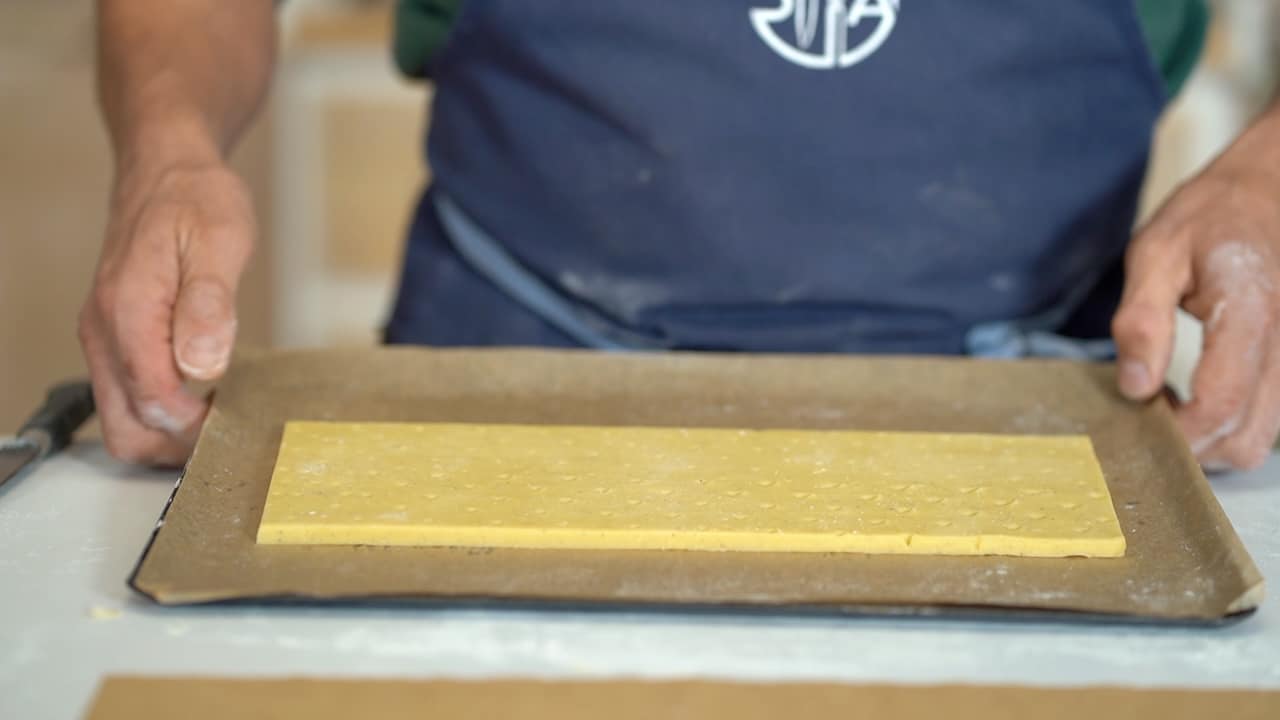
- Freeze for 15 minutes and readjust its size.


Baking
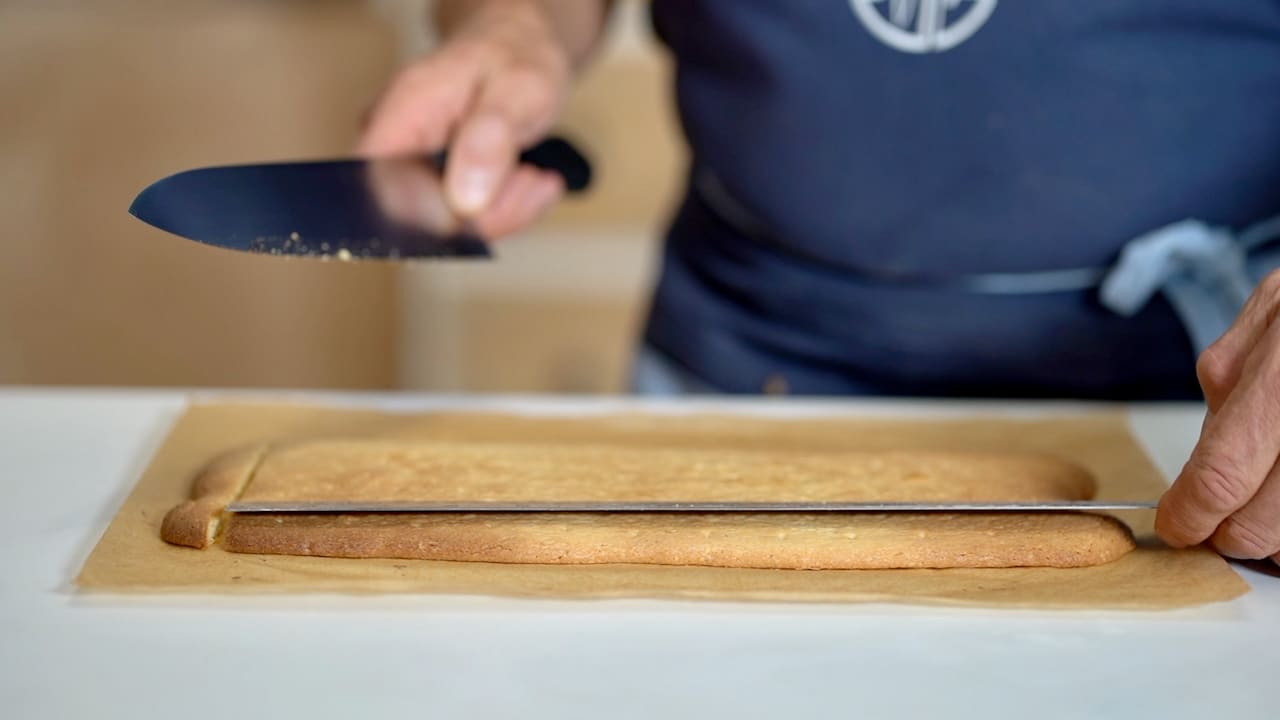
- Bake in a preheated 350ºF (180ºC) fan oven for 10 minutes. Then remove from the oven and cut the sablé dough into the desired size. For instance, for a yule log cake base that measures 11.8x3.94 inches (30x10cm), cut it to that exact measurement. Finish baking for 10 more minutes. Let cool and freeze the sablé breton cake base.
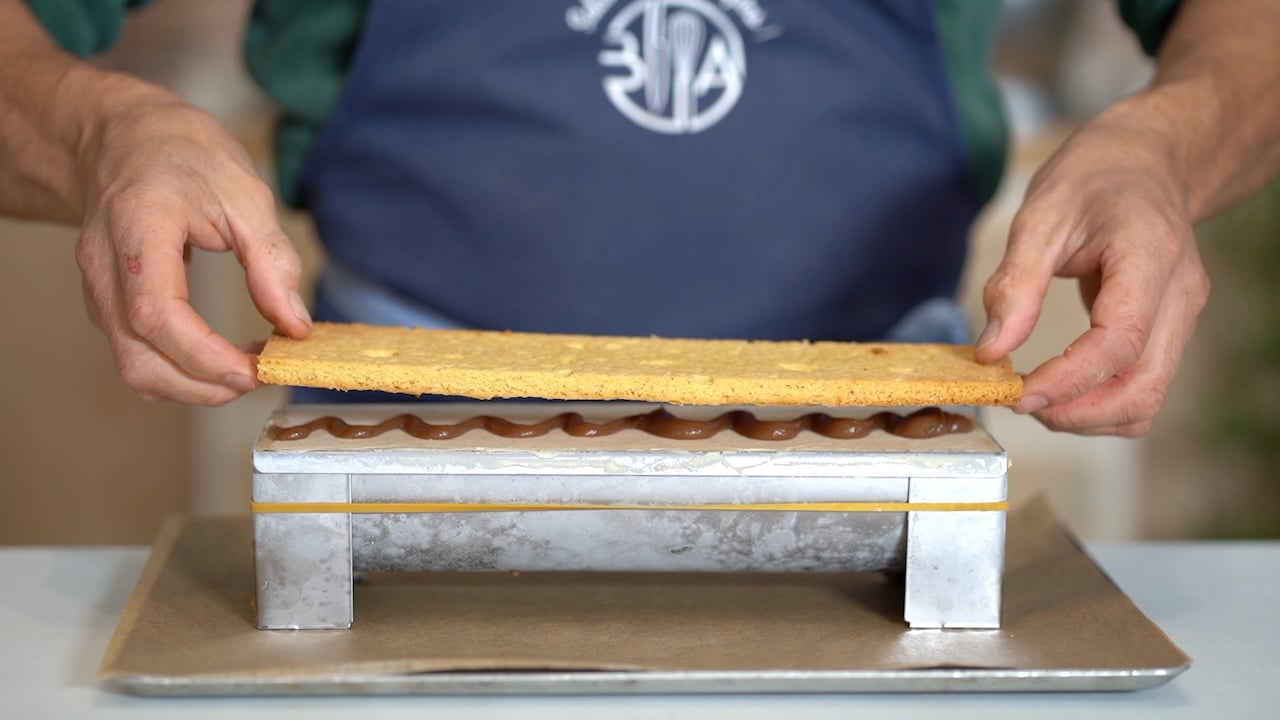
- Stick the frozen sablé breton to the cake base. Flip it and demold.
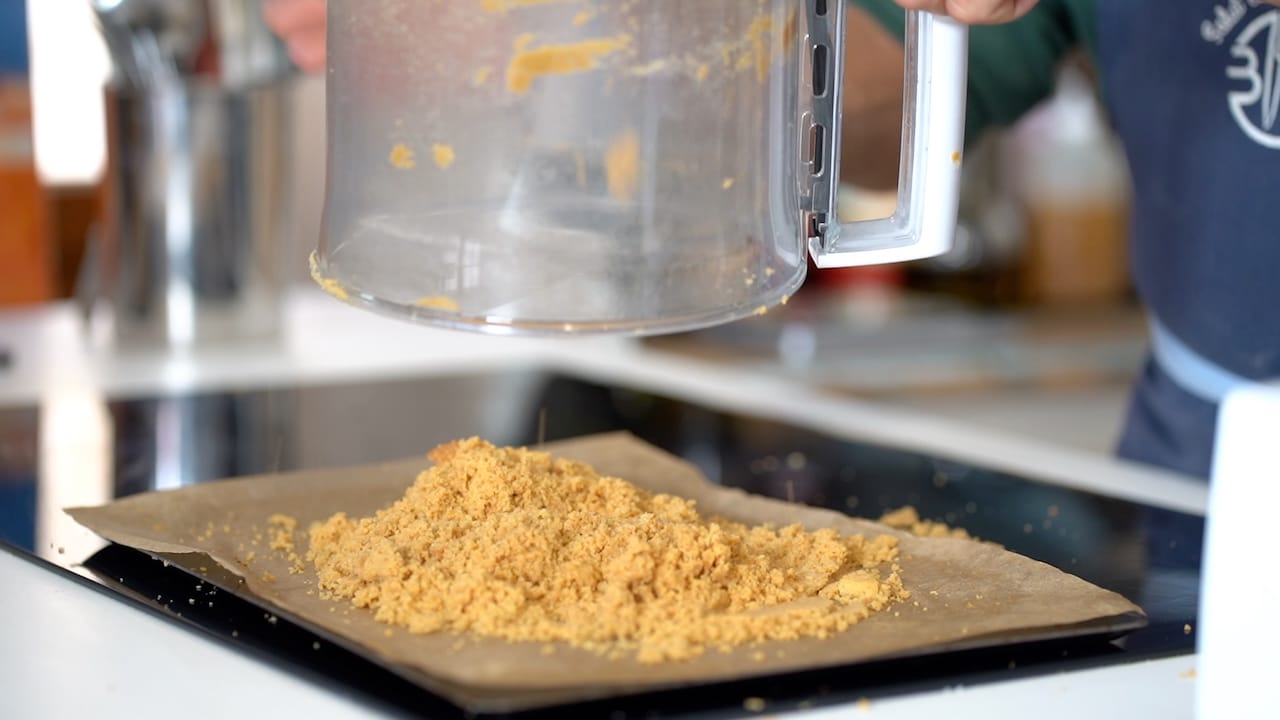
- Leftover sablé breton can be saved for treats or turned into crumbs for later use, such as a base for your cheesecake in place of graham crackers.


This content is part of the PREMIUM SECTION

This recipe requires a All-content access subscription. The Premium section includes more than 50 essential recipes from French pastry and a special section for mastering artisanal bread.
The Premium section is only accessible with "A year at the table" subscription. Discover it with special first year discount.