
Please note that the full access to this content needs a subscription: please sign up.
The six first class pizzas
This recipe is a protected and only available for paid members. To obtain the full step by step recipe and detailed ingredients list, please sign up.
Preview the recipe
Wood-Fired Oven
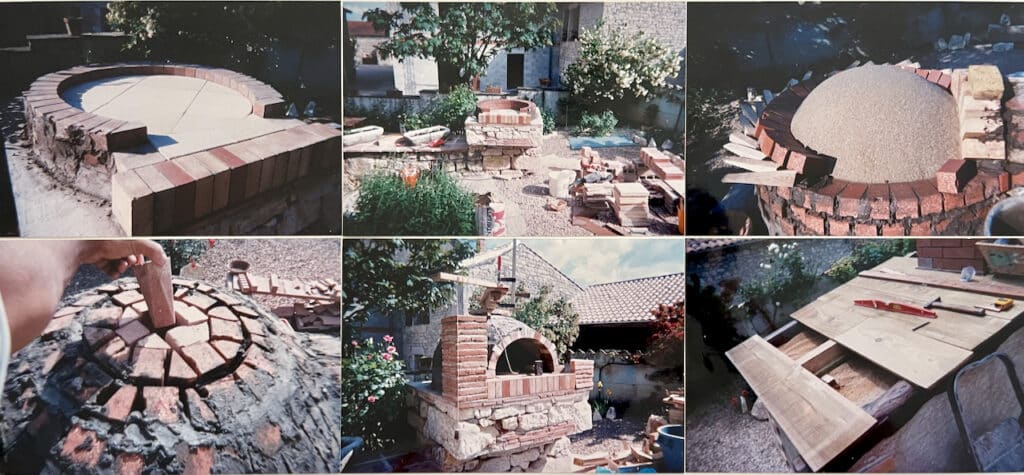
- Throughout the years, wood-fired ovens have gained in popularity. Indoor or outdoor wood-fired, gas or hybrid version pizza oven, or delivered into kits or firebricks built from scratch, a wood-fired oven makes your home cosy and inviting. In 1999, I took the chalenge and did build my firebricks oven. No need to be an expert in masonry, it's time consuming but doable. In this matter, there's quite a lot of information available for building wood fired ovens. Firebricks are the most popular type of brick. They are made from a combination of clay, sand, and water that is fired in a kiln to temperatures over 1000ºC/2000ºF.
- Same wood-burning oven that went through remodeling in 2024.
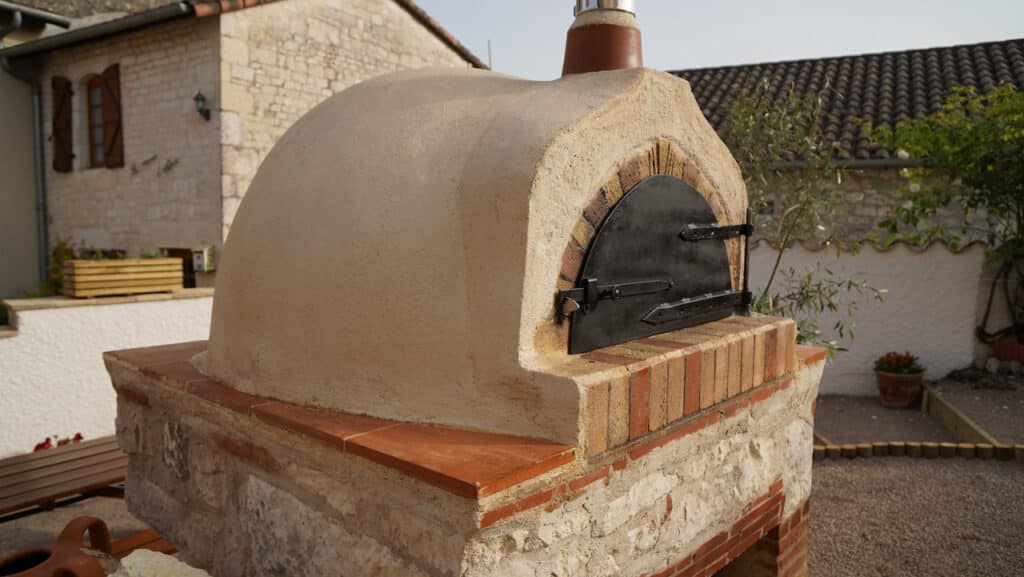
- A wood-burning oven bakes everything from bread and pizza to stewing, roasting, and grilling. If you plan to get a wood-burning oven, I would suggest to look up for an hybrid (gas and wood) pizza oven kit. You'll get the most out of your investment.
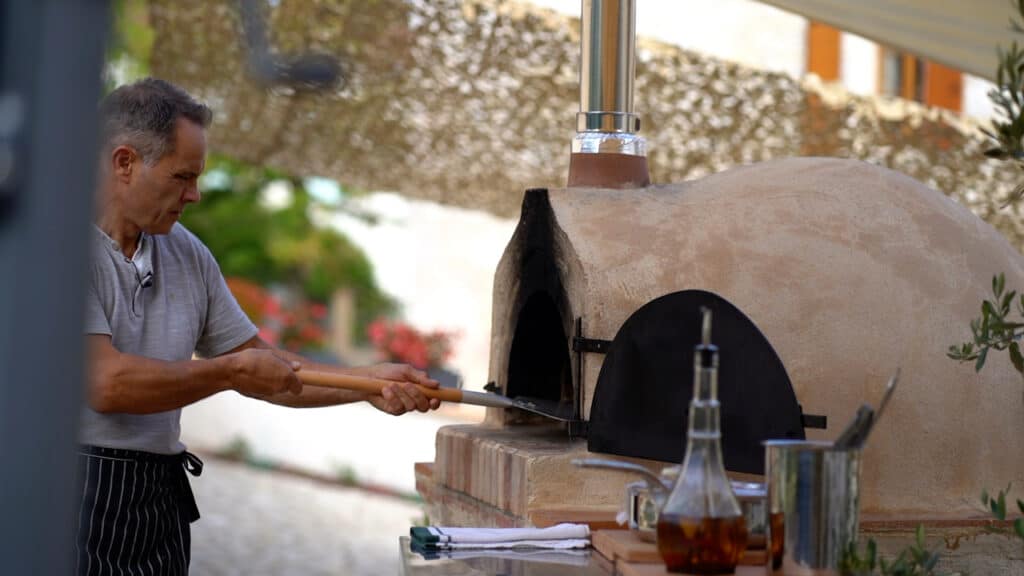


Par-Baking Your Pizza Dough
- Par-baking your pizza dough is an excellent way to save time, especially when planning for events. Partially baking the dough in a hot oven also helps create a better crust. When you're ready to serve, you just need to add your toppings and finish baking. Cut large rounds of parchment paper (slightly larger than the pizza). Flatten each pizza ball into a disk, just as you would for a fresh pizza. Place each unbaked dough disk on a parchment square and freeze them immediately until solid.
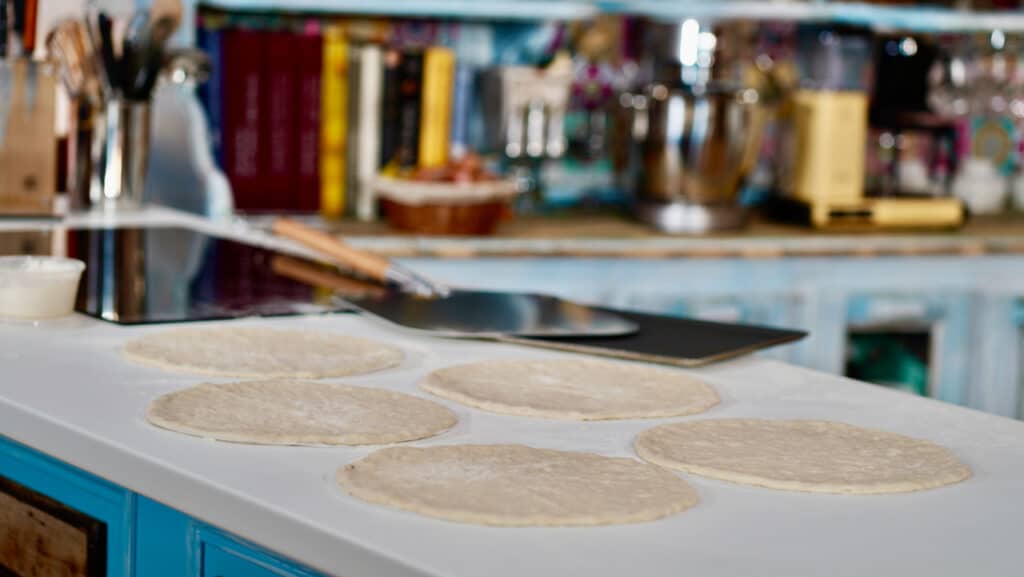
- Preheat your oven as you normally would. Bake each frozen dough disk for 5 minutes in a standard home oven, or 60 to 90 seconds in a wood-fired oven.Tip: You can add a thin layer of tomato sauce before this first bake to prevent the dough from puffing up too much.After pre-baking, let the pizza bases cool completely. Then, freeze them again until solid.
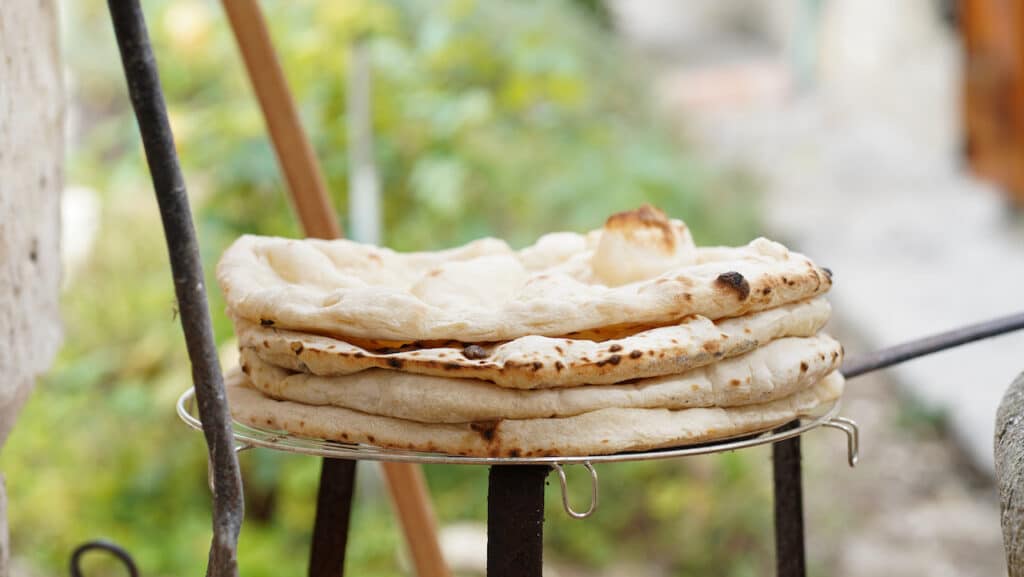
- Once hardened, place the pre-baked bases in large freezer bags. They can be stored for up to 4 months. When ready to eat, add your toppings directly to the frozen, pre-baked base. Finish cooking in a home oven for 6-8 minutes, or in a wood-fired oven for 2-4 minutes.


The Pizza Shrinking Issue
- There's nothing more frustrating than carefully stretching a beautiful pizza dough, only to have it stubbornly shrink back like a stubborn rubber band the moment you turn your head. This common problem isn't a mystery; it's a direct message from your dough about its state of mind. The culprit is almost always a lack of proper benching (resting time) and the mishandling of gluten development. The shrinking issue is a symptom of a rushed timeline. The high-gluten flour you correctly chose for its quality needs to be treated with the same respect as any bread dough. Skipping steps is not an option.The Premature Launch: When you force this tense, cold, and unrelaxed dough onto your peel and stretch it, you're fighting a losing battle. The moment you try to slide it onto the hot stone, the sudden heat causes the gluten to contract violently one last time, resulting in a misshapen, and shrunken pizza.To achieve a dough that stretches easily and holds its shape on the peel, you must follow the bread-making process through to the end. Have you heard of autolyse?..
What Flour To Use For Pizza
- Bread dough and pizza dough are identical in their ingredients - flour, water, salt, and a leavening agent. Selecting the right flour is the first step. In Italy, 00 flour is the gold standard for Neapolitan pizza. The fine flour is sturdy with high elasticity for kneading and delicate enough to prevent an overly tough or rubbery texture. In short, a ≈12% gluten flour that is good for the French baguette, works for pizza. In the US, the unbleached all-purpose and bread flour work fine. In France, the Francine pizza Typo 00 would be the one to select.
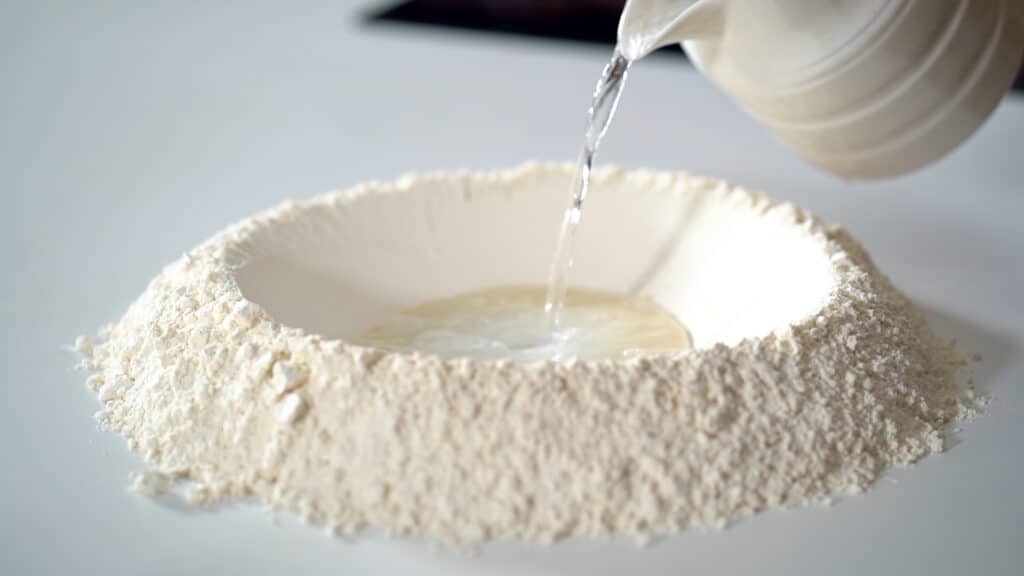

Pizza Dough Using Autolyse
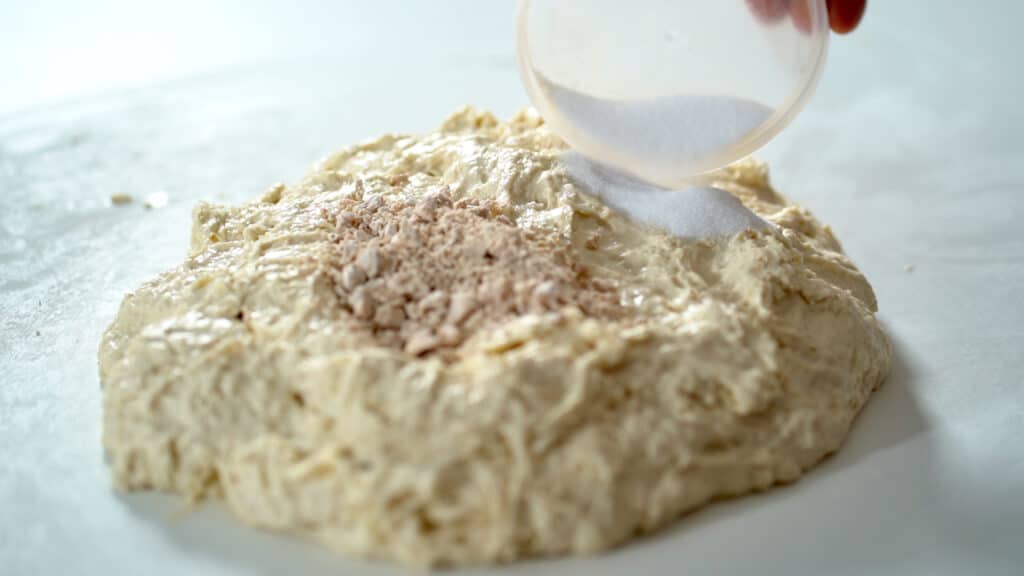
- Only fresh yeast or instant dry yeast can be used for this method. Autolyse refers to the stage when the flour and water have been mixed together until just combined, and then left to rest for at least 20 minutes, and up to 12 hours before dough is kneaded and yeast and salt are added. The autolyse method has been elaborated by Professeur Raymond Calvel in 1960. Adding water activates enzymes in the flour. The protease enzymes start to break down the proteins in the flour, and the amylase enzymes start converting the starches in the flour to sugars. The breakdown of the proteins makes the dough stretchier and more extensible (great for pizza!), and the conversion of starches to sugars makes the sugars easier for the yeast to feed on, which is important for the bulk fermentation process. You’ll likely notice that after the autolyse, the dough will smooth out considerably, and will have developed some strength and extensibility. Also, dough that has undergone an autolyse is more likely to have a better oven spring. The finished dough is left out for bulk fermentation for a couple of hours or best placed in the refrigerator overnight. Slowing fermentation down by using the fridge helps to give the dough time to develop more complex flavors. Follow the same procedure either by hand or with the help of a stand mixer fitted with the paddle attachment. I use the paddle attachment rather than the hook because it mixes faster without overheating the dough. For the autolyse: mix flour and water together until just combined. Cover dough and let rest for an hour or 2. Add fresh yeast and salt (not on top of each other), and knead dough for 15 minutes if doing it by hand. Never add more flour during kneading time; you will modify the recipe. As you go, the dough will get less and less sticky. If using a stand mixer, mix 6 minutes on medium speed. Cover dough and refrigerate overnight for the bulk fermentation to occur.

How To Stretch A Pizza
- Transfer dough onto a floured work surface without deflating it. Divide dough into five 8 ounces/250g portions, and shape into balls. The reason we are folding the dough is to strengthen the protein threads inside the dough. Remember when you are handling the pizza dough to be gentle. At this juncture, the dough can be refrigerated for later use. Lay dough in a large and oiled shallow dish, cover and refrigerate for up to 24 hours. Or, cover dough balls and let rest 15 minutes at room temperature to relax. Flour countertop and dough, press your pizza with your fingertips before you stretch it leaving a little border all around. Take care of 2 pizzas at the time. Press the dough out from the center, widening that flat disc into a large 11-inch/28cm circle. The dough should be soft and pliable and shouldn’t shrink back when you press it. If so, allow to rest for a little longer.


Roasted Garlic
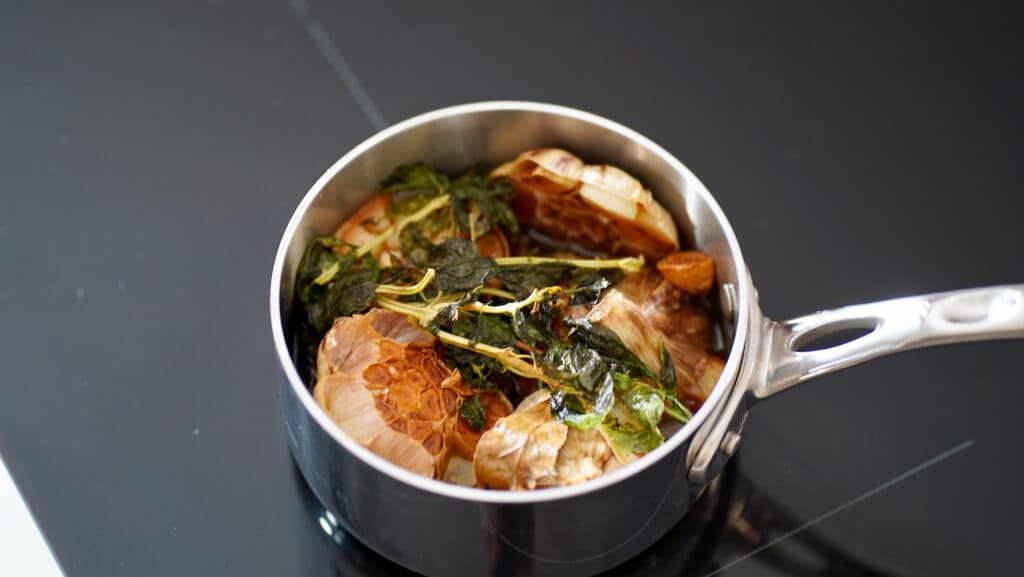
- Place 2 halved garlic heads in a saucepan. Add fresh thyme, bay leave and basil stems. Cover with olive oil and cook for 30 minutes on low heat until golden brown. Remove from the stovetop and let cool roasted garlic in the saucepan.

Pizza Sauce
- Make more sauce than you need. Pizza sauce can be made in advance and keep refrigerated for a few days. It can also be frozen for later use. Pass peeled tomatoes through a food mill or gently blend with an immersion blender. Do not over mix. Flavor the sauce with some of the roasted garlic and oil. Add Parmigiano, herbs such as oregano (dried or fresh), and season with salt and pepper to taste. Pizza that calls for tomato sauce, don't need to be soaked in. For exemple, a 11-inch/28cm pizza needs 80g/≈5 tablespoons tomato sauce.
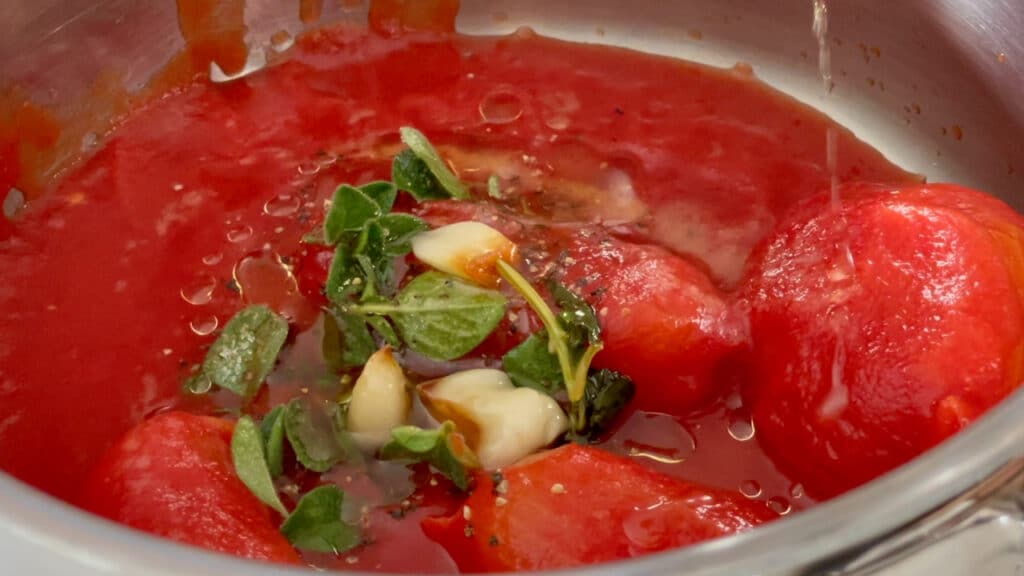

Semi-Confit Tomatoes
- Confit tomatoes can be kept for awhile in the refrigerator. Wash tomatoes and cut into wedges and arrange on trays. Season with salt, pepper, sugar, herbs, crushed garlic and olive oil. Cook tomatoes at 250ºF/120ºC for about 3 hours. Peel confit tomatoes if desired.


Pesto
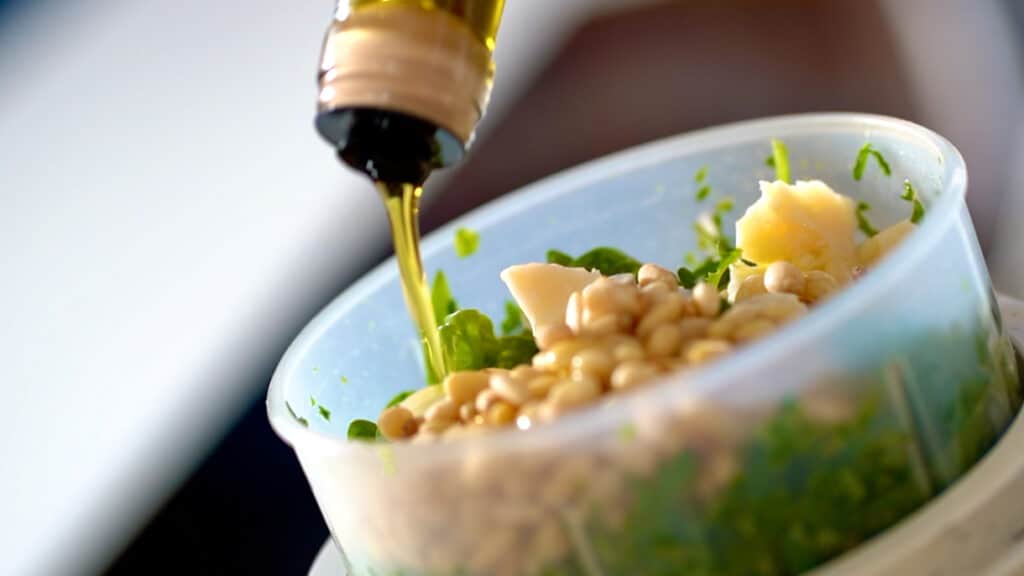
- Pesto can be made with different nuts than pine nuts. Arugula or spinach can be added to the basil for pesto. In a food processor, blend basil first and add half of the olive oil and add remaining ingredients. Add more olive oil until desired consistency is reached. Season to taste. Keep pesto refrigerated for up to 2 weeks. Pesto freezes well too.

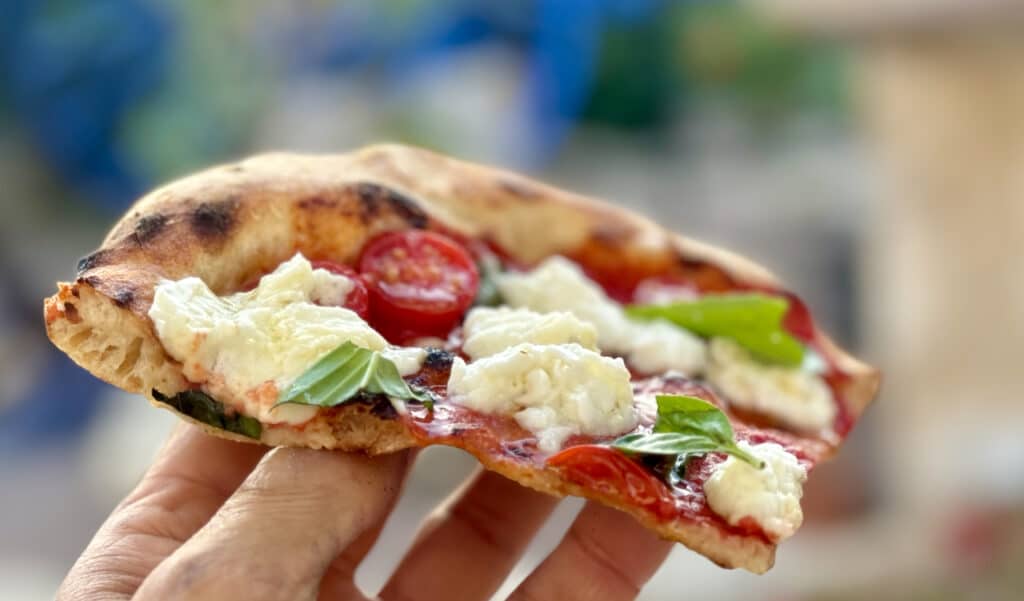
Pizza Margherita
- Drain mozzarella, and wrap in paper towels, and put under gentle press to remove all the remaining moisture. Not that wet mozzarella will render water during baking. Spread tomato sauce on par-baked pizza or dough, add a few basil leave here and there. Top with mozzarella and add some grated Parmigiano Regiano. Bake for 2 to 3 minutes in a wood-fired oven or 10 mins in domestic oven. Add a drizzle of spiced olive oil and fresh basil.


Pizza Pesto Semi-Confit Tomatoes
- Spread some pesto on the par-baked pizza or dough. Add semi-confit tomatoes and mozzarella di bufala. Bake for 2 to 3 minutes in a wood-fired oven or 10 to 15 minutes in domestic oven. Add fresh basil –Enjoy!


Pizza Pepperoni
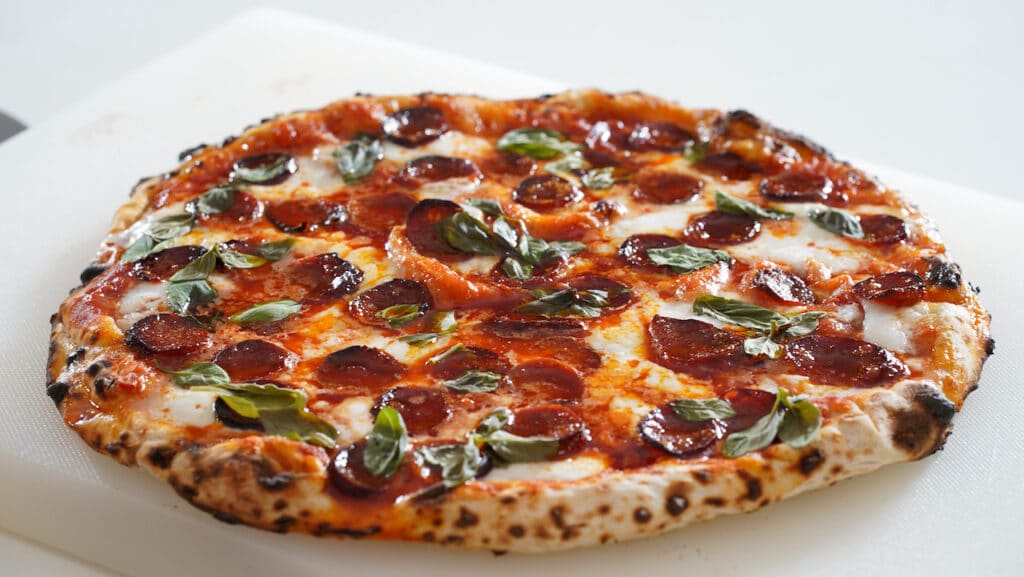
- Spread tomato sauce on par-baked pizza or dough, add some grated Parmigiano Regiano, mozzarella di bufala, pepperoni or spiced chorizo of your choice. Bake for 2 to 3 minutes in a wood-fired oven or 10 to 15 minutes in domestic oven. Add fresh basil –Enjoy!

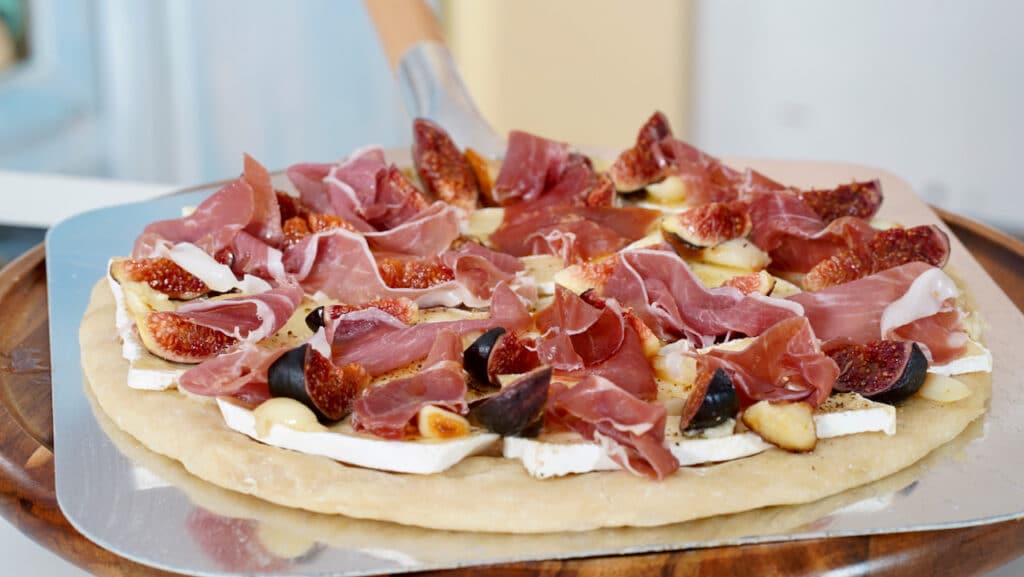
Pizza Camembert Roasted Garlic Fig Prosciutto
- Use super thin prosciutto slices (chiffonnade). Brush par-baked pizza or dough with the oil from the roasted garlic. Arrange camembert slices and season with pepper, add figs, roasted garlic cloves (just a few, save remaining garlic for later use). Add prosciutto*, honey and thyme. *Prosciutto can also be added after baking. Bake for 2 to 3 minutes in a wood-fired oven or 10 to 15 minutes in domestic oven. Add crushed walnuts – Enjoy!

Pizza Tartiflette
- Roasted bacon-onion mixture in wood-fired oven.
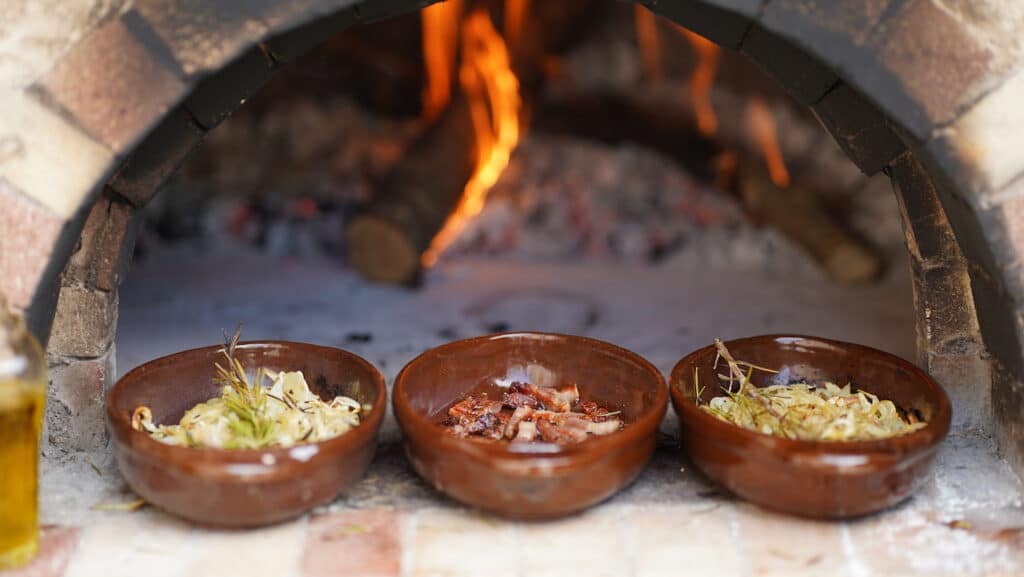
- Cook a few Yukon Gold potatoes and peel. Slice some smoked bacon and set aside. Meanwhile, peel and chop a couple of onions. In a frying pan, cook bacon with onions until golden brown – add thyme, a drizzle of oil during cooking if needed and season with salt and pepper. Place reblochon in the freezer an hour to ease slicing. Add a drizzle of heavy cream on the par-baked pizza or dough. Arrange reblochon slices, smoked bacon-onions mixture, and the cooked potatoes cut into wedges or slices. Add a dash of chopped thyme and grated Parmigiano Regiano. Bake for 2 to 3 minutes in a wood-fired oven or 10 to 15 minutes in domestic oven. Enjoy!



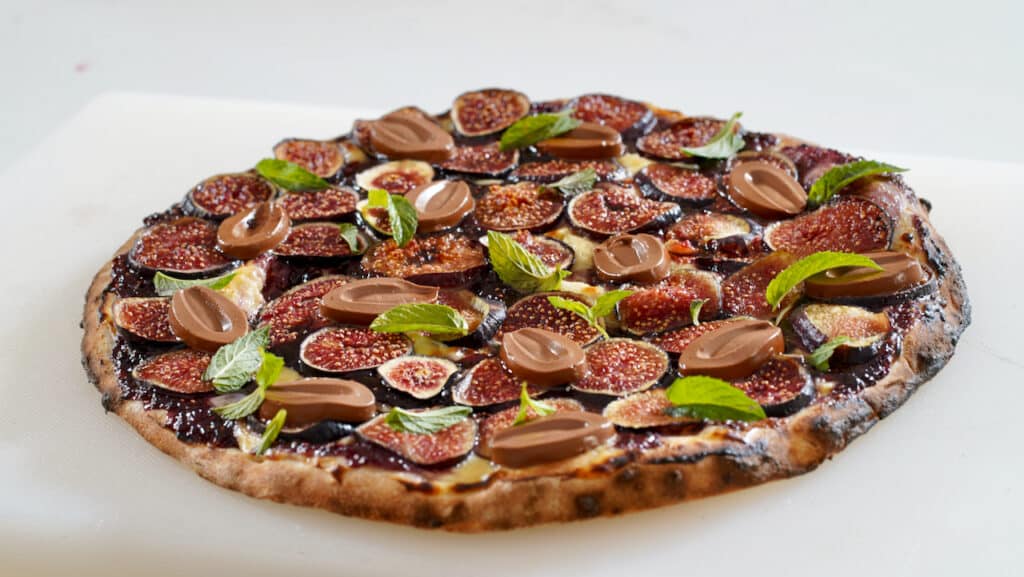
Pizza Custard Fig Chocolate
- Pastry cream can be subbed for ricotta cheese. Spread pastry cream, about a cup/250g on the par-baked pizza (use a pastry bag if not par-baked). Add the fig-blueberry marmalade and fresh figs. Bake for 2 to 3 minutes in a wood-fired oven or 10 to 15 minutes in domestic oven. Add some milk or dark chocolate and mint – Enjoy!


Ready to discover this recipe? You're only 1 step away.
This recipe is only accessible to registered members!
Create your account to access all recipes and content of my website.
Join us now and enjoy more 800 recipes (Mostly French with European Influences, American Classics and Asian fusion)
Already register? Sign in


Appetizers
Beetroot Red Cabbage Mango Salad

Free Recipes
How To Prepare Red Cabbage Raw


Free Recipes
Apple Pie Traybake

Cakes
Olive Oil Chocolate Cake

Desserts
Spicy Chocolate Bar

Entrees
Deboning A Poularde Leg
Free Recipes
Chanterelle

Bread
Panettone Perdu

Free Recipes
Mustard Fig Spread

Free Recipes
Poularde Demi-Glace
