
Please note that the full access to this content needs a subscription: please sign up.
A great alternative to the traditional panettone...
This recipe is a protected and only available for paid members. To obtain the full step by step recipe and detailed ingredients list, please sign up.
Preview the recipe
- Learn how to make the traditional Panettone Milanese with lievito madre.
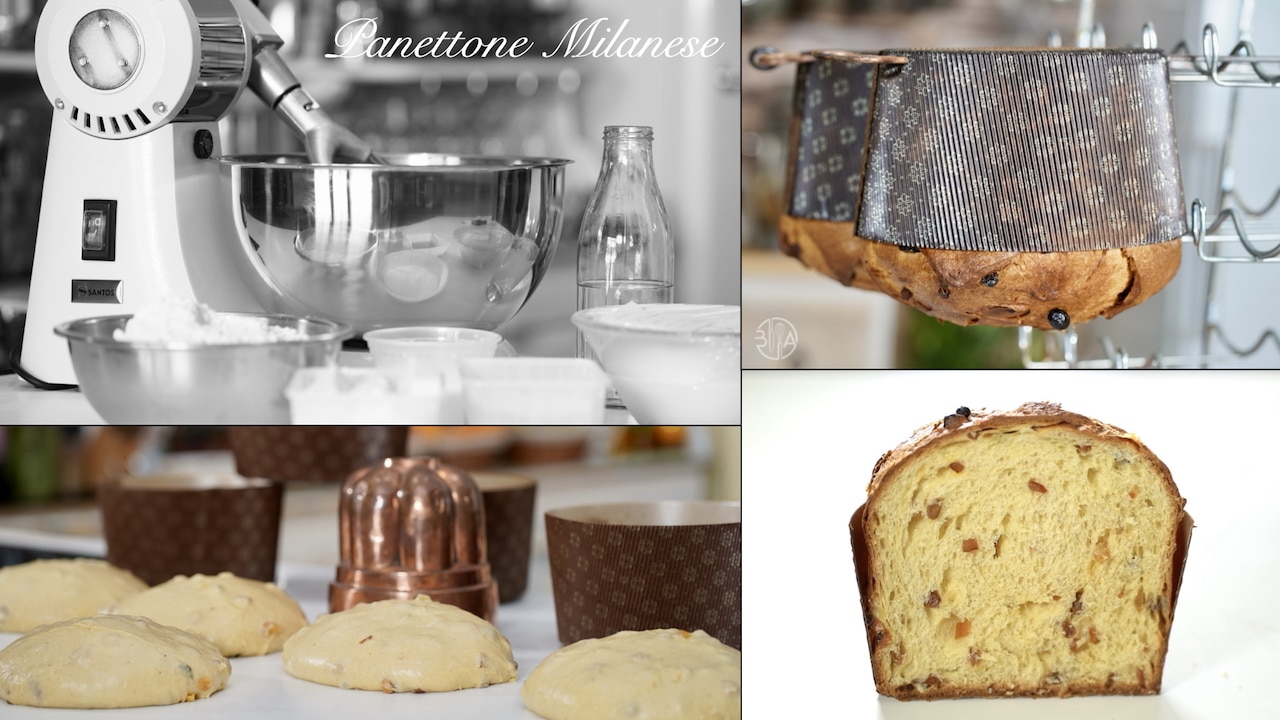

Mold For Panettone
- Traditional paper molds are specifically designed for panettone and are ideal for achieving the authentic, domed shape. Using paper molds also allows to hang panettone upside down after baking.


Candied Fruit Mixture
- Ideally, prepare the fruit mixture weeks or even months in advance. Always make more than you need, as it lasts virtually forever. The longer it macerates, the deeper and more complex the flavors become.To prepare it, place the raisins in a narrow, airtight container and pour in enough alcohol (or orange juice for a non-alcoholic option) to fully submerge them. Allow them to bloom at room temperature for about 24 hours. Then, add the remaining candied fruits and zests. Seal the container and refrigerate it until ready to use, stirring occasionally to ensure even maceration. The candied fruit mixture can be stored in the freezer for up to 2 years. Drain fruits before using them.
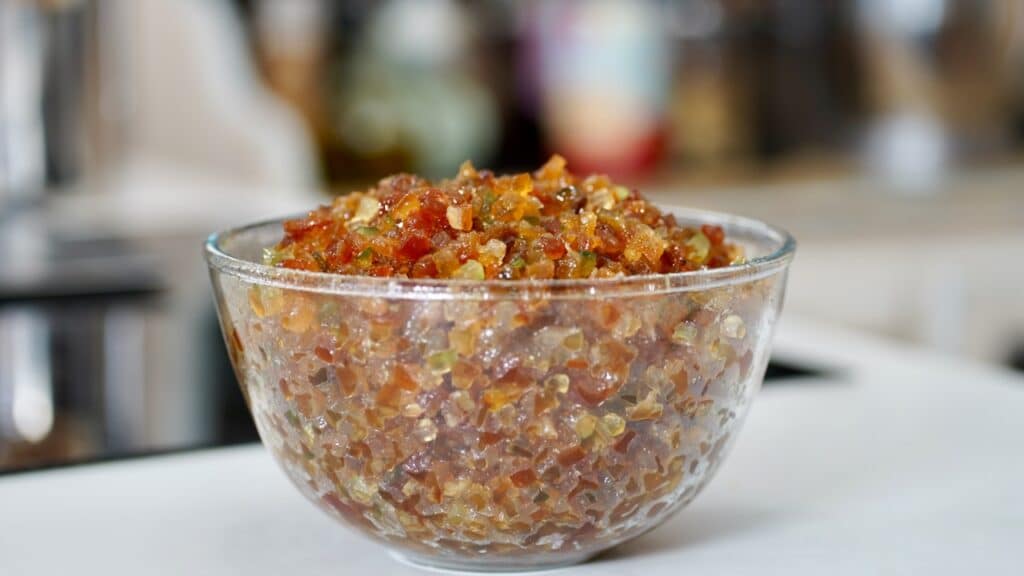
- Ingredients for the panettone.


Sourdough Starter
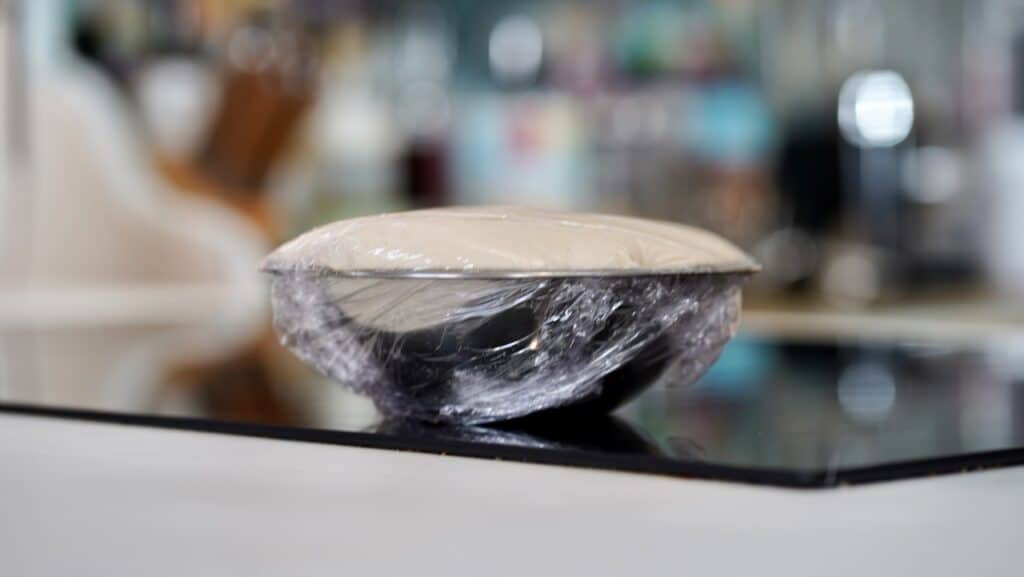
- In the bowl of a stand mixer fitted with the dough hook, combine the water, fresh yeast, flour, and salt. Mix on low speed for 3 minutes to incorporate the ingredients. Increase the speed to medium and continue mixing for 5 minutes, or until the dough is smooth and pulls cleanly away from the sides of the bowl.Lightly grease a separate container with oil. Transfer the dough to the container, cover it tightly with plastic wrap, and place it in the refrigerator to rest overnight. This slow, cold fermentation is essential for developing the dough's complex flavor and sturdy structure. About one hour before you plan to mix the dough, take your starter out of the refrigerator to let it come to room temperature.

Mixing The Main Dough
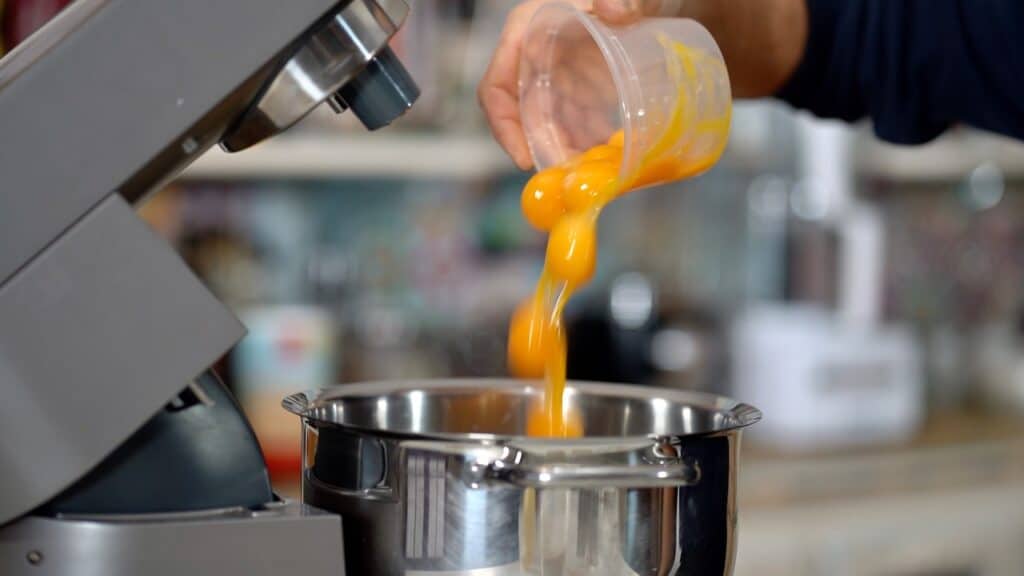
- In the bowl of a stand mixer, combine the milk, egg yolks, vanilla extract, sugar, and yeast. Fit the paddle attachment and mix on low speed to combine, about 30 seconds.
- At this juncture, you may want to fit your mixer with the dough hook attachment or keep on mixing with the paddle. You may Add the flour and salt and mix briefly on low for 1 minute to combine. With the mixer running, add the sourdough starter. Continue to mix on low speed for 5 minutes, allowing the dough to come together into a shaggy mass. Stop the mixer, scrape down the sides and bottom of the bowl with a dough scraper to incorporate any dry bits, and then continue mixing for a few more minutes until the dough is cohesive and smooth.

- Knead the dough on medium speed for 15 minutes. For an even, elastic texture, pause the mixer to scrape down the bowl and hook every 3 minutes; this also prevents the dough from overheating. Before moving on, check that the dough's temperature is at or below 75°F (24°C). This is essential for the butter to be properly incorporated in the next step. Increase the mixer speed to medium and knead for 15 minutes, scraping down the bowl and paddle every 3 minutes or so. This ensures the dough develops a smooth, elastic texture without overheating. Ensure the dough does not exceed 75ºF/24°C before the butter is added.


Adding Butter
- Gradually add the butter, chunk by chunk, while mixing on medium speed. Once incorporated, continue kneading for approximately 10 minutes. The dough is ready when it becomes smooth and elastic, cleans the sides of the bowl, and registers an internal temperature of 25-27°C (77-80°F). This signals that the gluten is well-developed and the butter is fully absorbed.
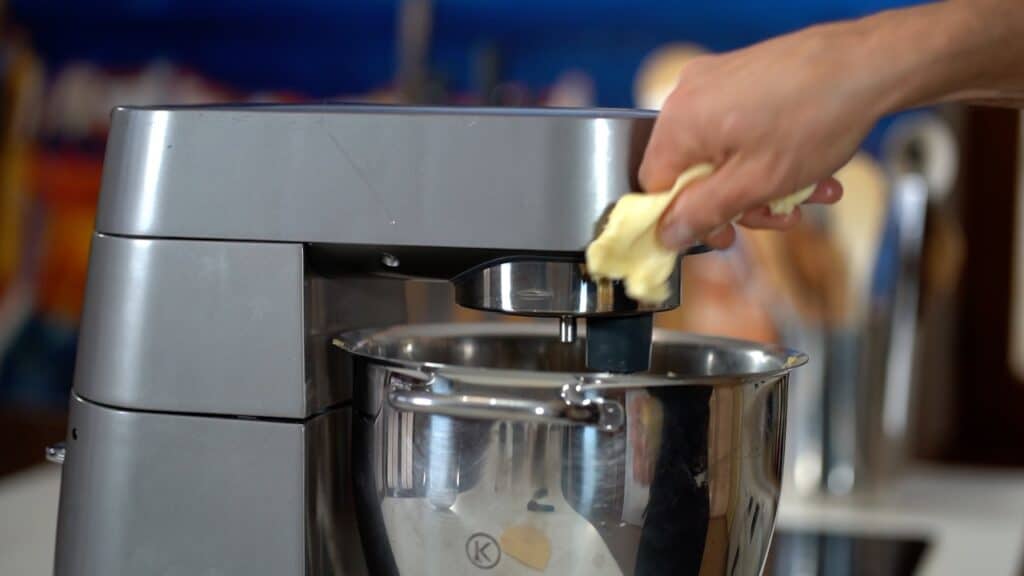

Adding Candied Fruits
- Switch to the dough hook and, with the mixer on low, gently incorporate the chilled candied fruits. Mix only until they are evenly dispersed to avoid breaking them down. The addition of cold fruit will lower the dough's temperature, which is desirable as it helps regulate the pace of the subsequent bulk fermentation. The target temperature to begin this first rise is 73-77°F (23-25°C).


Bulk Fermentation
- Cover the bowl with plastic wrap. Allow the dough to undergo its first rise (bulk fermentation) for approximately 3 hours, or until it has visibly doubled in volume.

- Without using extra flour, divide the dough into three 2 lb. (900g) portions. Gently degas each piece, shaping it into a tight round before placing it into a paper panettone mold. Cover the molds loosely with plastic wrap.
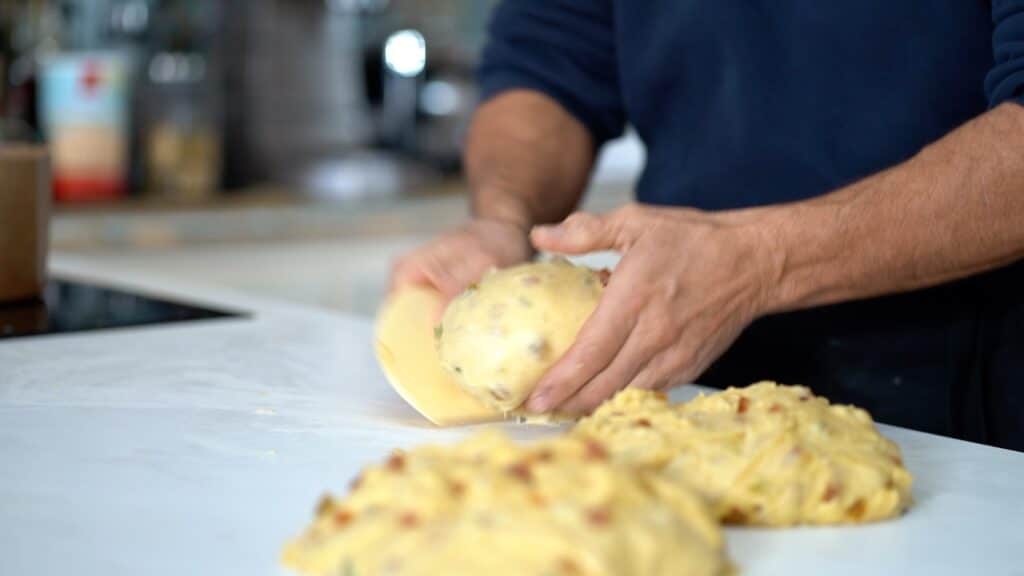


Proofing Panettone
- The ideal proofing temperature is around 80°F (26-28°C), which should take about 4 hours. Leave them out one more hour to form a crust on top. Lightly egg wash the dome for a golden finish or score with a razor blade.
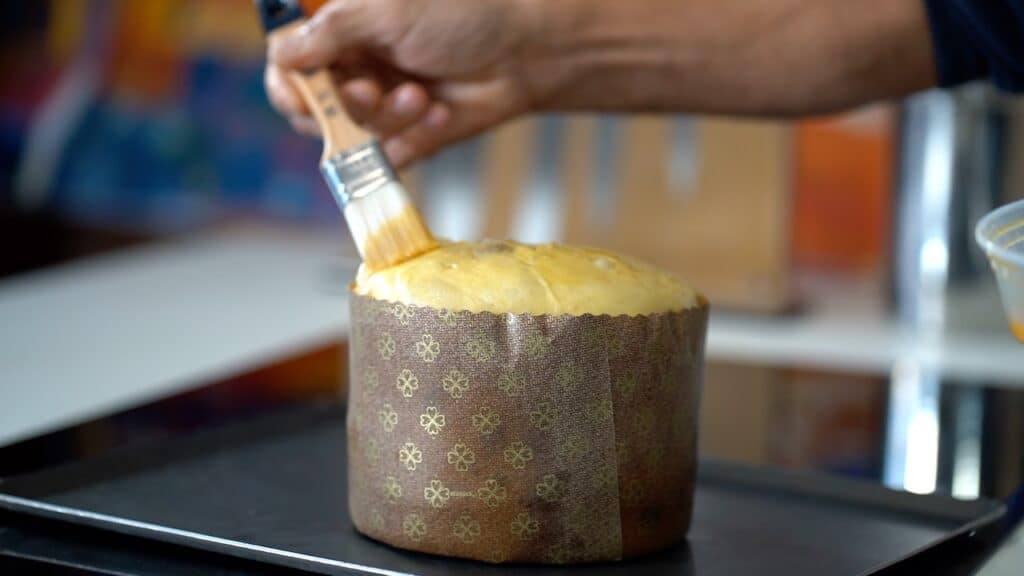

Baking
- Position the rack in the lower third of oven. Preheat fan oven to 350ºF/160ºC. Bake panettone for 55 minutes or until internal temperature reaches 201ºF/94ºC.


Hanging Panettone Upside Down After Baking
- To cool panettone by piercing each side at the base with a bamboo or metal skewer, ensuring it goes completely through the bread. Flip the panettone upside down and suspend it between two jars, sturdy pots, or other suitable supports.
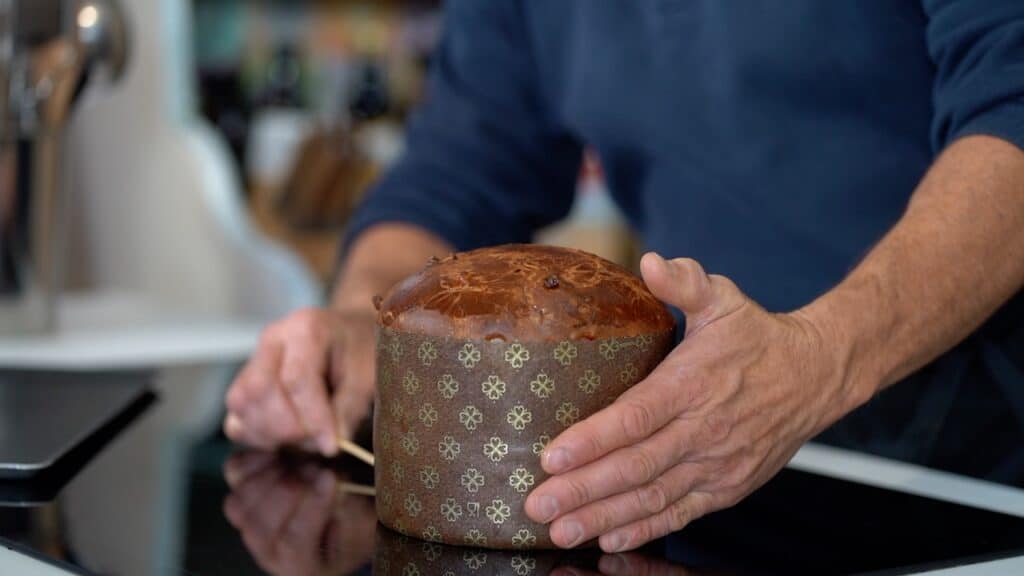
- Hanging it upside down for a few hours prevents the panettone from caving in on itself. Let panettone rest for 8 hours at room temperature before eating.


Storage
- To preserve your panettone's moisture and texture, store it by wrapping it tightly in plastic wrap or by placing it in an airtight container or its original box. Refrigeration is not recommended, as it can cause the bread to dry out and become stale more quickly. Leftovers panettone makes excellent French toasts, bread pudding and savory delights like Cheese Nougat.


Ready to discover this recipe? You're only 1 step away.
This recipe is only accessible to registered members!
Create your account to access all recipes and content of my website.
Join us now and enjoy more 800 recipes (Mostly French with European Influences, American Classics and Asian fusion)
Already register? Sign in


Appetizers
Beetroot Red Cabbage Mango Salad

Free Recipes
How To Prepare Red Cabbage Raw


Free Recipes
Apple Pie Traybake

Cakes
Olive Oil Chocolate Cake

Desserts
Spicy Chocolate Bar

Entrees
Deboning A Poularde Leg
Free Recipes
Chanterelle

Bread
Panettone Perdu

Free Recipes
Mustard Fig Spread

Free Recipes
Poularde Demi-Glace
