
Please note that the full access to this content needs a subscription: please sign up.
As it goes for most sauces making, it always begins with a robust foundation...
This recipe is a protected and only available for paid members. To obtain the full step by step recipe and detailed ingredients list, please sign up.
Preview the recipe
Roasting Bones
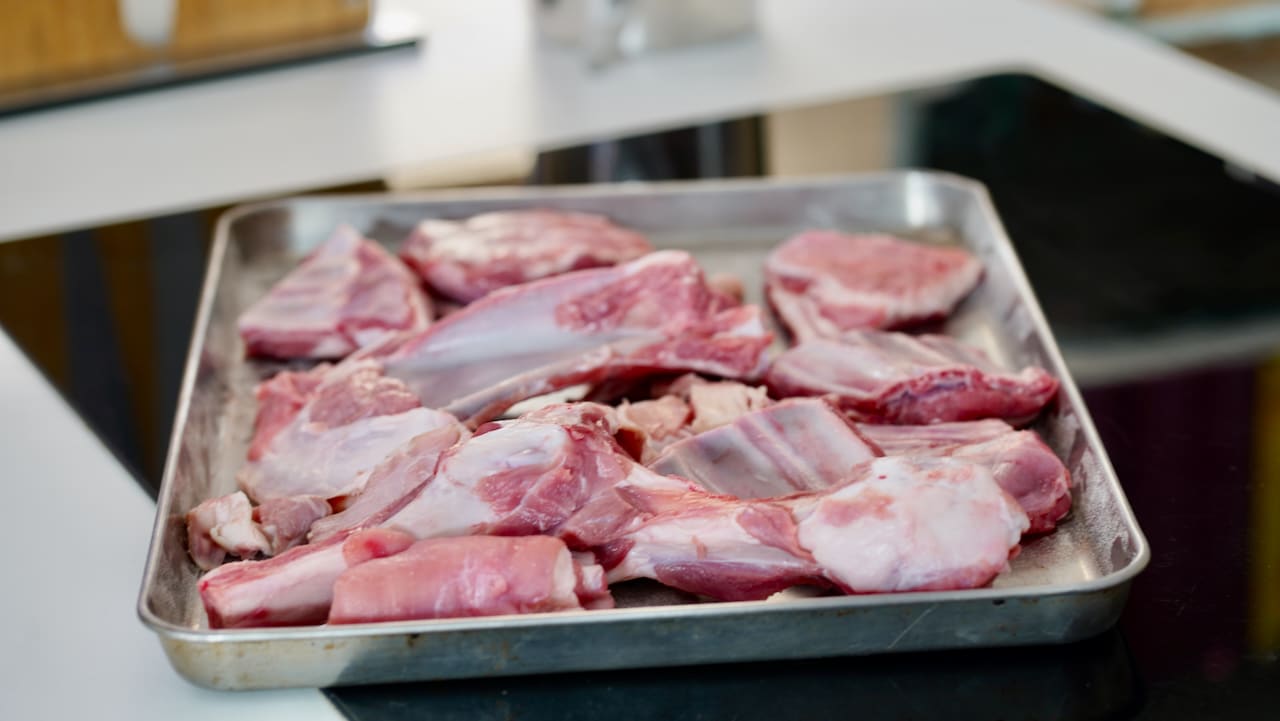
- In order to get a dark brown fond, it all begins with roasting the bones. Preheat a fan oven to 400ºF/200ºC. Spread the bones directly onto the pan (if some have meat left attached to them, that's fine). Roast the bones for 30 minutes. Then spread tomato paste over the bones and put them back in the oven for 10 more minutes, until the tomato paste begins to darken (if slightly burned it's fine).

Lamb Stock
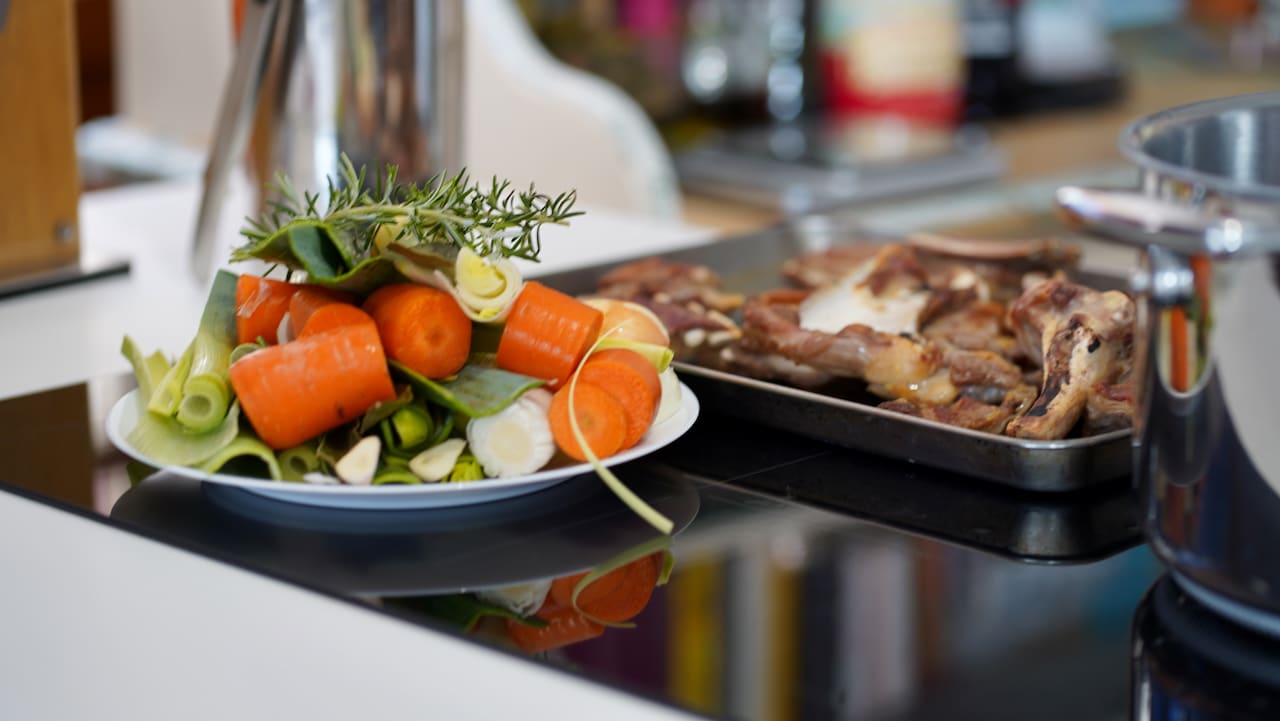
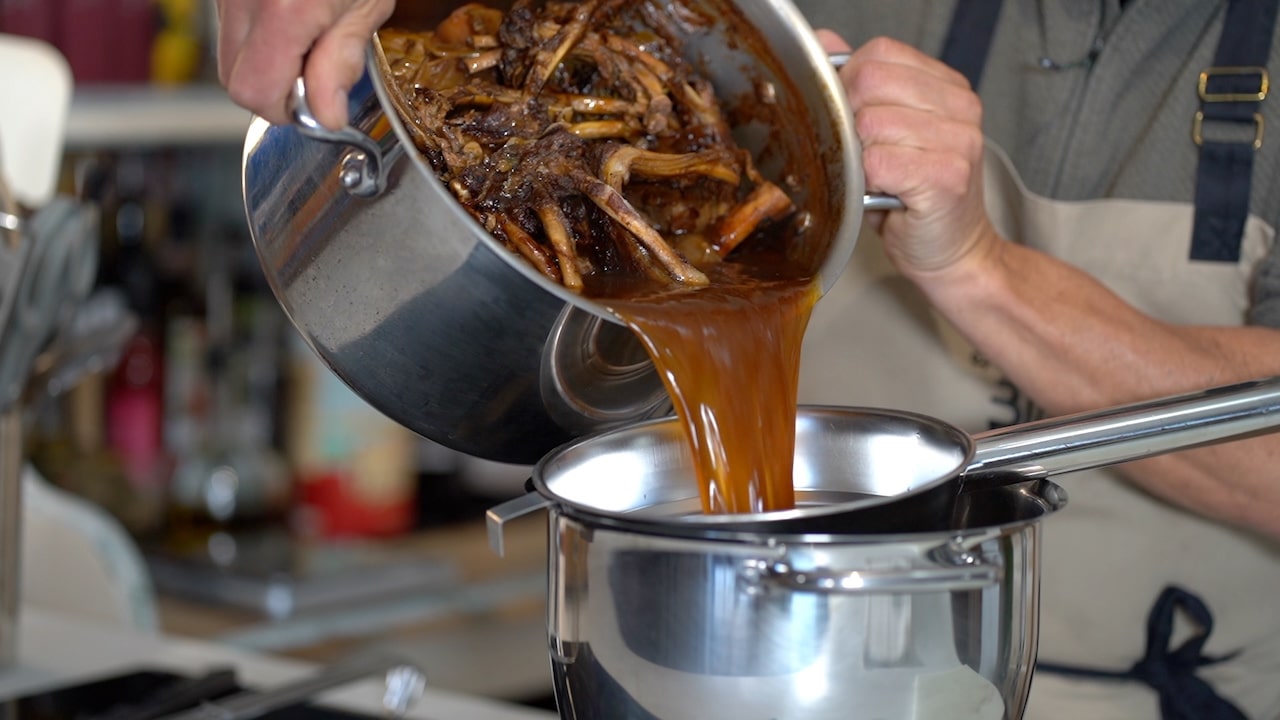
- Remove the roasted bones from the oven and deglaze with port. Let them stand at room temperature for 30 minutes or so. Transfer the bones to the stockpot, along with any scraped-up bits left behind. Add the herbs, peppercorns, onions, leek, carrots, garlic, and chicken or veal stock, and cover with water to the top. Bring to a boil, then let the stock simmer for 12 to 18 hours. If you plan to go to bed while your stock is cooking, make sure the bones are still covered with water. After about 12 hours of cooking, roughly half of the liquid should have evaporated.

Roux
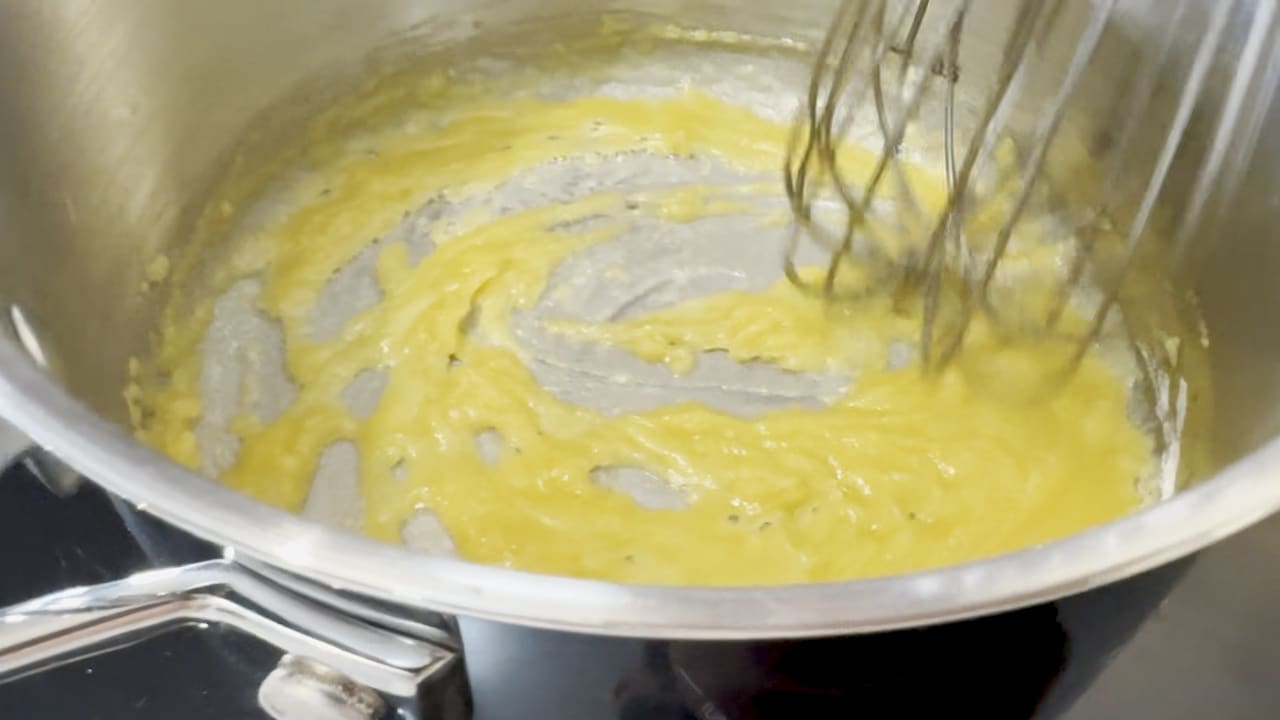
- Roux can be made in advance. Melt the fat over medium-low heat. Add the flour all at once, stirring constantly with a whisk. Cook for about 2 minutes until pale golden. The raw flour smell disappears. Set it aside.

Sauce
- Pass the stock through a chinois over a mixing bowl to get more room. Then retransfer the liquid back to a 3-liter/quart saucepan. You should have about 2 liters/quarts of liquid left.
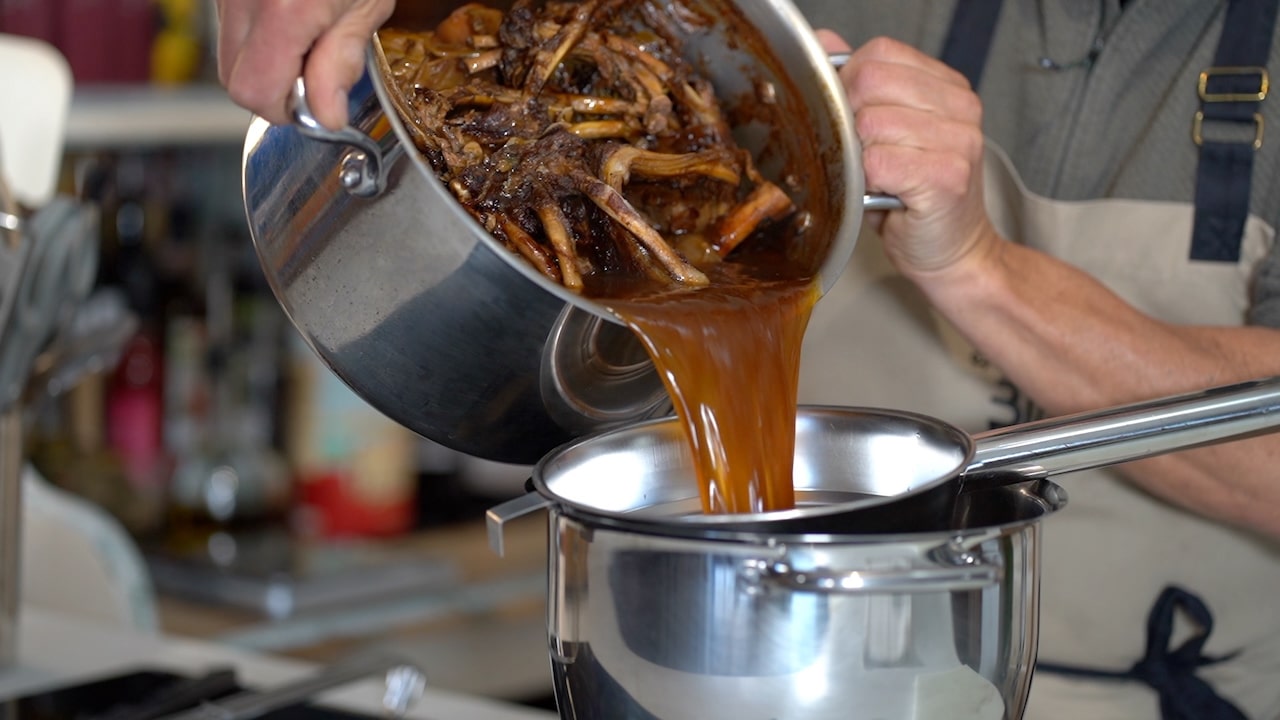
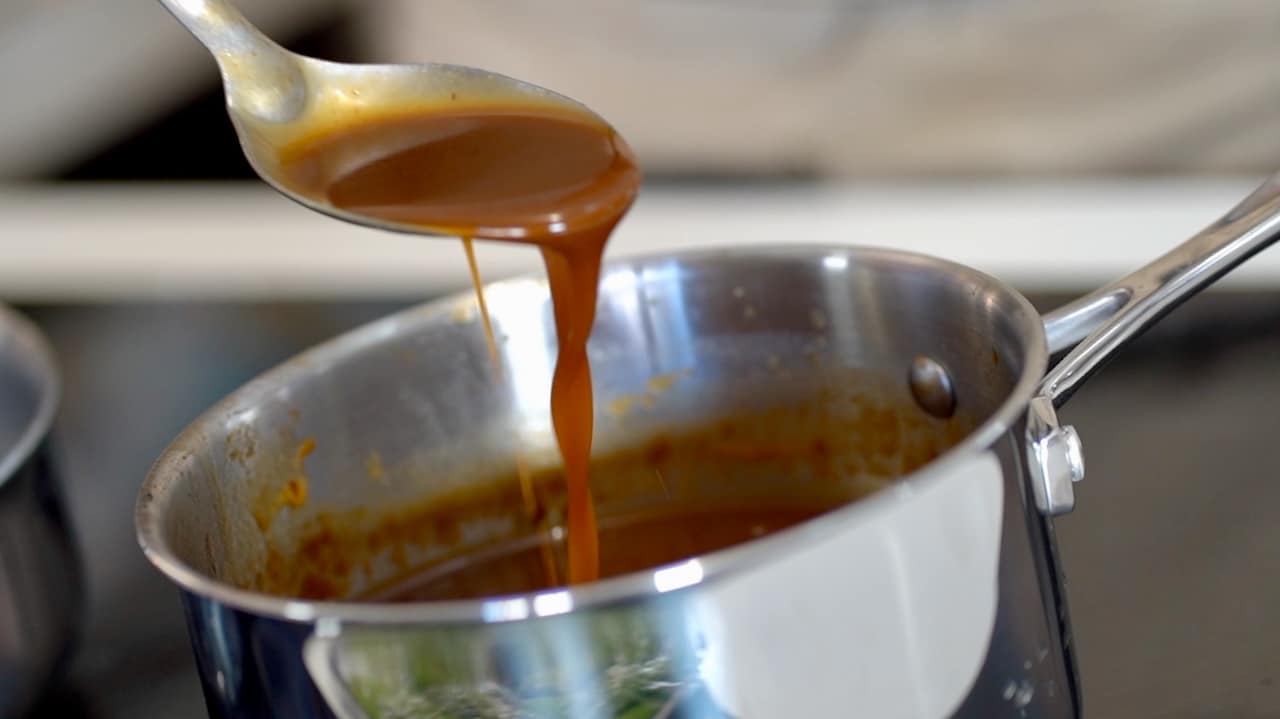
- Add the orange peel zest and continue to reduce by half over low heat. The more the fond is reduced, the more the flavors will concentrate—just like demi-glace or glace. The downside is that you will end up with less sauce. So a good compromise is reached when enough flavor is there. The roux will then texturize it without losing too much liquid. Whisk hot liquid into the room temp roux and simmer until thickened.
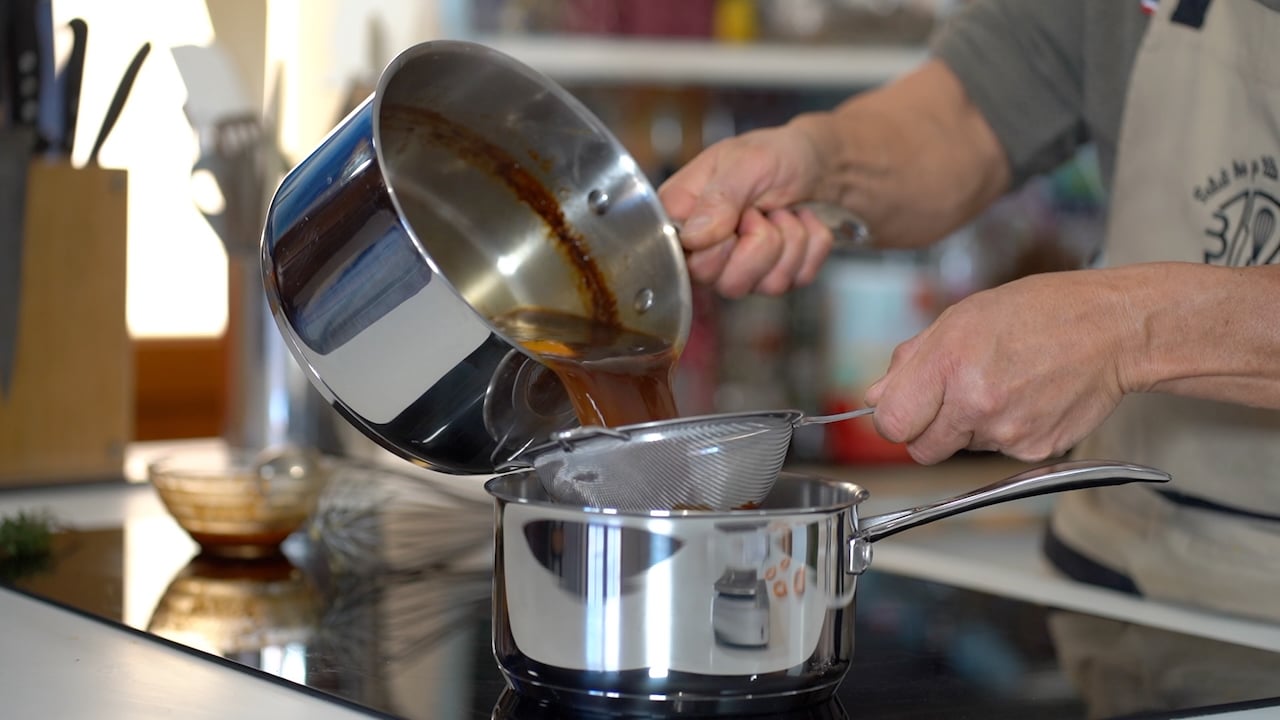
- Season lamb sauce to taste with ras el-hanout and salt.


Storage
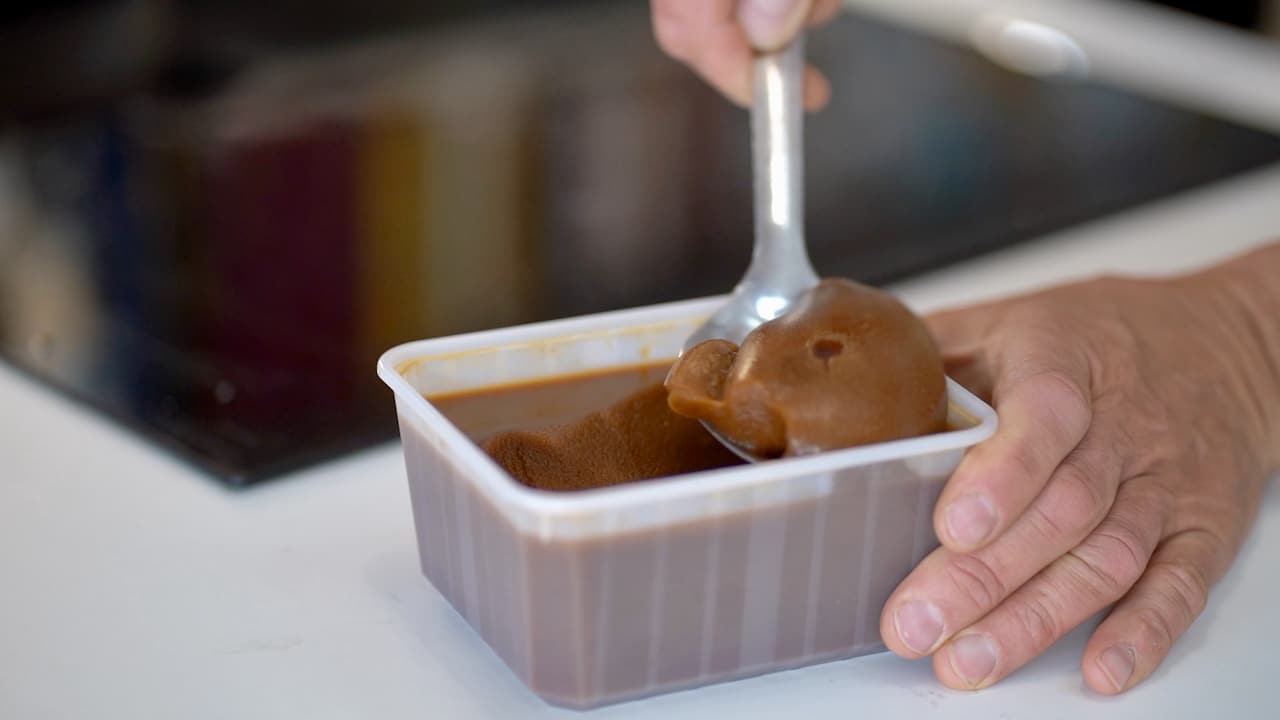
- Ready-to-use sauce can be made ahead of time and stored in deli containers. Label it and keep it refrigerated for up to 5 days, or freeze it for up to 6 months. A couple of days before using the sauce, let it thaw in the refrigerator. Slowly rewarm it on the stove. This lamb sauce is delicious mixed with 30 percent of tomato sauce; use it for ravioli, rice, potatoes, eggs etc..

Ready to discover this recipe? You're only 1 step away.
This recipe is only accessible to registered members!
Create your account to access all recipes and content of my website.
Join us now and enjoy more 800 recipes (Mostly French with European Influences, American Classics and Asian fusion)
Already register? Sign in


Appetizers
Green Asparagus Starter

Appetizers
Beetroot Red Cabbage Mango Salad

Free Recipes
How To Prepare Red Cabbage Raw


Free Recipes
Apple Pie Traybake

Cakes
Olive Oil Chocolate Cake

Desserts
Spicy Chocolate Bar

Entrees
Deboning A Poularde Leg
Free Recipes
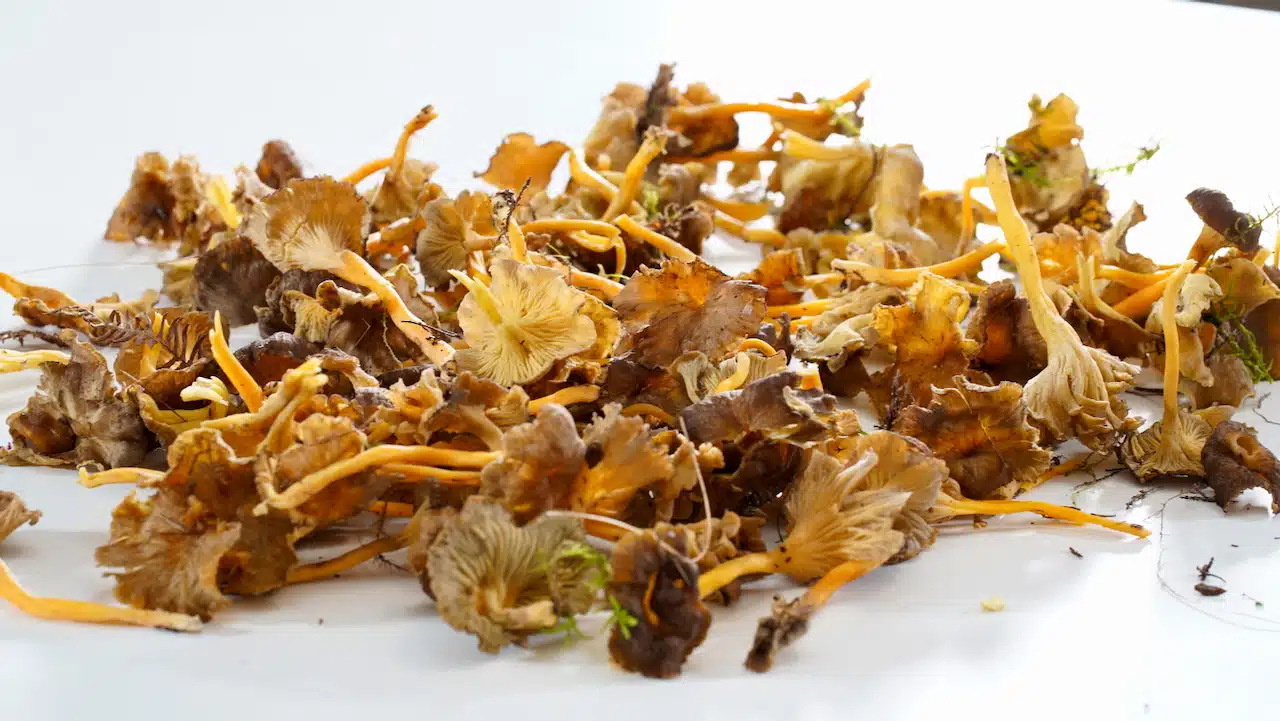
Chanterelle

Bread
Panettone Perdu

Free Recipes
Mustard Fig Spread
