
Please note that the full access to this content needs a "Year at the table" subscription: please sign up.
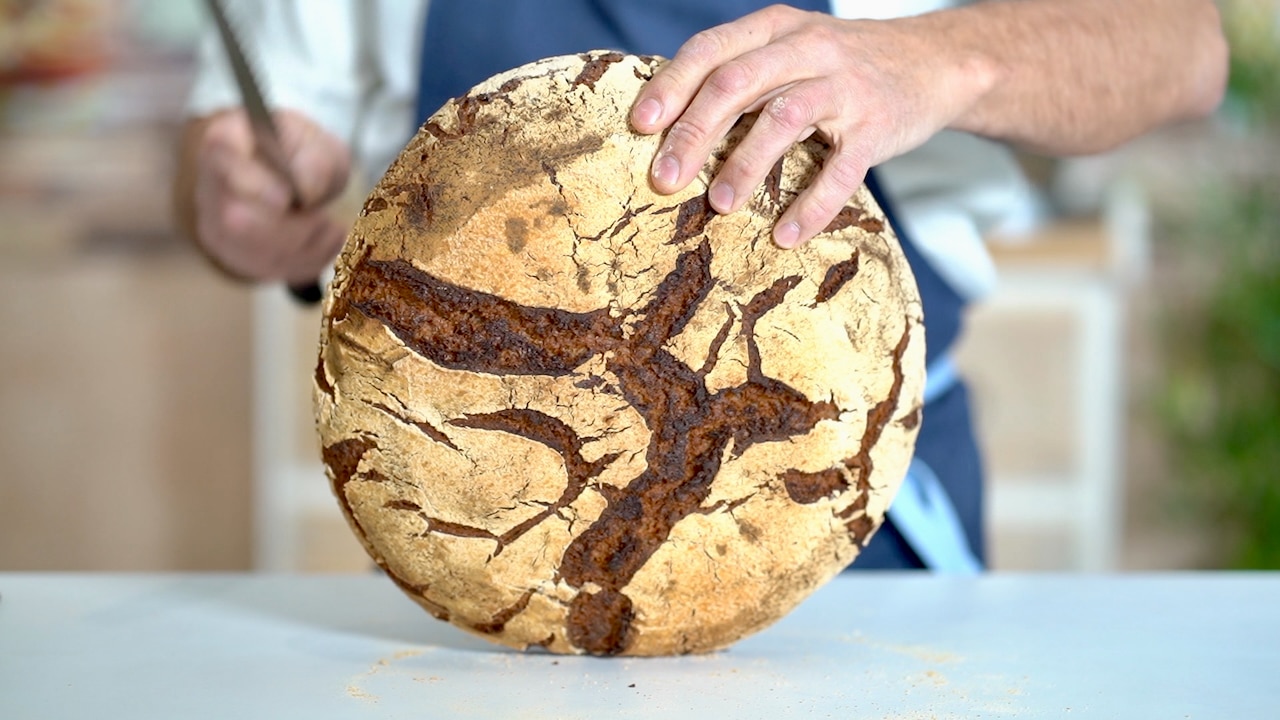
The ultimate dark rye sourdough. La Tourte de Seigle Auvergnate à l'Ancienne
This recipe is a protected and only available for paid members. To obtain the full step by step recipe and detailed ingredients list, please sign up.
Preview the recipe
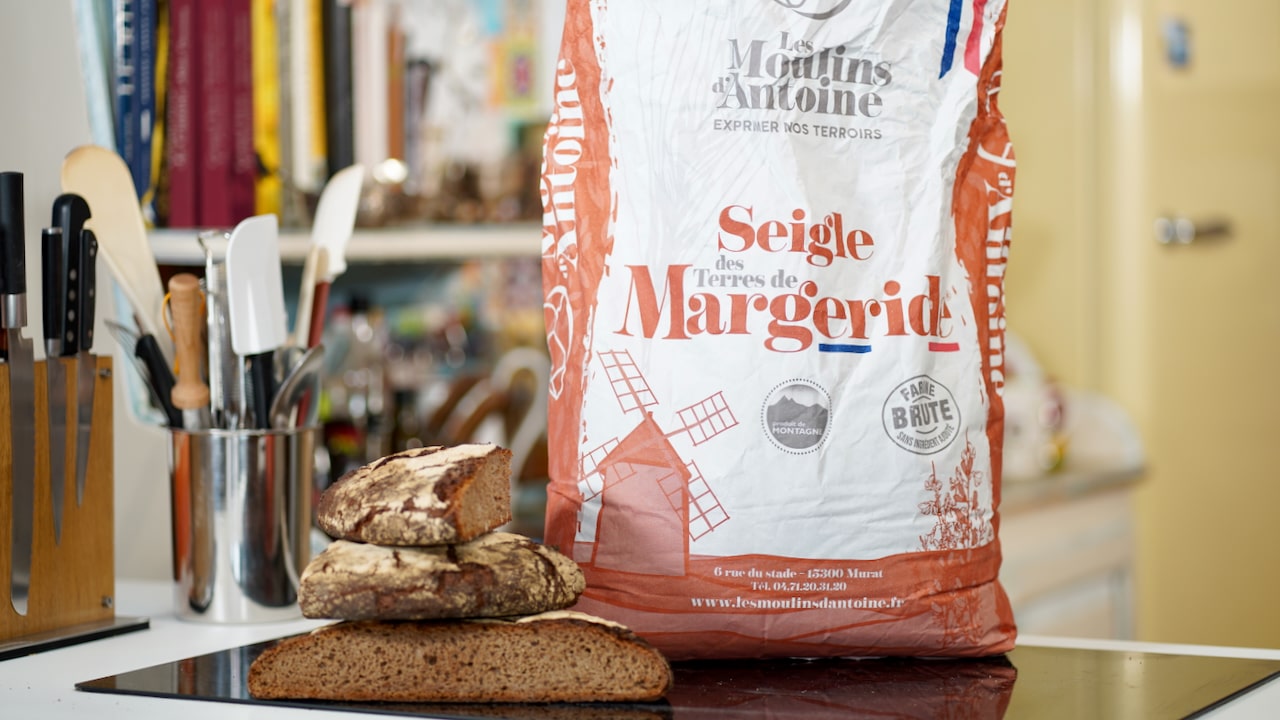
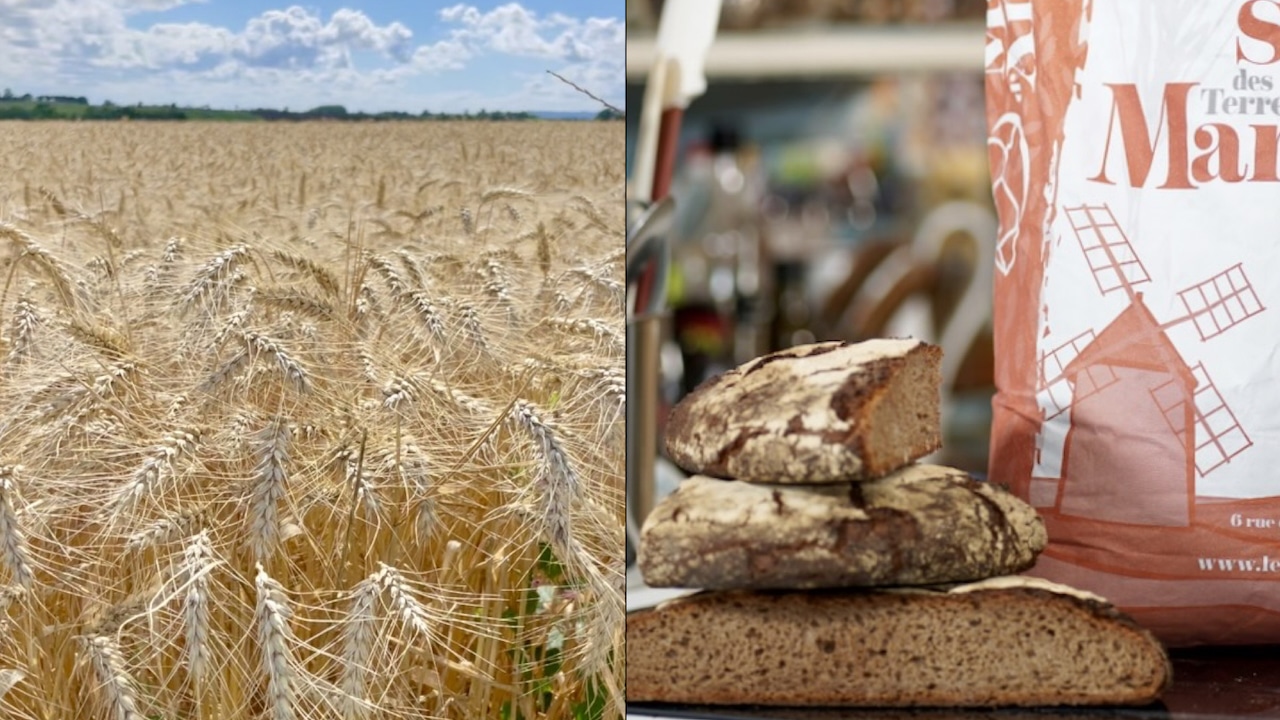
- The rye flour used is categorized by extraction rates: 70, 85, 130, and 170. The higher the number, the darker and more whole grain the flour. A unique hot water technique is used to achieve the bread. During mixing, the dough has the consistency of sticky cement.

Refreshed Starter
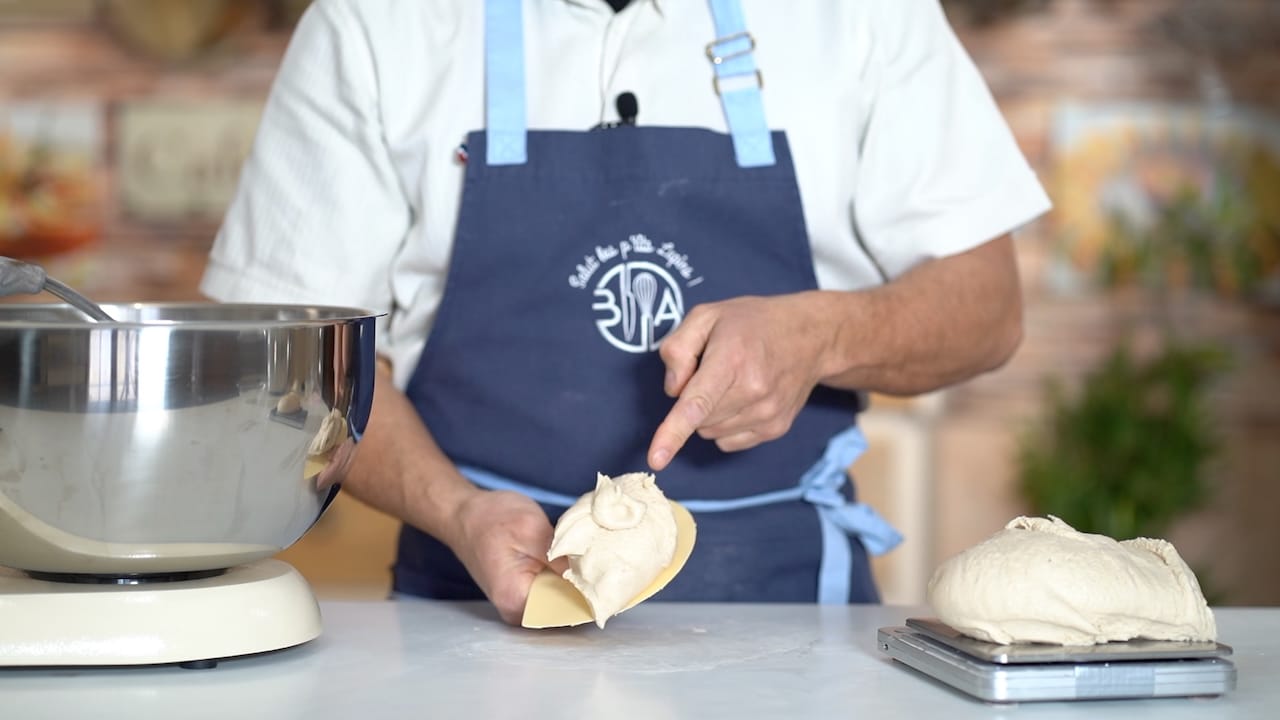
- Take the amount of starter required for the recipe, then refresh and store the remainder for future use.

Ancient Dark Rye Bread
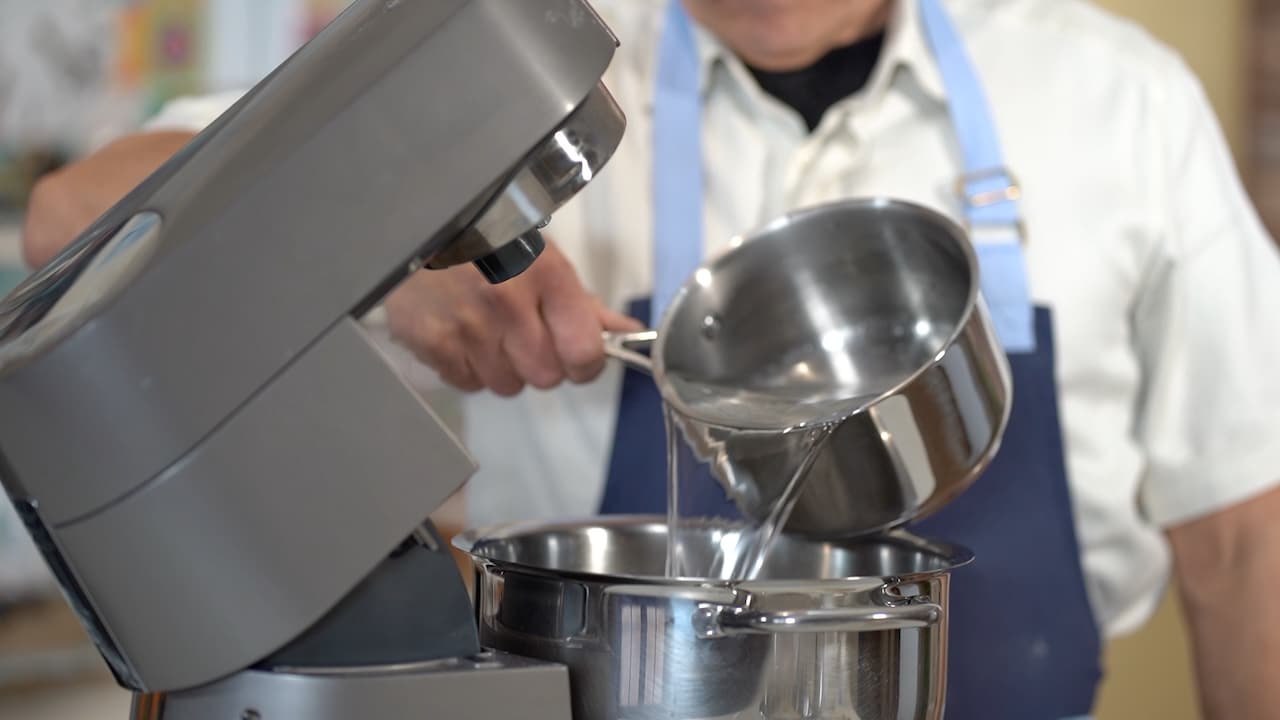
- The day before baking, in the stand mixer fitted with the hook attachment, combine the hot water with salt. Add the flour, and mix on low speed for about 3 minutes, until it comes together.
- Add the natural starter cut into pieces and the yeast, and mix on medium speed for 8 to 10 minutes, stopping to scrape down the sides of the bowl as needed.
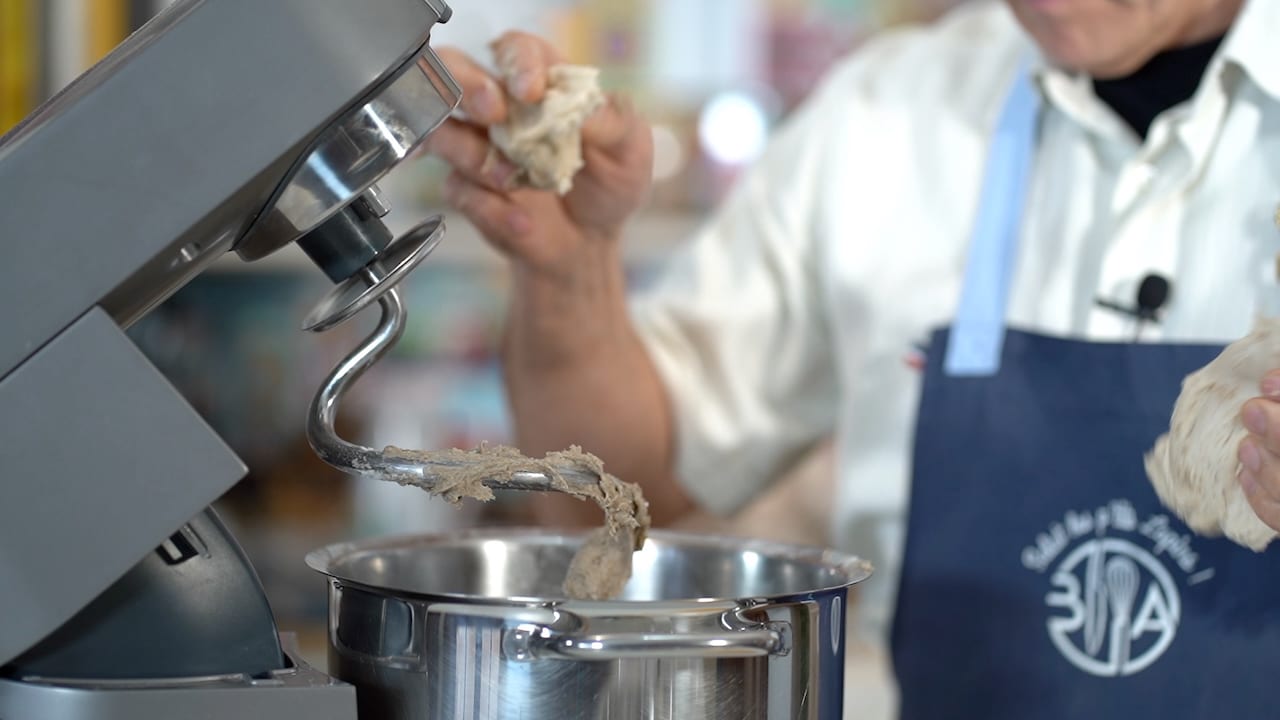
- The dough will be very sticky, so use wet hands and wet tools when handling or scraping it. After mixing, the dough should reach a temperature of approximately 90°F (30-32°C).


Cold Bulk Fermentation
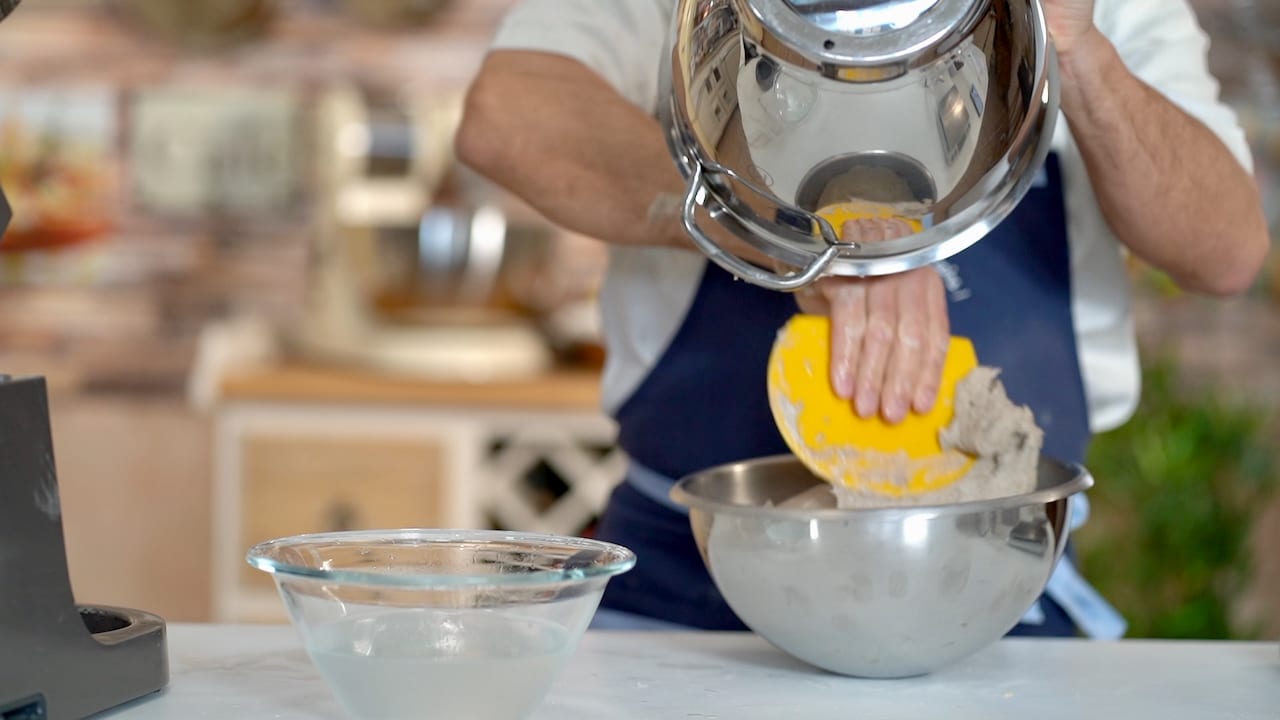
- Wet your hands and dough scraper with water. Transfer the sticky dough in the large bowl. Smooth out the surface of the dough with a wet dough scraper. Cover and let it undergo bulk fermentation in the refrigerator at 5ºC for 12 hours.

One Loaf Shaping
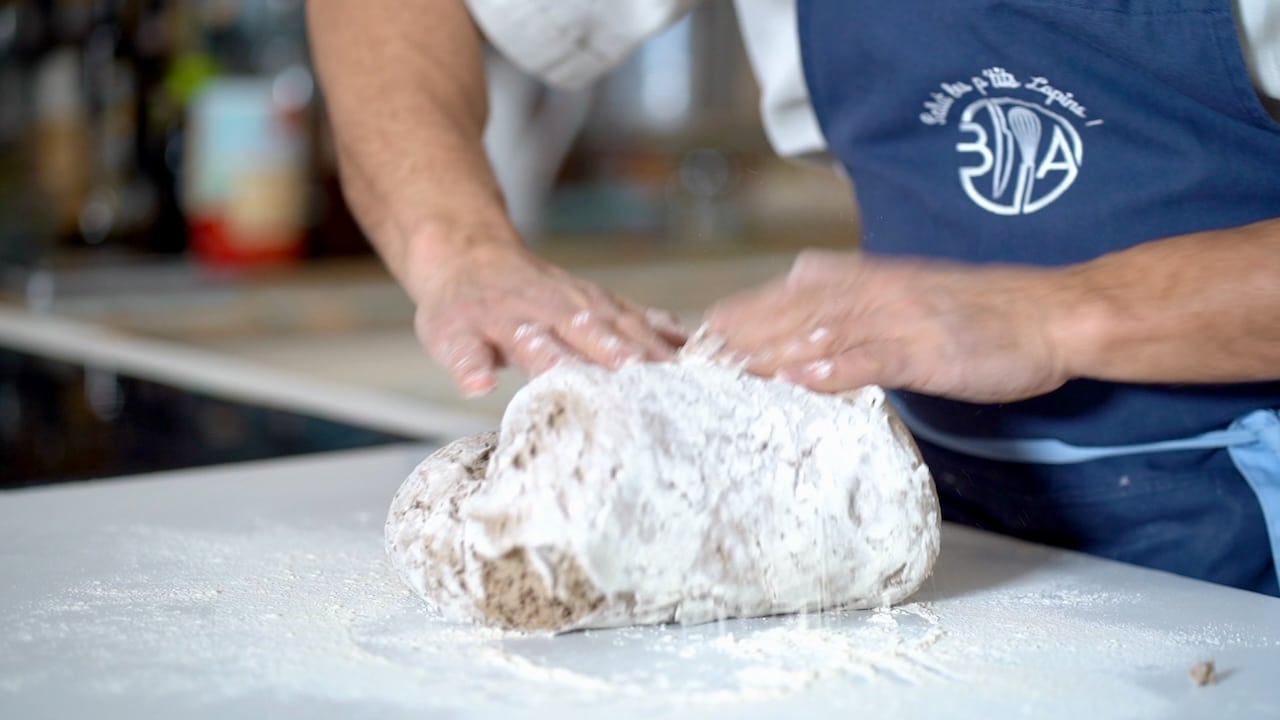
- Flour the proofing basket. Turn the dough out onto a floured work surface. Do not degas (deflate). Flour dough. Then fold it over a couple of times to form a loose round. Because the dough is fragile and tears easily, be sure to handle it gently. Only add extra flour when necessary. Use your dough scraper to lift the round from the work surface.
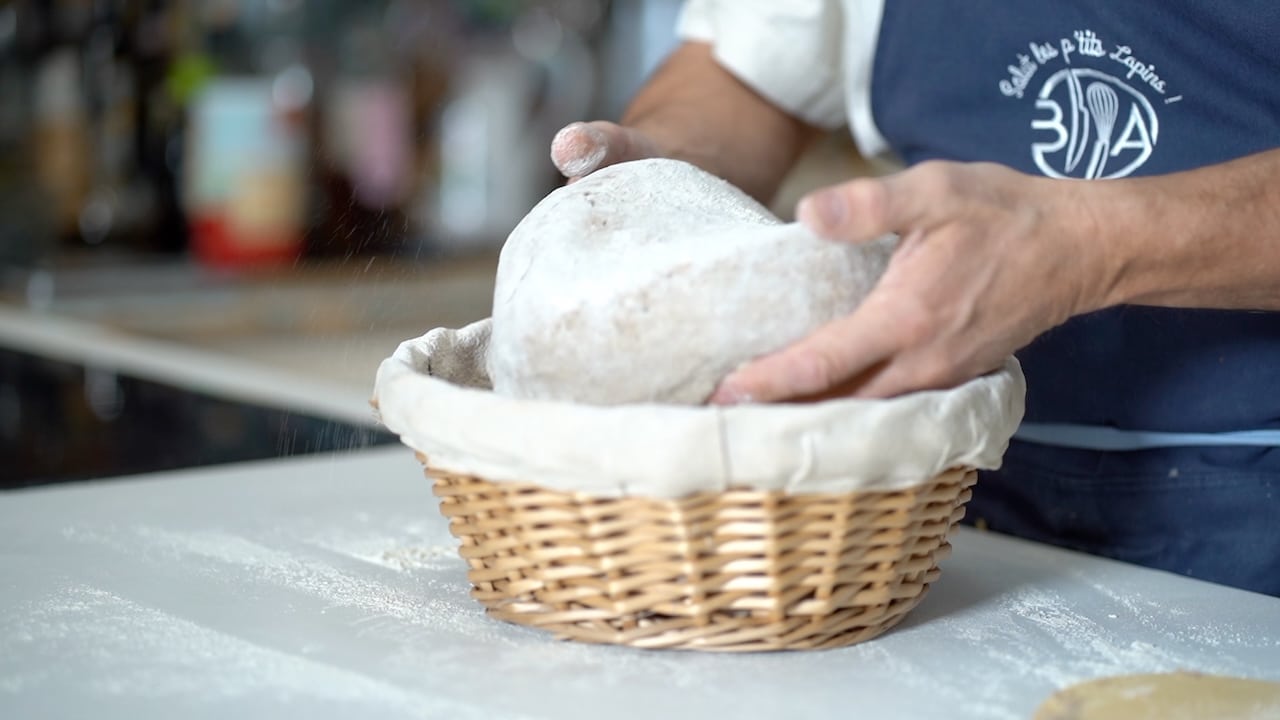
- Place the round seam-side down into the floured basket.


Proofing
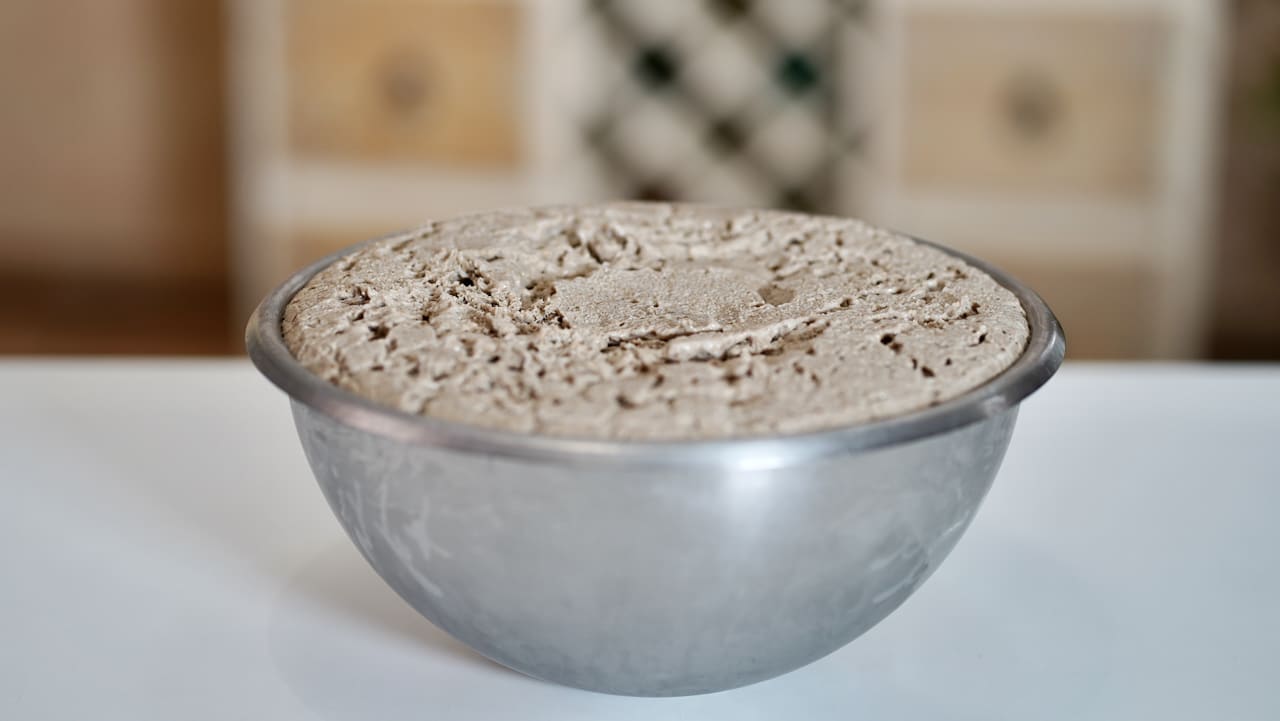
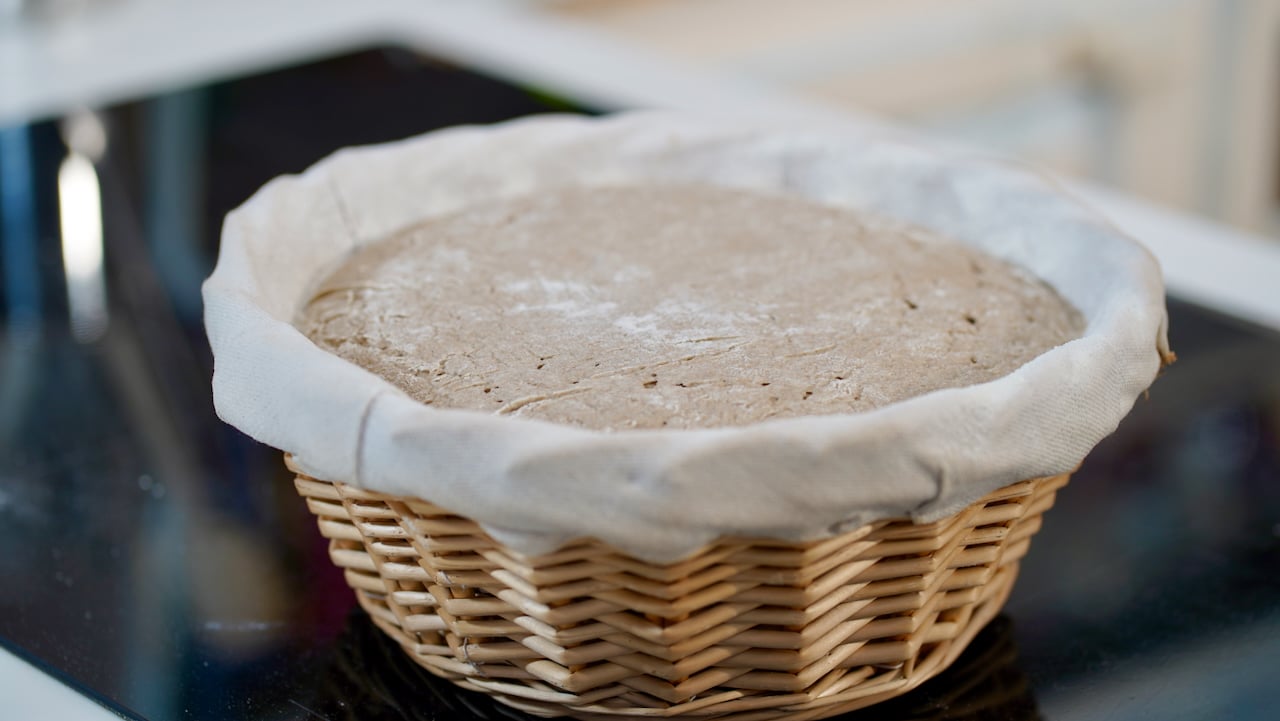
- Because the dough undergoes a cold bulk fermentation, the subsequent proofing time is long: about 2 hours at 25°C, 3 hours at 22°C, or 4 hours at 19°C. Dark rye sourdough doesn't rise significantly; expect only a 1.5-inch (4 cm) increase. It is ready when the surface appears bubbly and starts to crack.

Preheating Oven
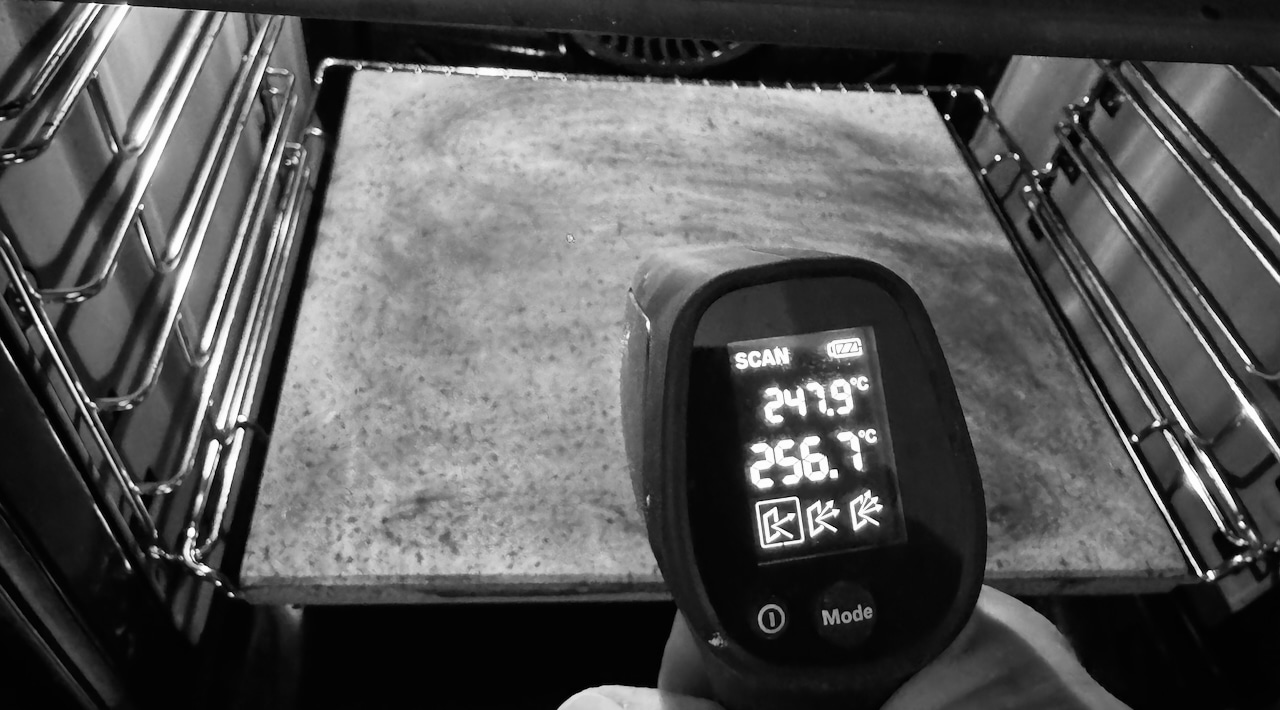
- About 45 minutes before baking, preheat your conventional oven to 250°C (480°F) with a pizza stone placed on a rack in the lower third. The stone must be heated to 250–270°C before flipping the bread.

Baking
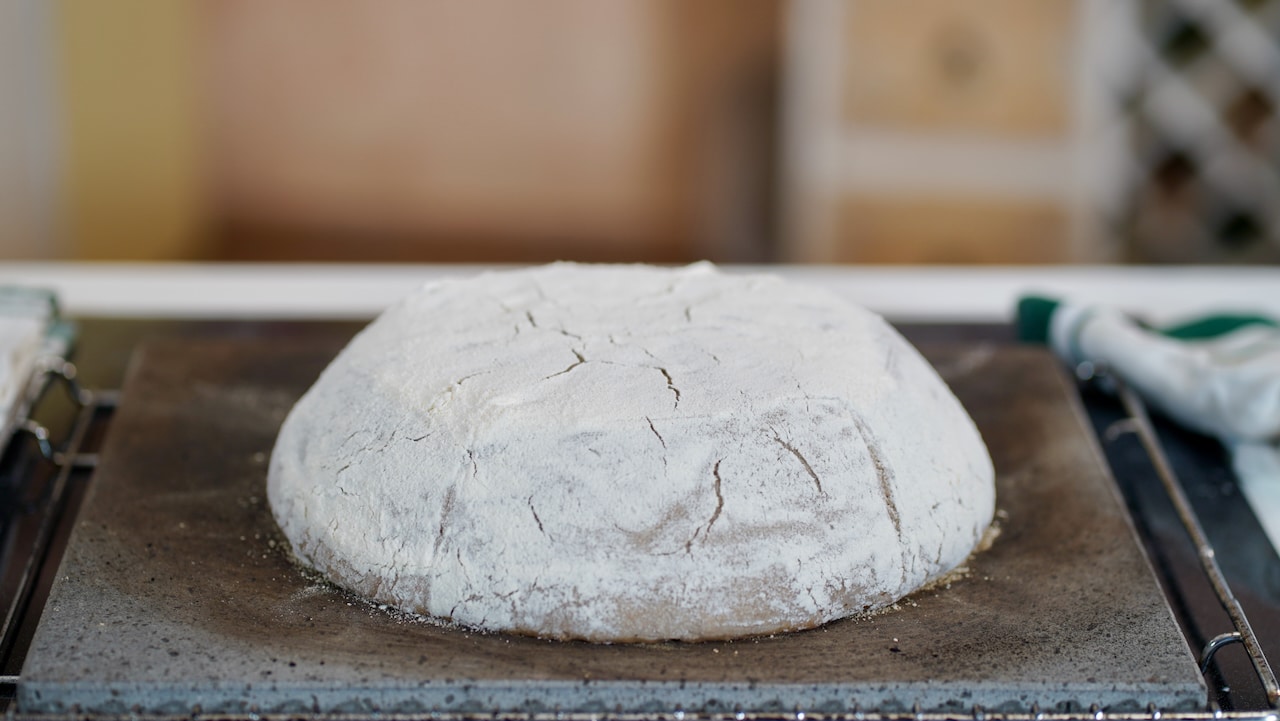
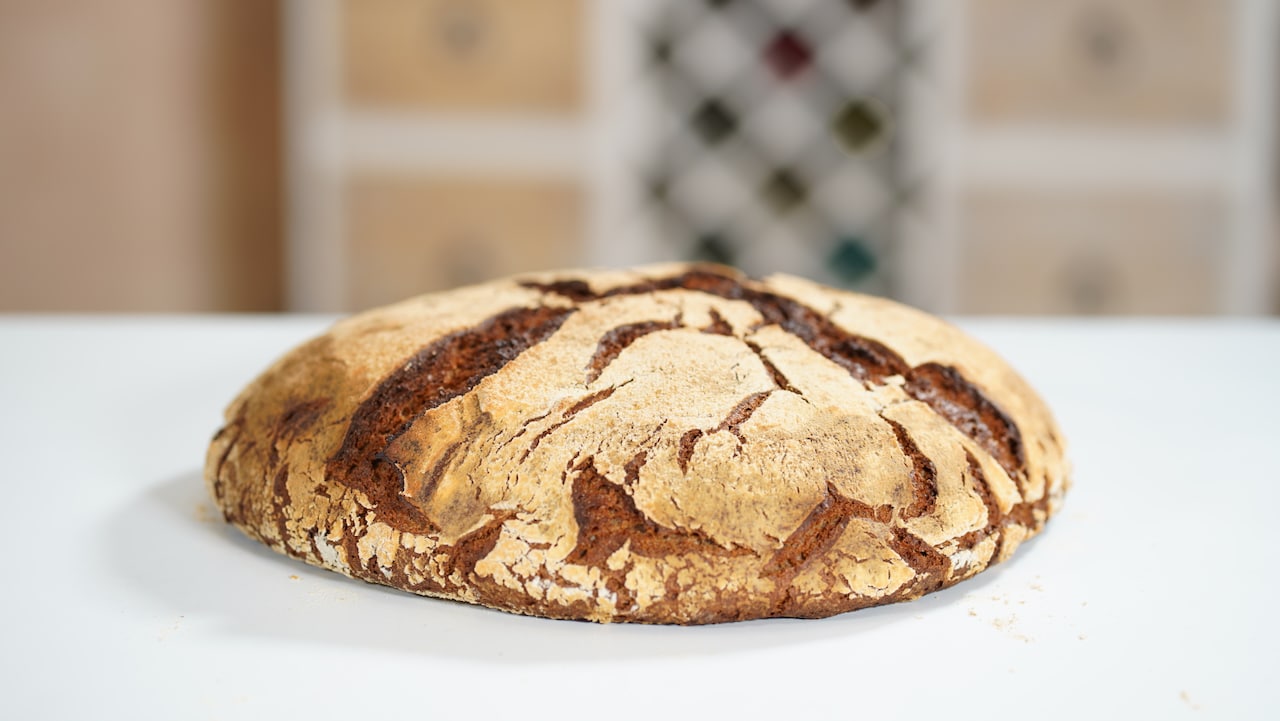
- Flip the proofing basket onto the hot pizza stone to release the bread. To create steam, immediately spray water into the oven. Bake for 15 minutes at 250ºC, and then reduce the temperature to 205°C (400°F), and continue to bake the loaf for 60 minutes. Dark rye bread must be baked until very deep brown and well done. The internal temp should be at 98ºC or slightly under. Turn off the oven, prop the door slightly ajar (be aware of the hot steam that comes out of the oven). Let the bread rest inside for an additional 10 minutes.
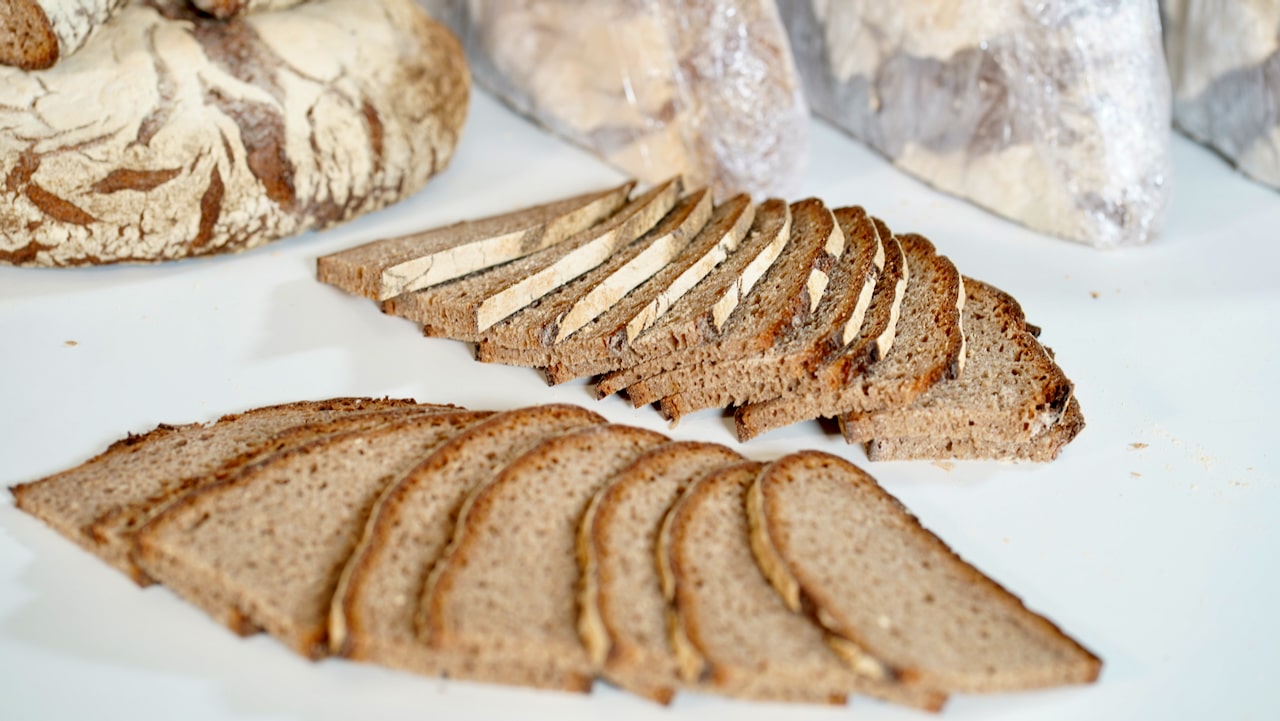
- Finally, remove the loaf and let it cool completely on a wire rack for at least 4 hours before slicing. For the best flavor and texture, it is ideal to enjoy the rye bread the next day. Once baked and cooled, a dark rye loaf will lose about 23% of its original weight.


Storage
- Properly stored, dark rye bread will keep for up to a week (halved) when wrapped in a linen bag, parchment paper, or best plastic wrap. For longer storage, it can be sliced, portioned, and frozen for up to three months.

The Best Pairings for Dark Rye Sourdough
- Dark rye bread is superb both toasted and untoasted, perfect with salted butter, ham, prosciutto, cheeses, eggs, tapenade etc... Historically, and even now, it is used to make croutons that darken and enrich soups. Its flavor also creates a beautiful pairing with oysters and a classic mignonette (red wine vinegar and minced shallots).

This content is part of the PREMIUM SECTION

This recipe requires a All-content access subscription. The Premium section includes more than 50 essential recipes from French pastry and a special section for mastering artisanal bread.
The Premium section is only accessible with "A year at the table" subscription. Discover it with special first year discount.