
Please note that the full access to this content needs a "Year at the table" subscription: please sign up.
Let me introduce the ultimate gingerbread...
This recipe is a protected and only available for paid members. To obtain the full step by step recipe and detailed ingredients list, please sign up.
Preview the recipe
👉 The full video is coming shortly!
- Gingerbread has a long history: the ancient Egyptians were already consuming a form of honey bread. However, the gingerbread we know today likely originated from Mi-Kong—literally "honey bread" in Chinese—which was consumed in the 10th century and made from wheat flour, honey, and sometimes aromatic herbs. 13th-century texts mention Mi-Kong as part of the military rations for Genghis Khan's cavalry, who introduced it to the Arab world. Later, during the Middle Ages and the Crusades, Westerners brought gingerbread back to their homelands. Around the 14th century, pastry chefs in Reims conceived the idea of enhancing honey bread with spices.

What Honey to Use?
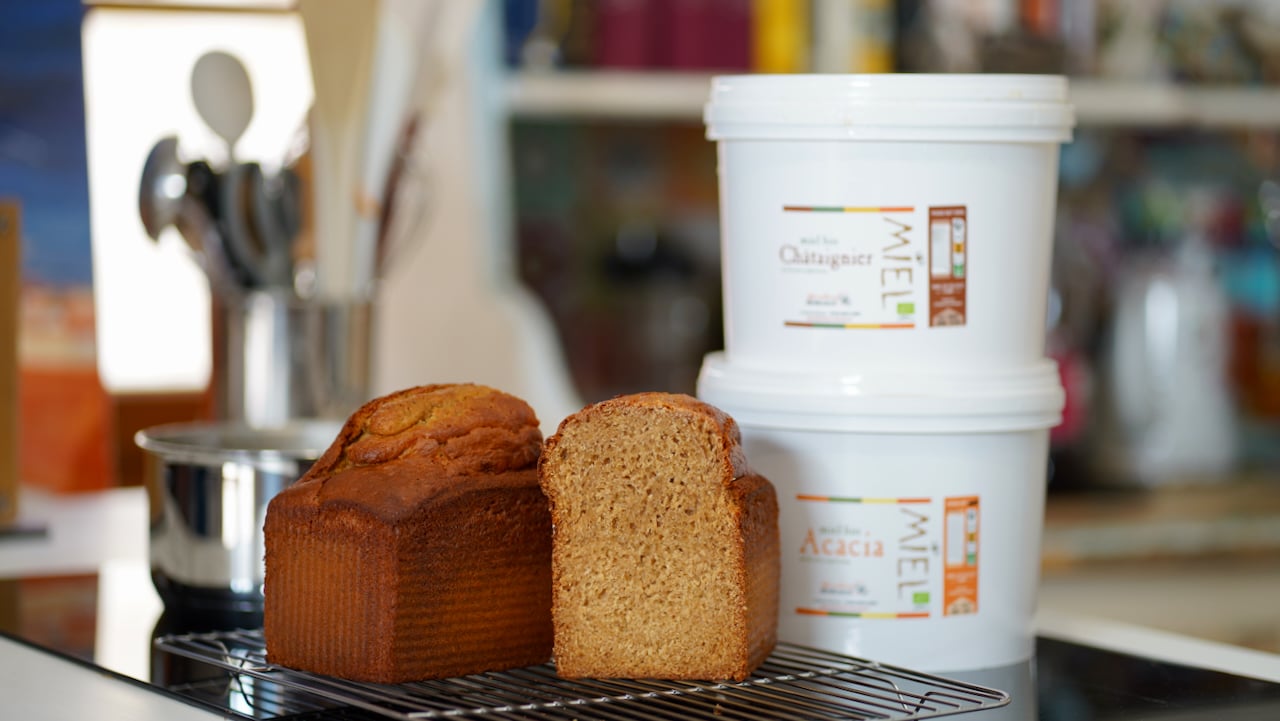
- When making gingerbread, it is common to use dark, full-bodied honeys—such as chestnut, fir, buckwheat, or forest honey. These can balance the spices and bring out the "traditional" flavor. If you prefer a mild, delicate taste, opt for acacia or wildflower honey instead. In gingerbread, honey does more than just sweeten; it also determines the richness of the aroma, the color, and the moisture content. Liquid honey is preferable, as it blends more easily into the batter. If the honey is creamy or crystallized, simply warm it slightly. Whenever possible, choose high-quality, locally produced artisanal honey.

Greasing Mold
- There are 3 ways to grease cake molds to obtain maximum efficiency. The first option is to line them with parchment. The second is to grease them with softened butter and flour. The third option is to use softened butter and cooking spray (my take).
Honey-Milk-Spiced Mixture
- *Ricard is my secret touch ingredient; it adds incredible flavor to your cake. It can be substituted for 1.5 grams of anise or licorice powder. To start, chop the candied orange peels and crystalized ginger.
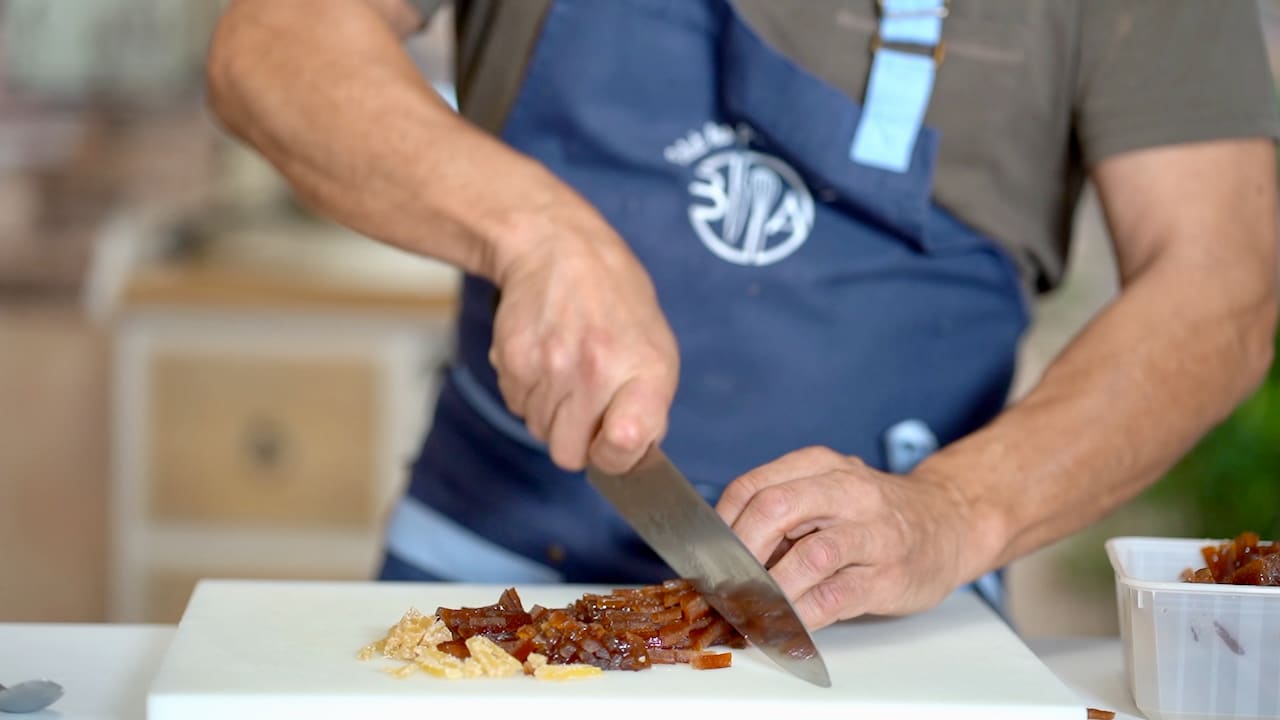
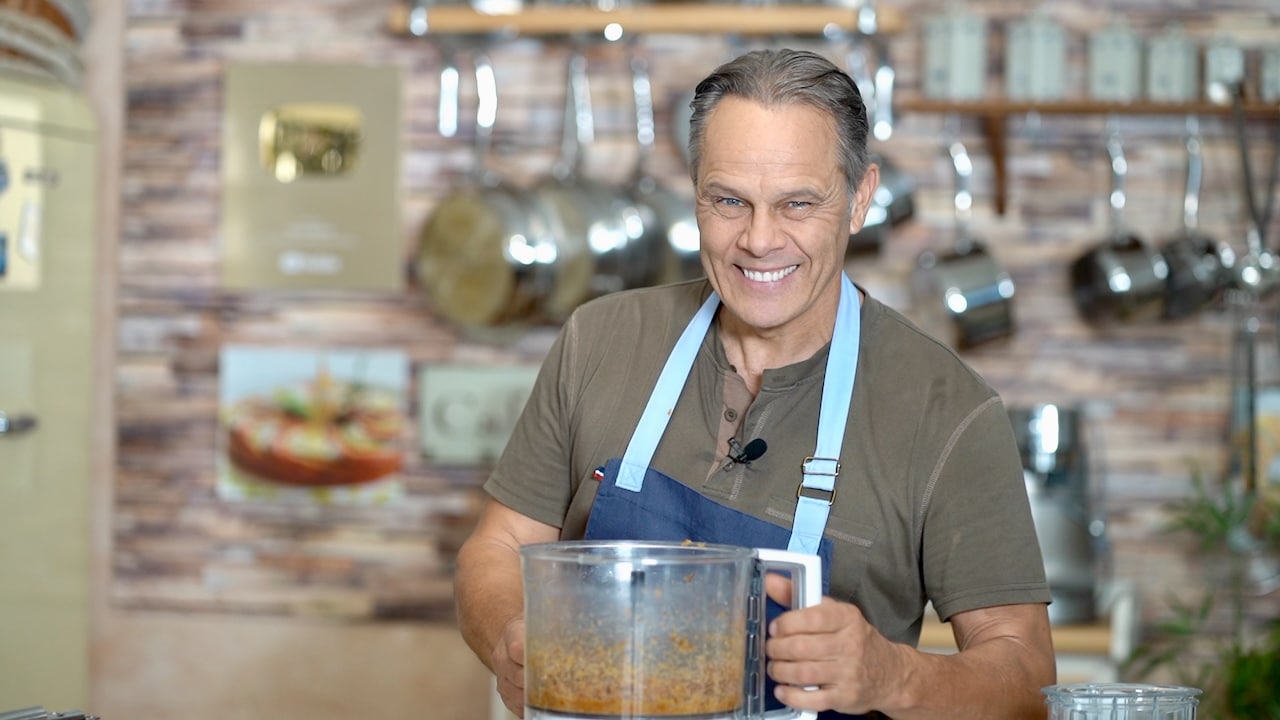
- Turn them into paste in the food processor.
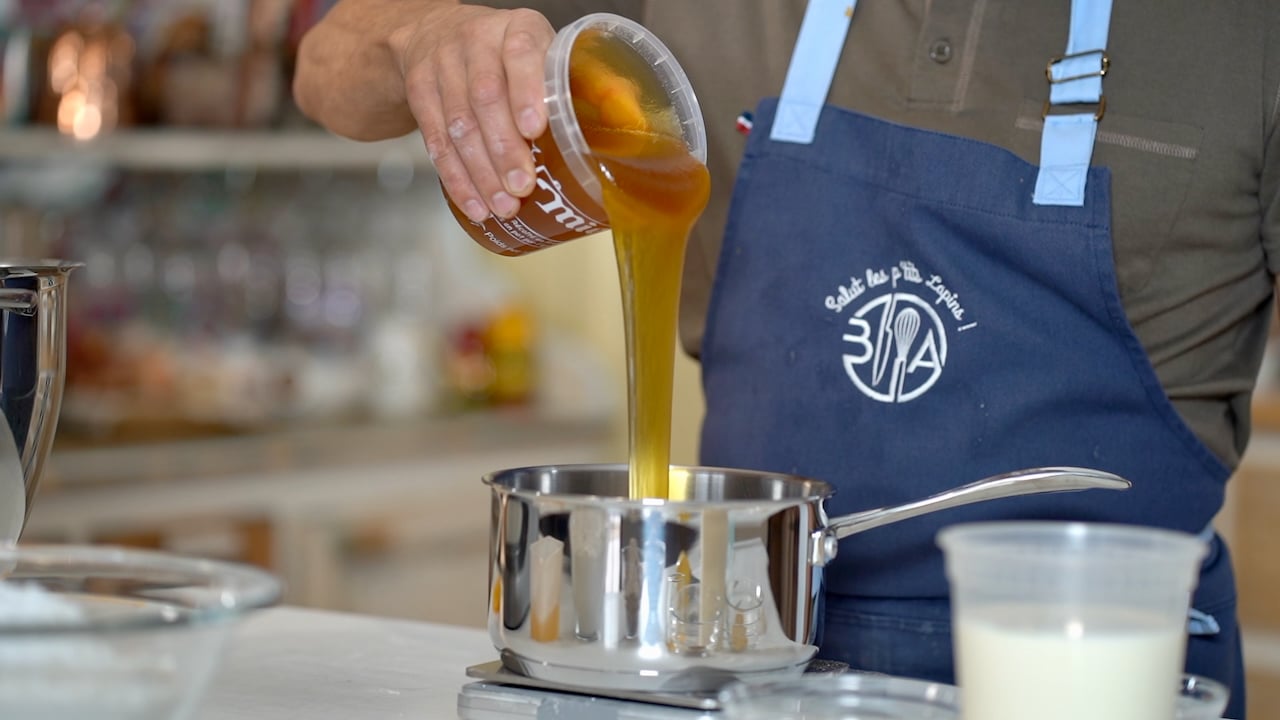
- In the large saucepan, pour the honey, along with the candied orange-ginger paste, salt, milk, Ricard, and allspice. Warm this mixture on the stove until it reaches about 104ºF/40ºC.
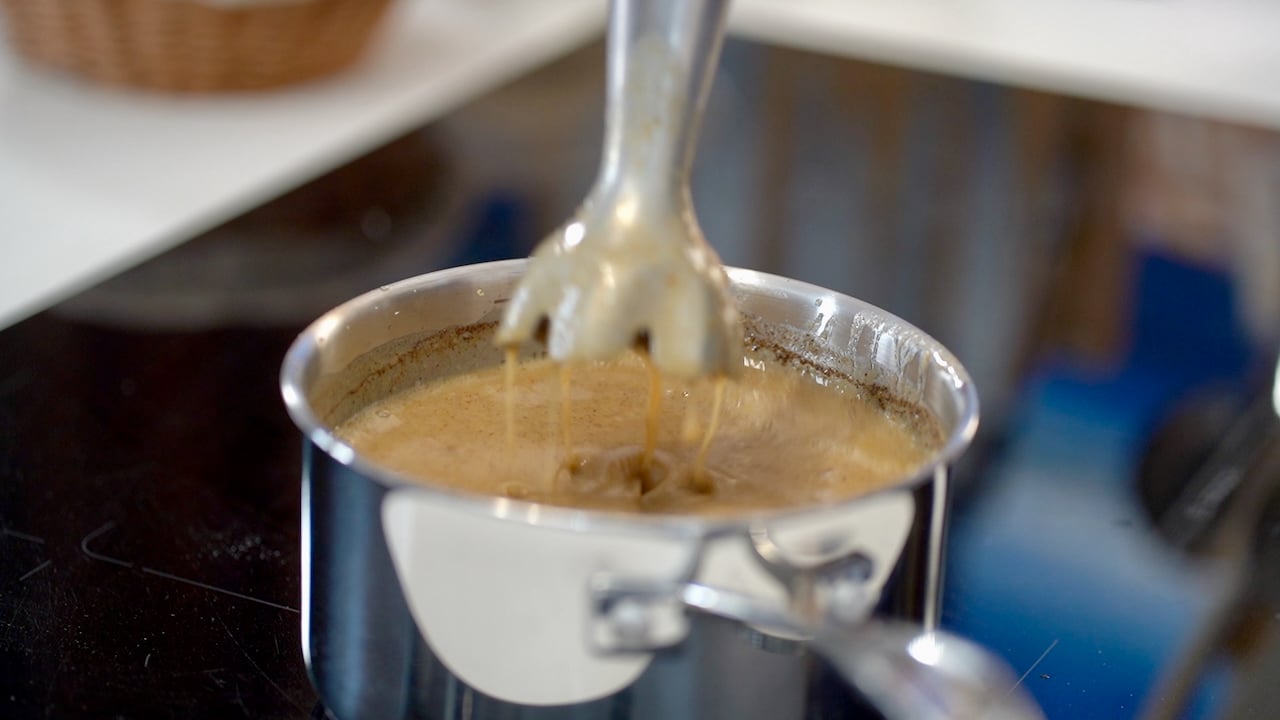
- Mix with the immersion blender and let cool the honey-milk mixture to room temp. Use it at about 77ºF (25ºC).
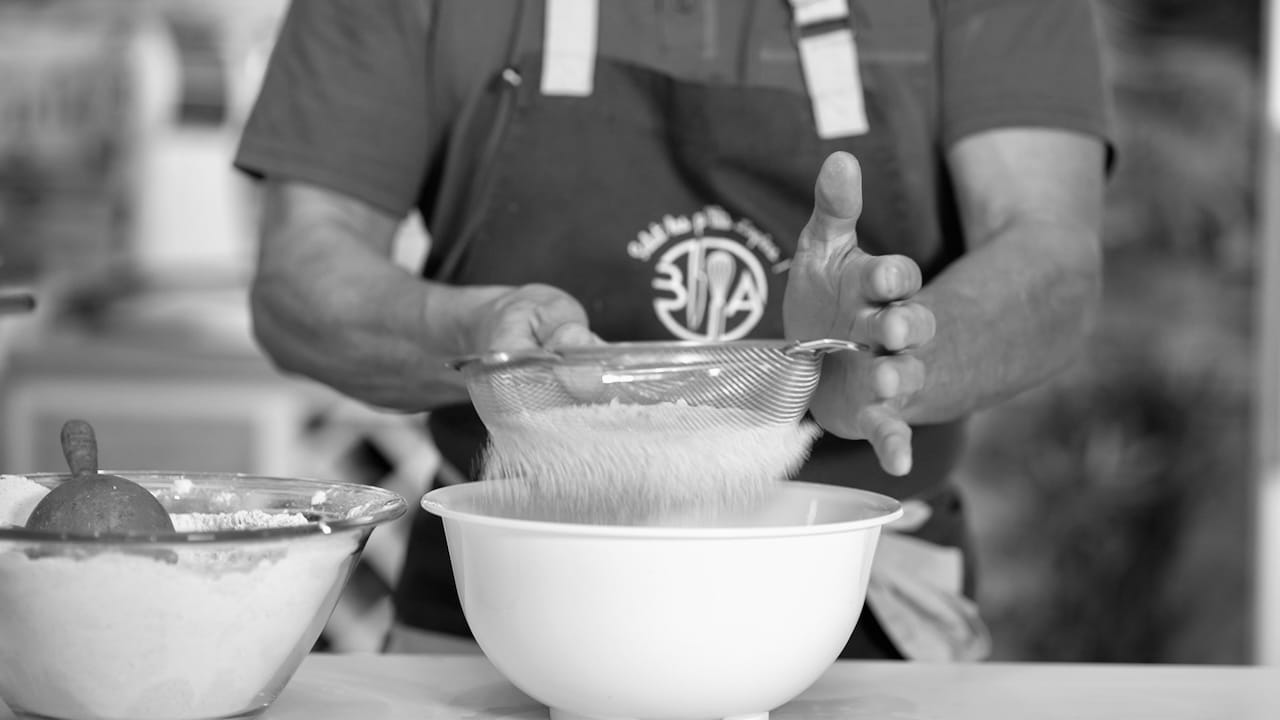
- Sift together your flours and baking powder; making sure powders are well combined.


Batter
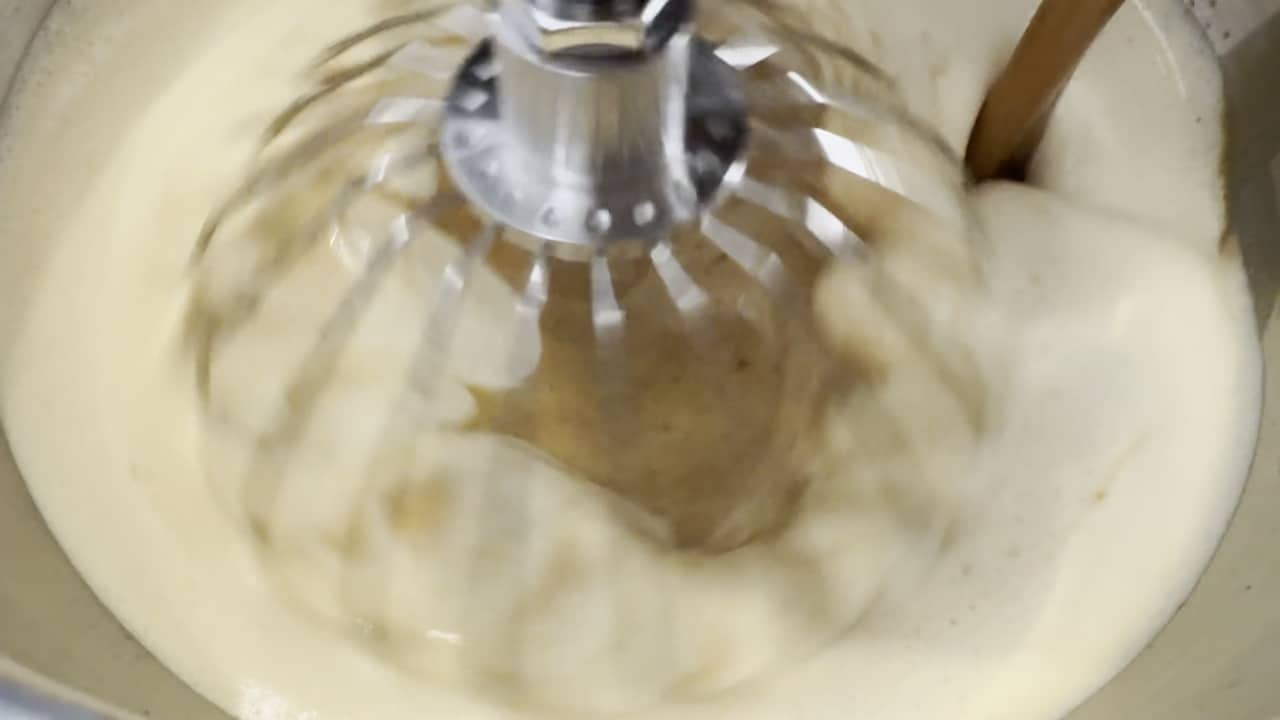
- In the stand mixer fitted with the whisk attachment, beat together eggs, oil, and raw sugar on high speed for 5 minutes until it gets light and fluffy. Slowly pour the room temperature honey-milk spiced mixture into the beaten eggs while mixing on low speed.
- Once the wet ingredients are well mixed, swap the whisk with the paddle attachment. Add in the sifted powders and mix on medium-low speed until the batter is well combined.
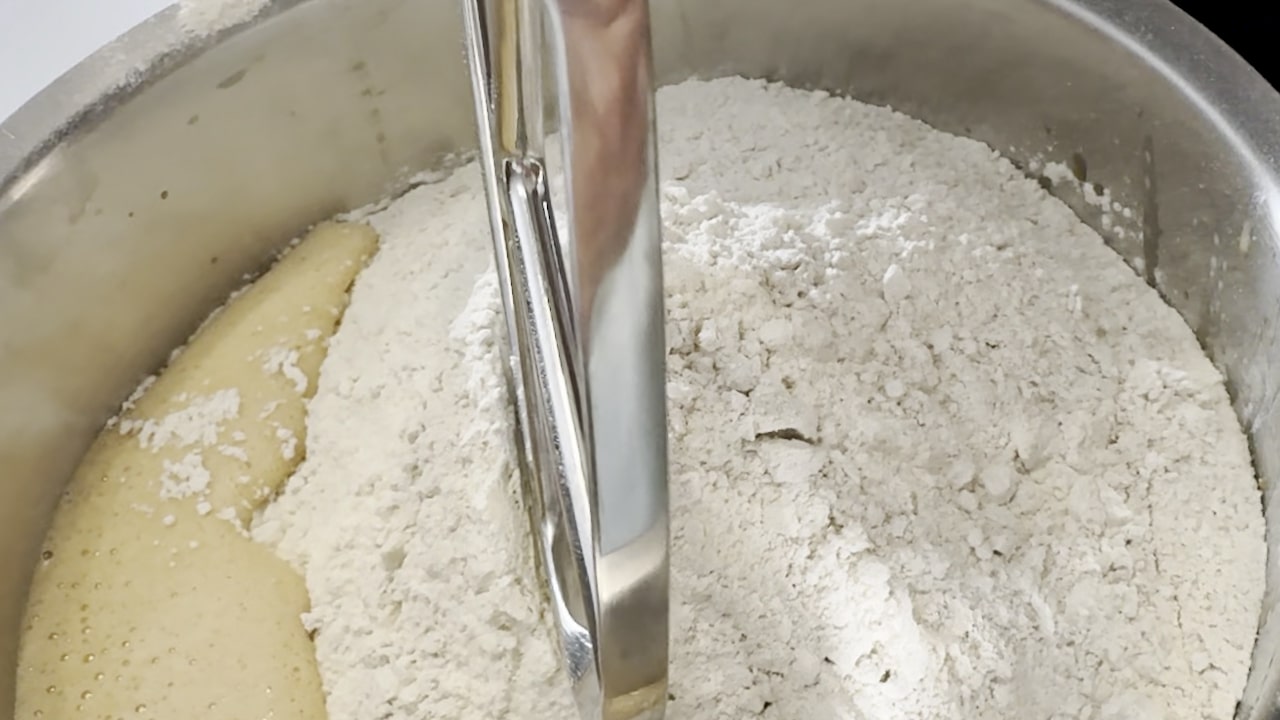
- Scrap down the sides of the mixing bowl and paddle every so often.
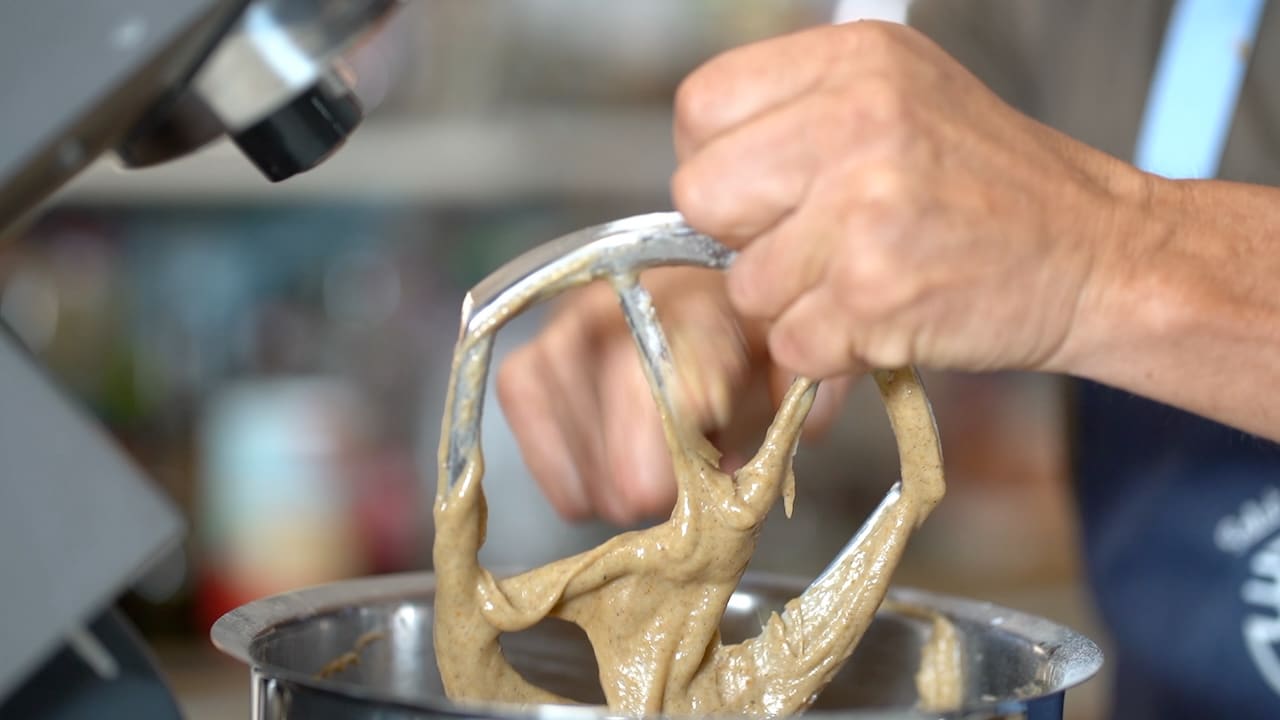
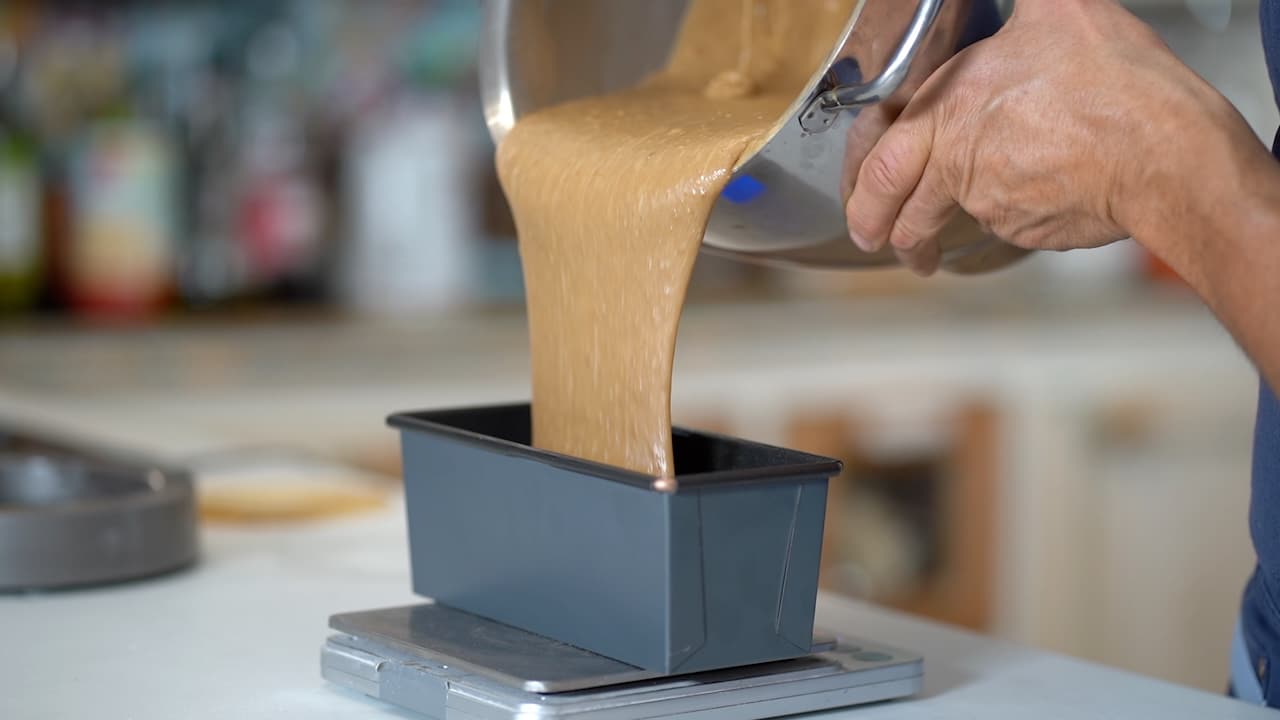
- Finally, fill the 5 greased pans ½ full with the gingerbread batter: 600g per mold. Place batter in molds in the refrigerator for 2 hours or for up to 3 days. This step helps infuse all the flavors together and create a rich and aromatic base. Leave cakes out for 30 minutes before baking.


Baking
- Gingerbread shall be baked at a lower temperature than most cakes. Preheat a fan oven to 275ºF (135ºC). Bake gingerbreads for 50-55 minutes. Then increase oven temperature to 355ºF (180ºC), and bake for 10 minutes more. To tell when your cake is done, insert a toothpick or the tip of a paring knife into the center of the cakes; it should come out clean, with no streaks of batter. Remove from the oven and let them sit for 5 minutes.
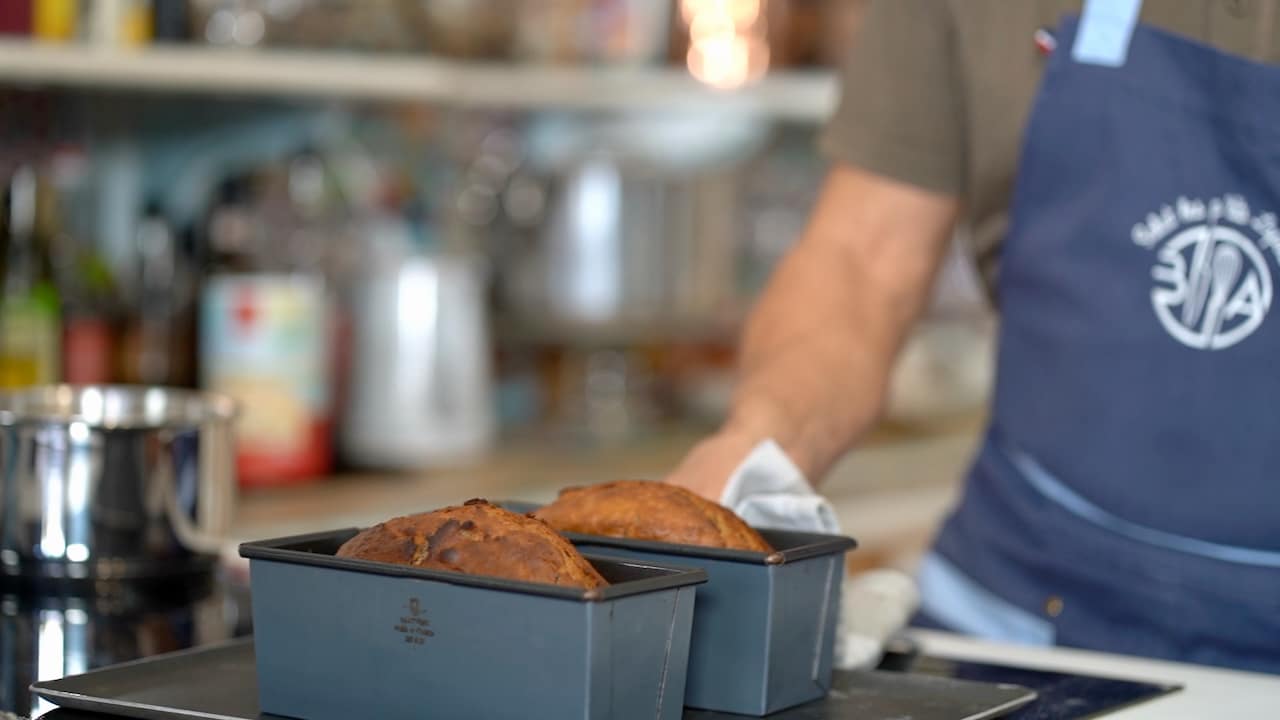
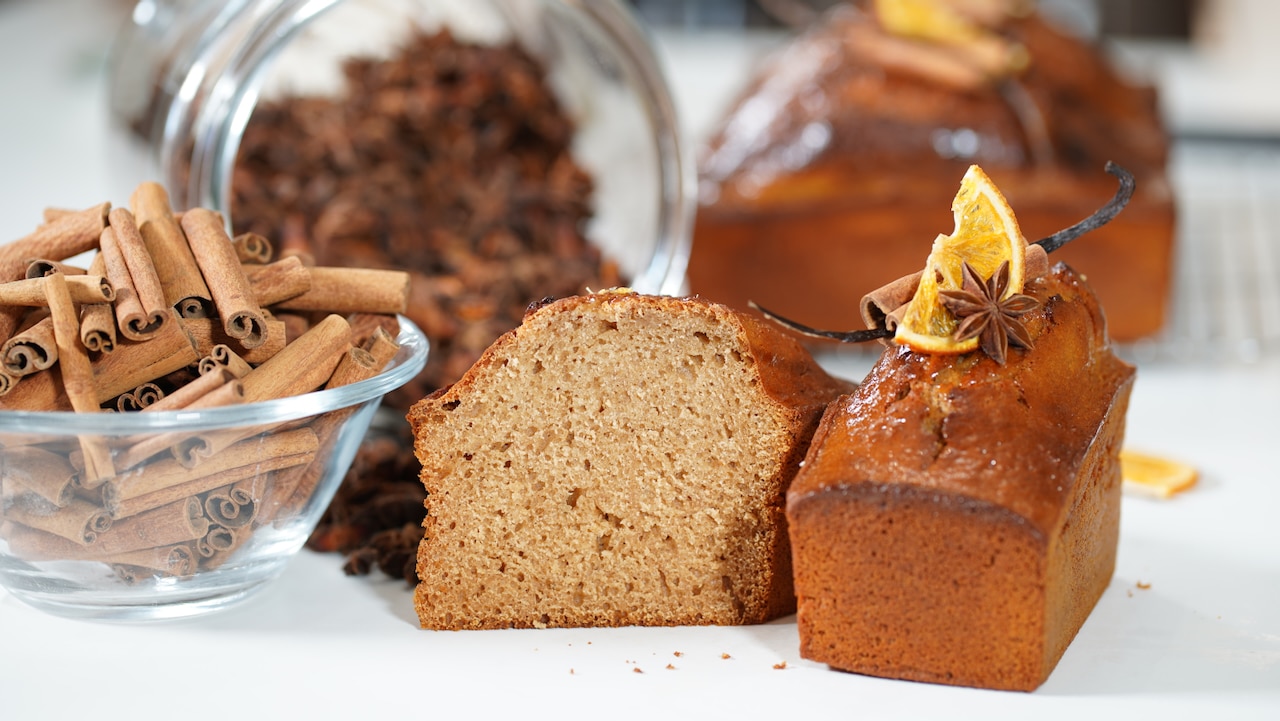
- Unmold and let cool completely onto a cooling rack at room temperature for 12 hours at least before eating. The aromas will develop during resting.
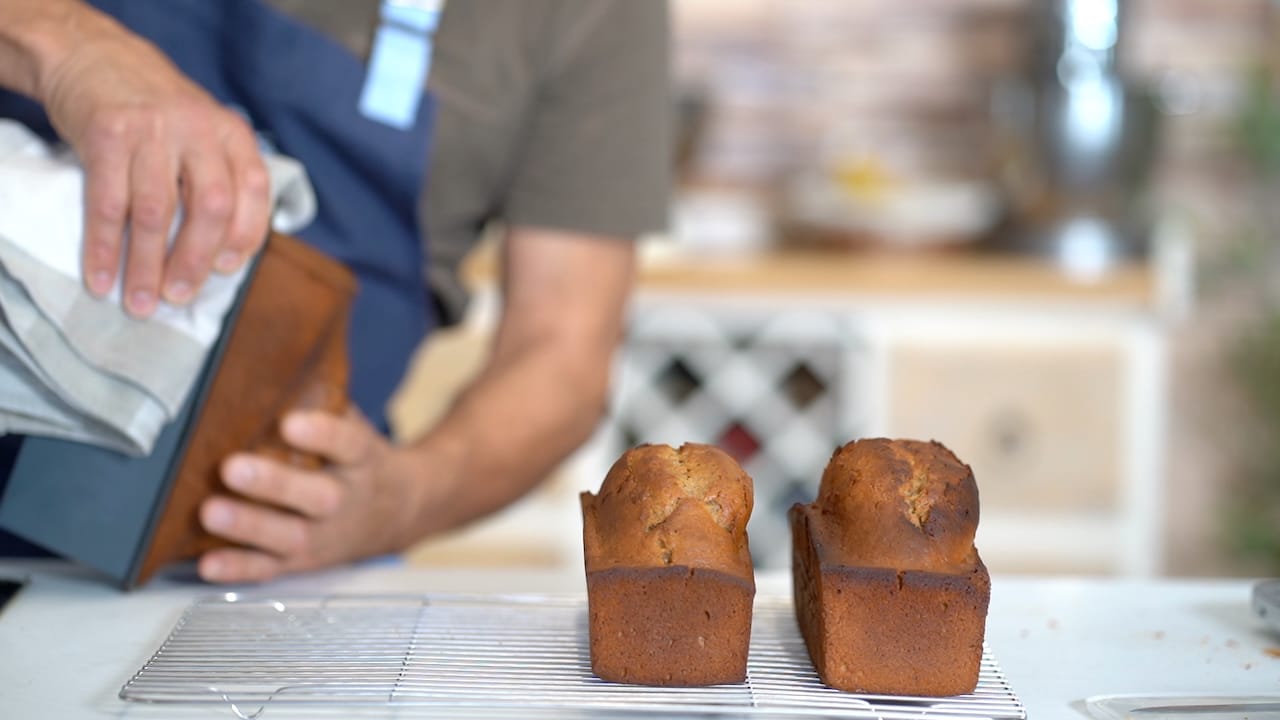


Decorating Gingerbread
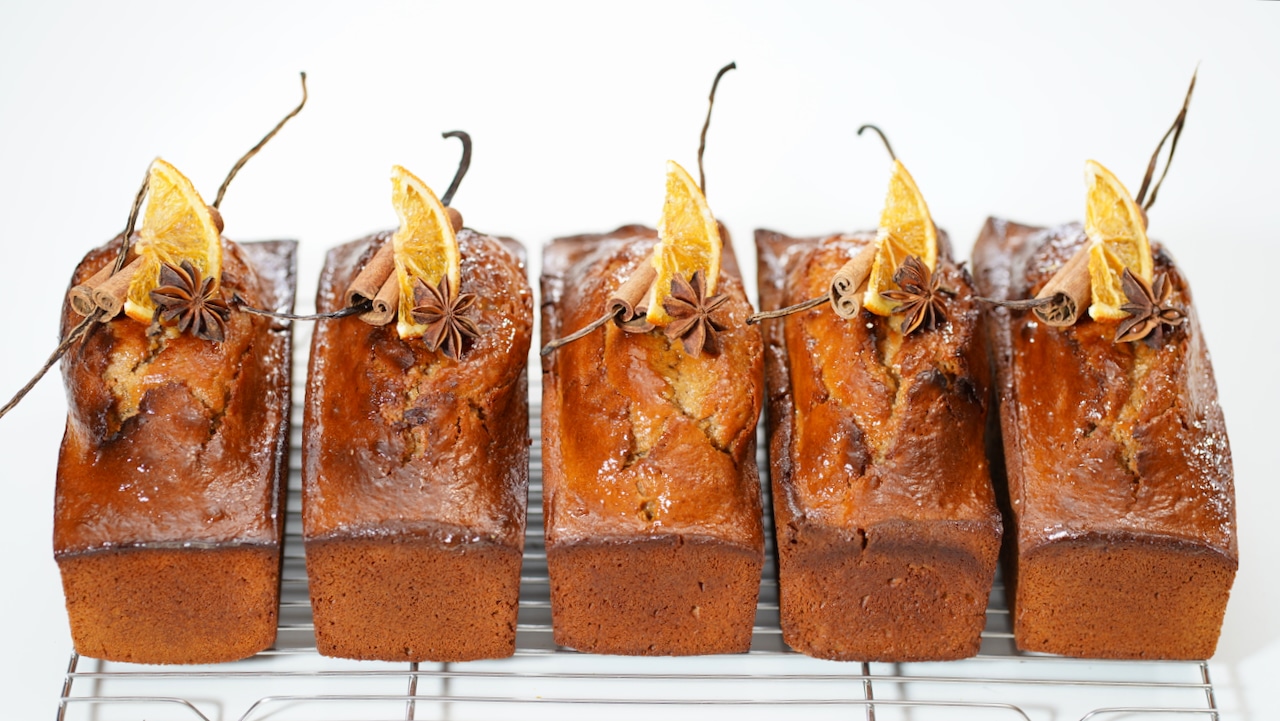
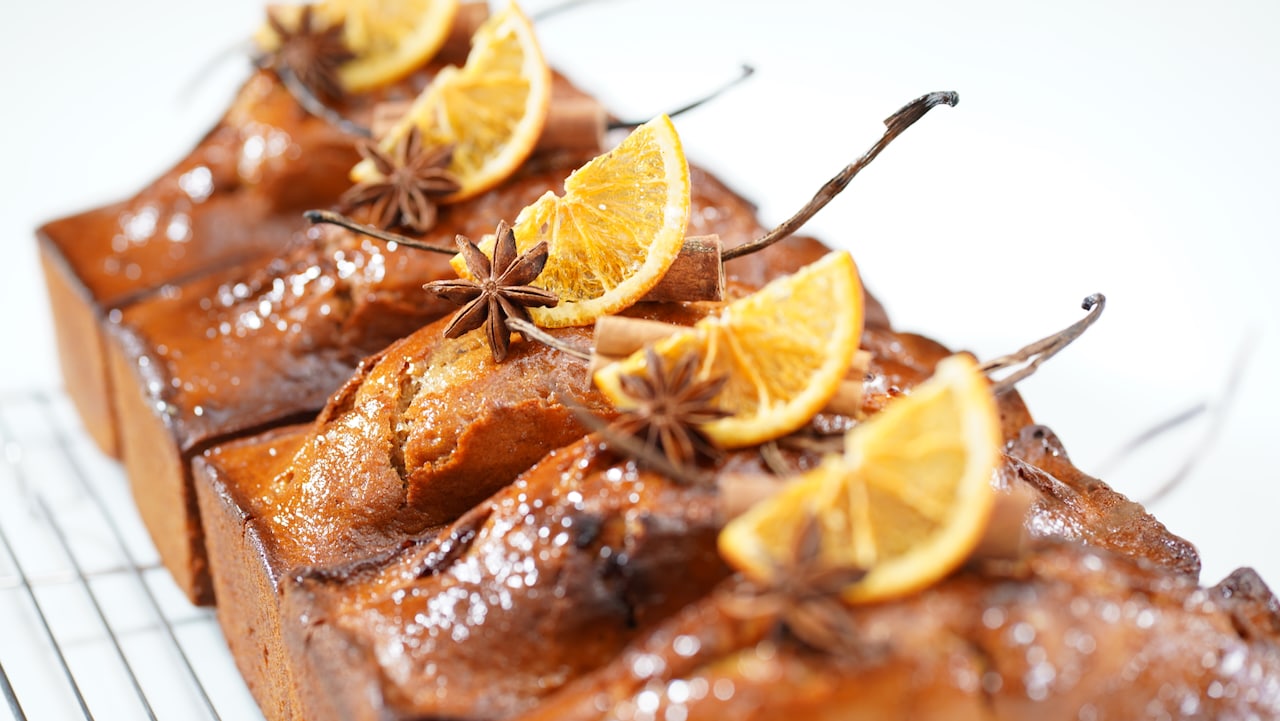
- To make your pain d'épices look as beautiful as the ones showcased in France's pâtisseries during the holidays, lightly brush the top with some hot neutral glaze.
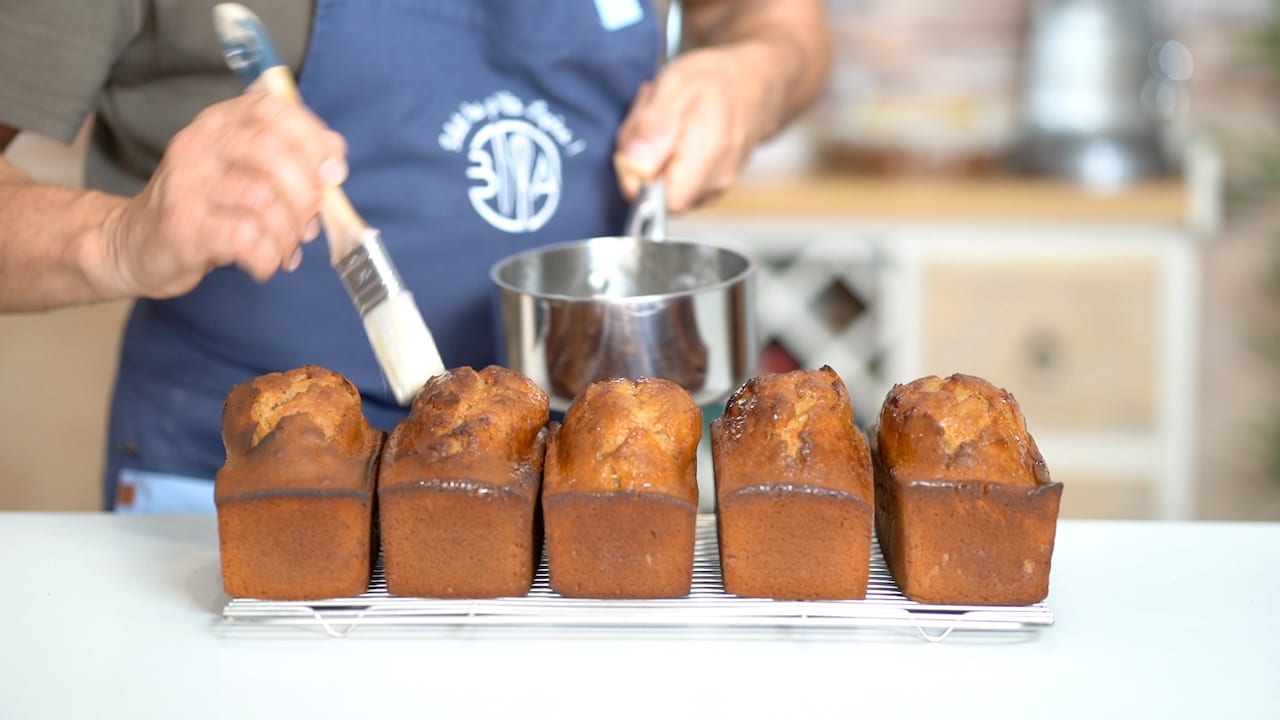
- Decorate the gingerbreads harmoniously with sliced candied citrus fruits, star anise, cinnamon sticks and dry vanilla beans.
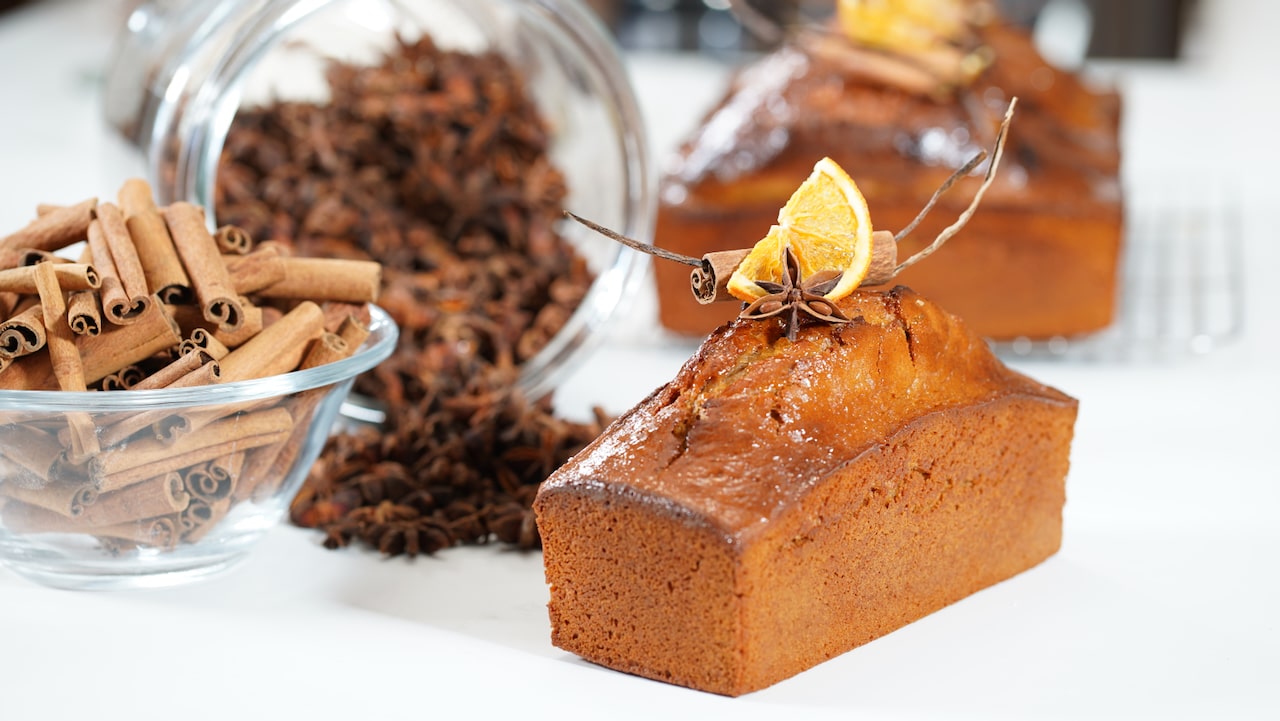


Storring
- Gingerbread can last several days on the counter wrapped in cling film, or longer refrigerated, and up to six months well wrapped in the freezer. Once frozen, it can also be vacuum-sealed for better long-lasting storage. Enjoy!

This content is part of the PREMIUM SECTION

This recipe requires a All-content access subscription. The Premium section includes more than 50 essential recipes from French pastry and a special section for mastering artisanal bread.
The Premium section is only accessible with "A year at the table" subscription. Discover it with special first year discount.