
Please note that the full access to this content needs a subscription: please sign up.
An elegant Holiday feast
This recipe is a protected and only available for paid members. To obtain the full step by step recipe and detailed ingredients list, please sign up.
Preview the recipe
What is a Poularde?
- A poularde (pullet) is a domestic hen that has not yet laid eggs, fattened on a diet rich in grains and dairy products. The fillets are long and wide, the drumsticks round, and the muscles, infiltrated with fat, give the meat a delicate, melting texture.
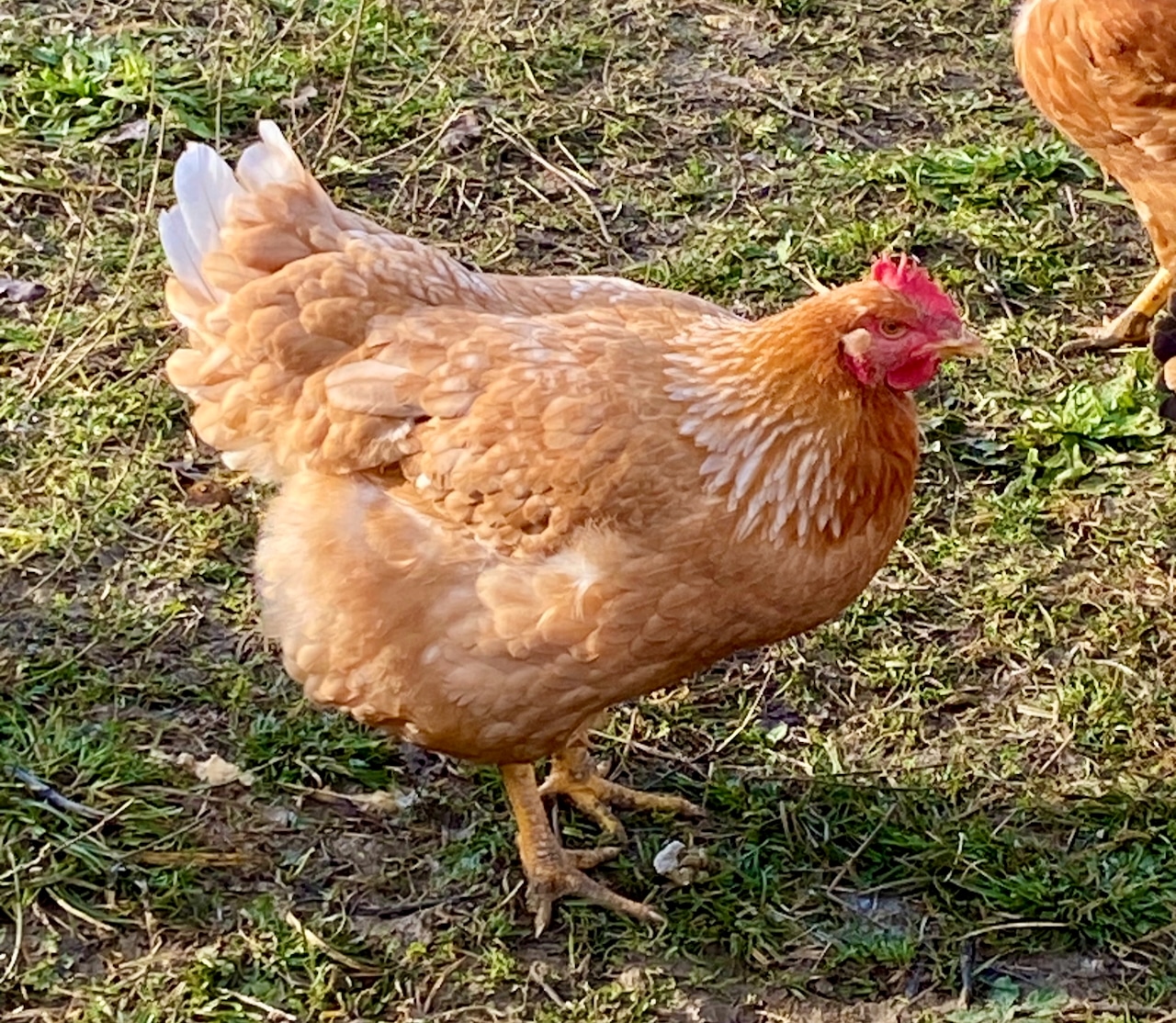
- Choose a free-range, certified bird. It's undeniably tastier and better for your health. Poularde weights generally between 3 and 4 kg. Suitable for poularde and capon.

- A capon (from the French chapon) is a castrated male chicken. Its meat is prized for its fine texture, remarkable tenderness, and delicate flavor. In France, the traditional Christmas dish of roasted stuffed capon holds the same ceremonial place as the stuffed turkey (from the French dinde) does for Thanksgiving in the United States. The turkey meat is way liner than the capon, an therefore subject to dry if not handled accordingly. Have you tried the turkey leg roulade?


Sous-Vide Cooking vs Roasting
- Using the sous-vide method allows the poularde log to be prepared days ahead. With the direct roasting method, however, you should assemble the log about 48 hours prior to cooking.
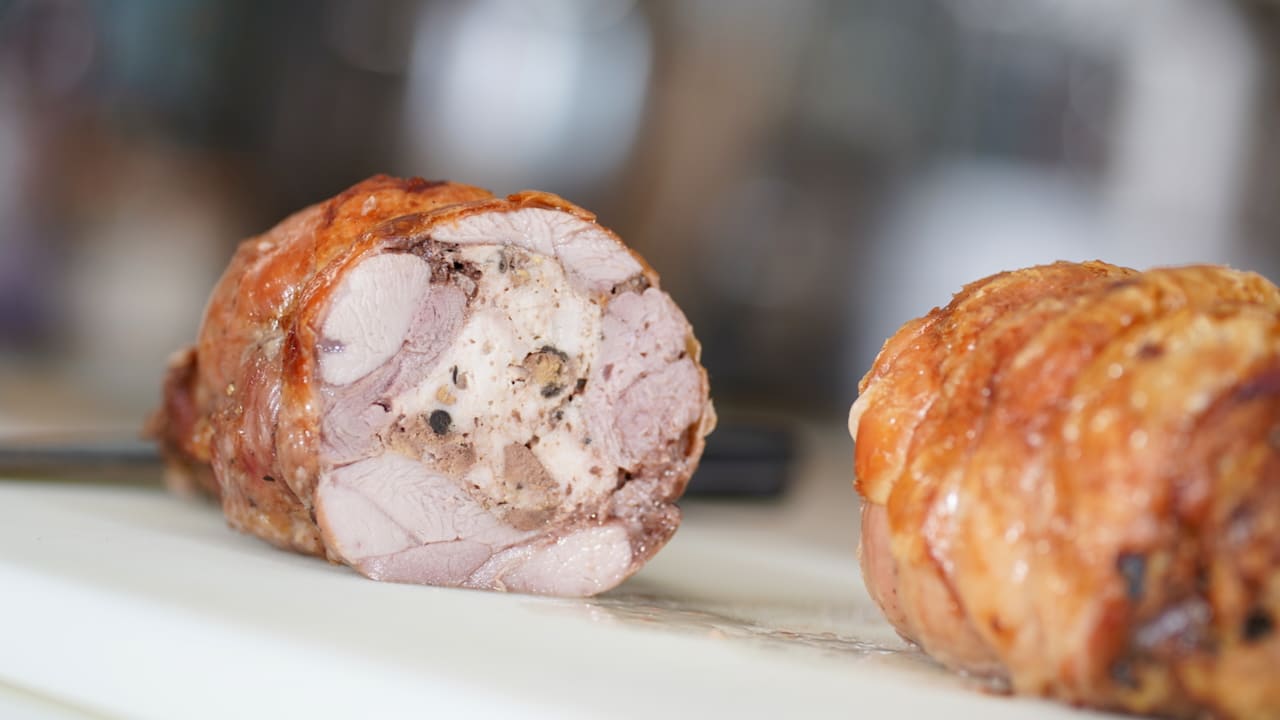

Deboned Poularde Leg
- To debone poularde legs, you can either ask your butcher or use the following technique (video coming shortly). After deboning, any remaining cartilage, nerves, and silver skin must also be removed from the chicken legs.
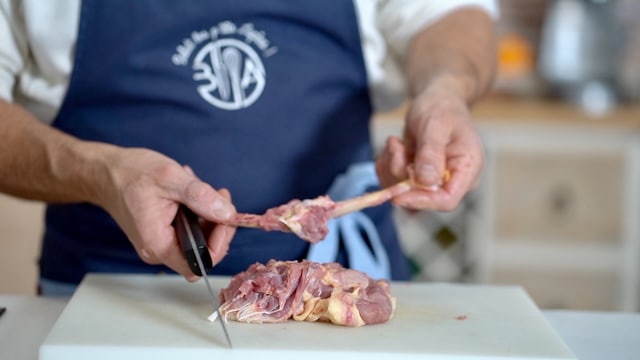

Stuffing
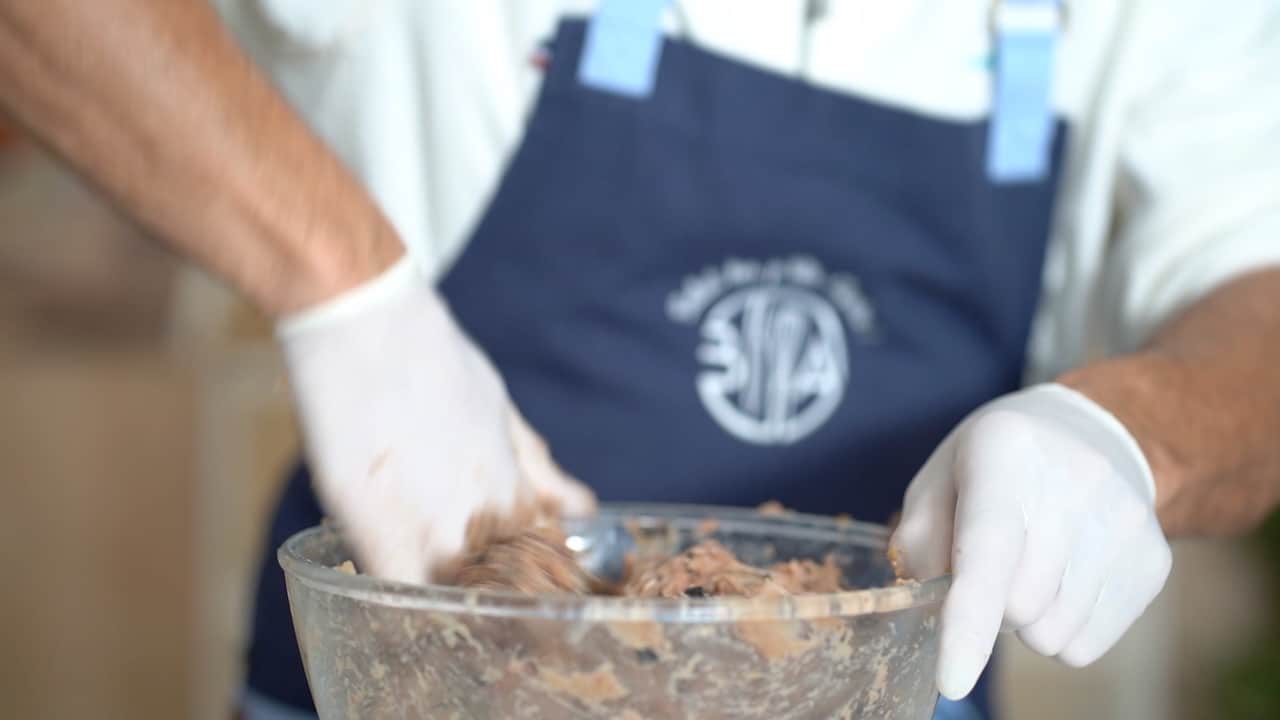
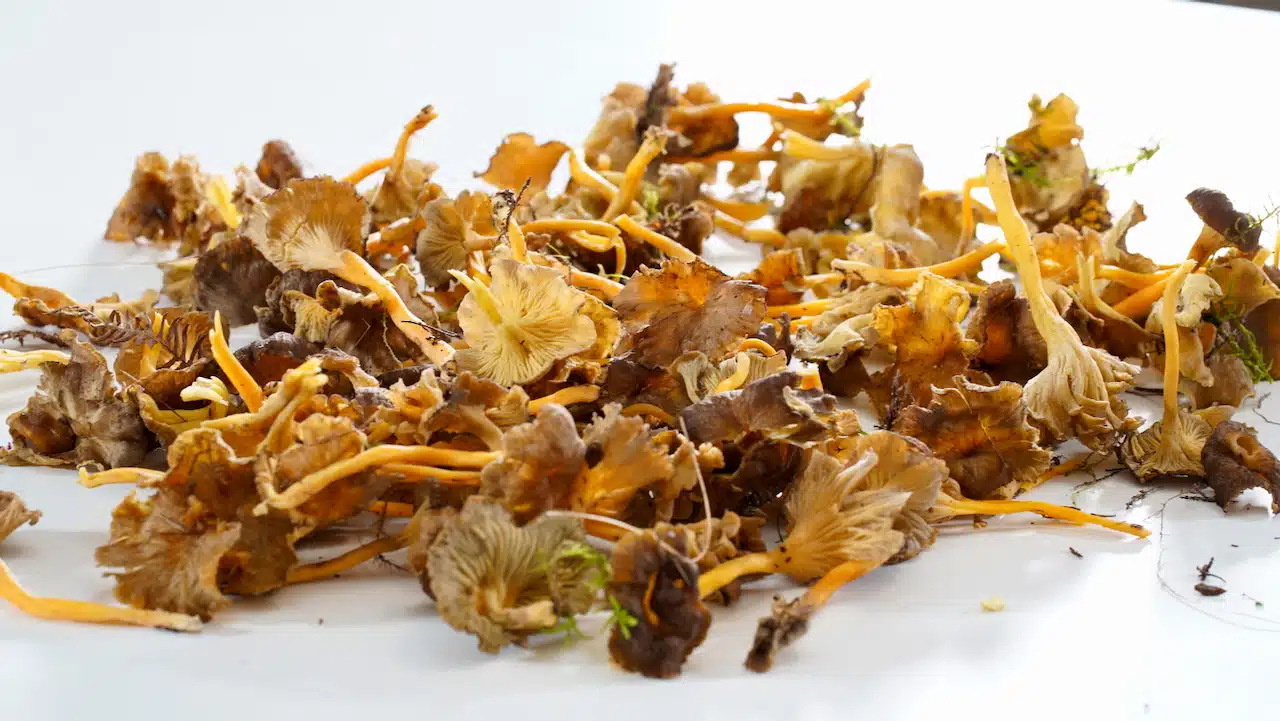
- Use mushrooms like chanterelles, porcini, or shiitake. For a luxurious note, add some grated black truffle, whose strong scent should be used judiciously. Clean mushrooms accordingly and chop into small pieces. Clean the chicken livers by removing the white membranes and any visible blood spots. Roughly chop the livers and keep them refrigerated. In a large skillet, melt the duck fat over medium heat. Add the shallots and sweat for 5 minutes. Stir in garlic and the minced prosciutto, and cook until fragrant, about 3 minute. Add the mushrooms and season with salt and pepper.
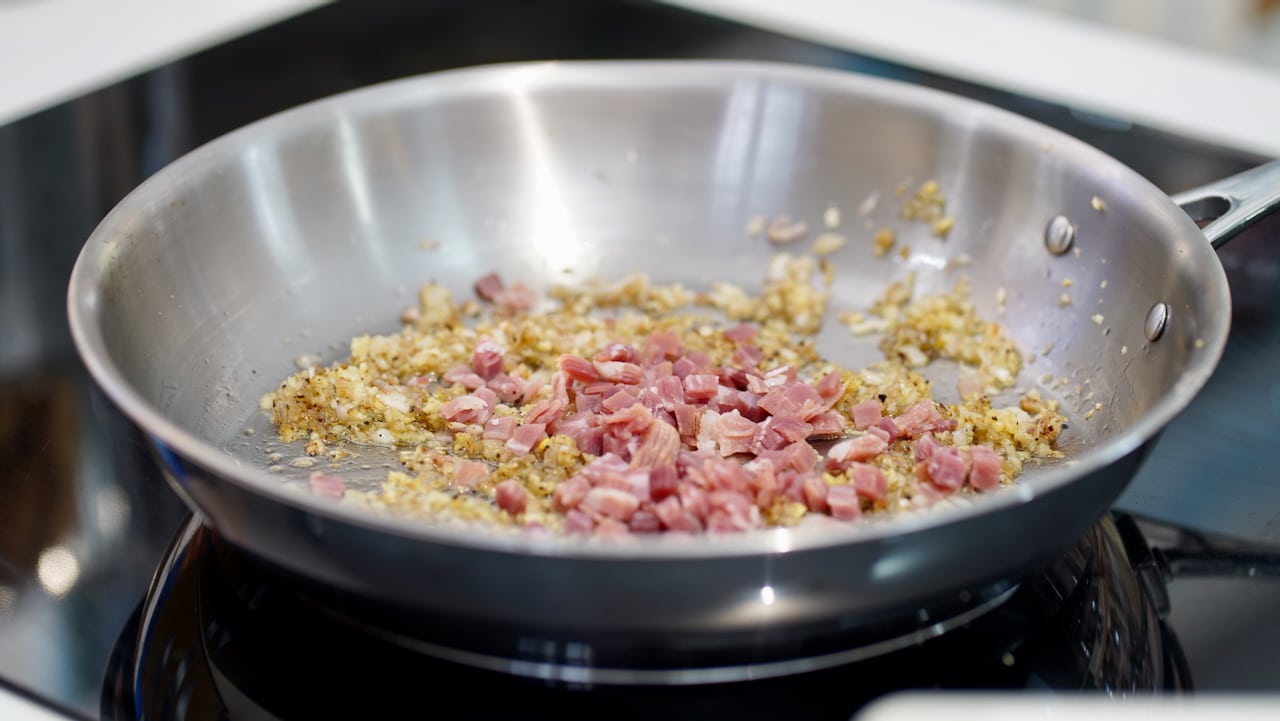
- Increase the heat to high, add the chicken livers, and sauté 4 minutes.
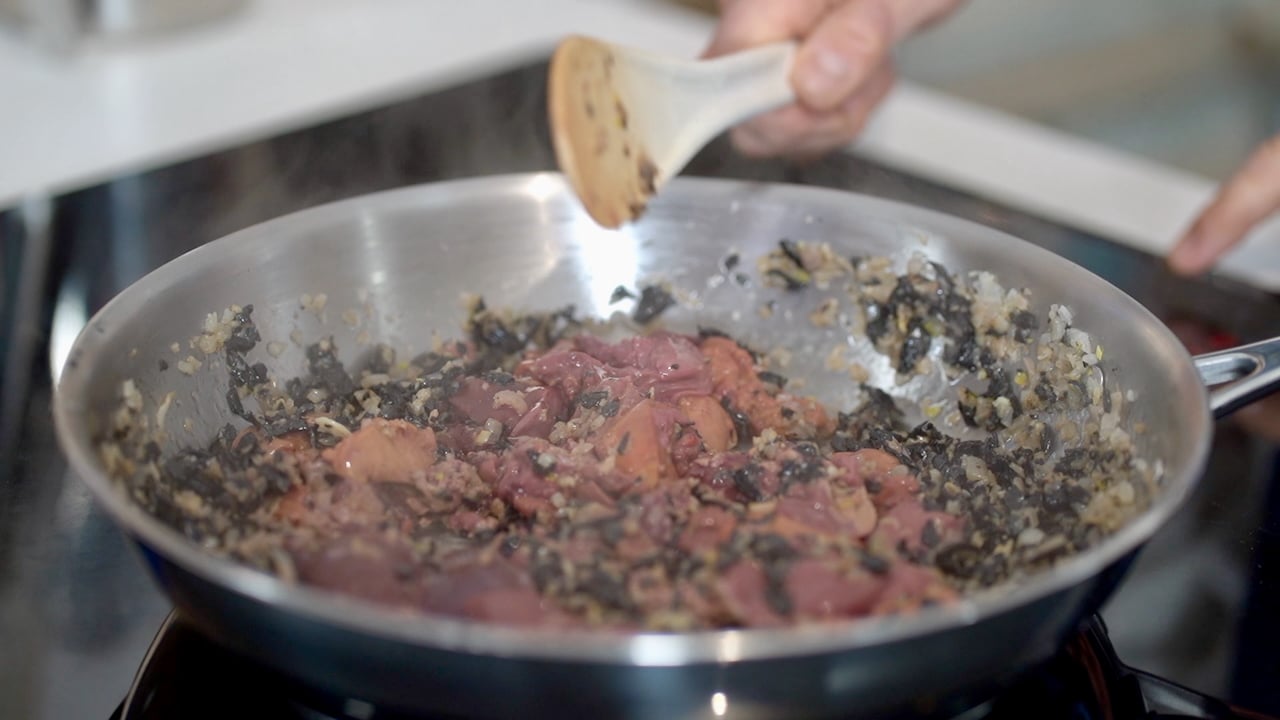
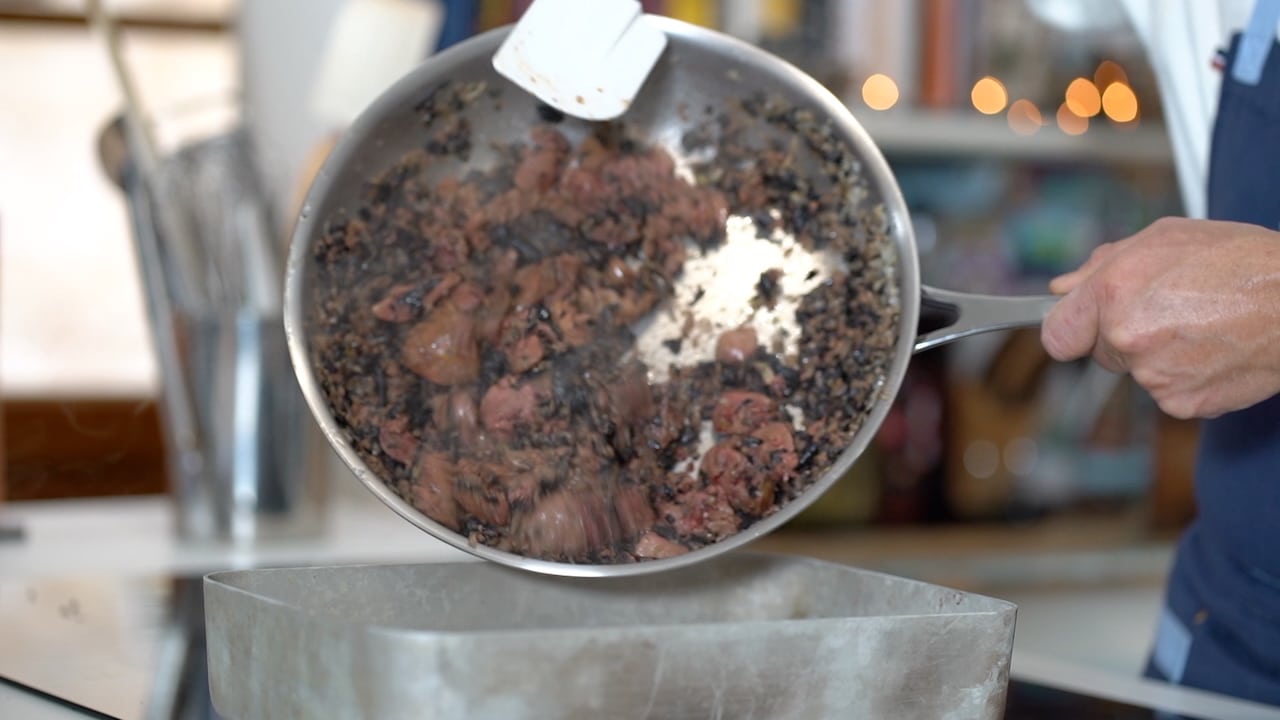
- Transfer the shallot-liver mixture to a chilled baking tray. Let it cool, then place it in the refrigerator. Once chilled, transfer mixture in a large bowl.
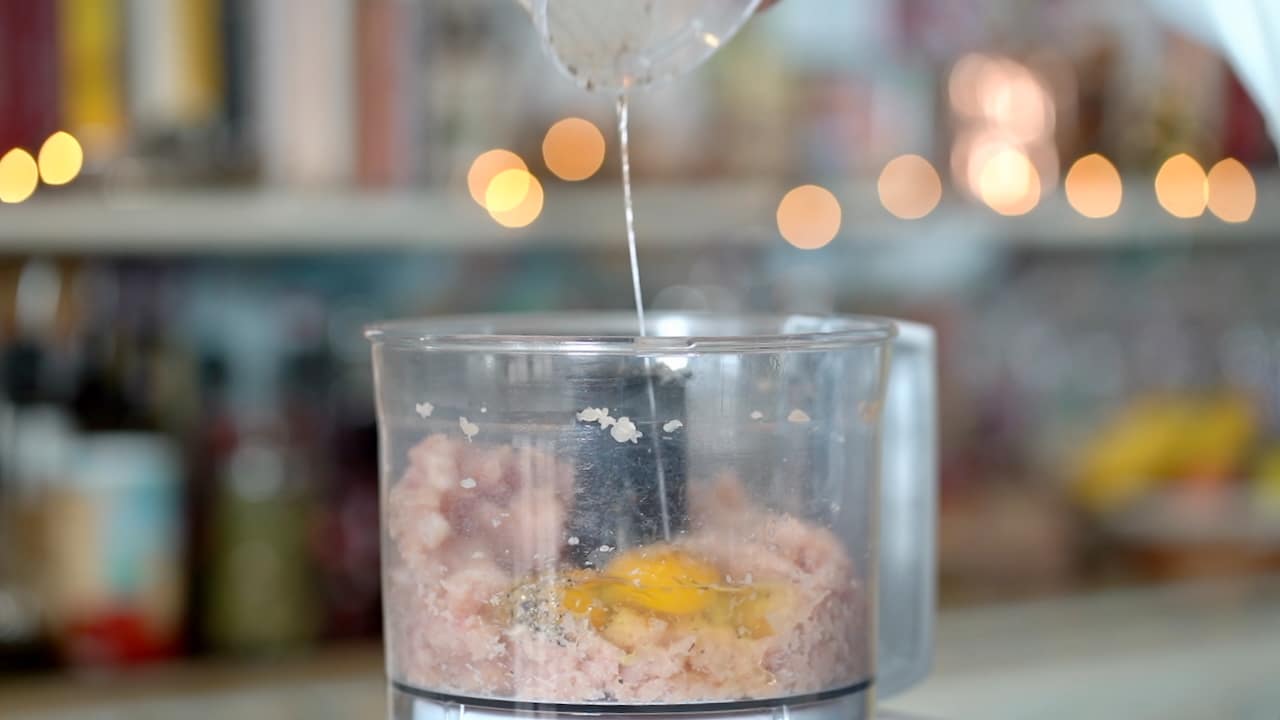
- In the food processor: Begin by gently shredding the chilled breast pieces, add the eggs, salt, pepper and parmigiano reggiano, and pulse for a few more times until combined. Do not over process.
- Add the shredded breast to the shallot-liver mixture.
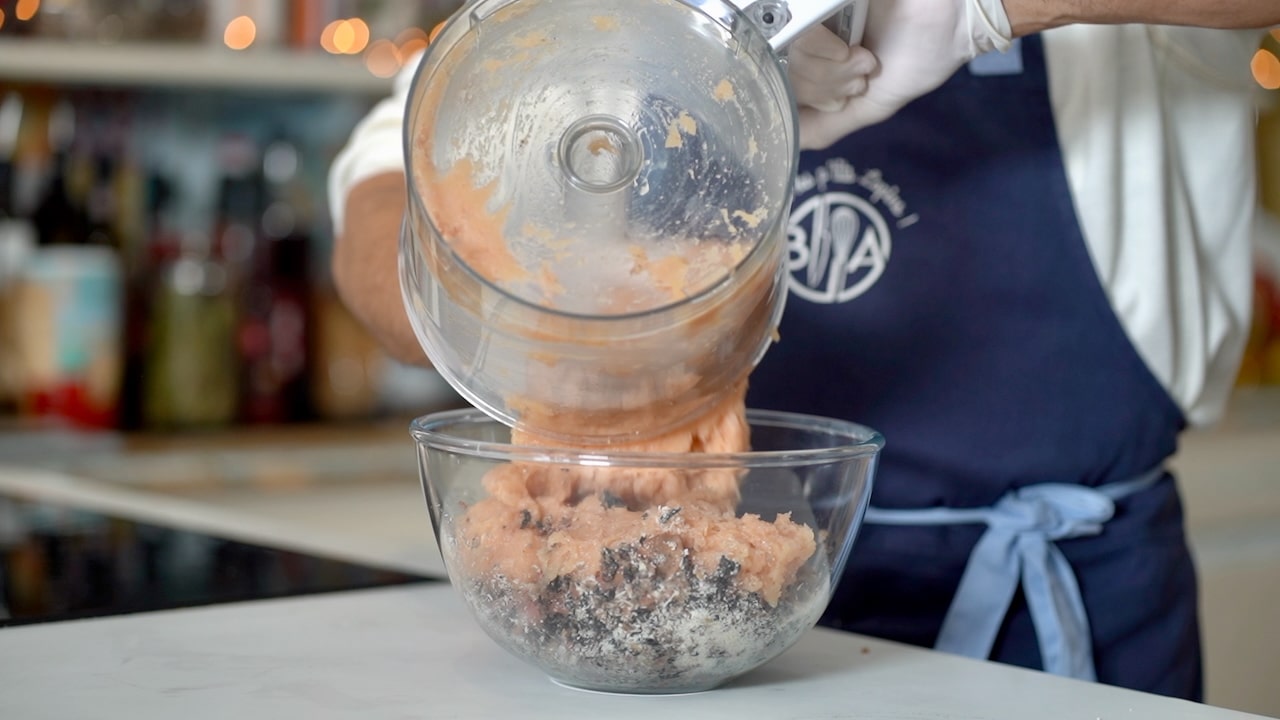
- Combine the two mixtures. Refrigerate the stuffing for up to 24 hours.


Seasoning Boned Legs
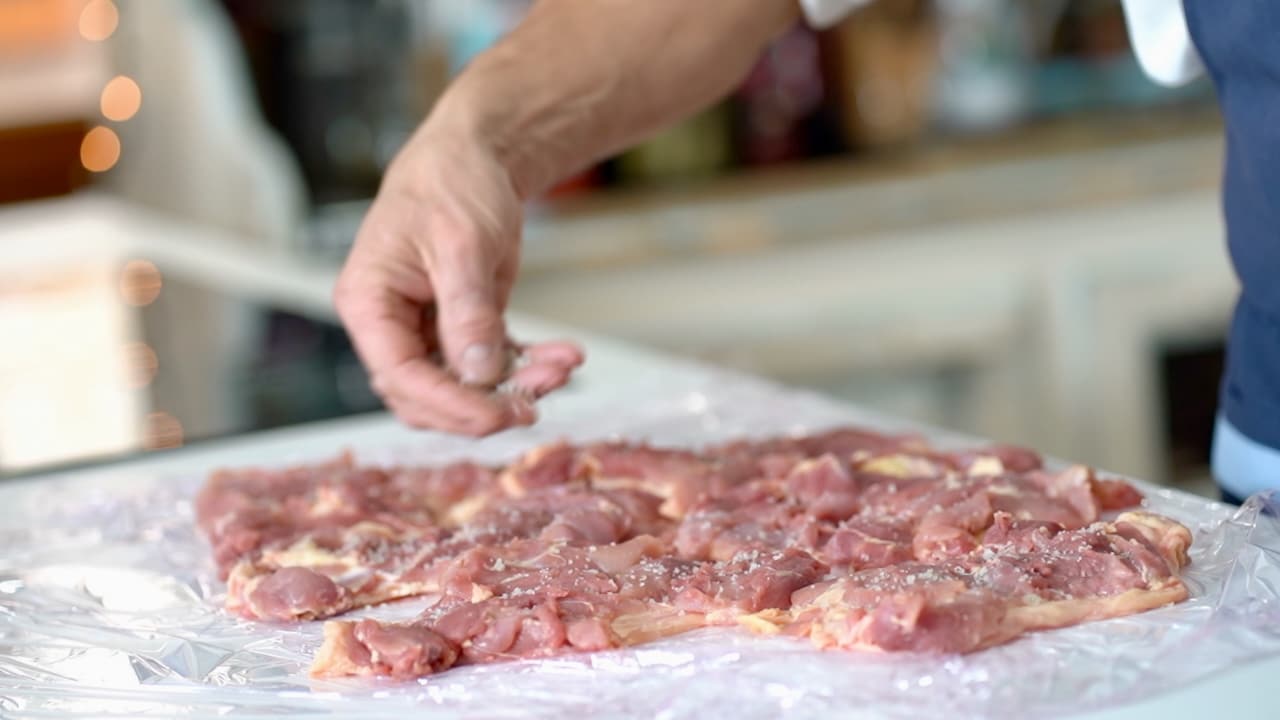
- Place the deboned poularde legs skin-side down on a large sheet of plastic wrap. Season the flesh with gray salt and freshly ground pepper.
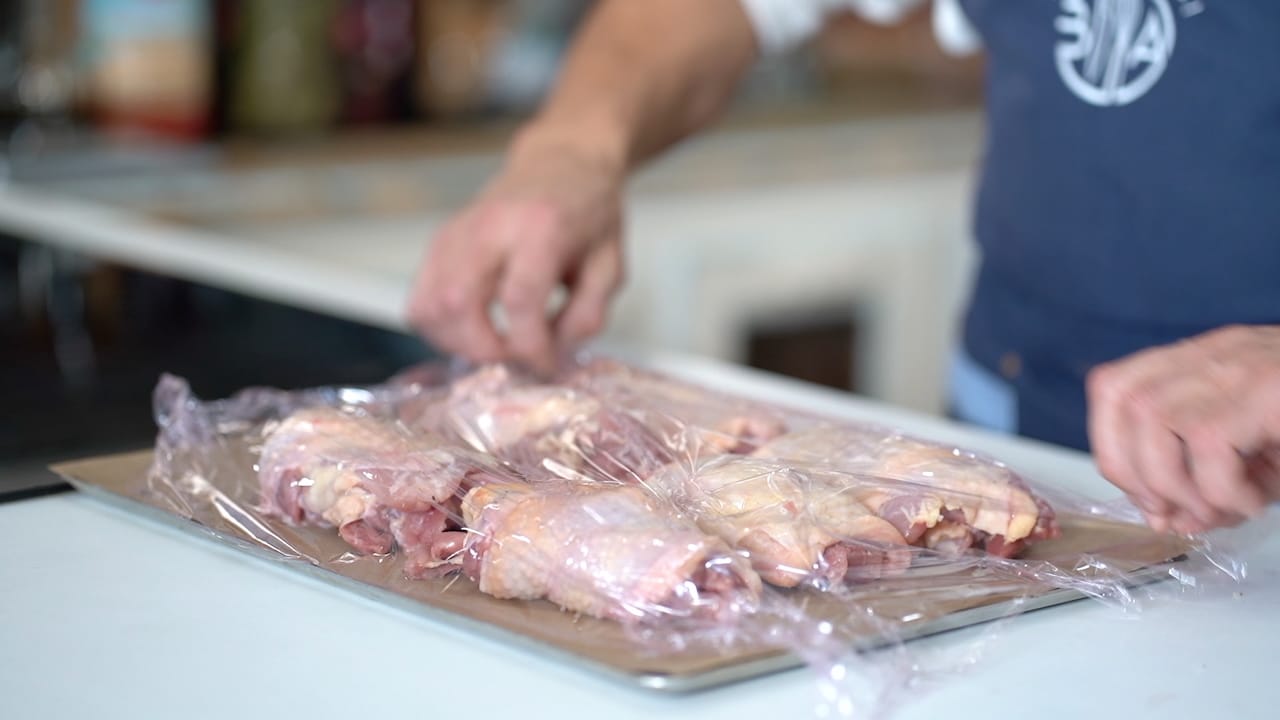
- Fold each leg into, and refrigerate overnight.
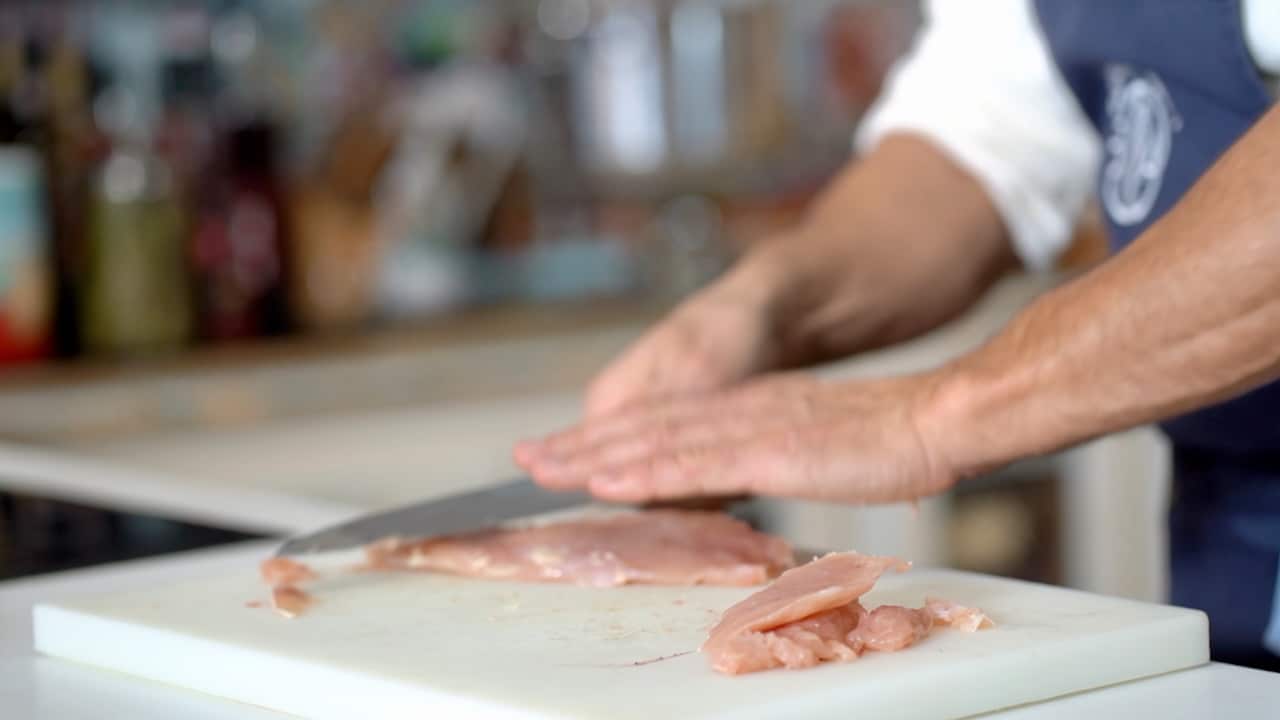
- Meanwhile, prepare the breast: cut it into scallops or butterfly it. Refrigerate until ready to use.


Poularde Roulade
- To prepare the wrap: lightly dampen the counter with a sponge. Overlay 3 large sheets of plastic wrap. Place the seasoned legs skin-side down side by side on the plastic, pressing them together to form a seamless layer of meat with no gaps.
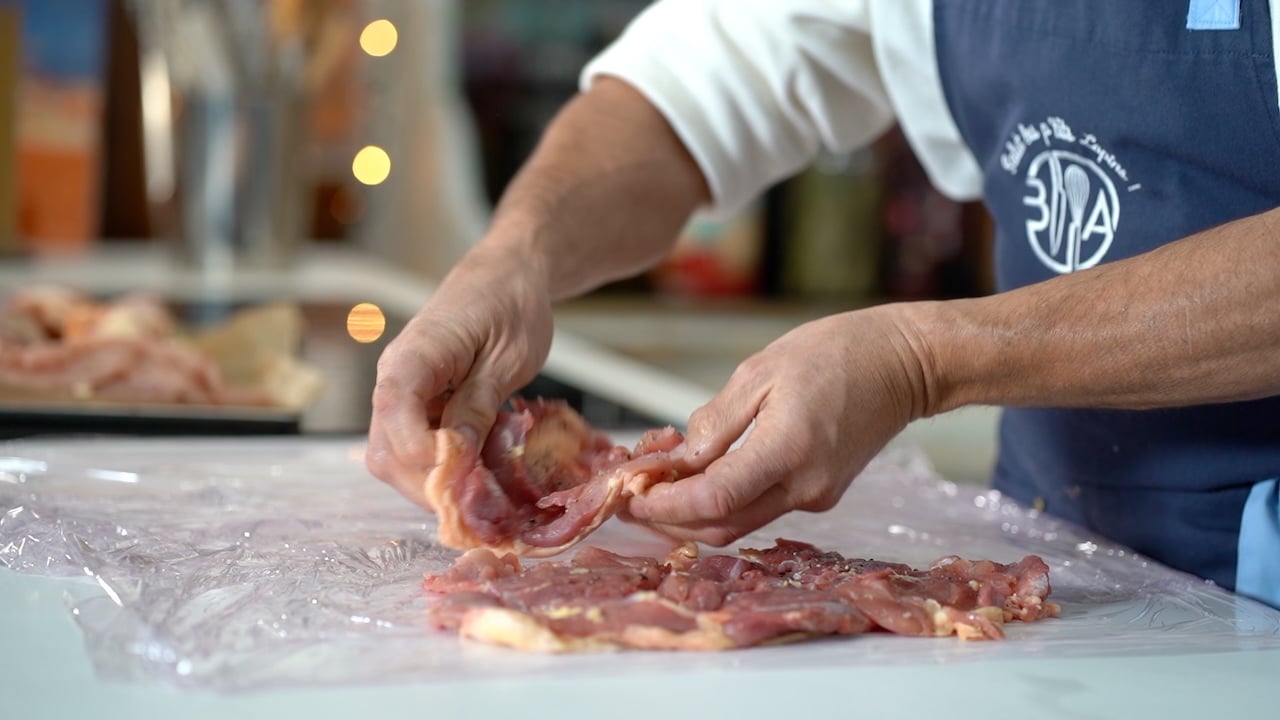
- Add the stuffing and form it into a cylinder along the length of the meat.
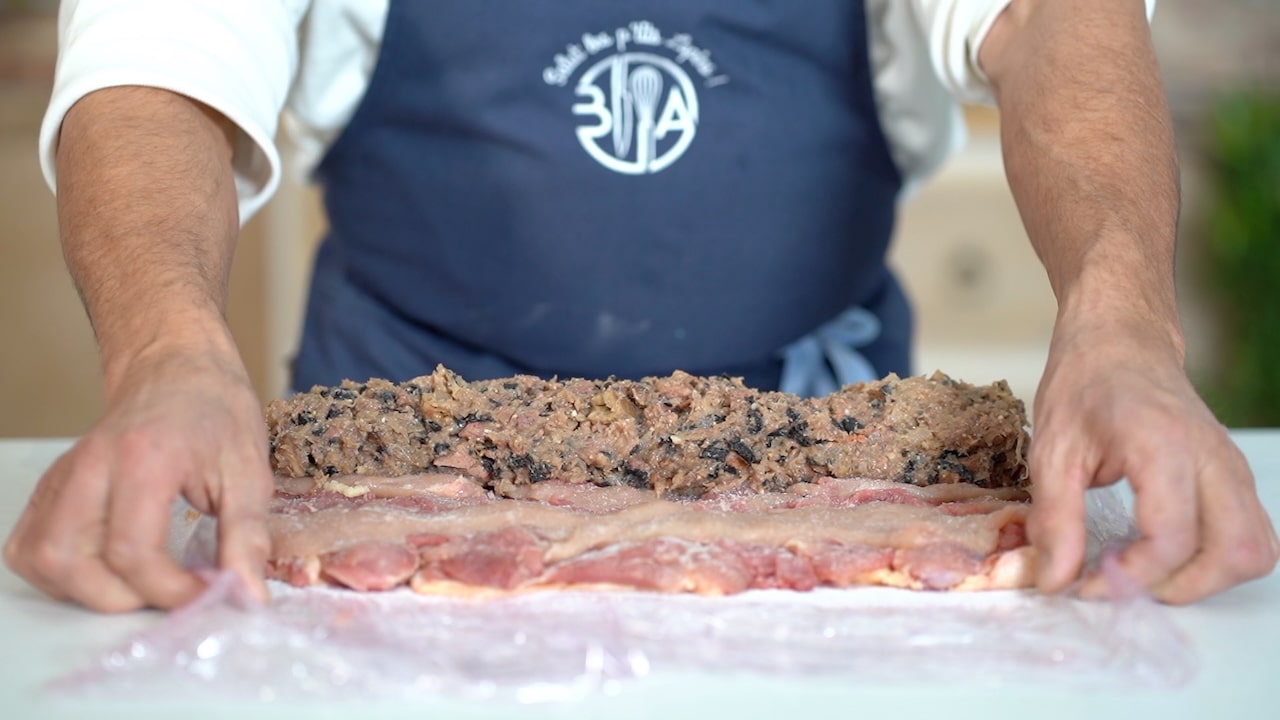
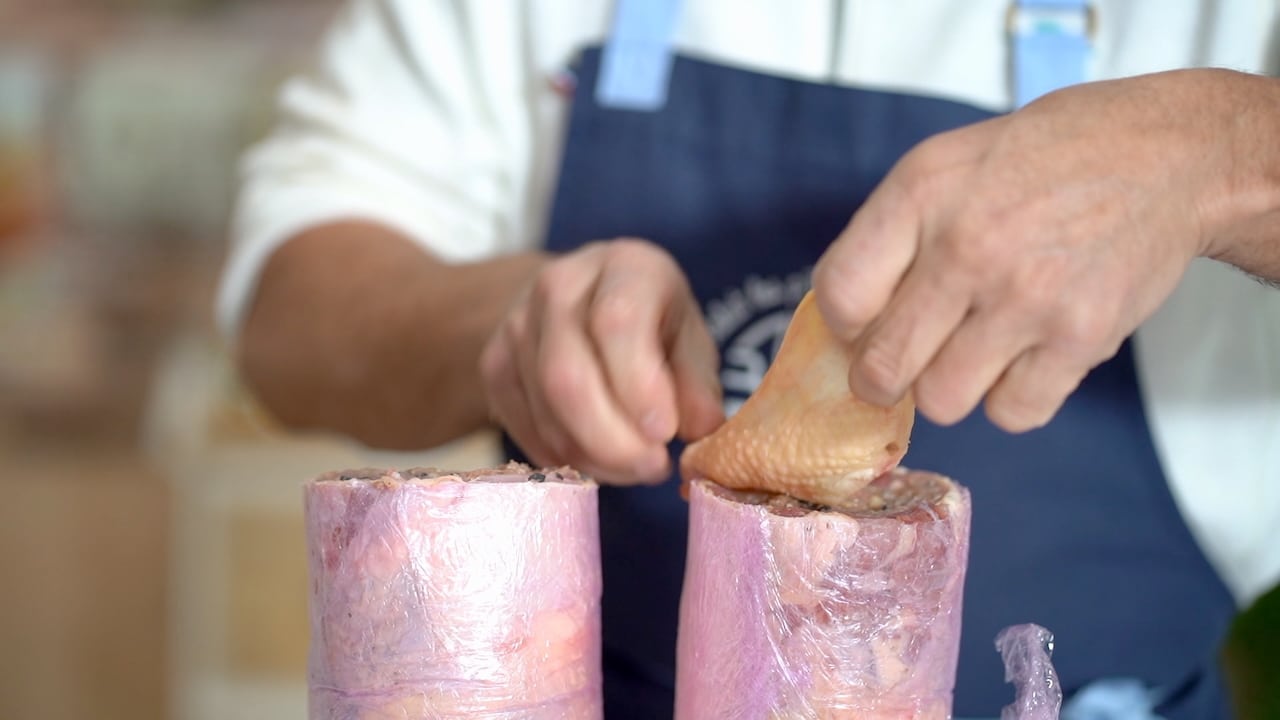
- Fold the cylinder over the stuffing, then cap each end with the reserved breast skin.
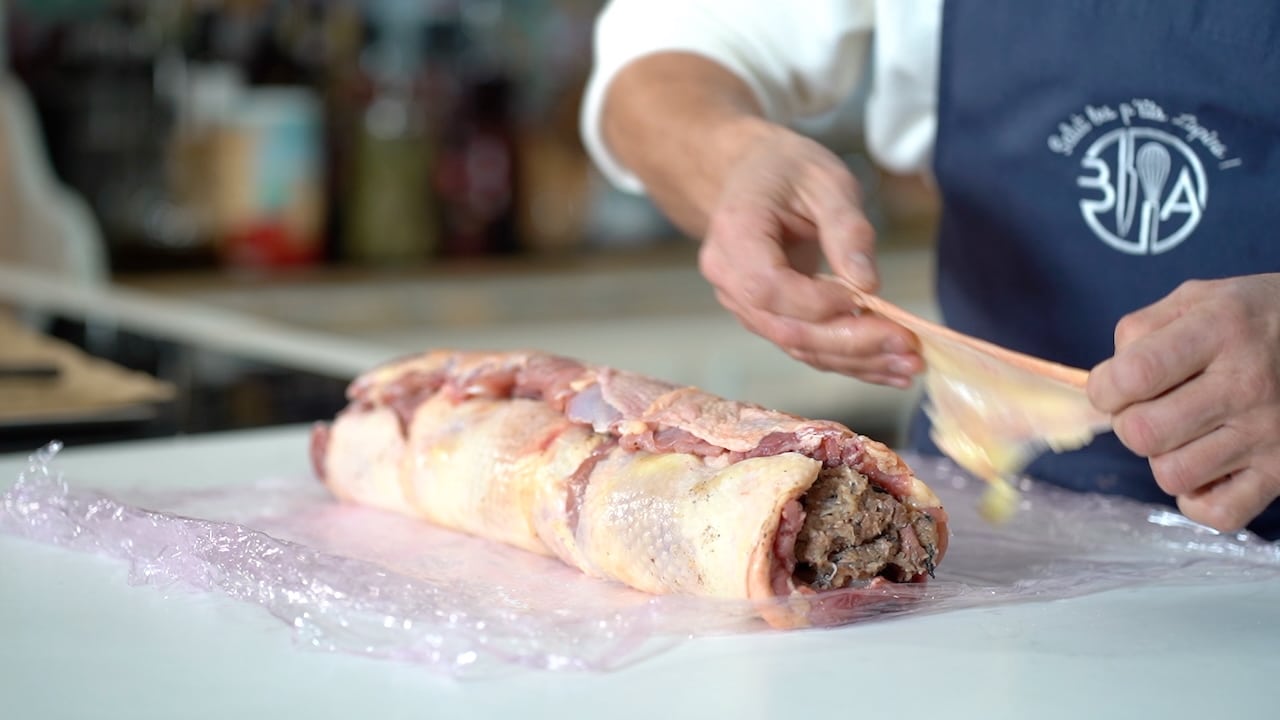
- Roll and press the stuffed poularde legs into a tight, even cylinder, resembling a thick sausage.
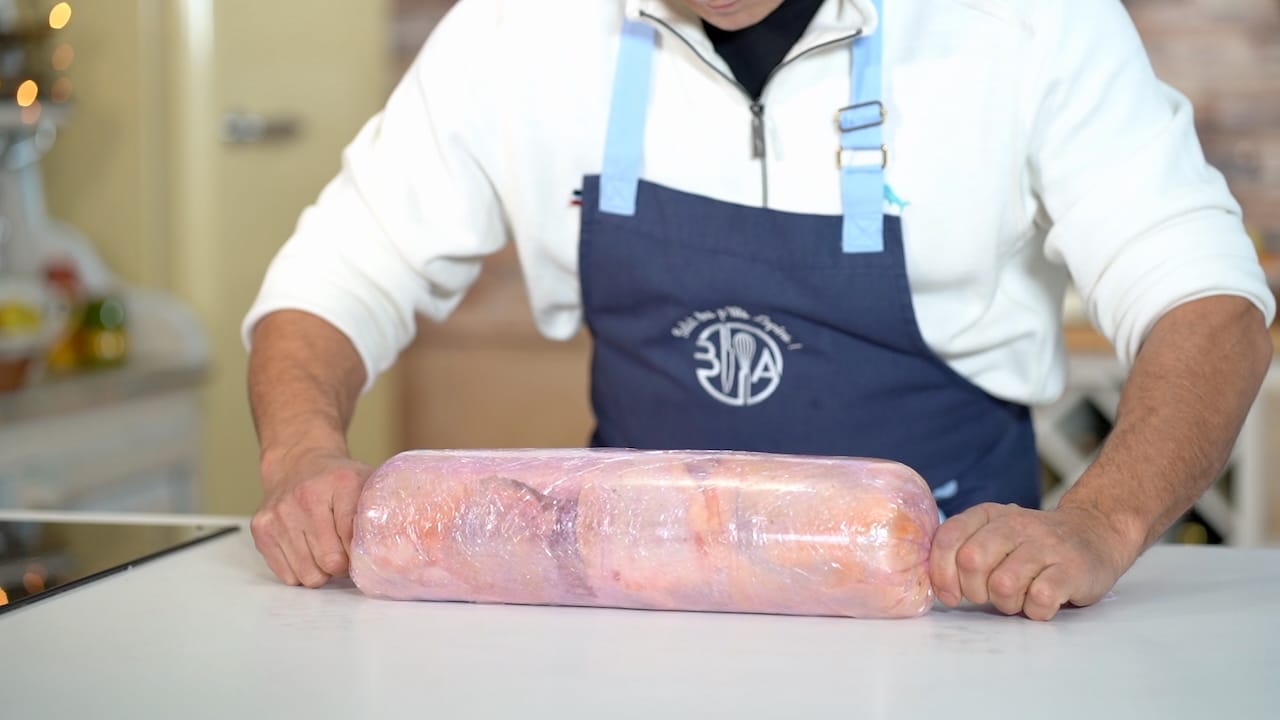
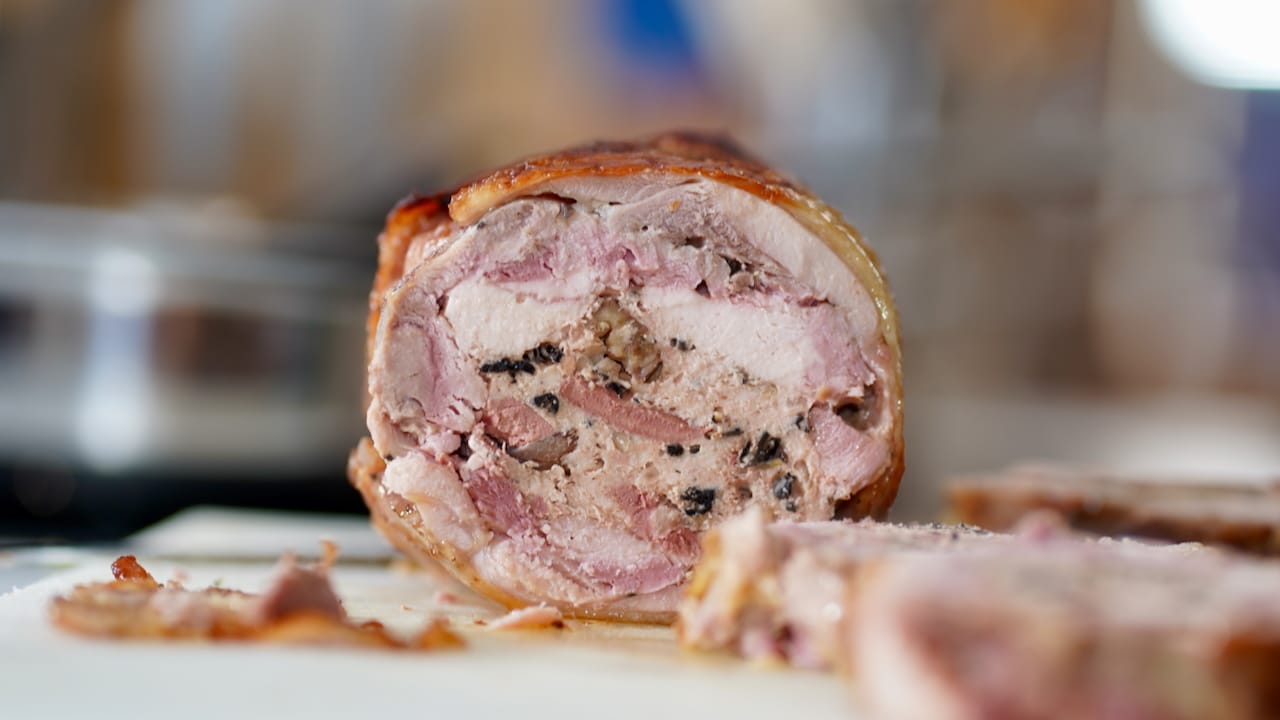
- Secure both ends tightly with kitchen twine or use the plastic film. Freeze the roast for 2 hours to set its shape. You now have a beautiful 3.2 kg roast ready for cooking.
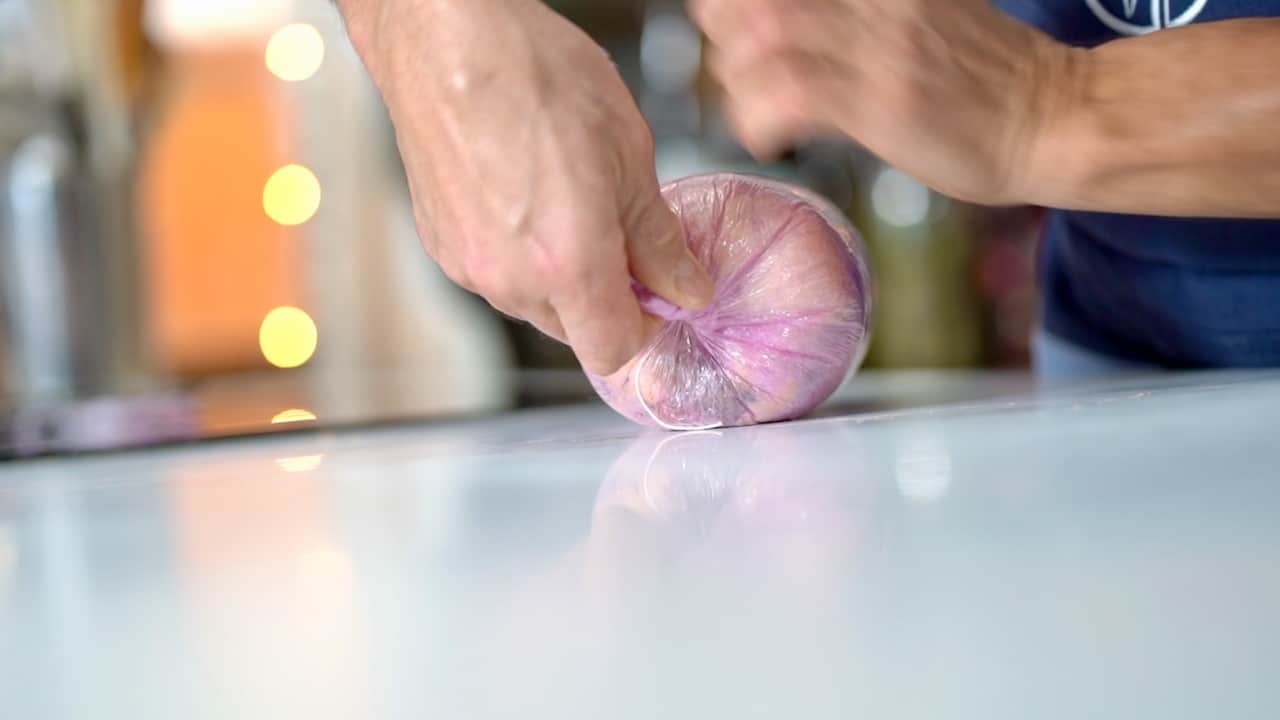
- Roast it whole if your oven is large enough. If not, cut it in half.
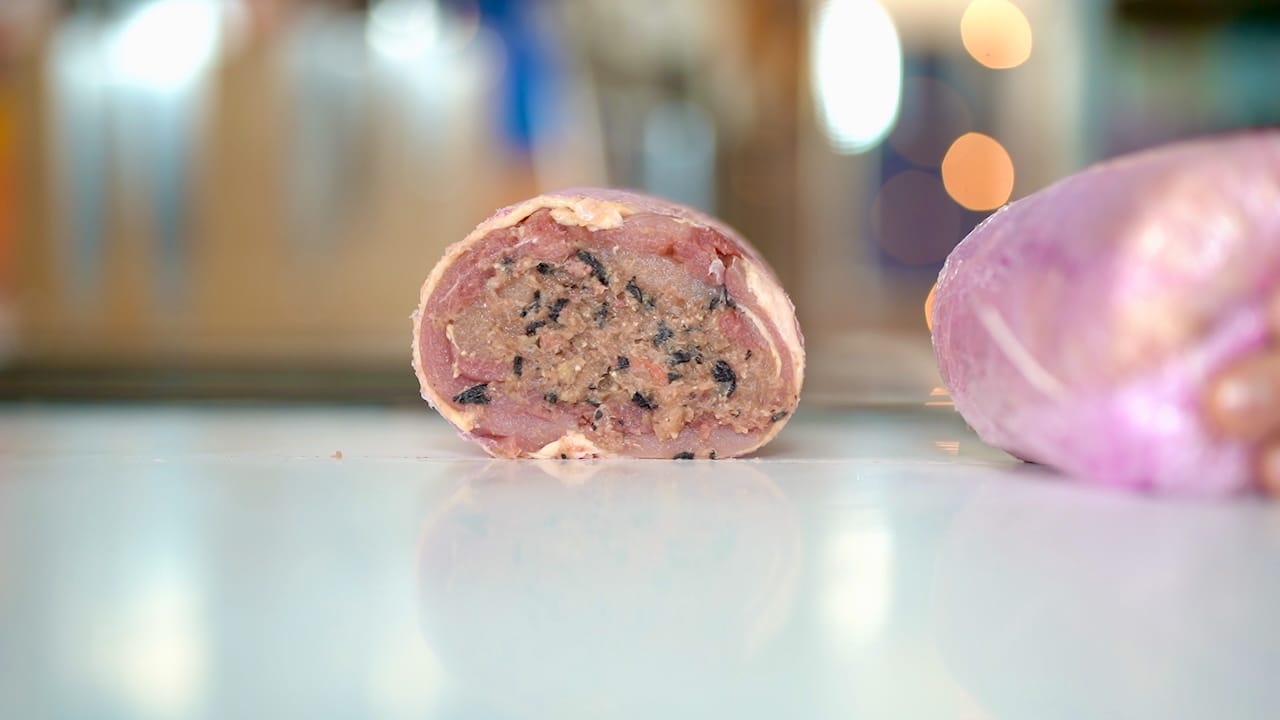
- Cap ends with the reserved breast skin. Rewrap each roast in plastic wrap, and refrigerate for up to 24 hours. A this point, the roast can be kept frozen for up to 2 months. Thaw it in the refrigerator for 24 hours before cooking.


Sous-Vide Cooking Method
- Vacuum-seal the roast. Set your thermal immersion circulator to 155°F/68°C.
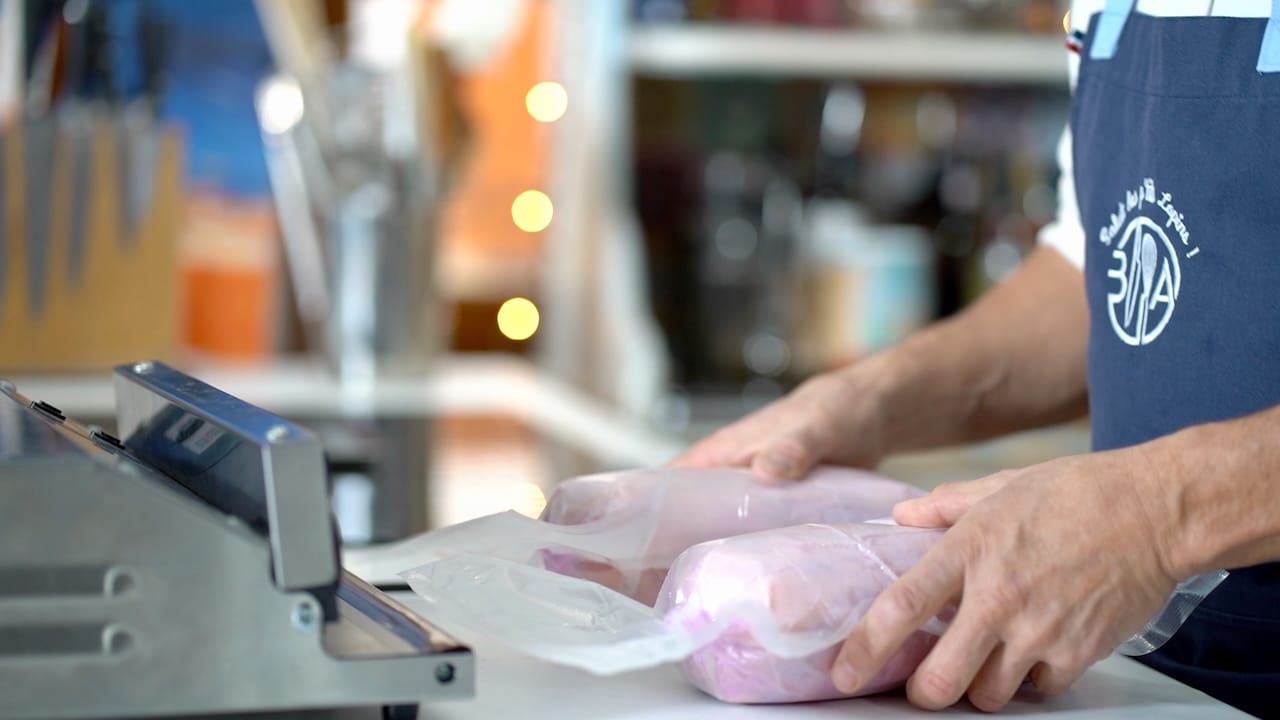
- Completely immerse the vacuum-sealed poularde roast in the water bath. Cook for 6 hours.
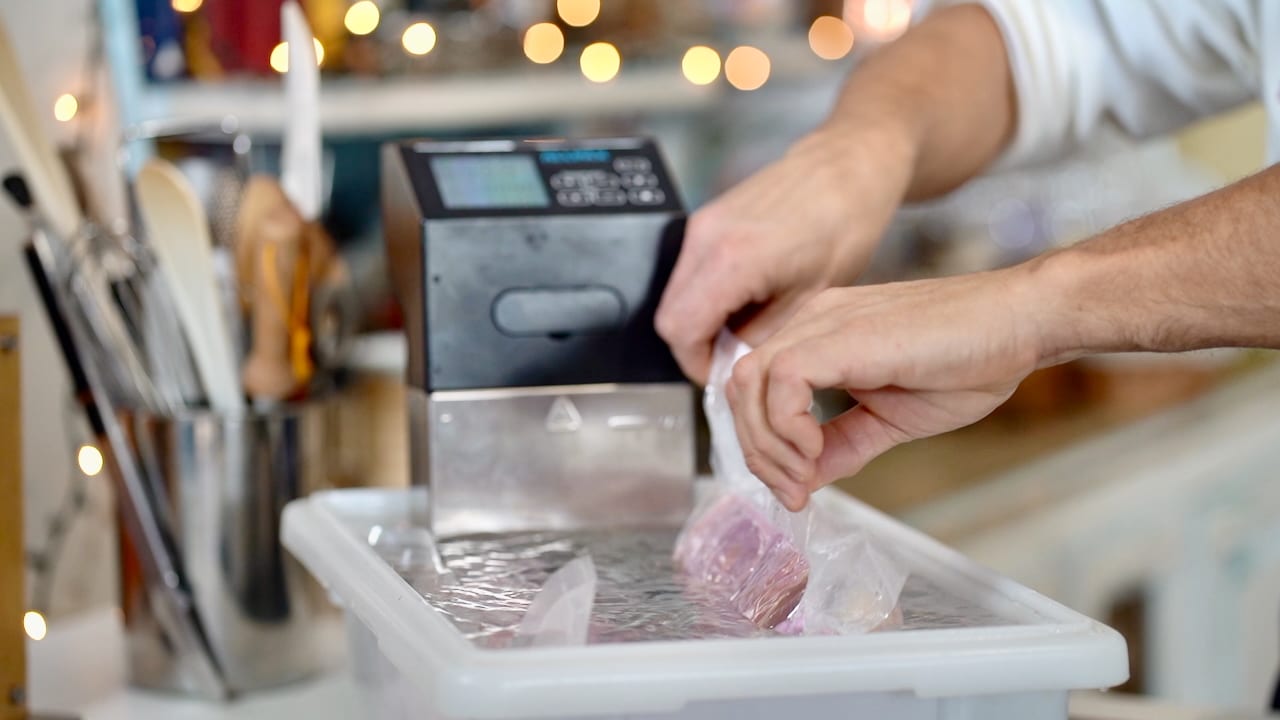
- After cooking, immediately transfer the roast to an ice bath to stop the cooking process quickly. This step is crucial for food safety and texture. After an hour or so, remove the meat from the cold water and refrigerate overnight. The roulade can be refrigerated at this point for up to 5 days.
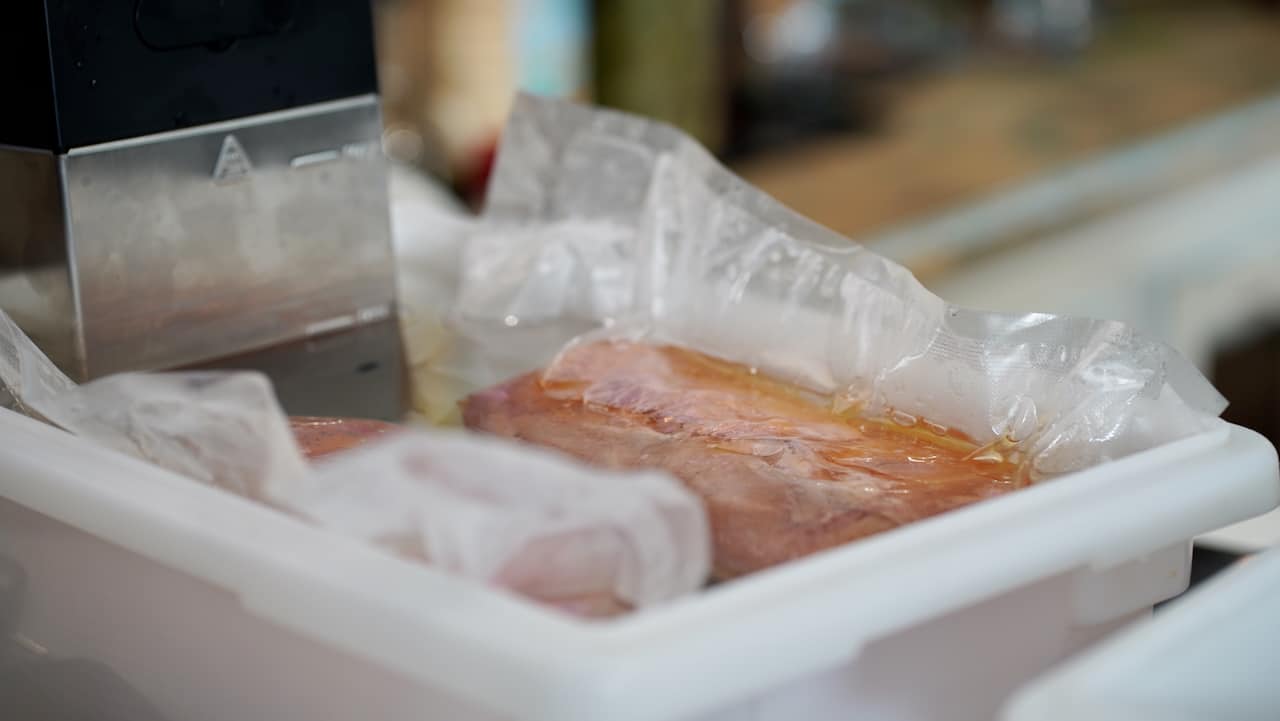
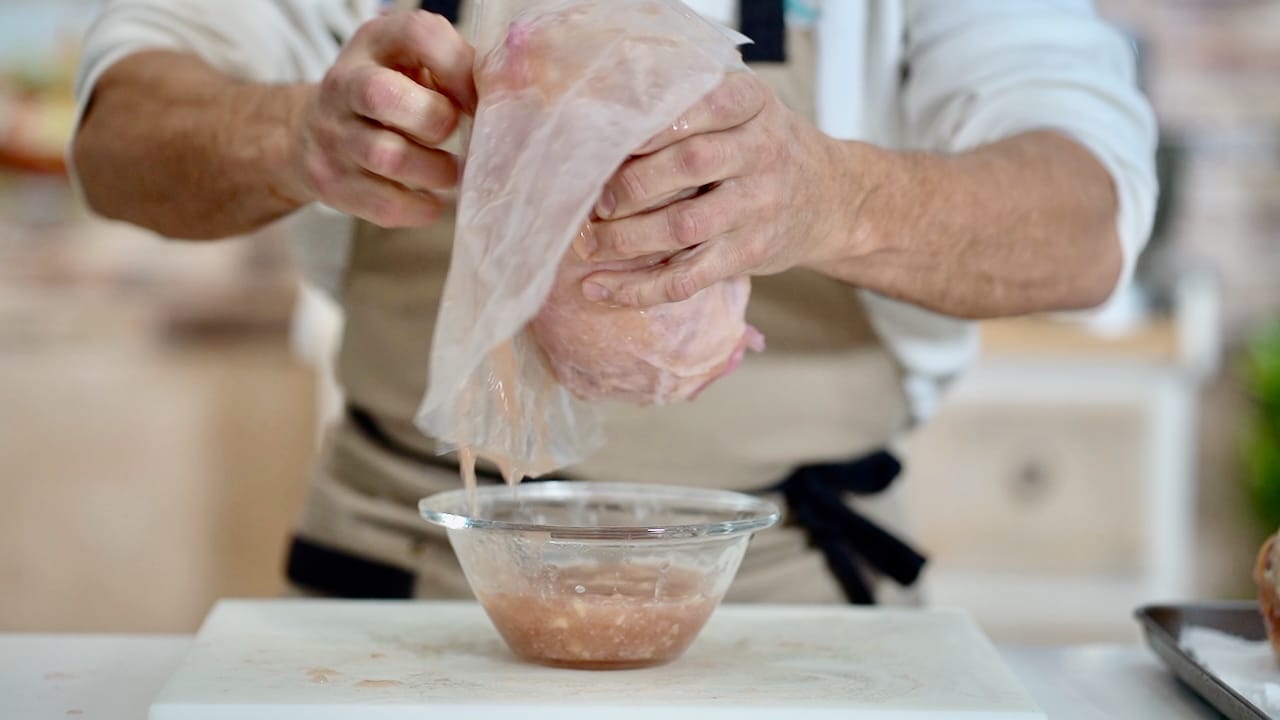
- Remove the chilled cooked roast from the bag and plastic wrap and drain. Reserve the rendered juices—this potent flavor concentrate will be added later to enrich the poularde demi-glace sauce.
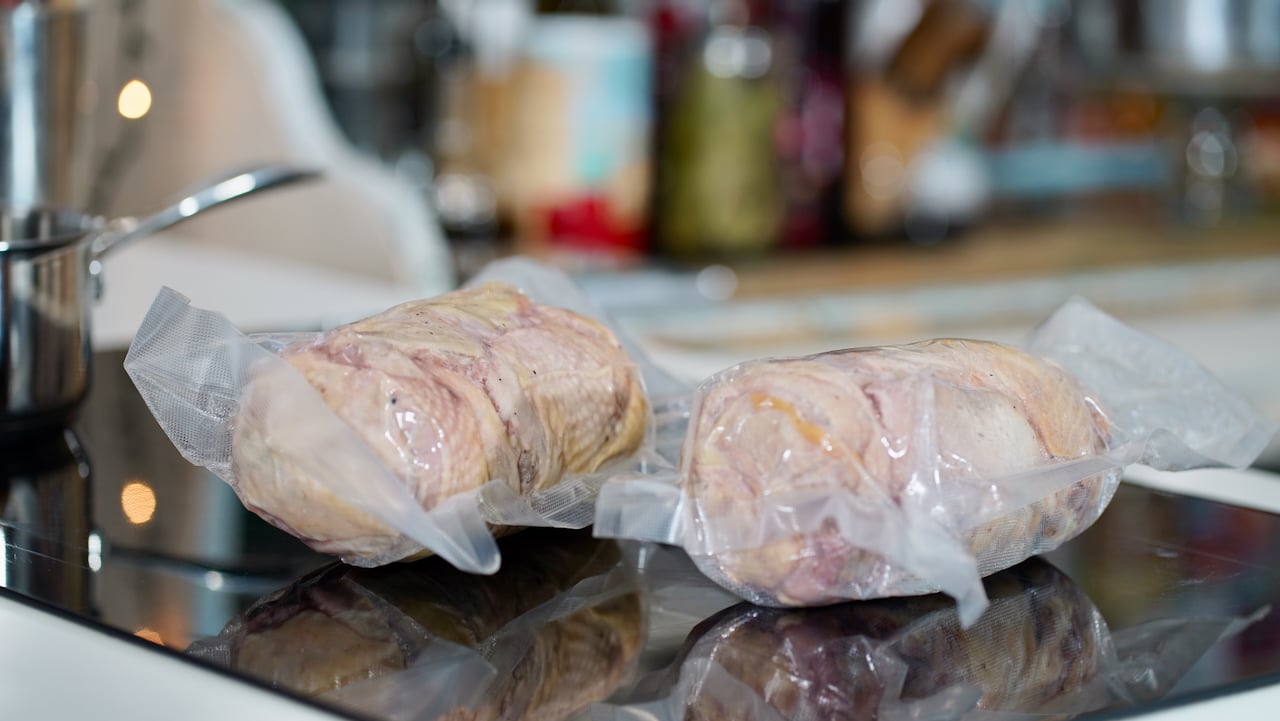
- For best results and extended storage, transfer roast to a fresh sous-vide bag and vacuum-seal.


Sauce
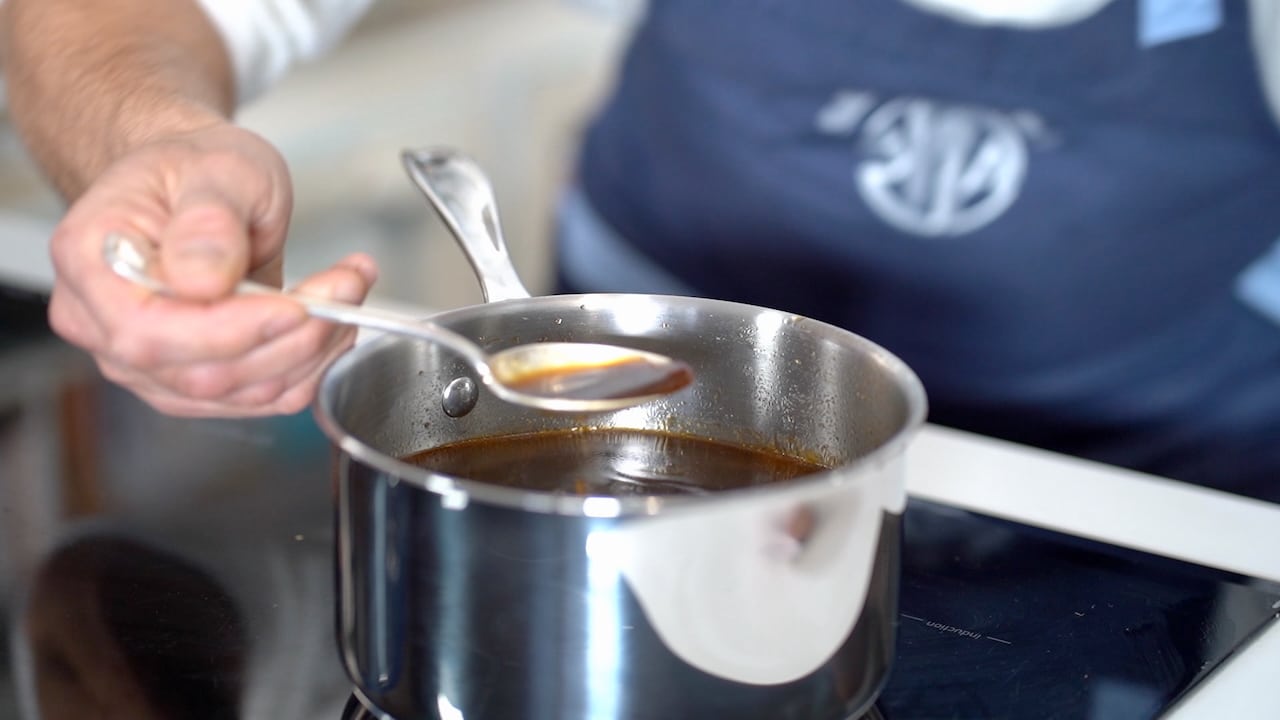
- To prepare the sauce, combine the poularde demi-glace with chicken stock or veal stock and the reserved roasting juices. Bring to a boil and then pass the sauce through a sieve. If a thicker consistency is desired, adjust it with a prepared roux or a cornstarch slurry. Finally, season with salt and pepper to taste, and swirl in a few pieces of cold butter right before serving it.
High Heat Sear
- Preheat your fan oven to 445°F/220°C. For a crispy finish: Pat the outside of the roast dry with paper towels. Sprinkle salt all over the skin.
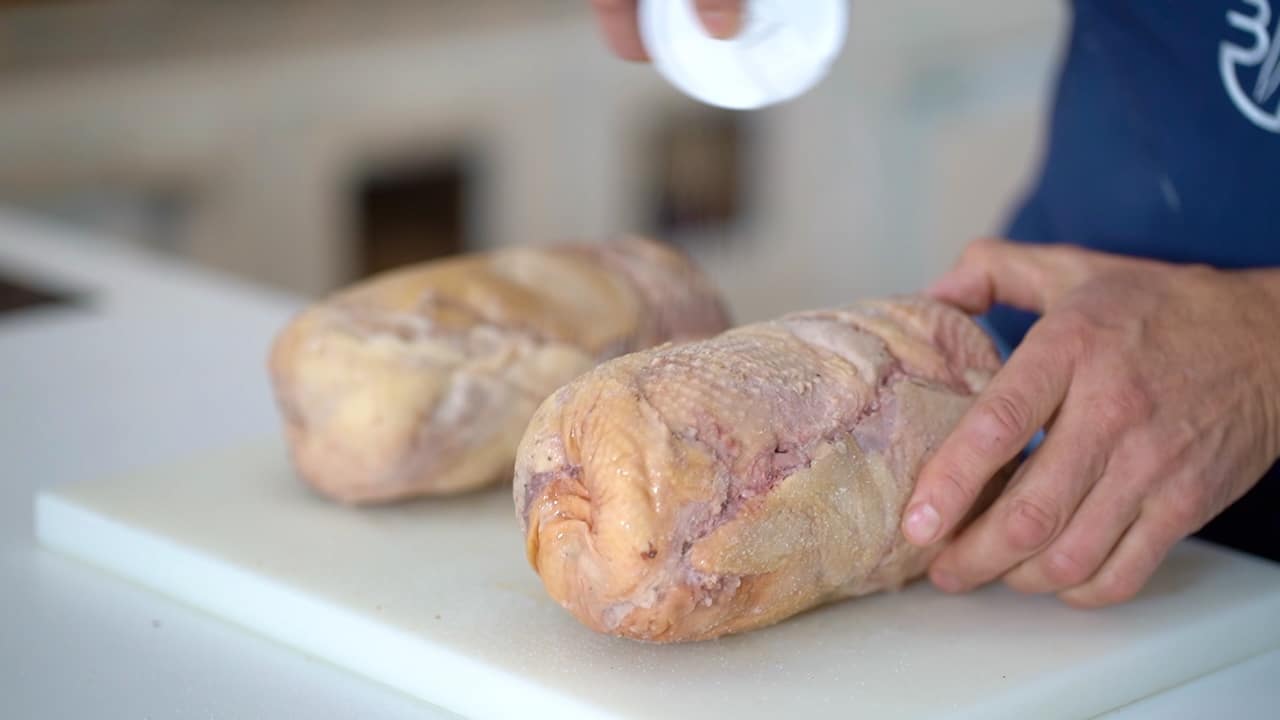
- Place a sautoir over medium-high heat. When hot, add one tablespoon of duck fat. Place the seasoned roast in the pan, then immediately transfer the pan to a preheated oven to sear for approximately 25 minutes, or until the skin is golden brown and crisp. (Alternatively, you may sear the roast on all sides on the stovetop before finishing it in the oven.)
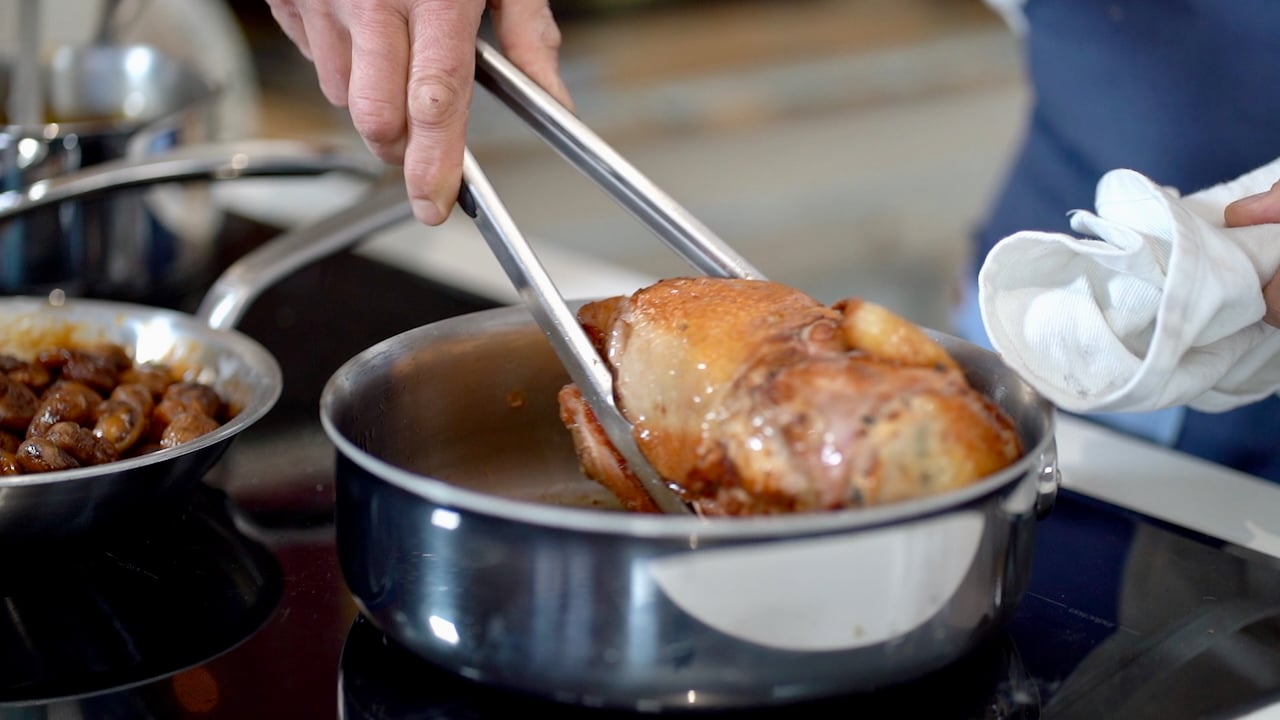
- Since the meat was cooked sous vide, it does not require resting after searing.


Final Presentation
- Warm the cooked chestnuts in a pan over low heat with some of the sauce and a splash of water or stock. Season with salt and pepper.
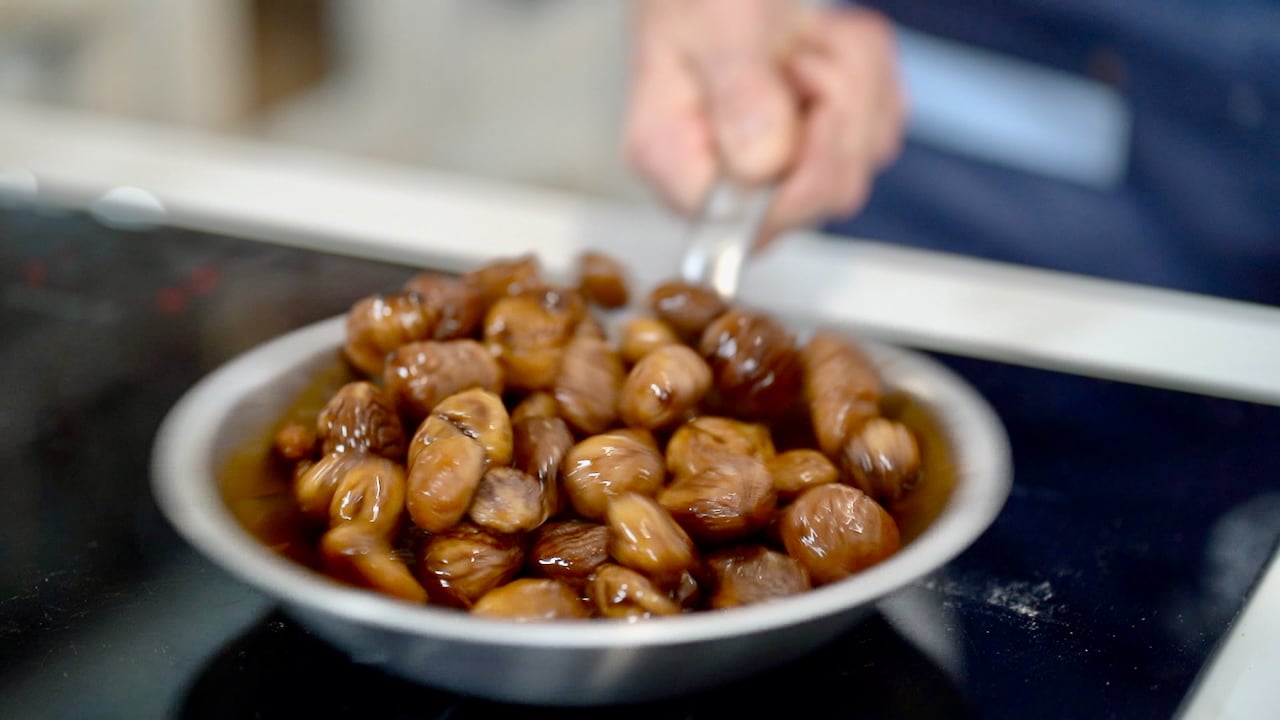
- Meanwhile, sauté the blanched vegetables in duck fat or butter with a few crushed garlic cloves over high heat for 5 minutes (you can also use the same pan in which the poularde was seared). Then, spread the vegetables onto two baking trays and keep them warm in the oven.On a large, warmed serving platter, arrange the roasted vegetables in a circle. Place the roast in the center, add the chestnuts, and drizzle some of the sauce around. Bon appétit!
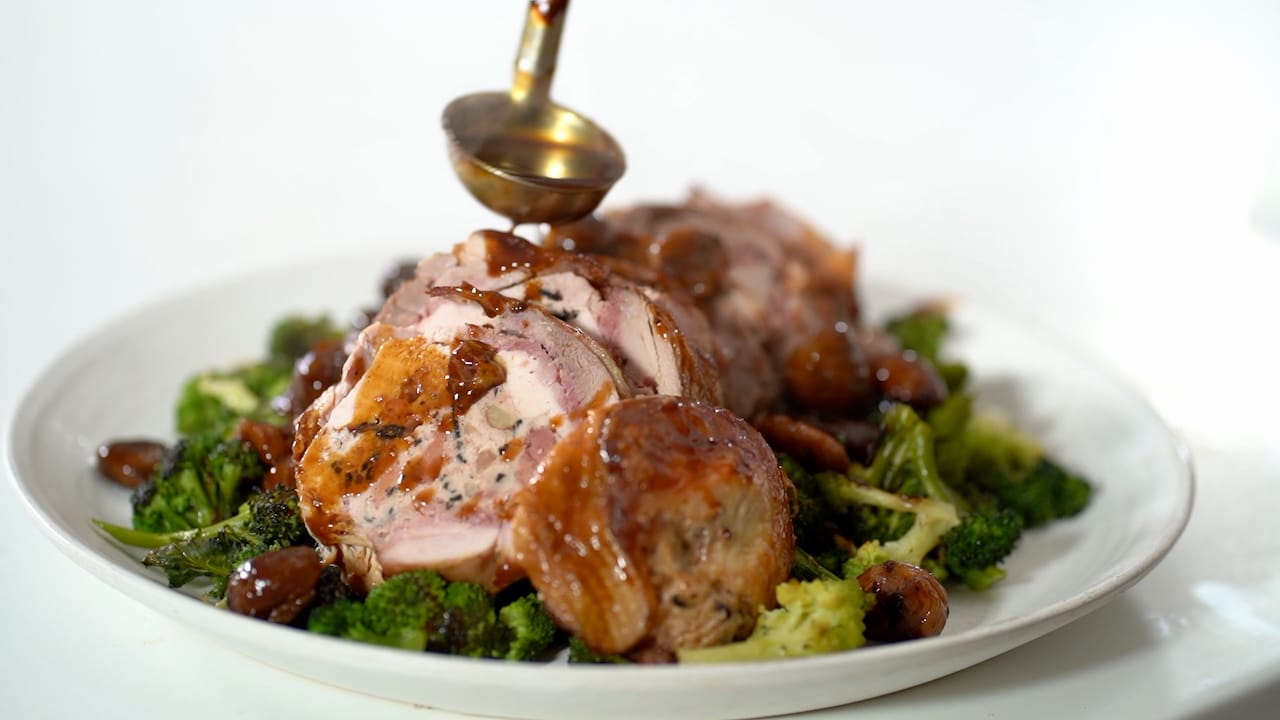


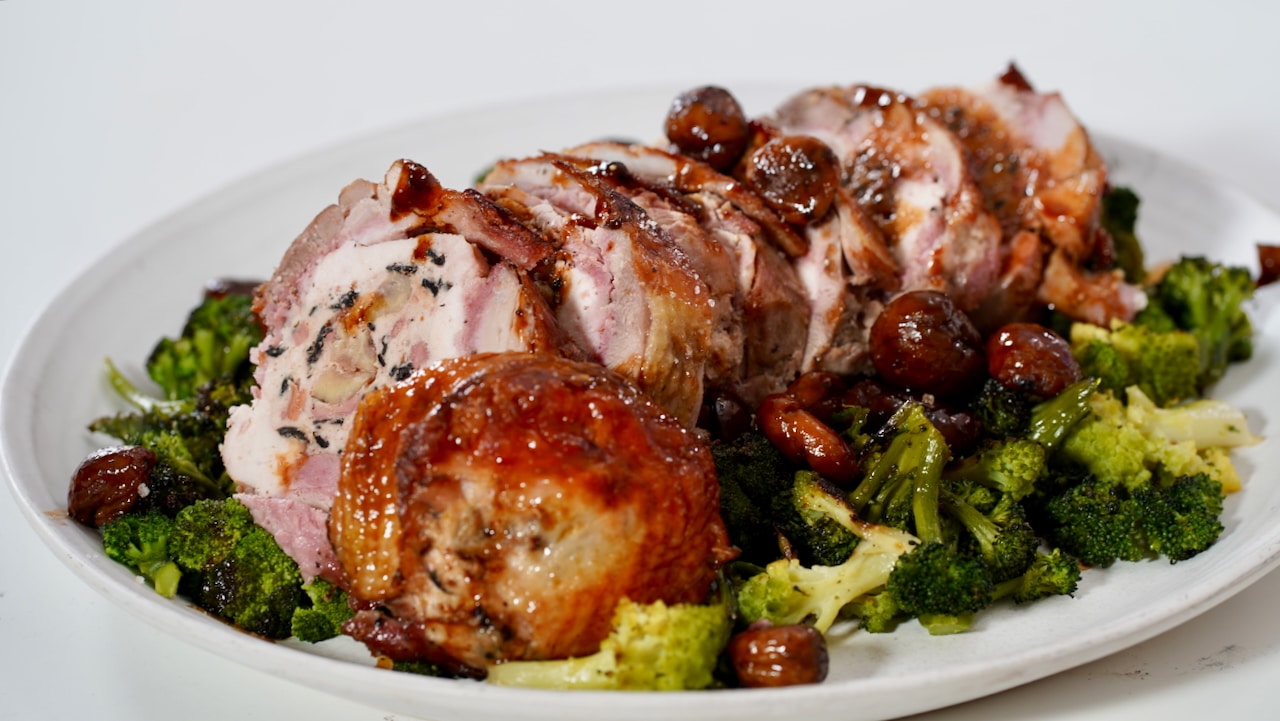
Ready to discover this recipe? You're only 1 step away.
This recipe is only accessible to registered members!
Create your account to access all recipes and content of my website.
Join us now and enjoy more 800 recipes (Mostly French with European Influences, American Classics and Asian fusion)
Already register? Sign in


Appetizers
Beetroot Red Cabbage Mango Salad

Free Recipes
How To Prepare Red Cabbage Raw


Free Recipes
Apple Pie Traybake

Cakes
Olive Oil Chocolate Cake

Desserts
Spicy Chocolate Bar

Entrees
Deboning A Poularde Leg
Free Recipes
Chanterelle

Bread
Panettone Perdu

Free Recipes
Mustard Fig Spread

Free Recipes
Poularde Demi-Glace
