
Please note that the full access to this content needs a "Year at the table" subscription: please sign up.
Often called the world's most complicated brioche, a successful panettone lives or dies by its cultivated sourdough starter...
This recipe is a protected and only available for paid members. To obtain the full step by step recipe and detailed ingredients list, please sign up.
Preview the recipe
Leaven For Panettone
- Before making the panettone, the leaven / levain Lievito Madre is refreshed 2 times at intervals of 4 hours. Each refreshment dilutes the acidity and boosts yeast activity, bringing the starter to a peak of strength and a perfect pH ≈4.1. As a point of information, the target pH for bread making is a lower value, around 3.5.

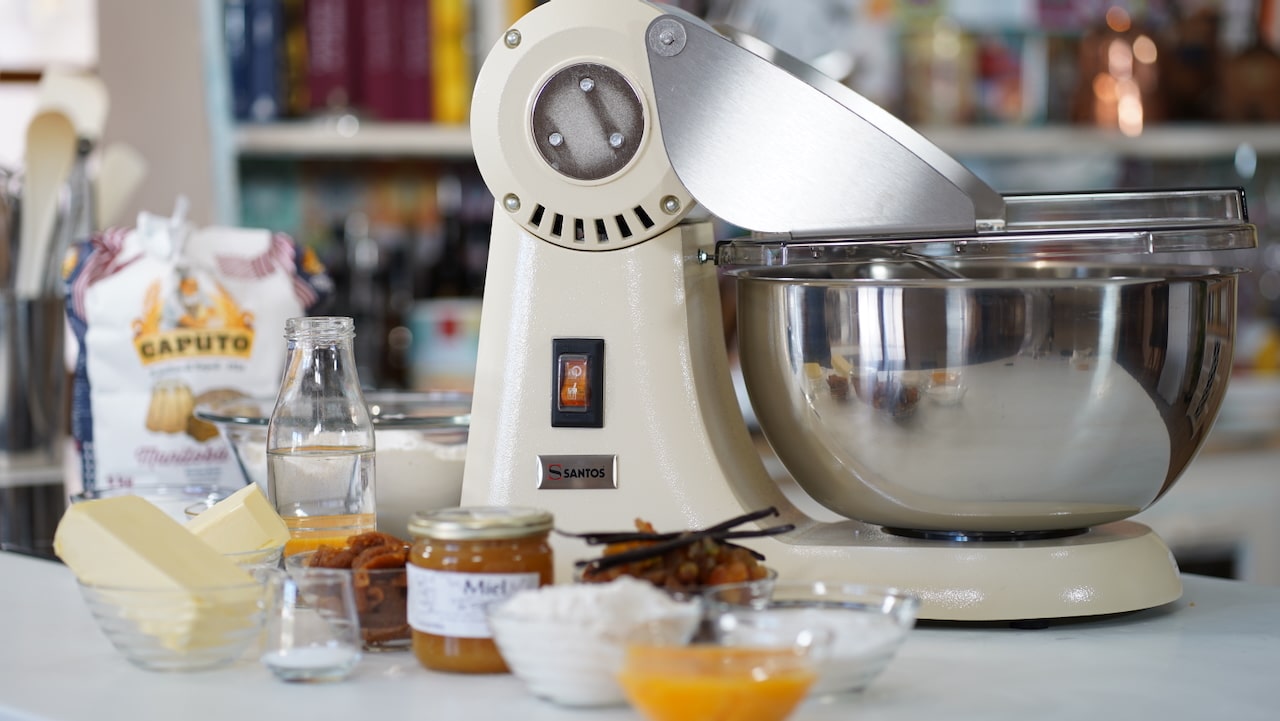
*Mixer
- The room temperature in my kitchen today is 21ºC. This recipe's mixing time is designed for a one speed fork-style kneading machine on a medium-low speed setting. Mixing times by machine type (using a 10 + qt/L bowl):Fork-type mixer: Approximately 40 minutes on first speed.Artofex twin arm mixer: 30 minutes, on first speed.Commercial mixer: 22 minutes, using low and medium speed.Spiral mixer: 15 minutes, using low and medium speed.
Desired Dough Temperature (DDT)
- This is a fundamental concept in professional baking, especially in French methodology, known as "Temperature de Base". The Basic Temperature is a simple formula used by bakers to ensure their finished dough is at the ideal temperature (usually 24-27°C, with 25°C being a standard) after mixing is complete. By targeting 25°C, you create a predictable, controlled environment for fermentation, giving you consistent results every time.The temperature of your flour, which is usually the same as the room it's stored in. The basic temperature formula accounts for all the factors that contribute to the final dough temperature. It's surprisingly simple:Room Temperature + Water Temperature + Friction Factor. Learn More.

Flour to Use for Panettone Making
- Panettone requires a very strong flour, typically Manitoba "00" with a protein content of around 14% and a W rating of 380 to 400 (higher than pizza dough). This strength is essential to withstand the extended double fermentation process and the high quantity of sugar and fat, which would otherwise weaken the dough's structure.

To Rehydrate Dry Raisins
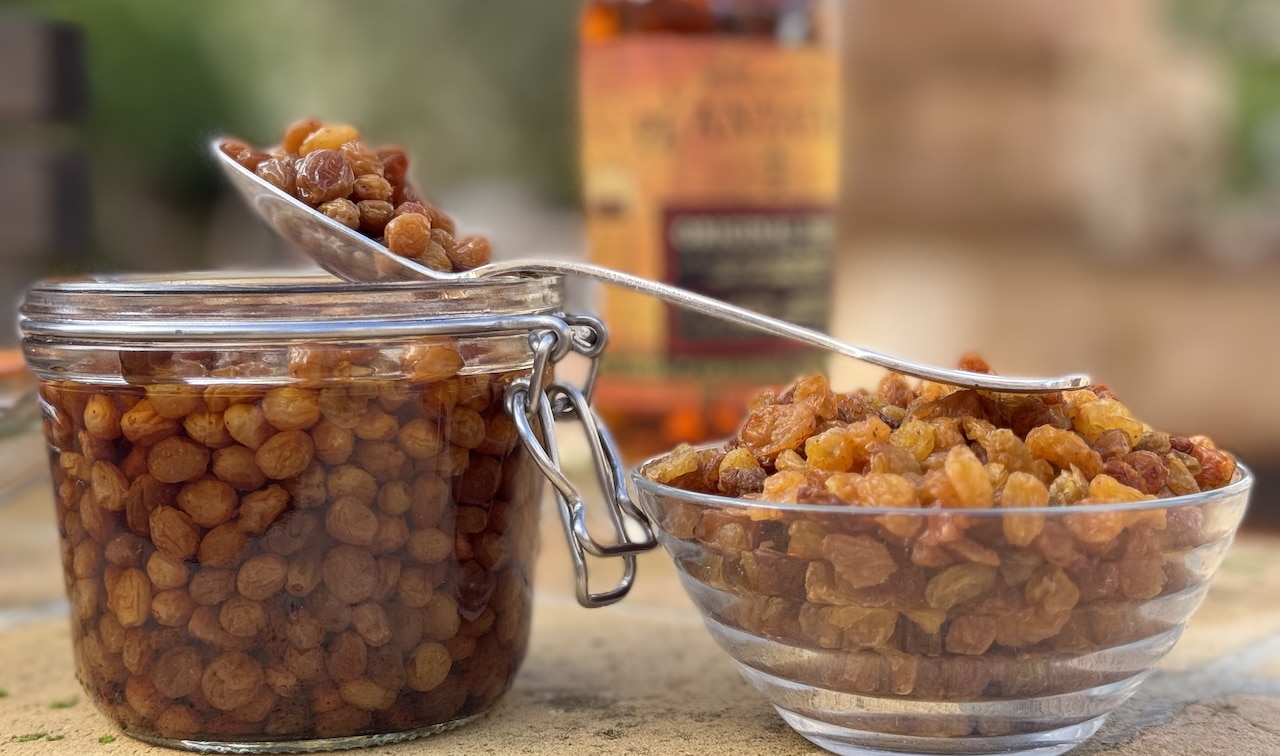
- Panettone can be made with many varieties of dried raisins, including Sultana, Thompson, and Black Corinth. Mixed jumbo raisins are an excellent alternative. While rehydrating the raisins is optional, it is a step often skipped with large batches. Furthermore, dry raisins naturally absorb moisture from the dough and bloom during the proofing hours. To rehydrate dry raisins though, choose one of the following methods:For long-term storage: The day before, boil raisins in water for 2 minutes and drain well. Place them in a glass container, cover with dark rum, and refrigerate. They can be stored indefinitely and used for other preparations such as pound cakes, French toast, and rum-raisin ice cream. Drain fruits before use. After draining the raisins, save the rum for another batch, cocktails, or flambéing desserts.Once the raisins are drained, you can save the rum to use in another batch, in cocktails, or to flambé desserts.Cold Water Soak (alcohol-free, planned in advance): Soak dry raisins in room-temperature water for 2 days before use.

Candied Fruits
- Cut the candied citrus fruits into dice.
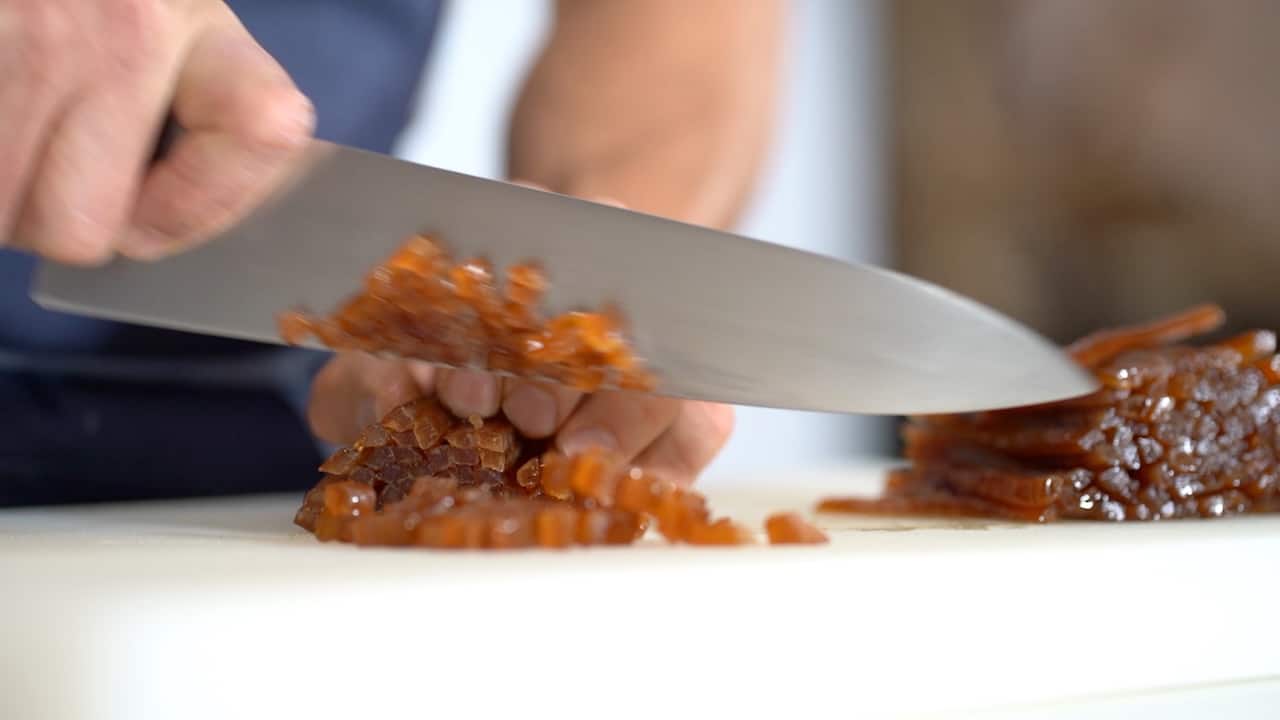
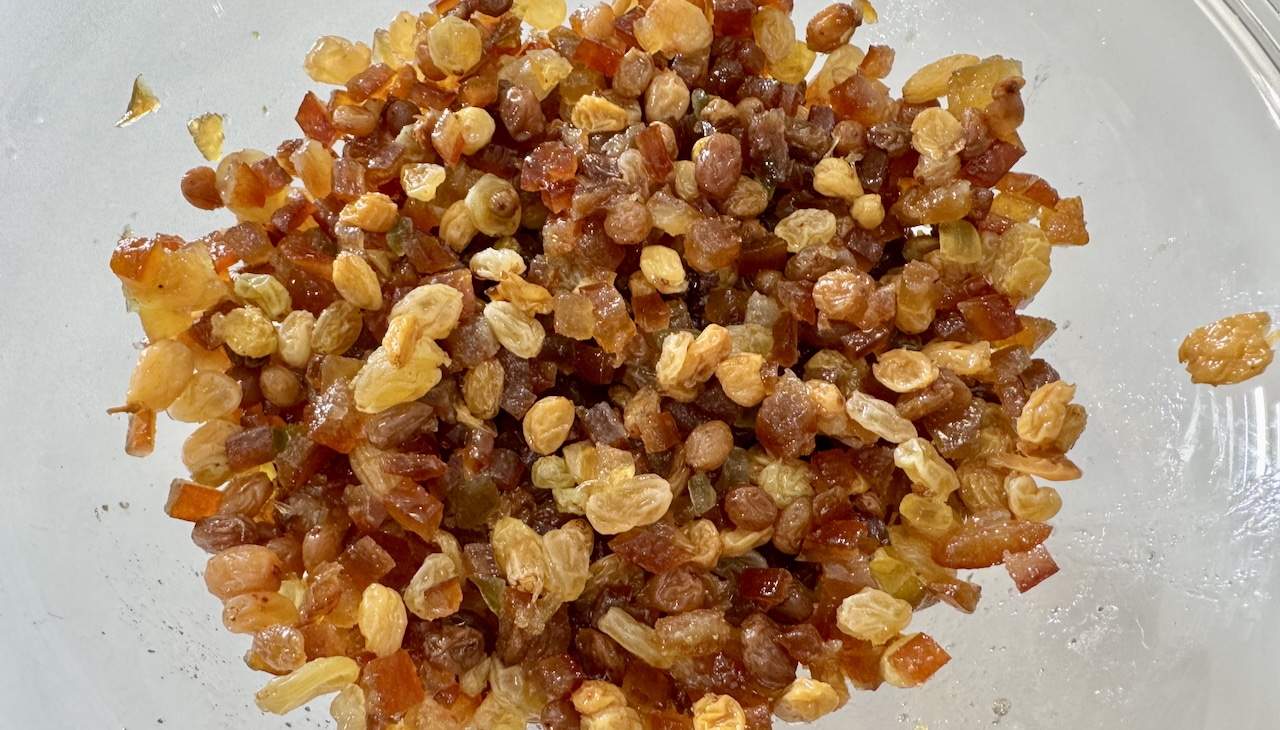
- Combine together candied fruits with the rehydrated and drained raisins. Keep fruits refrigerated.


Candied Orange Paste
- Process 80g of candied orange peel in the food processor until a paste forms.
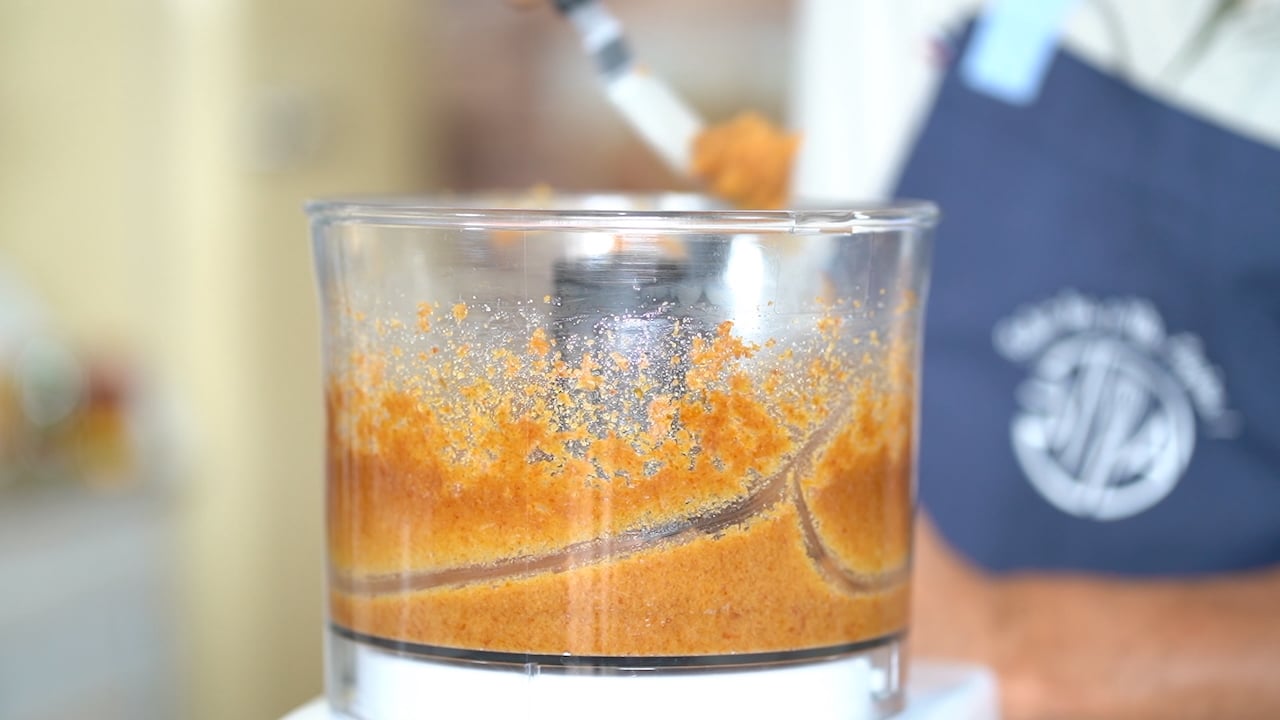
- Mix the warm honey with the orange paste and lemon zest. Allow this goodness to rest at room temperature.


First Panettone Dough Stage
- Cut the proofed lievito madre into pieces and set aside.
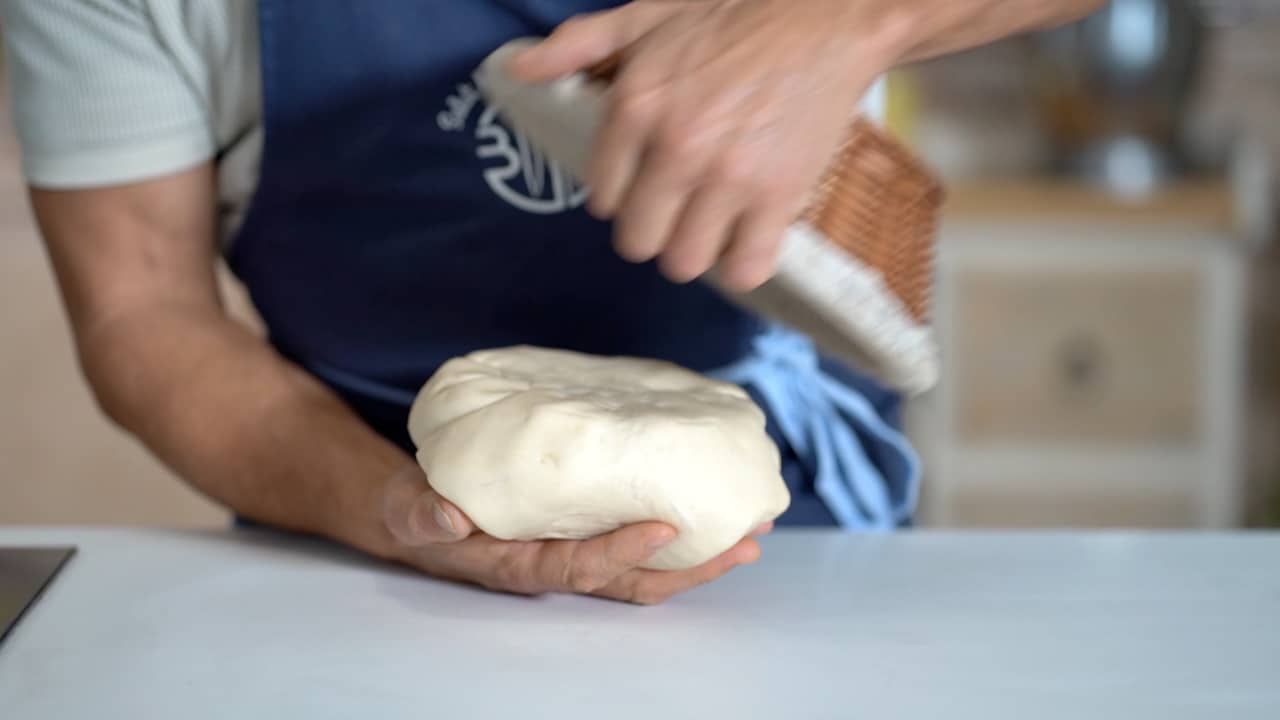
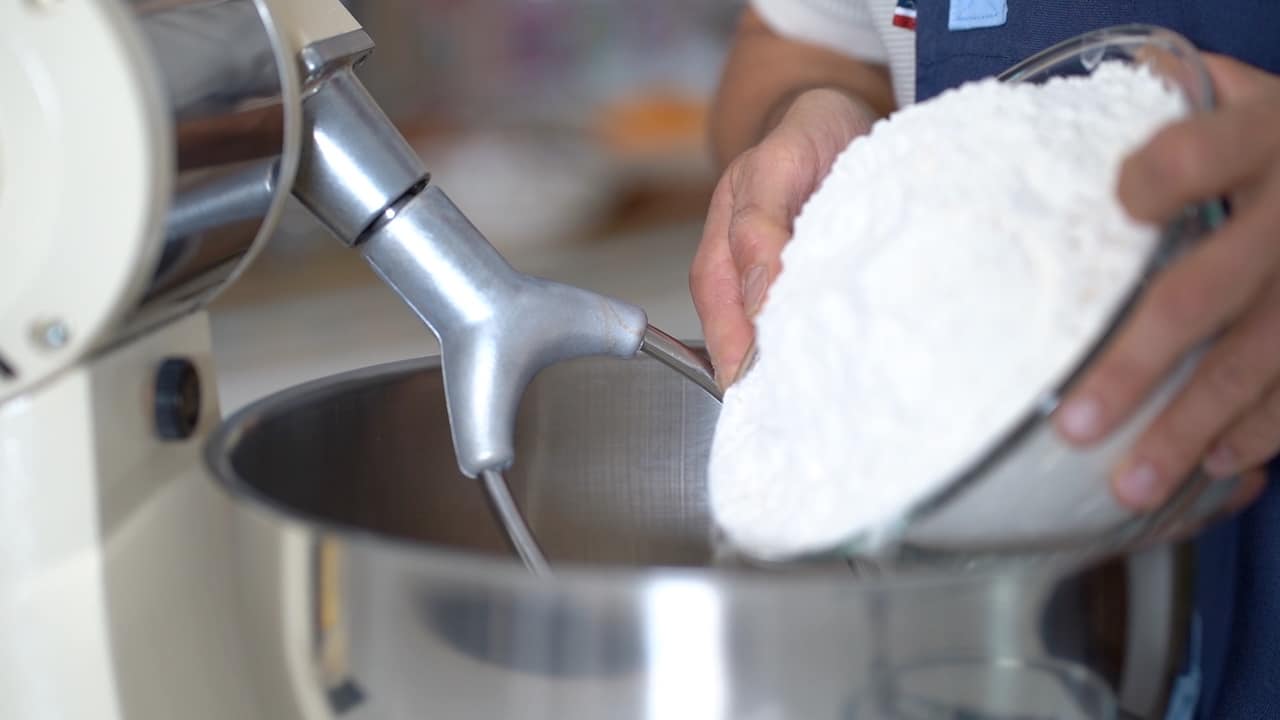
- In the mixer bowl, gather flour and sugar and mix for 30 seconds.
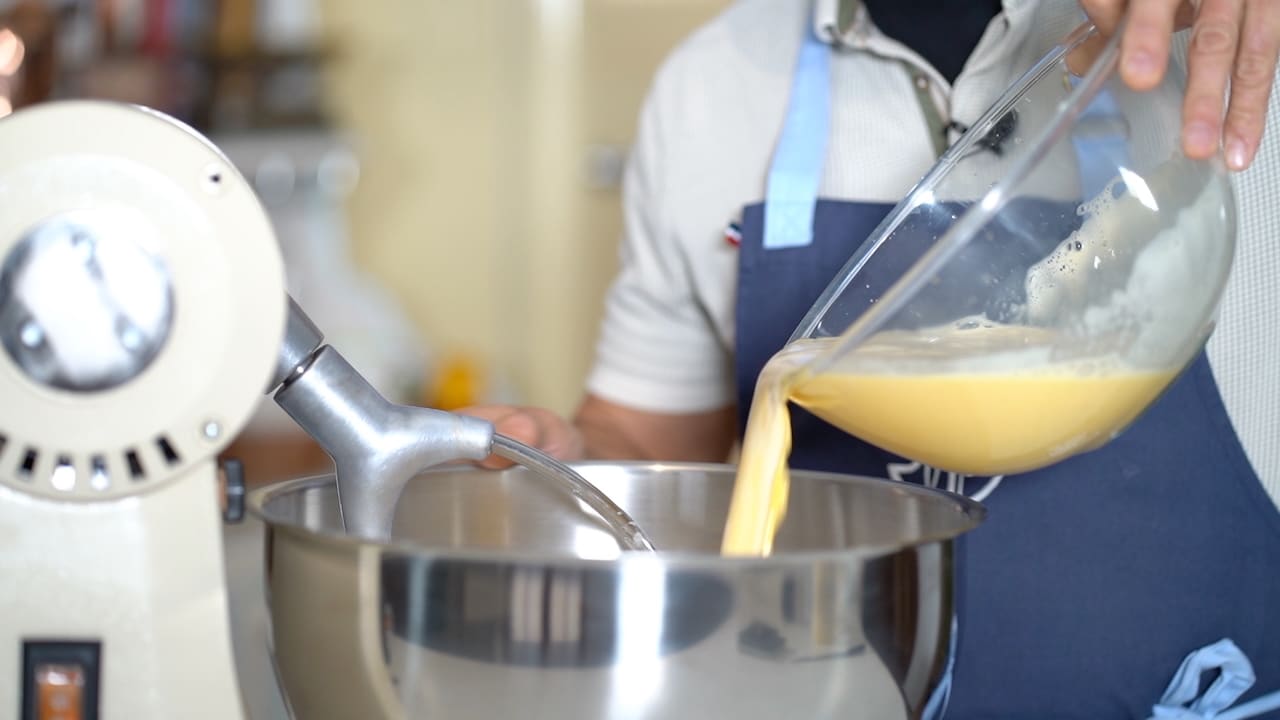
- In a large bowl, blend the room temperature water with the chilled egg yolks.

- Turn on the mixer and then add the liquid along with the lievito madre.
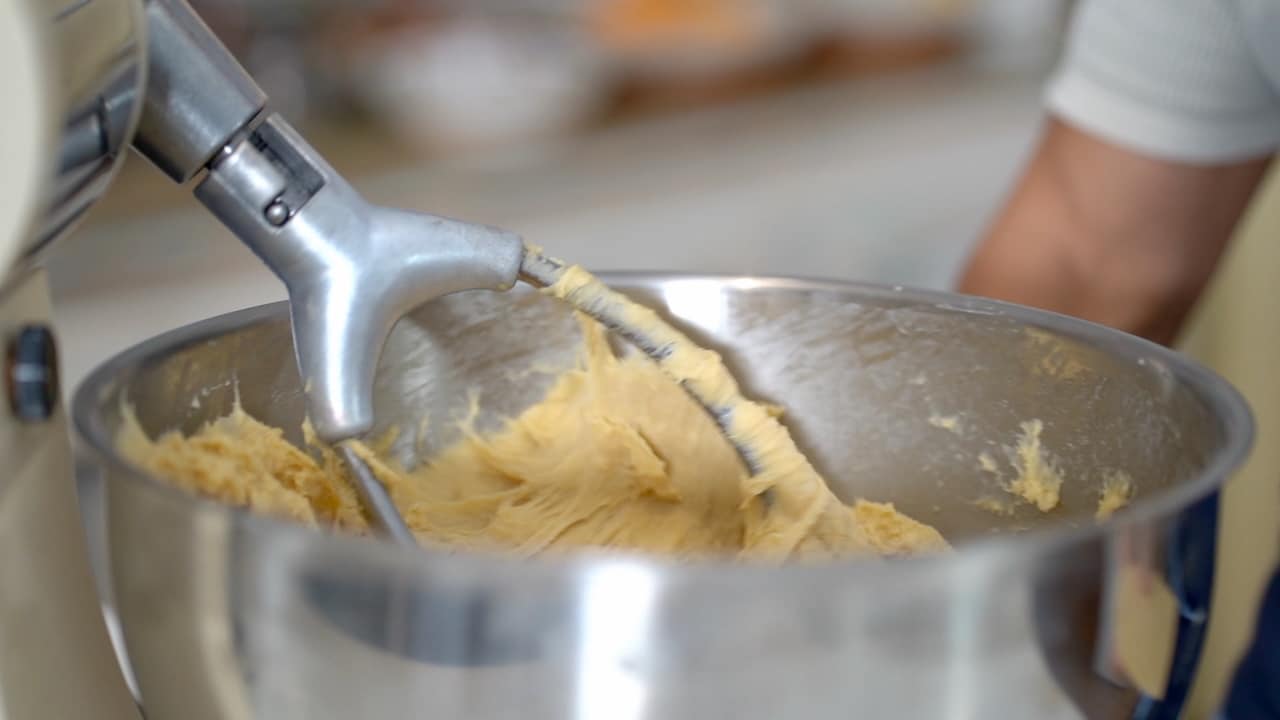
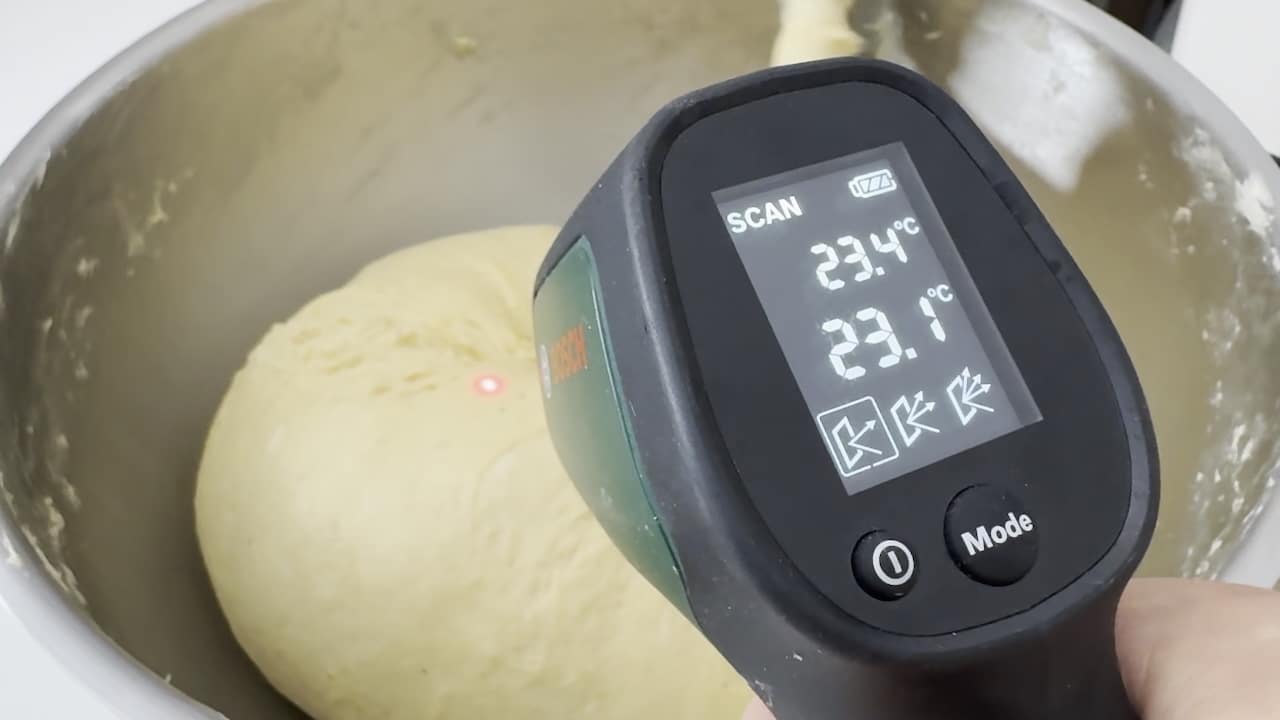
- Mix on low speed for about 15 minutes, until the dough becomes smooth and elastic. While mixing, scrape down the sides of the bowl periodically. Adjust the bowl's brake to create enough resistance for the dough to catch on the hook and the bowl. The ideal consistency is reached when the dough is neither too loose nor so stiff that it stops the bowl from spinning. The internal temperature of the mixed dough should be around 23-24ºC.
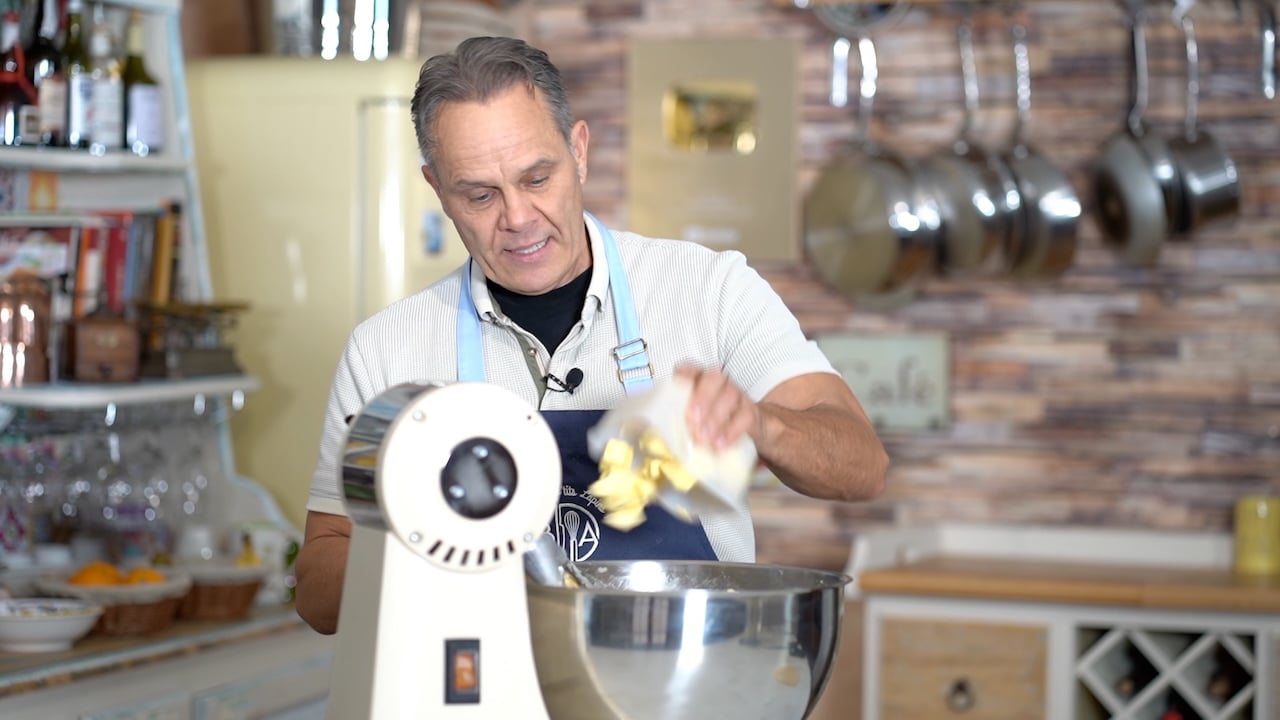
- Add the room temperature butter and knead for an additional 15 minutes until the dough is elastic and pulls away cleanly from the sides of the bowl.
- The internal temperature of the final mixed dough should be around 23-25ºC.


First Panettone Dough Bulk Fermentation
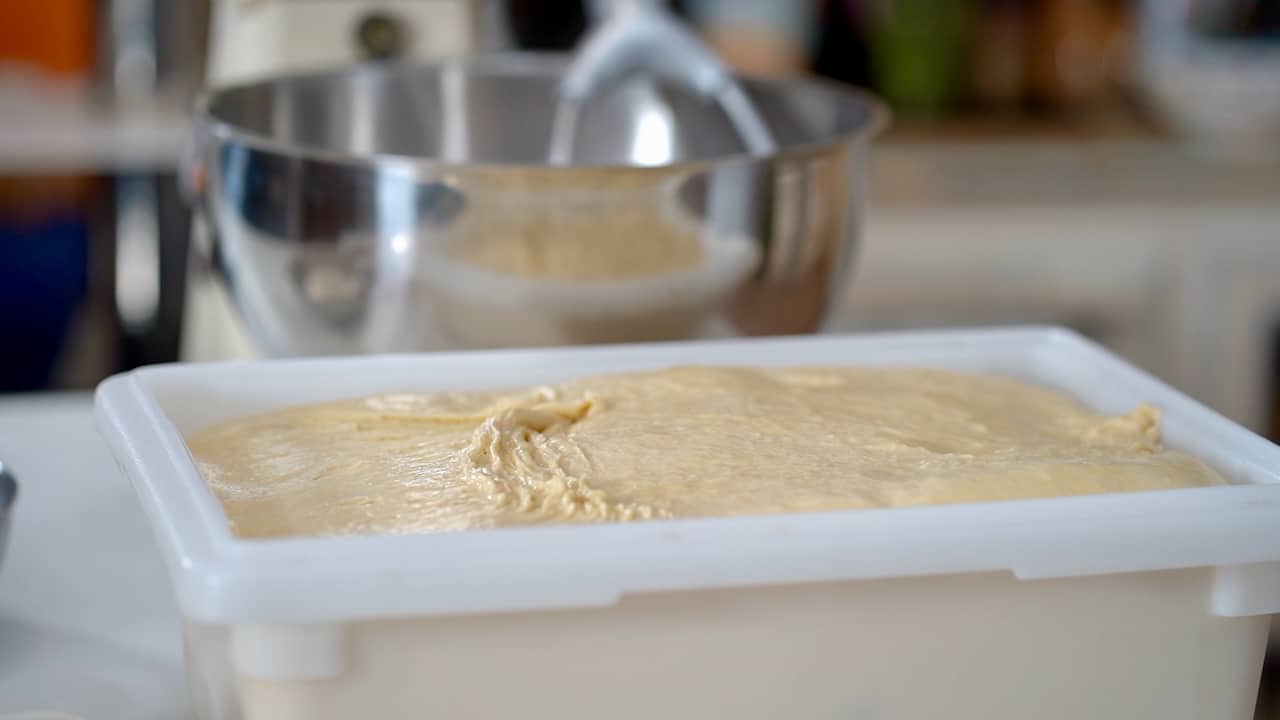
- Transfer the dough to a 15-quart (15 L) bucket or container. Cover it with plastic wrap.

- Let it ferment at 79-82ºF/26-28°C for 12-14 hours, or until it has tripled in volume. Be careful not to let it overflow, as this can diminish the yeast's activity.


Second Panettone Dough
- Transfer the first fermented dough to the mixer.
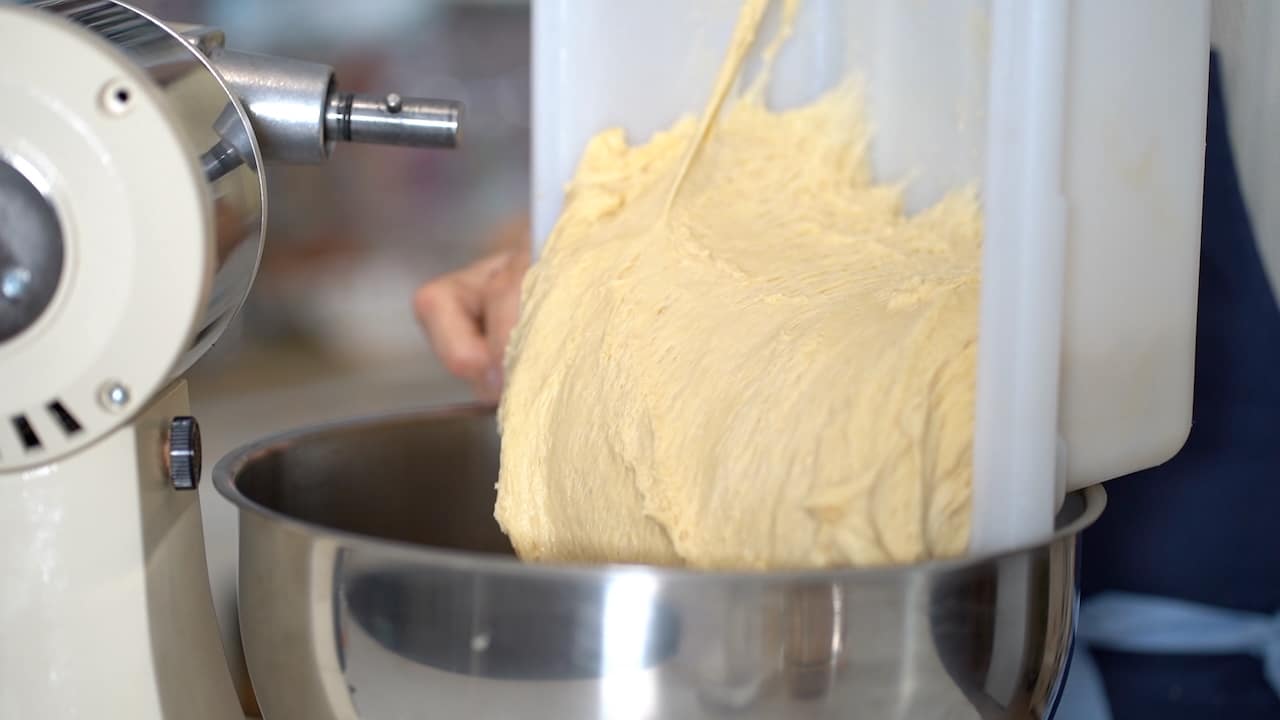
- Add the flour and mix on medium-low speed for 4 minutes.

- With the mixer running, add the sugar-vanilla mixture.
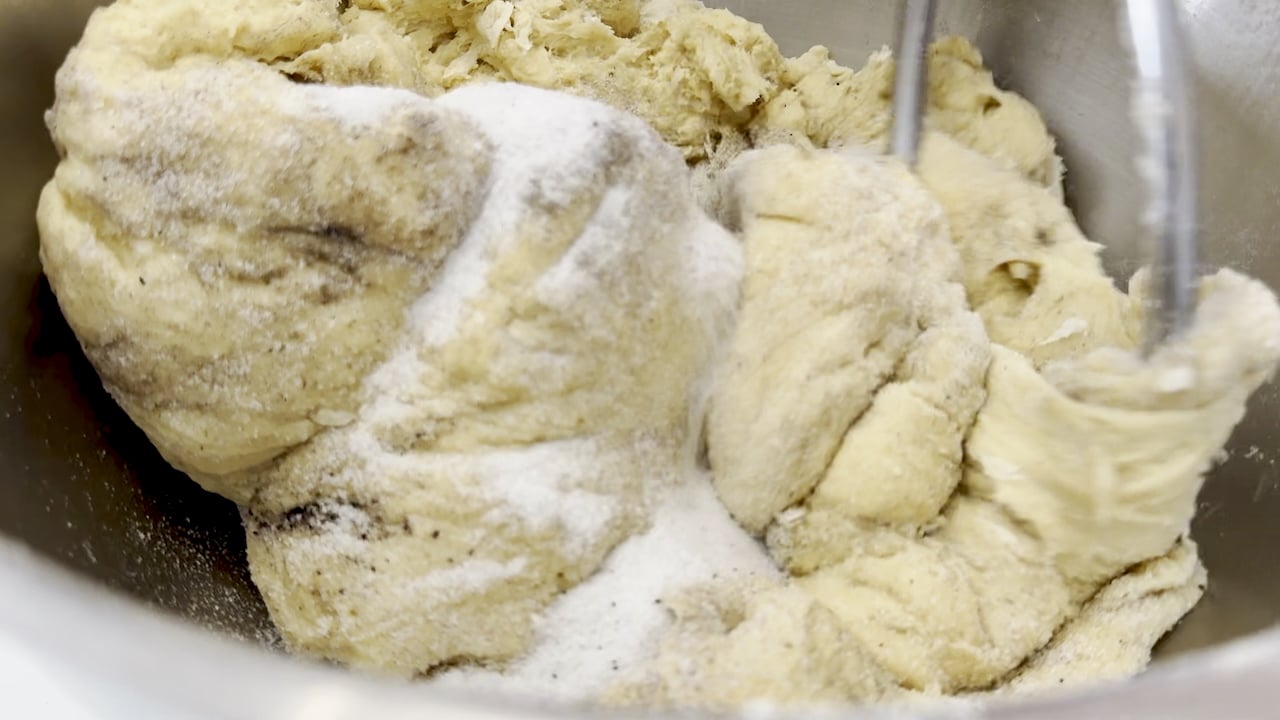
- Followed by the candied orange paste-honey mixture. Mix for another 4 minutes.
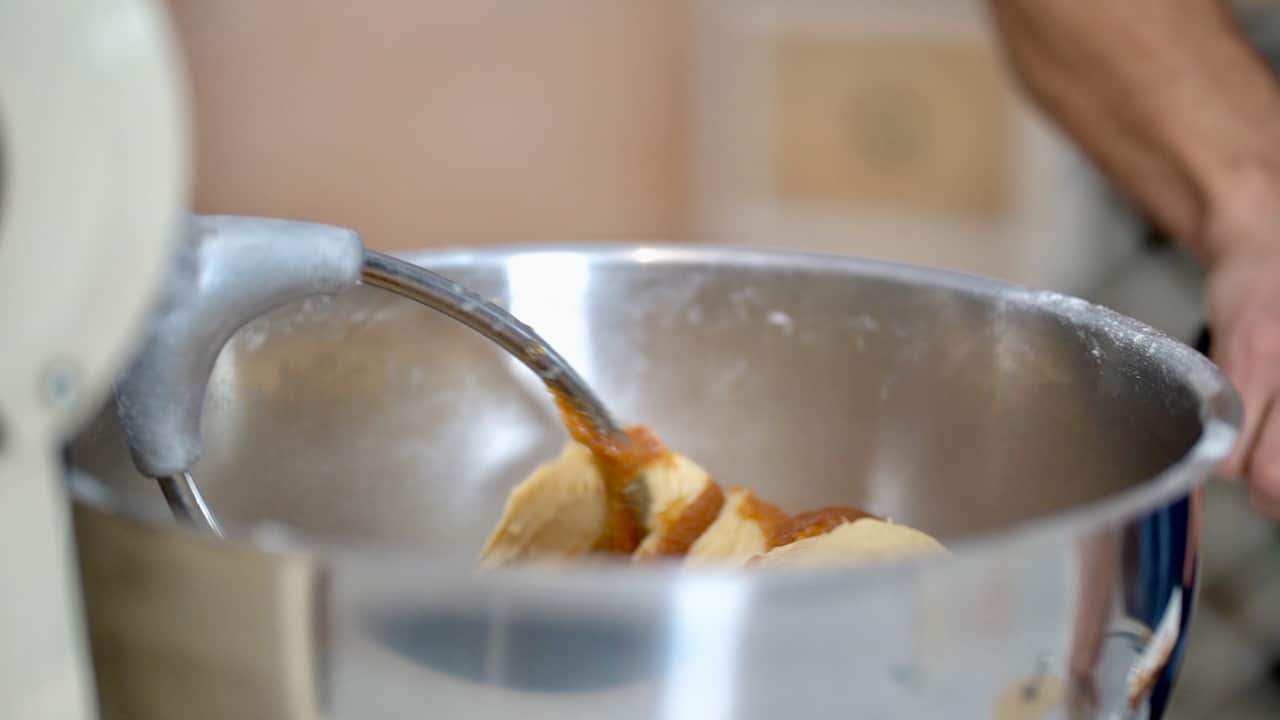
- Add salt and mix for 2 minutes. With the mixer running, gradually add the chilled egg yolks.
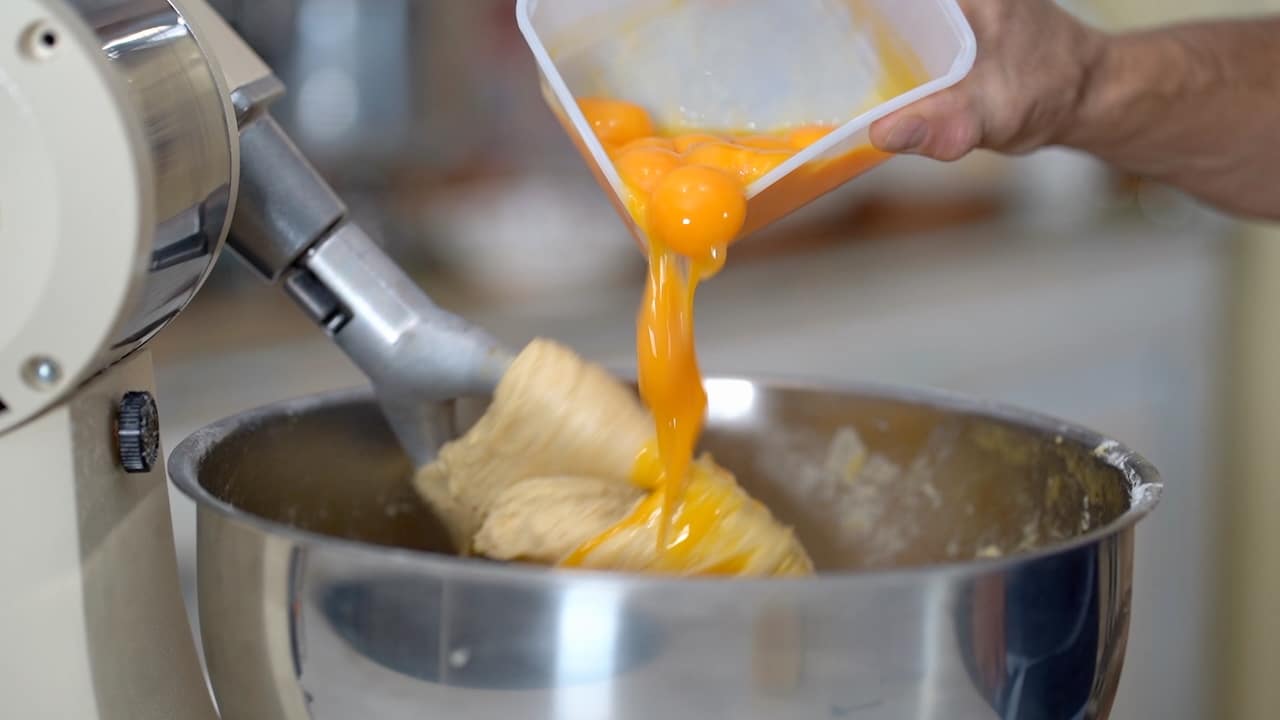
- After 4 minutes or so, and when the last yolks are still not fully incorporated, add the room temperature butter gradually. Note: The butter should be soft to the touch (around 20°C/68°F), not melted.
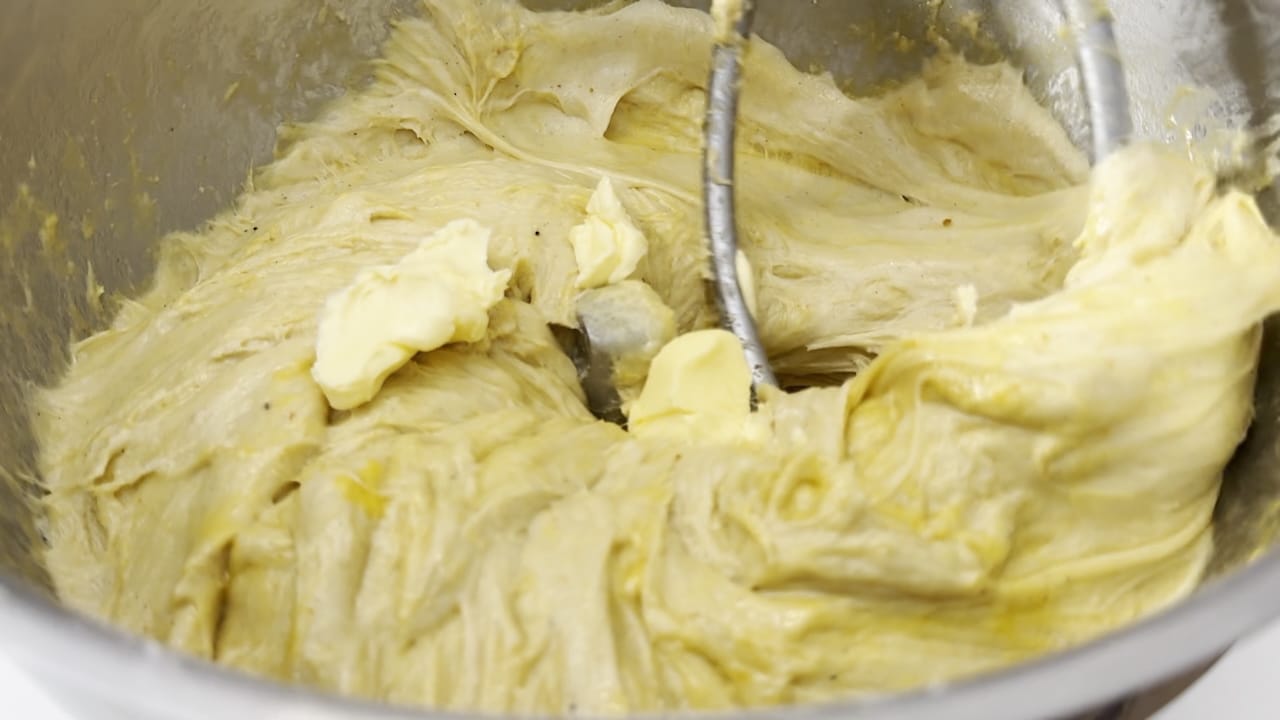
- Mix for 10-15 minutes or until the dough is smooth, elastic, and pulls cleanly away from the sides of the bowl.

- Add the chilled fruits and mix on low speed for approximately 2 minutes, or until the fruits are just incorporated. Stop the mixer. Remove the hook and scrape it clean, then scrape down the sides of the bowl. Either detach the bowl from the mixer or transfer the dough to a separate container. Cover the dough tightly with plastic wrap.
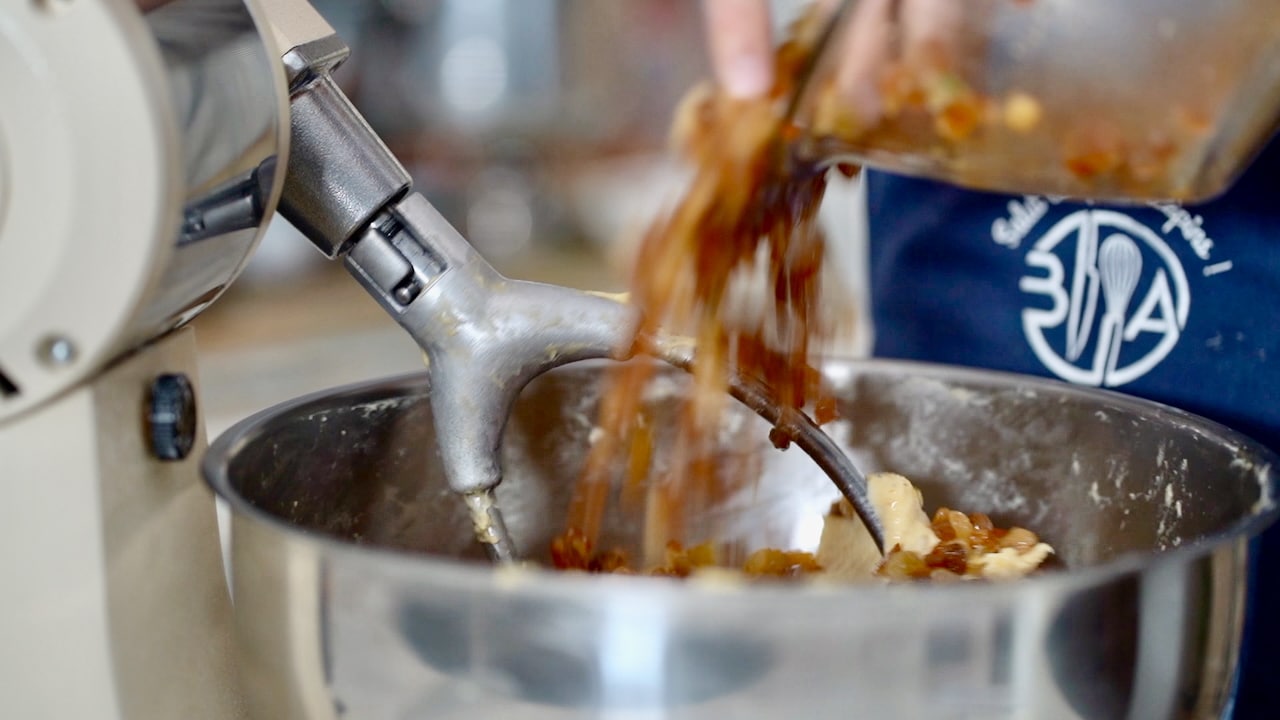
- For the second bulk fermentation, let the dough rest at 79-82°F (26-28°C) for 60 minutes.
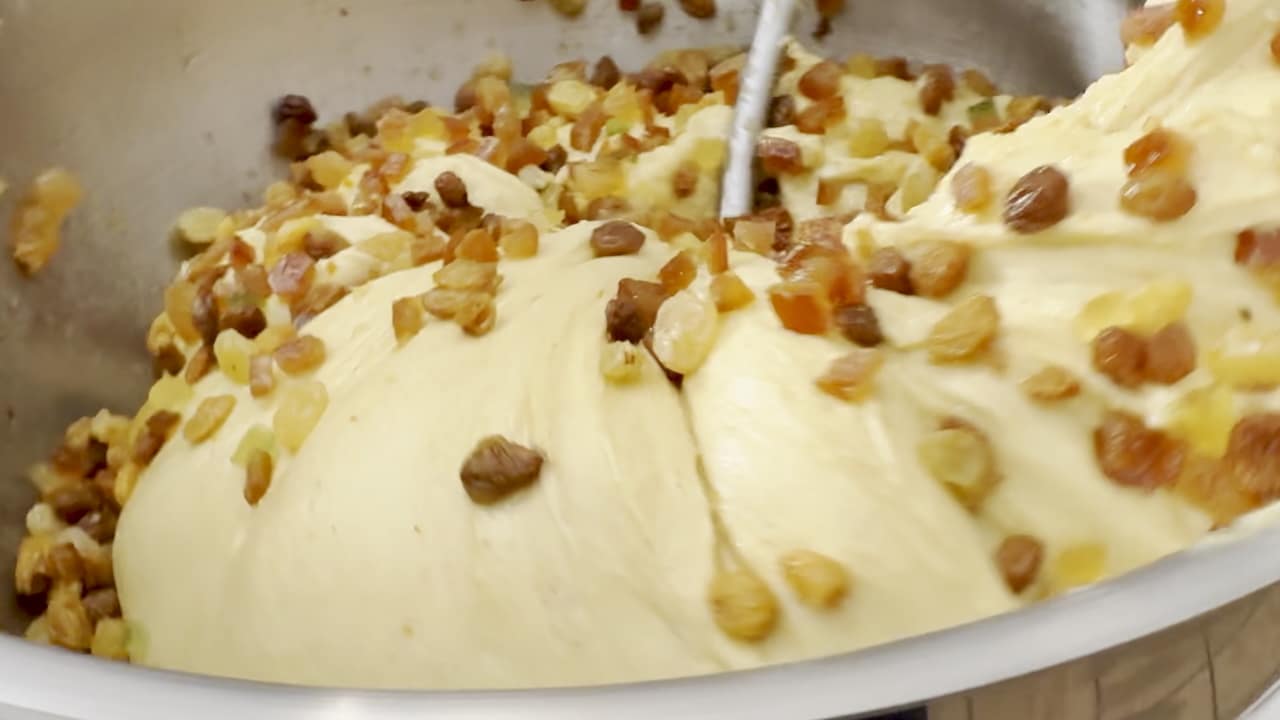


Dividing & Pre-Shaping Panettone
- Remove the dough from the bowl. No extra flour is needed for the following steps.
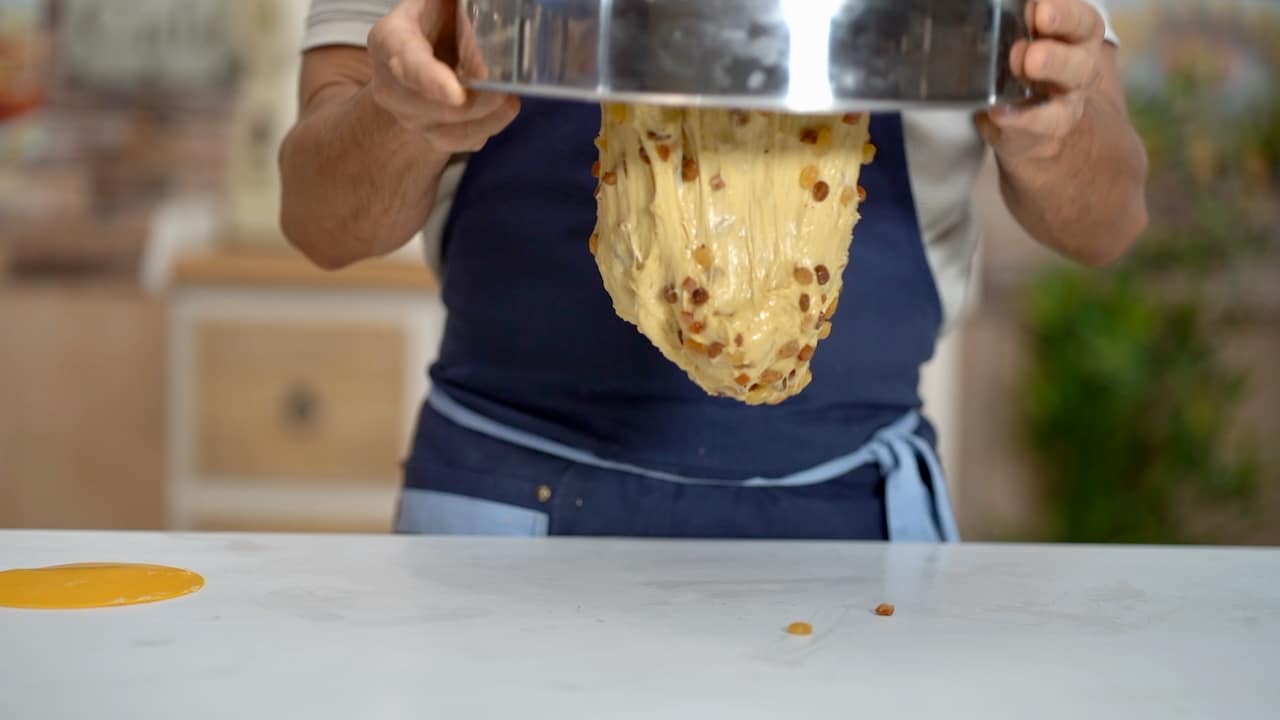
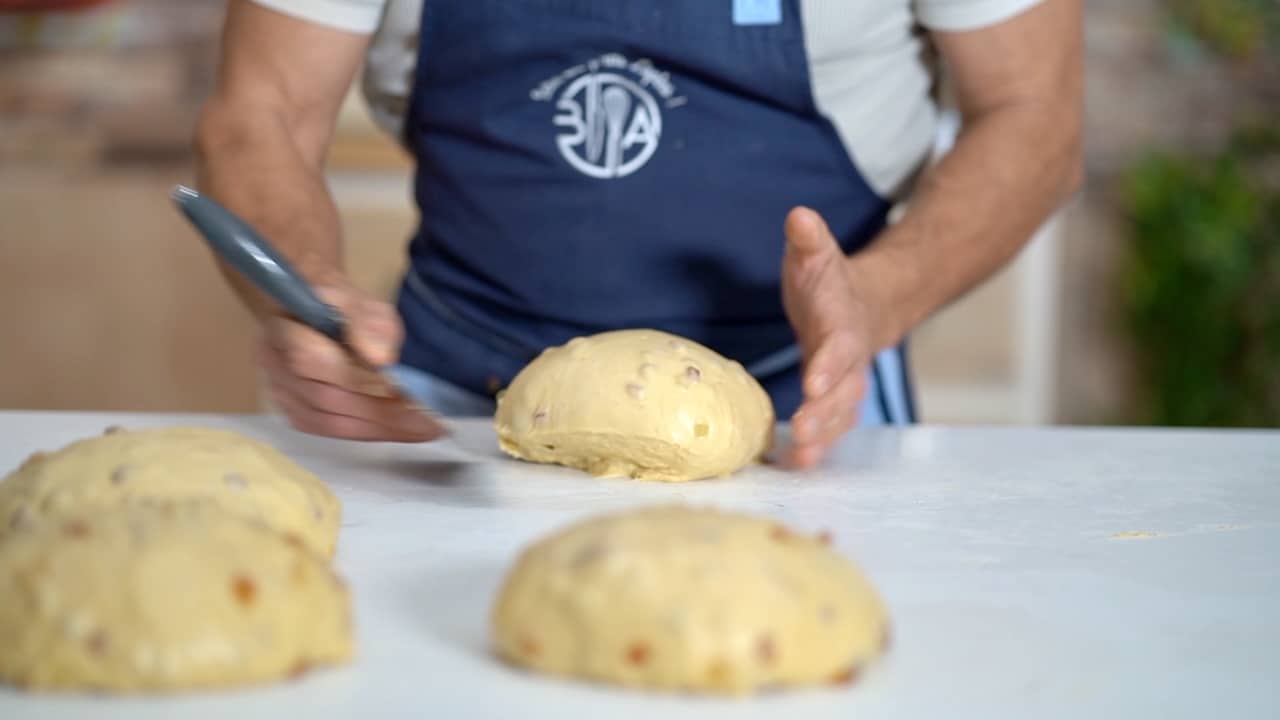
- Divide dough into five 1060g portions using a large stainless steel spatula. (Once baked and cooled off, each panettone will loose approximately 60 grams). Gently pre-shape each portion into a round, taking care not to degas it excessively.
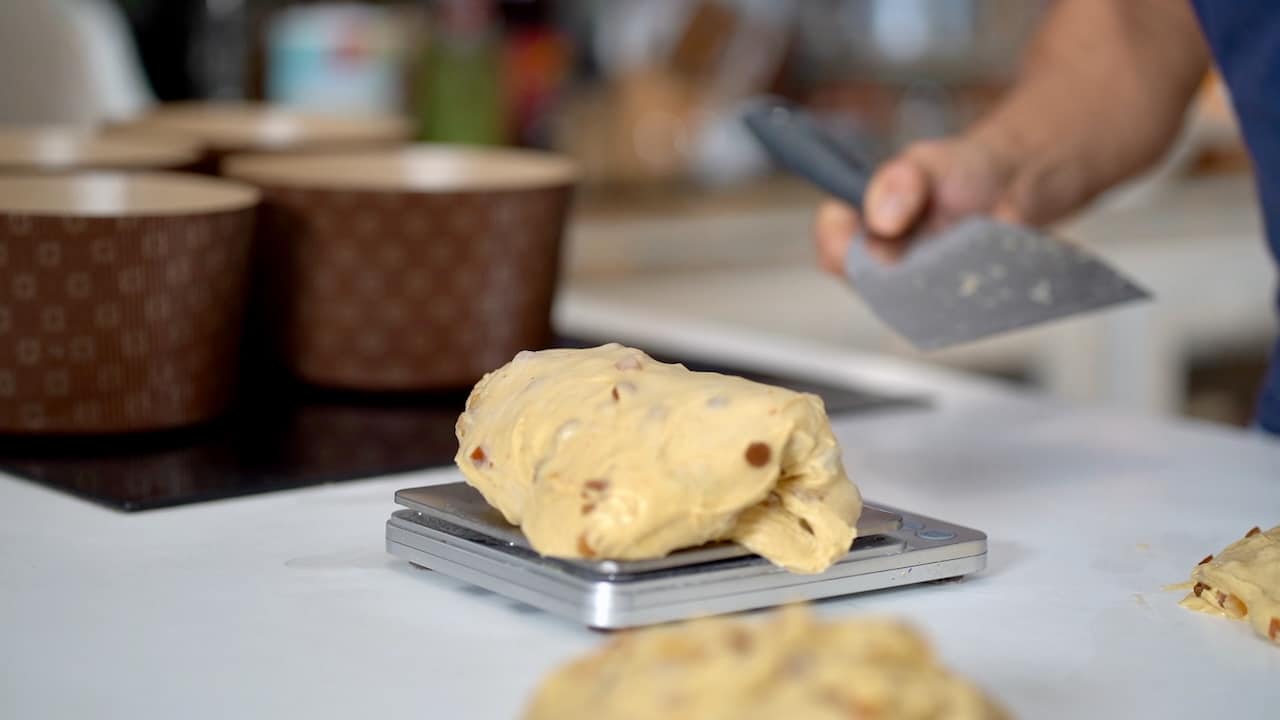
- Place the pre-shaped rounds on the work surface, cover them with a clean cloth or plastic wrap, and let them rest for 30 minutes. This allows the gluten to relax.
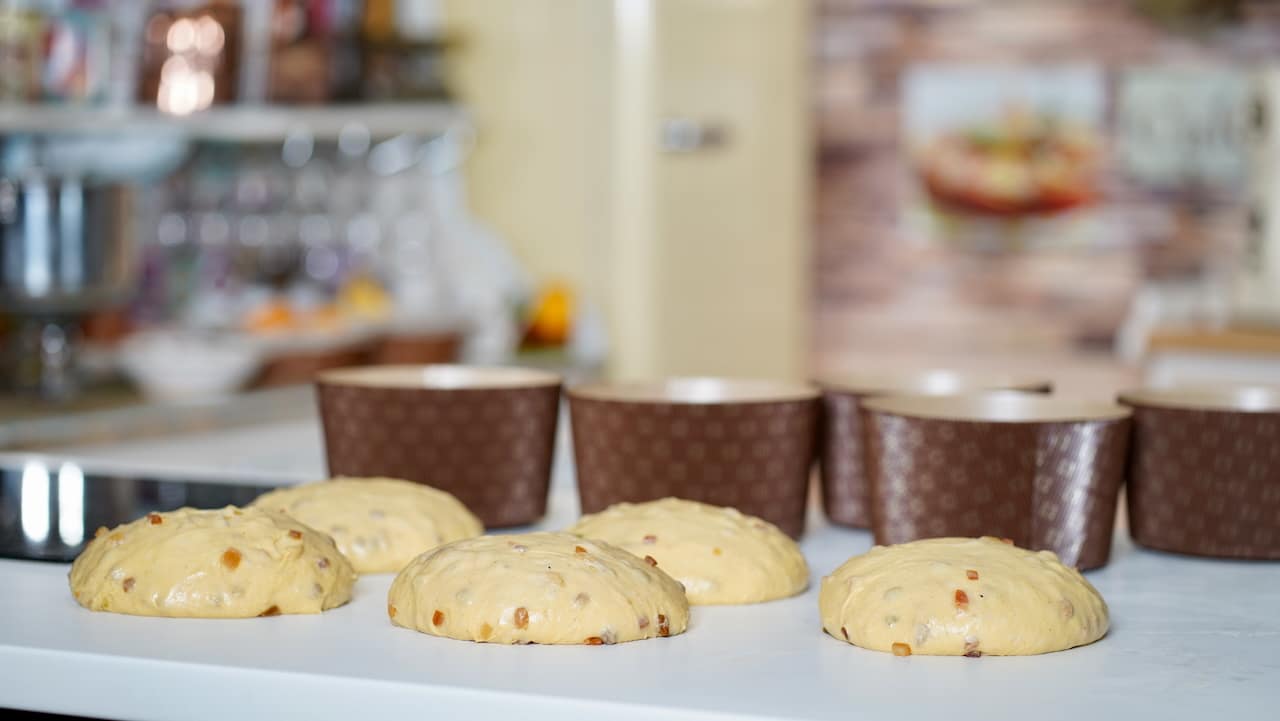
- Use a large stainless steel triangle spatula for the final, gentle round shaping.


Proofing Panettone
- Place each shaped dough round into a panettone paper mold.
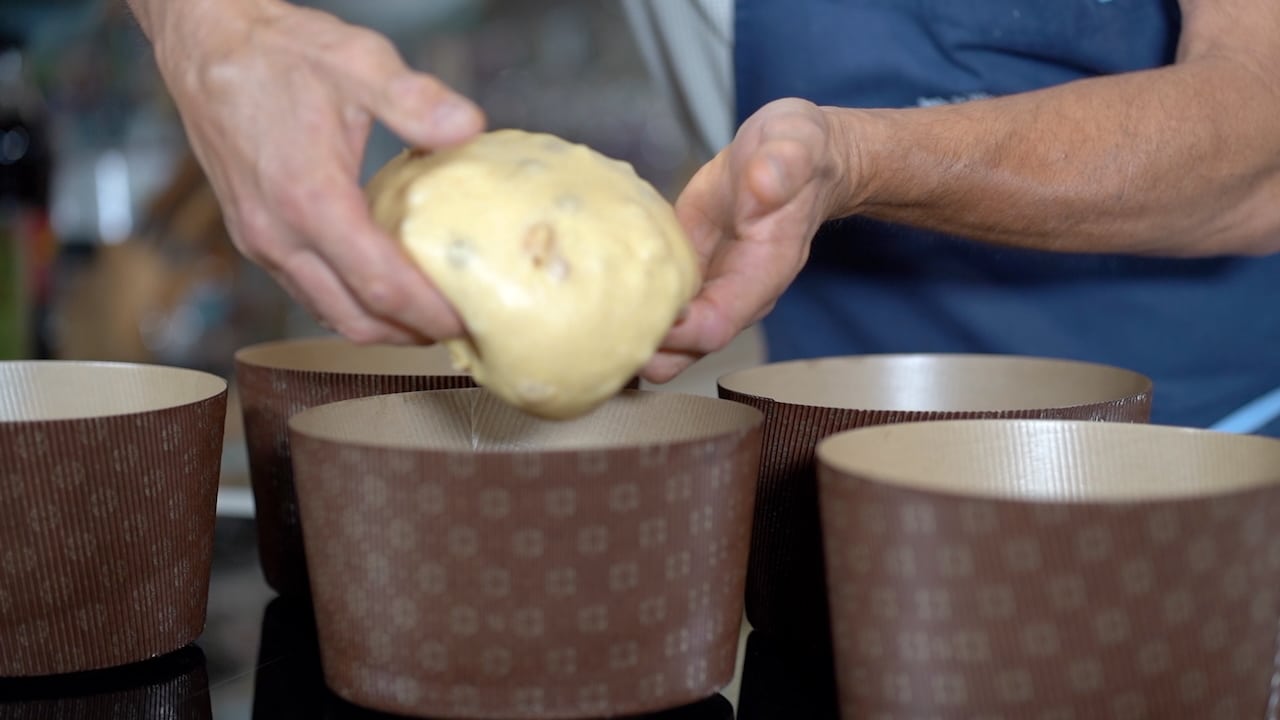
- Proof the panettone at 26-28°C for approximately 4 hours, until the dome has nearly expanded to the mold's edges. Then, let it rest at room temperature for one hour. This step is crucial as it allows a skin to form on the surface, which facilitates scoring.
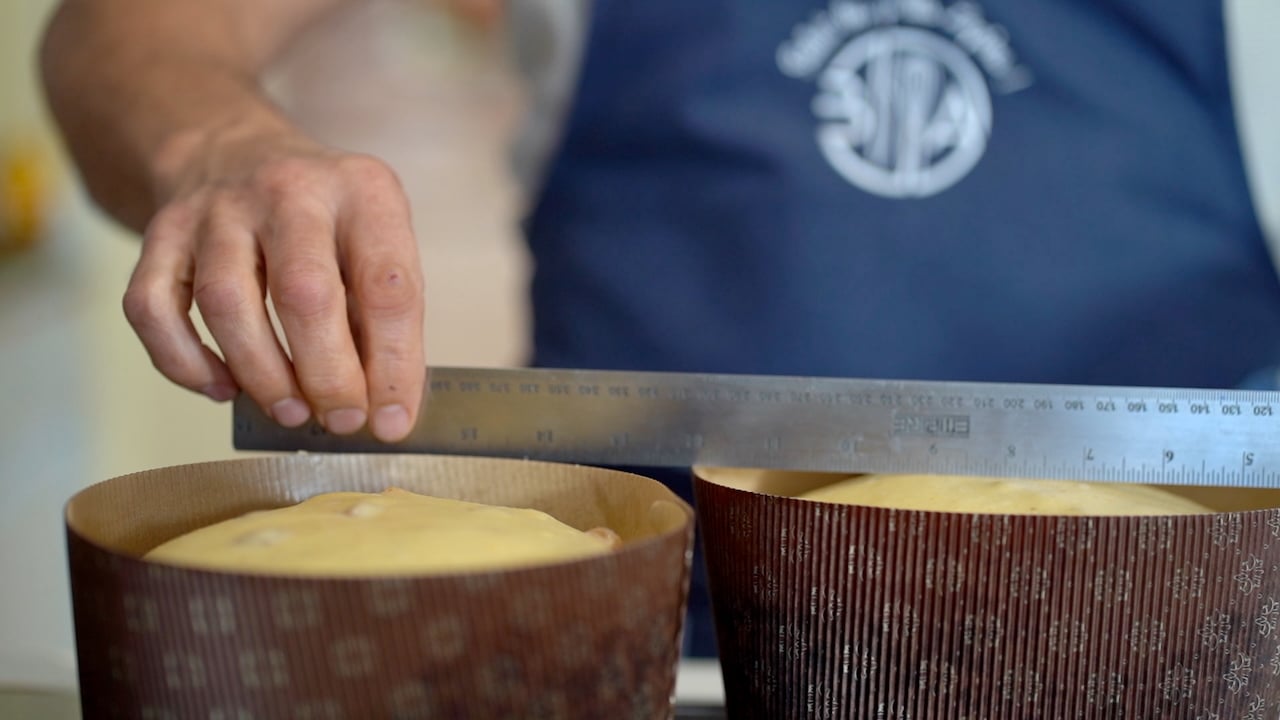
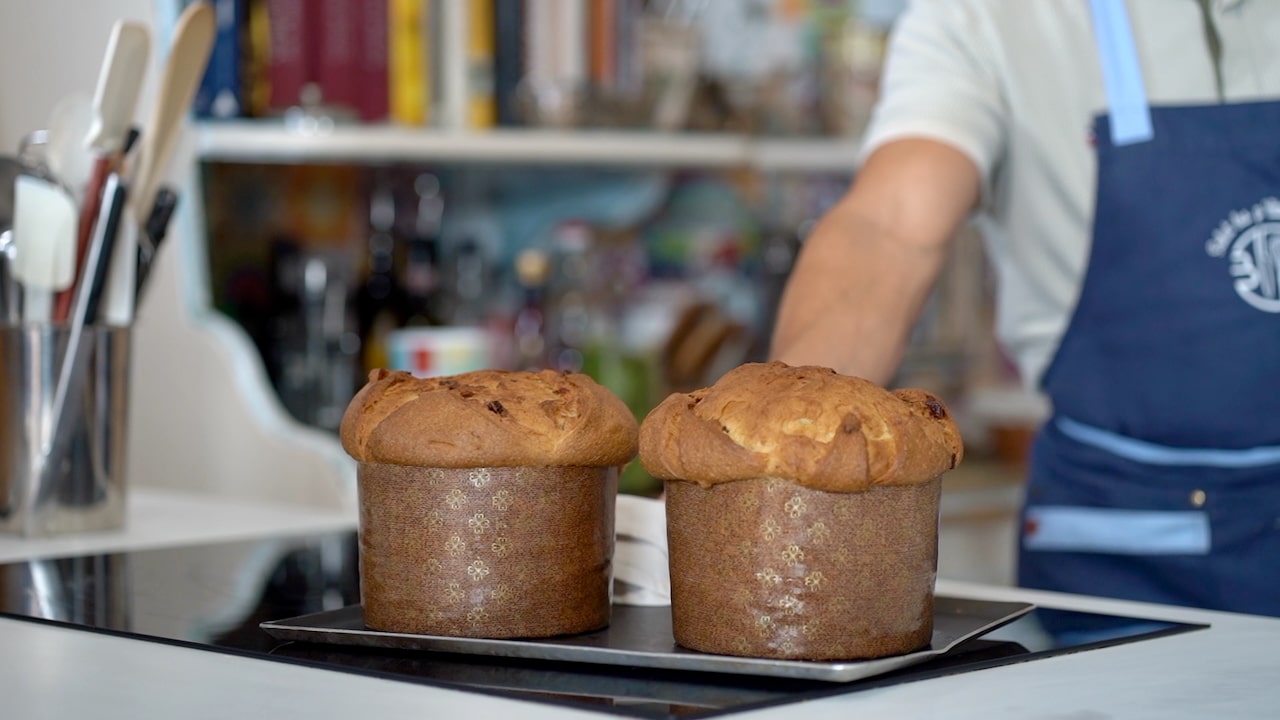
- These are over proofed panettone 😐.
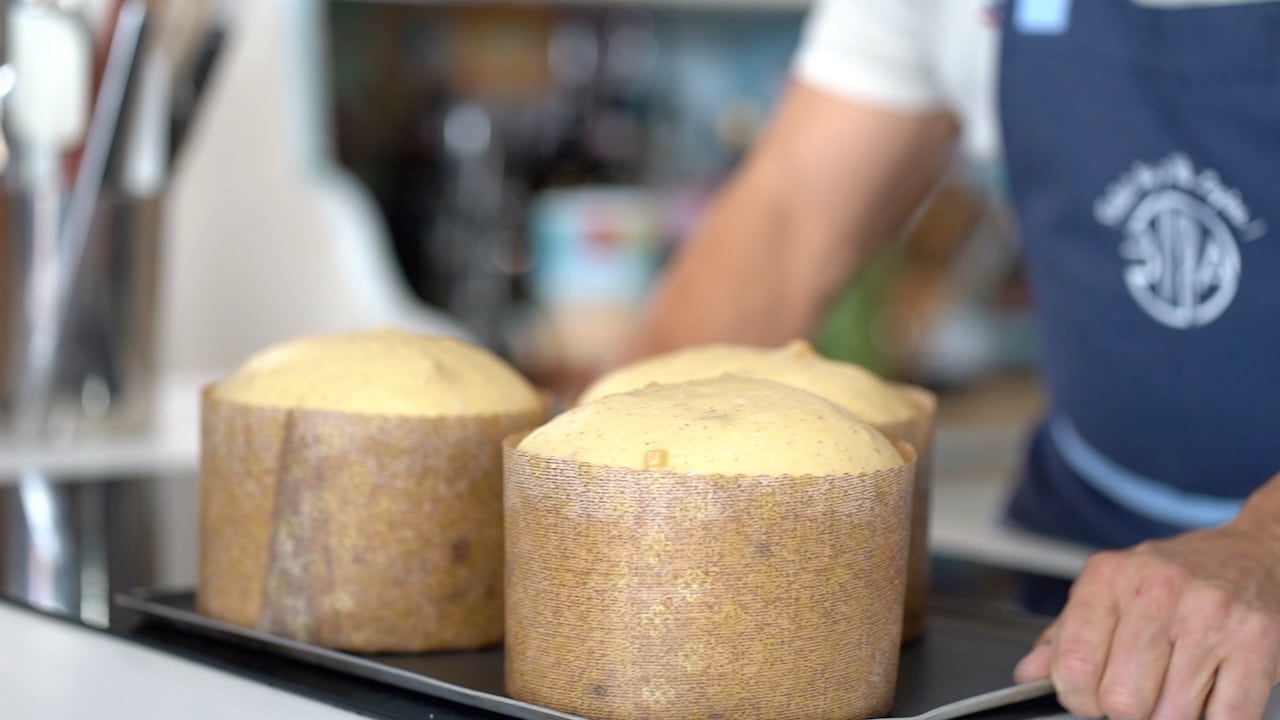
- Over proofed panettone will consequently "mushroomed," meaning the dough has over-inflated and collapsed over the sides of its mold during baking.


Baking
- Preheat a fan oven to 330ºF/160ºC 15 minutes before baking.
Scoring Panettone #1
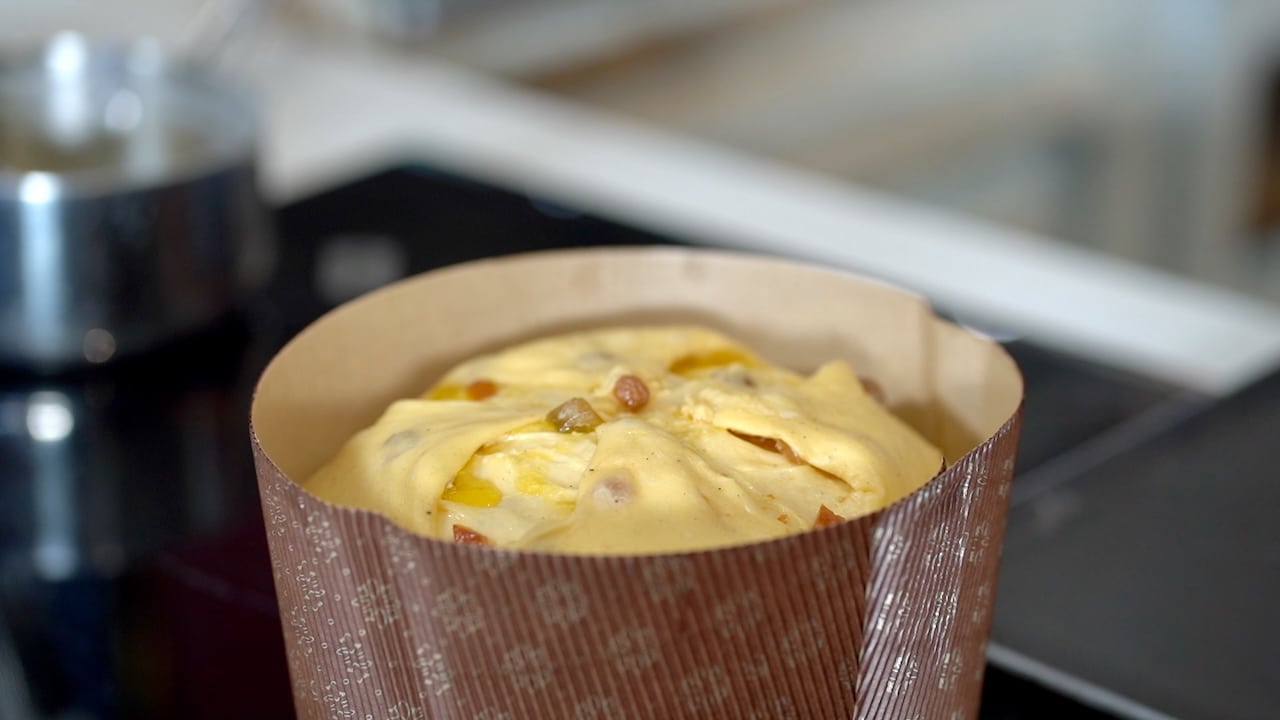
- Just like scoring bread, cutting the thin skin that forms on the proofed dough allows it to expand freely in the oven. This controlled expansion improves the final texture, resulting in a more open and airy crumb.Using the razor blade, lightly score a cross on top of each panettone. Gently fold back the four triangular flaps.

- Spread some melted butter.
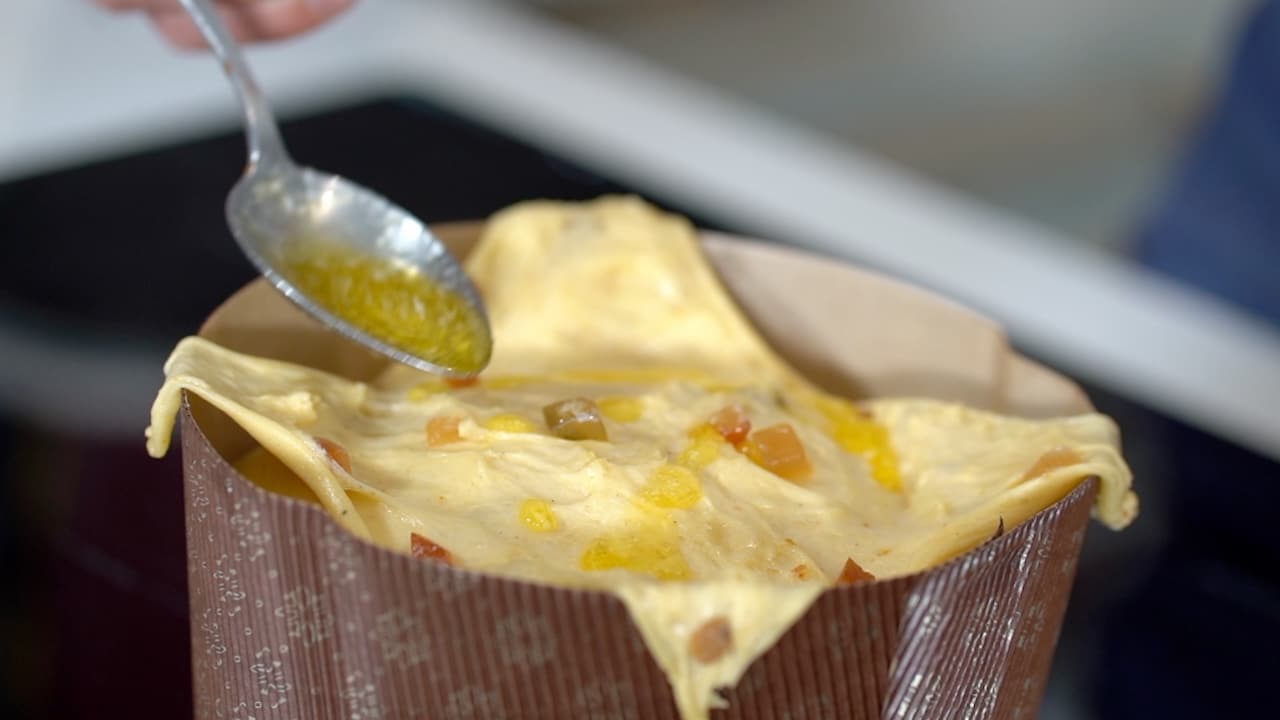
- Close the flaps or ears back on.


Scoring Panettone #2
- For an easier alternative decorative pattern, you can cut a diamond grid on the top of your panettone before baking.
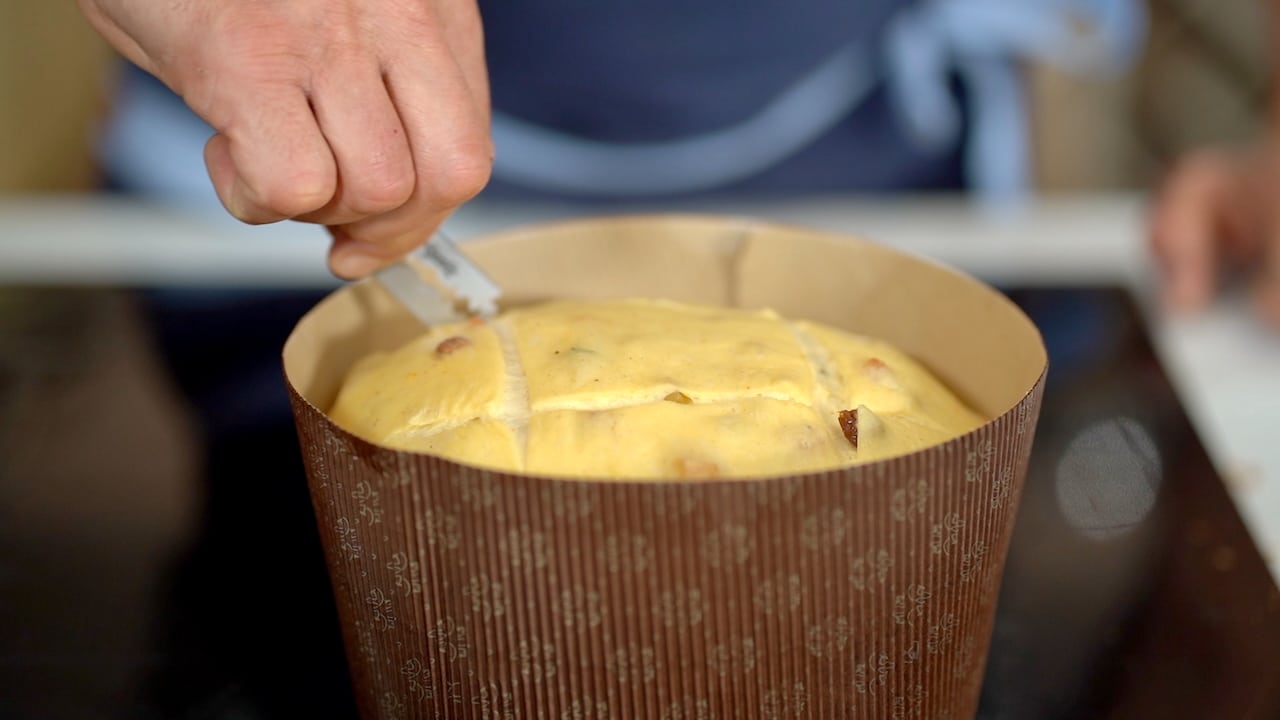
- Spread some melted butter on top.
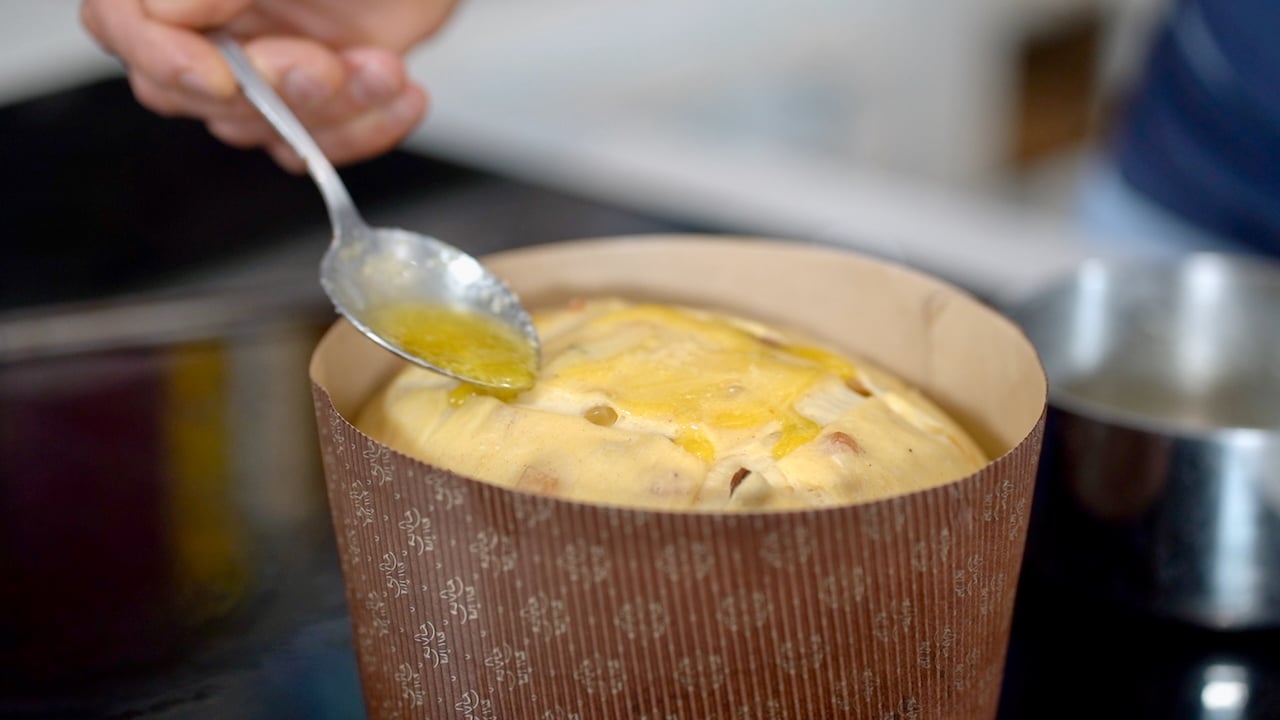
- A 1kg (2.2lb) panettone needs 65 minutes in the oven, or until an internal thermometer reads 95-96°C (204°F).
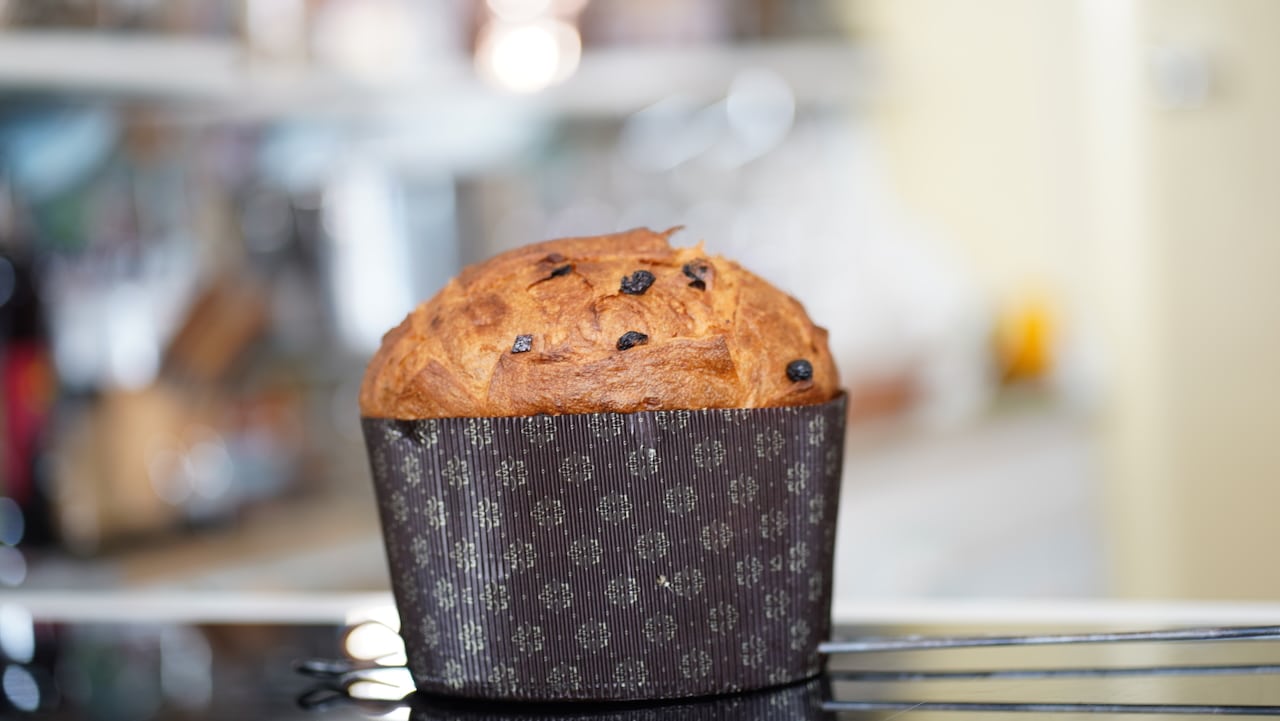


Inversion & Cooling
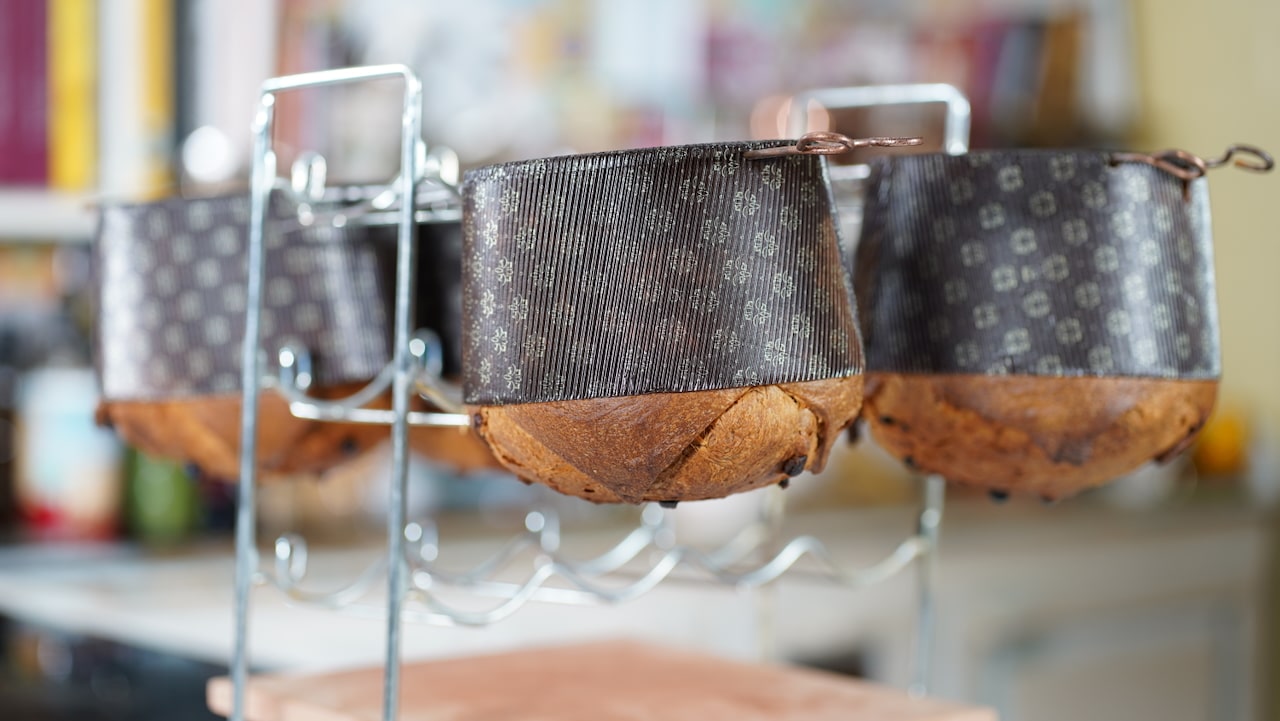
- Insert 2 skewers at the base of the hot panettone (right above the sole of the mold.
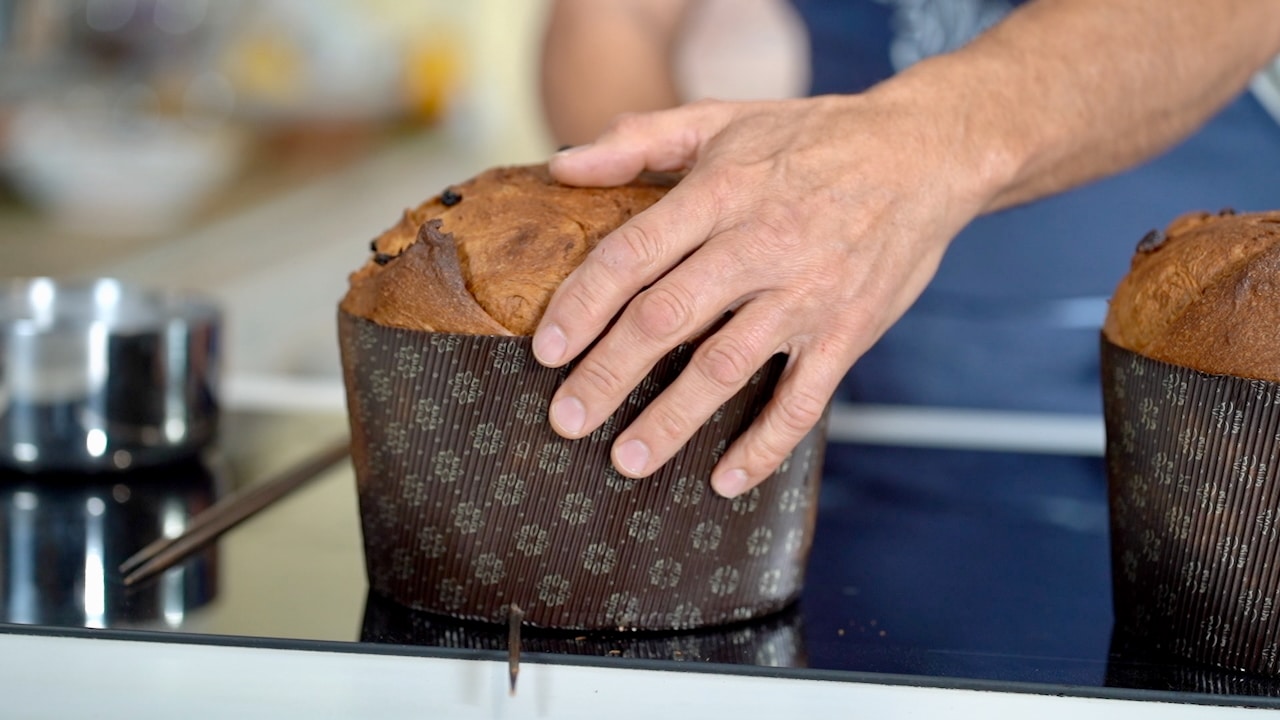
- Reverse and hang upside down for 12 hours.
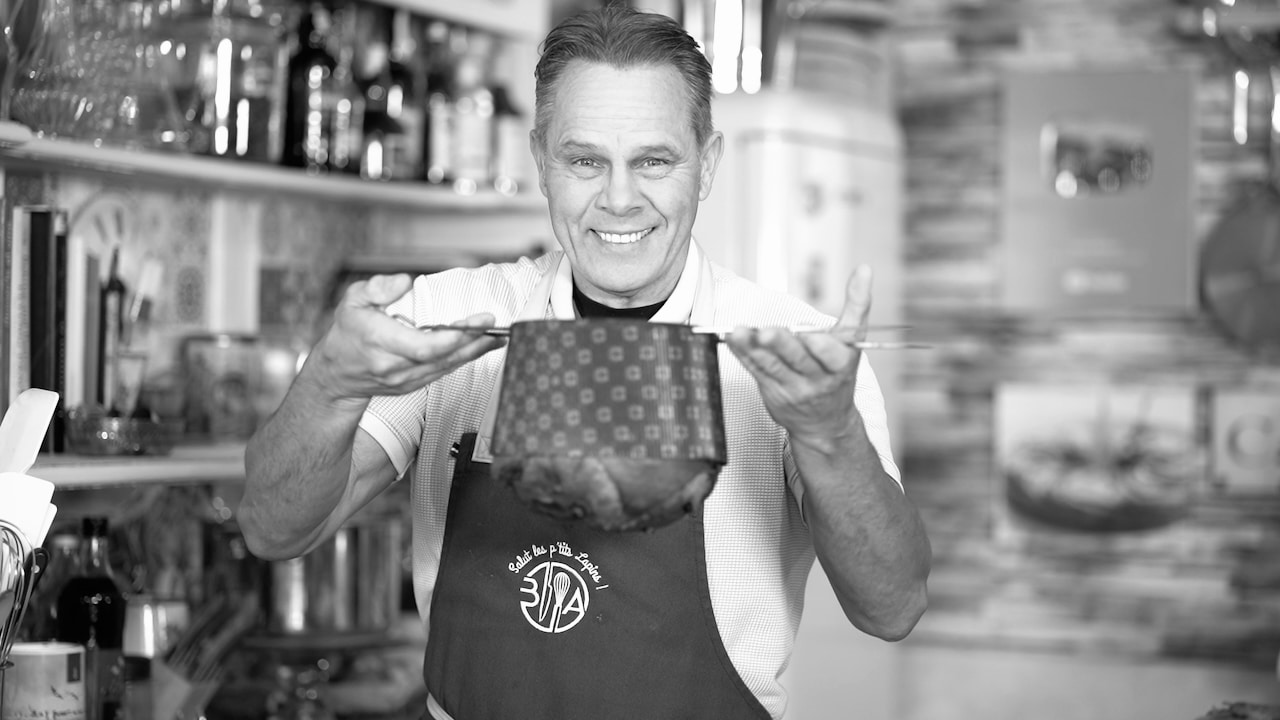
- Flip back and remove the skewers. Buon appetito!


Storage
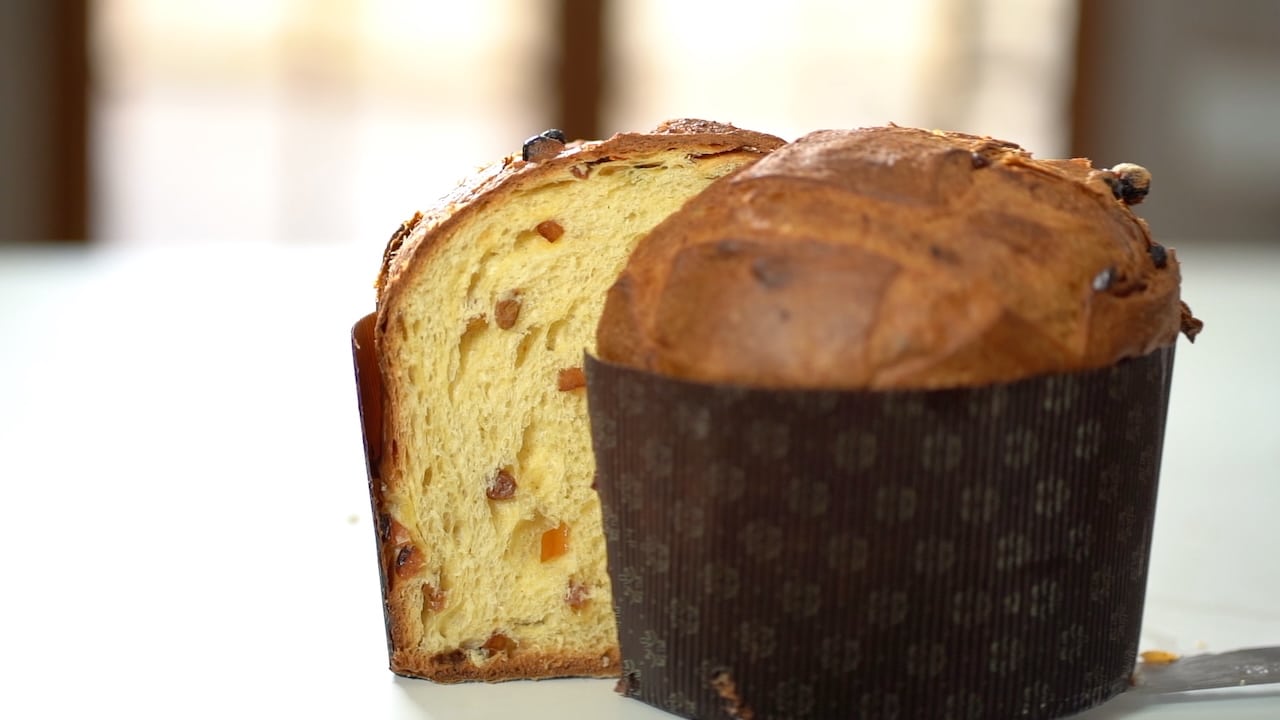
- Panettone made with a natural leaven boasts an incomparable texture and an extended shelf life of approximately two weeks at room temperature (wrapped in cling film or store in a panettone tin box). Refrigeration is not recommended. The best method for long-term storage is freezing. Wrap the whole panettone or individual slices tightly in plastic film. Then, place it inside a freezer bag or wrap it in foil to prevent freezer burn. It can be frozen for up to 3 months.To serve: Thaw it overnight at room temperature while still wrapped. You can also warm slices gently in the oven or toaster.

This content is part of the PREMIUM SECTION

This recipe requires a All-content access subscription. The Premium section includes more than 50 essential recipes from French pastry and a special section for mastering artisanal bread.
The Premium section is only accessible with "A year at the table" subscription. Discover it with special first year discount.


