
Please note that the full access to this content needs a "Year at the table" subscription: please sign up.
The true soul of your bread begins with the wild yeasts...
This recipe is a protected and only available for paid members. To obtain the full step by step recipe and detailed ingredients list, please sign up.
Preview the recipe
Where Was the First Fermented Dough Found?
- The earliest concrete evidence we have of fermented bread comes from ancient Egypt, around 1500 BCE. The theory is that a mixture of flour and water was left out in the warm air along the Nile. Wild yeasts and bacteria (like Lactobacillus) present in the air and on the grain would have naturally colonized the dough, causing it to ferment and rise. This created the world's first sourdough starters.
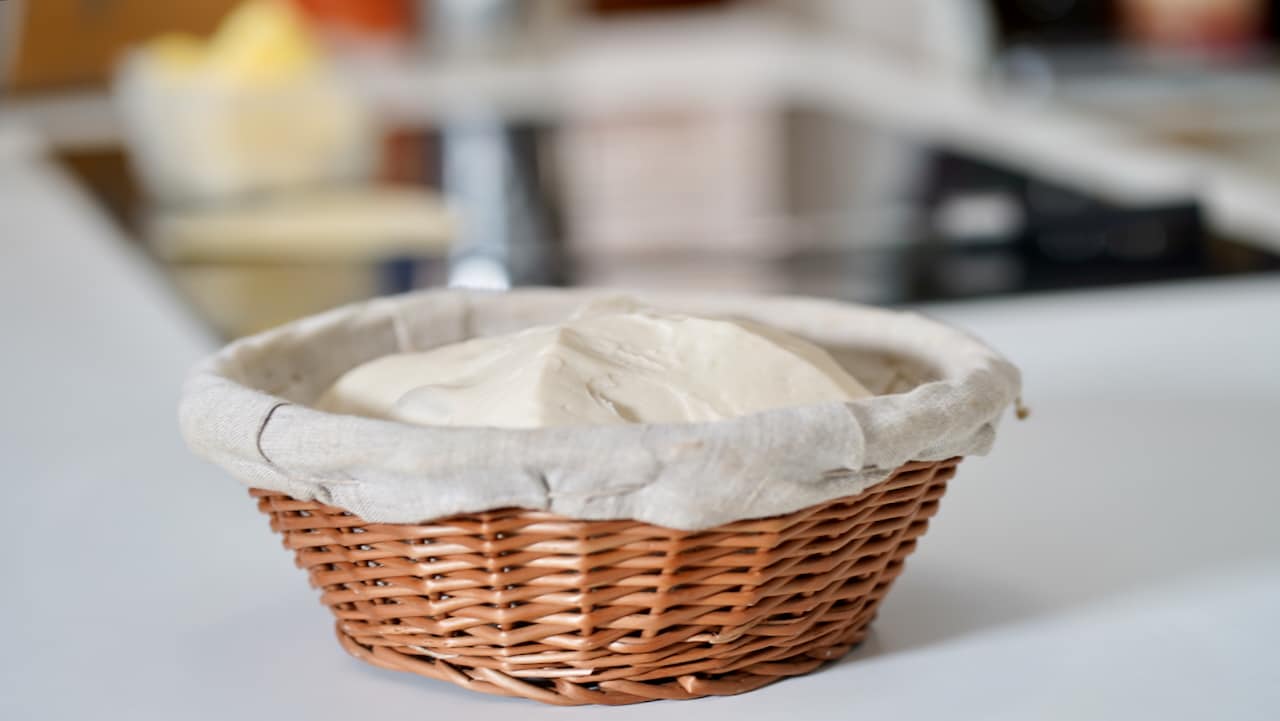

Mother-Levain Made with Fermented Juice
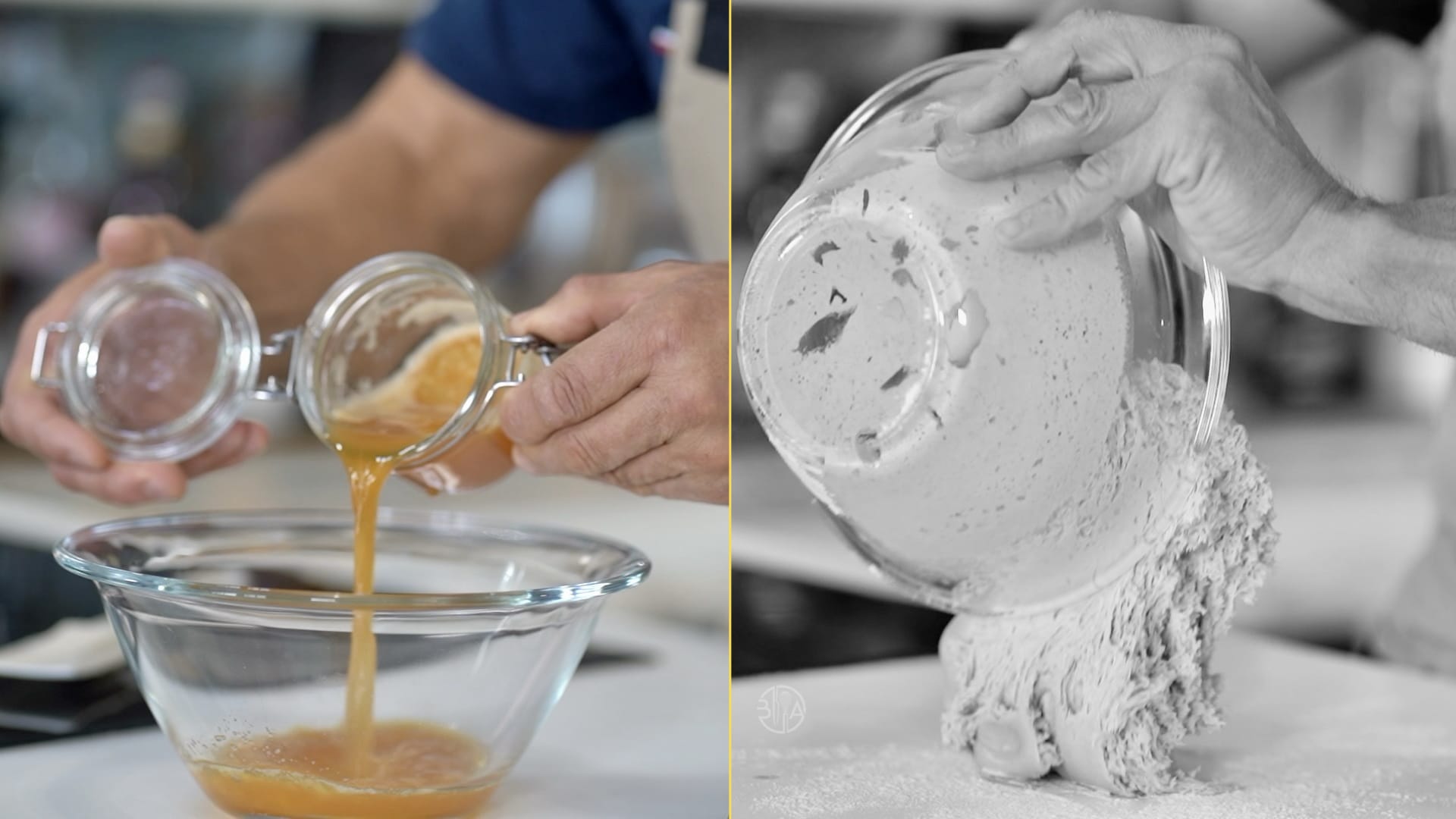
- Juices extracted from organic fruits such as grapes (white or black) and unpeeled apples are among the more exciting way to begin your journey in the mother-levain making.

- Any juices that have not being enhanced by anything rather than its natural property and of course unpasteurized, are good to go. Dry raisins soaked in lukewarm water are often used in recipes but because of the way dry fruits are preserved, I'll skip it. Other ways to make your mother is using a base of honey, water and whole wheat or rye flour. I personally found out that starting the story of your homemade levain using a natural fermented juice is just unique and noble. I learned this technique from a MOF Meilleurs Ouvriers de France baker in Bordeaux.
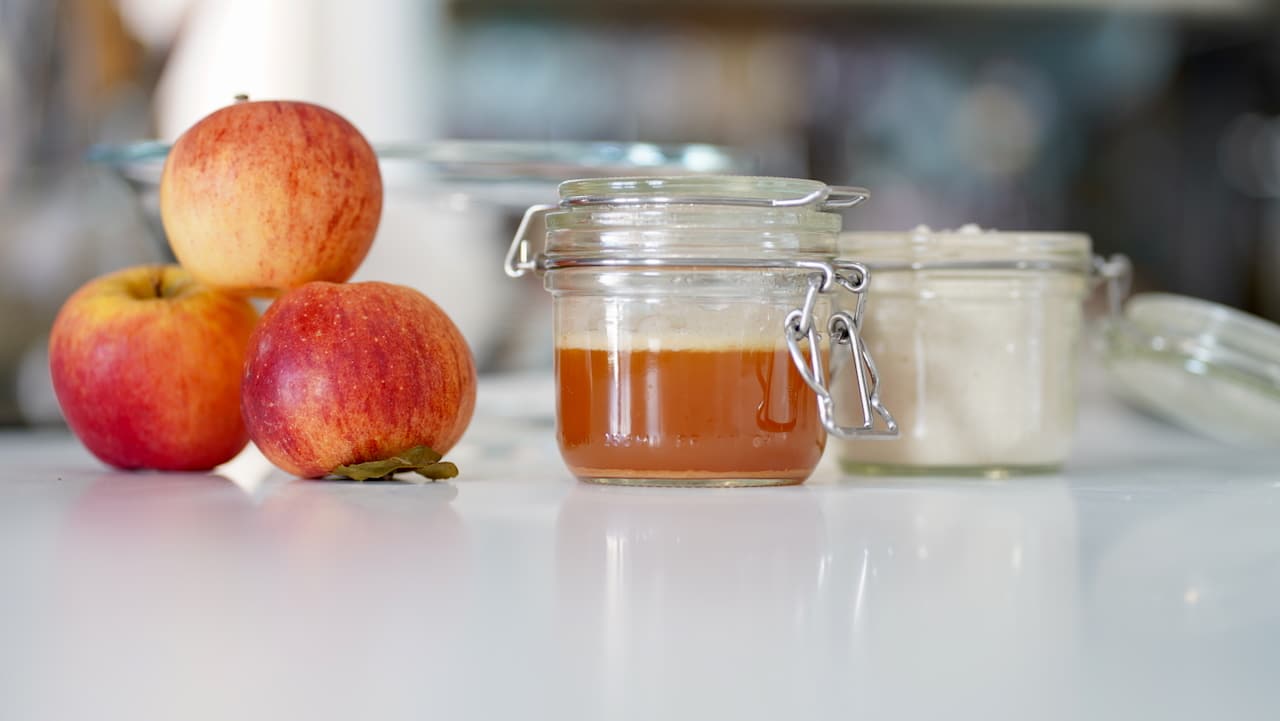


Juice for Wild-Yeast Starter
- Place the sieved grape or apple juice in the jar. Close the lid loosely to allow air to circulate or plastic warp (poke a hole in the center). Leave in a warm area that is around 77ºF/25°C for 3 to 4 days. Once the grape juice is bubbling and has a sour smell, taste it. The tanginess confirms that fermentation is active, and your juice is ready for the following step.
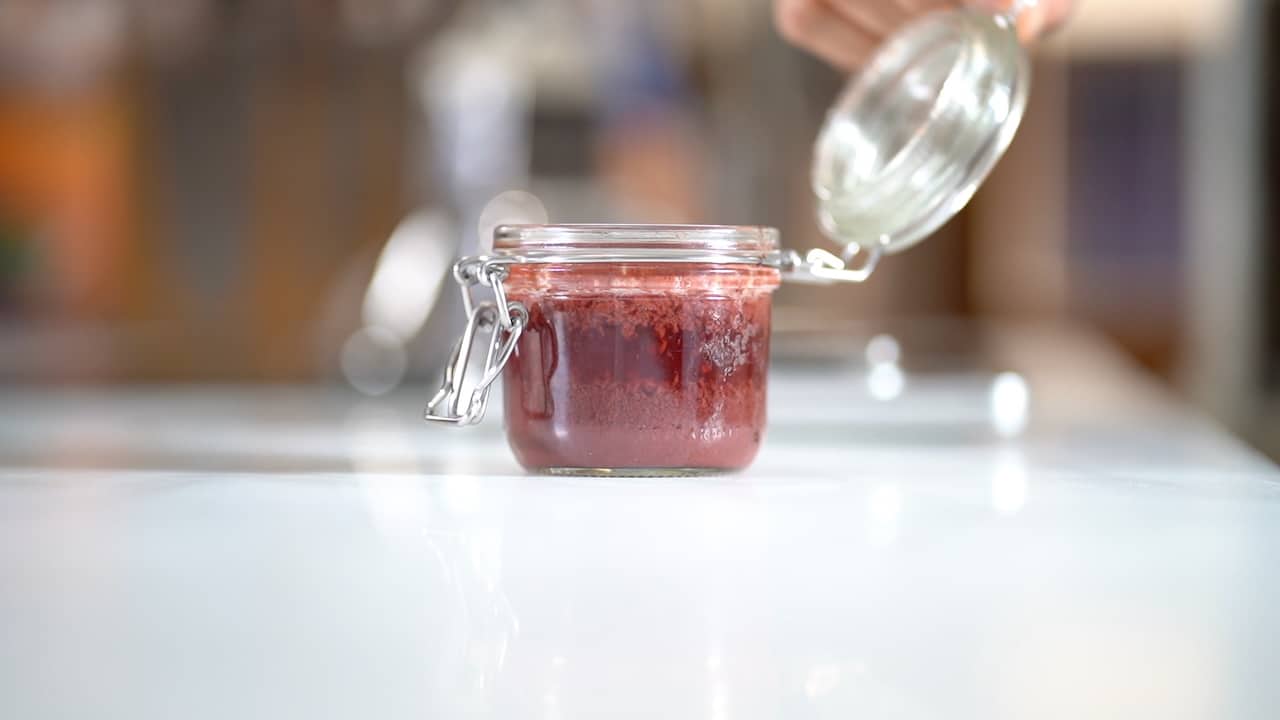

ProTip
- For a successful levain, it's important to maintain a sufficient volume. A small quantity of dough lacks the thermal mass to sustain an active fermentation. Although this requires discarding a portion of the levain at each feeding, this step is crucial for maintaining a healthy and active culture. The principle is similar to bulk fermentation; a larger mass ferments more predictably and vigorously.
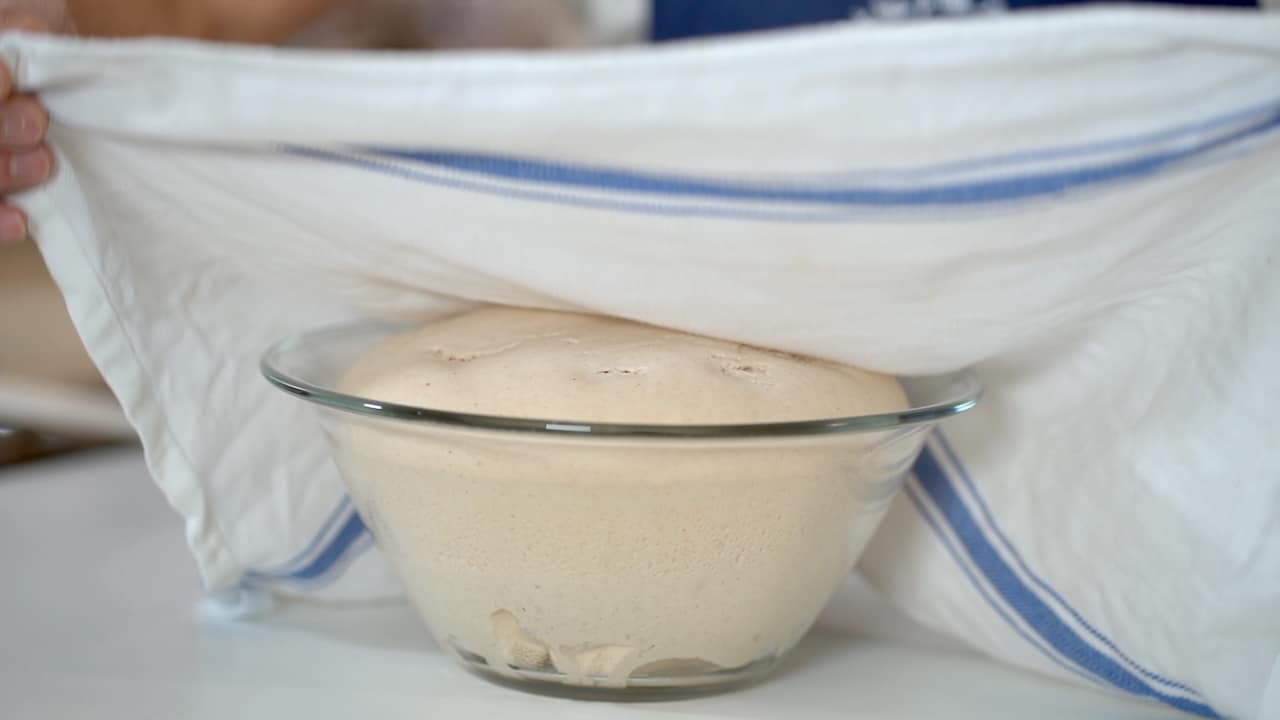

No Proofing Box?
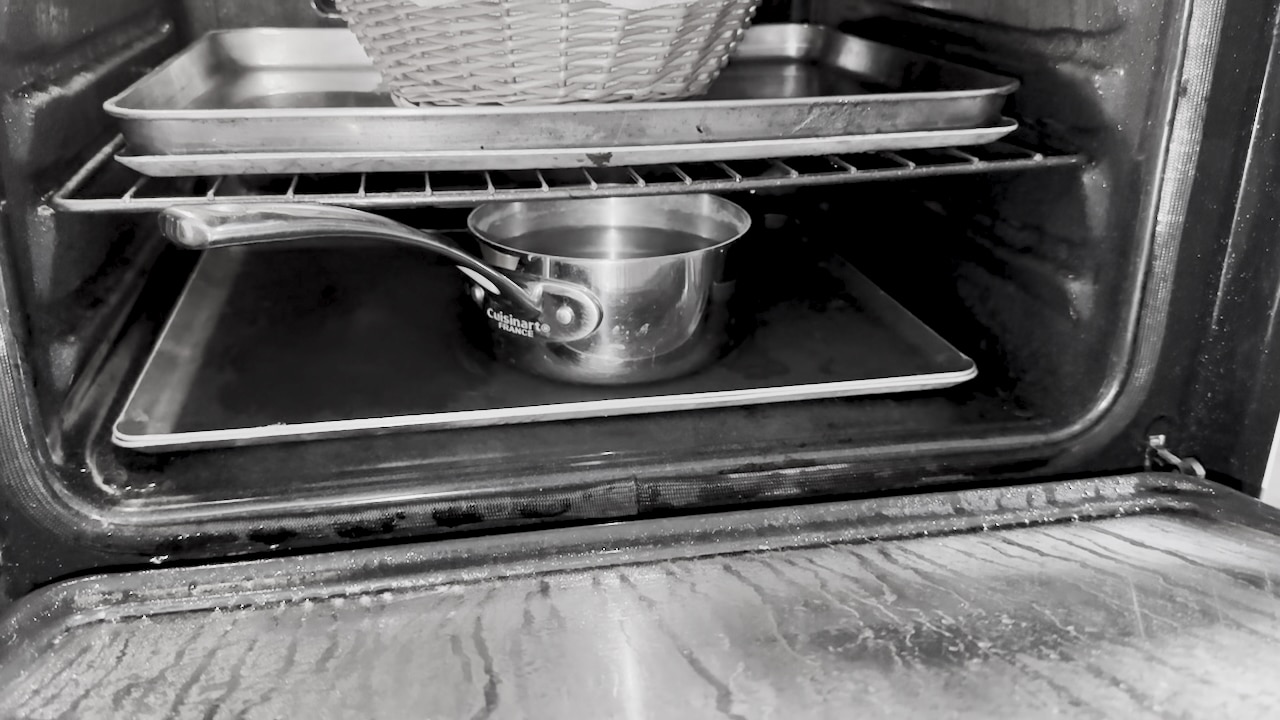
- If you don't have a proofing box, you can create a warm environment in your oven. First, bring a small saucepan of water to a boil. Carefully place the saucepan on the bottom rack of your turned-off oven and let it sit for 10-15 minutes. This will warm and humidify the oven. Then, remove the water, wait a few minutes for the temperature to stabilize, and place your dough inside. If the oven cools down later, you can briefly reheat the water to maintain the temperature. No worries, excessive humidity is perfect for that purpose!

Mother Leaven (Levain Mère)
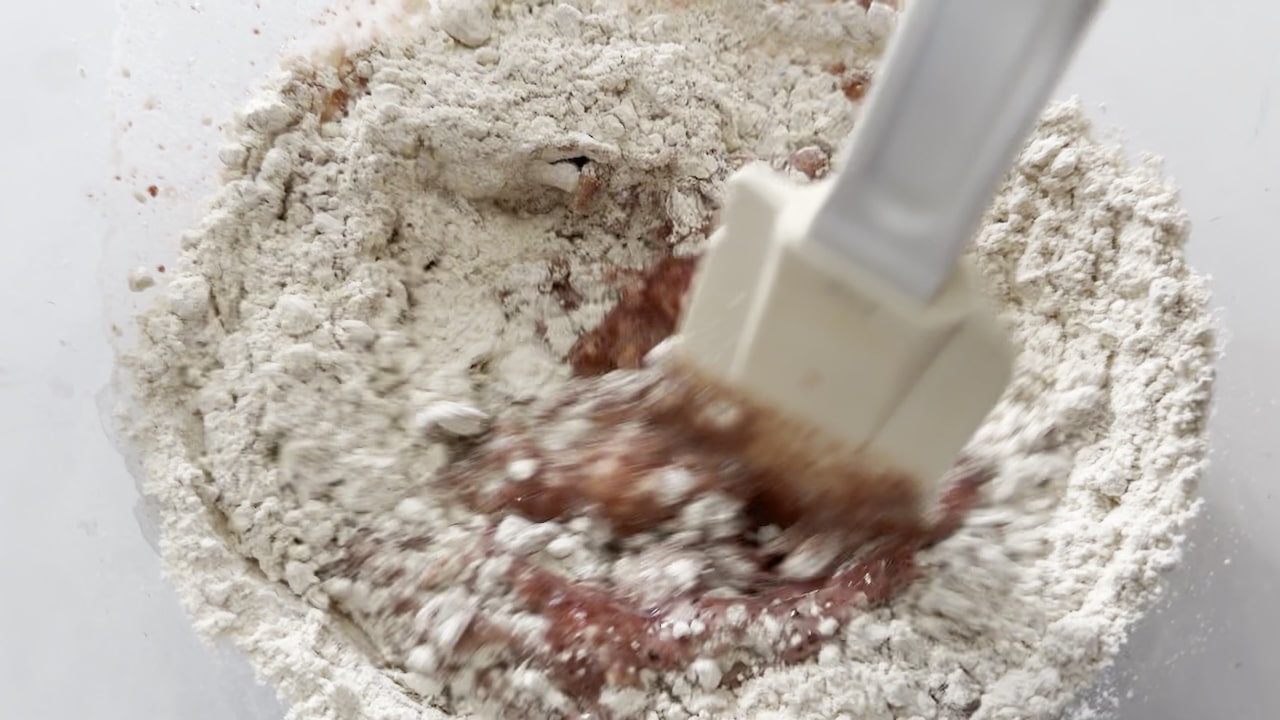
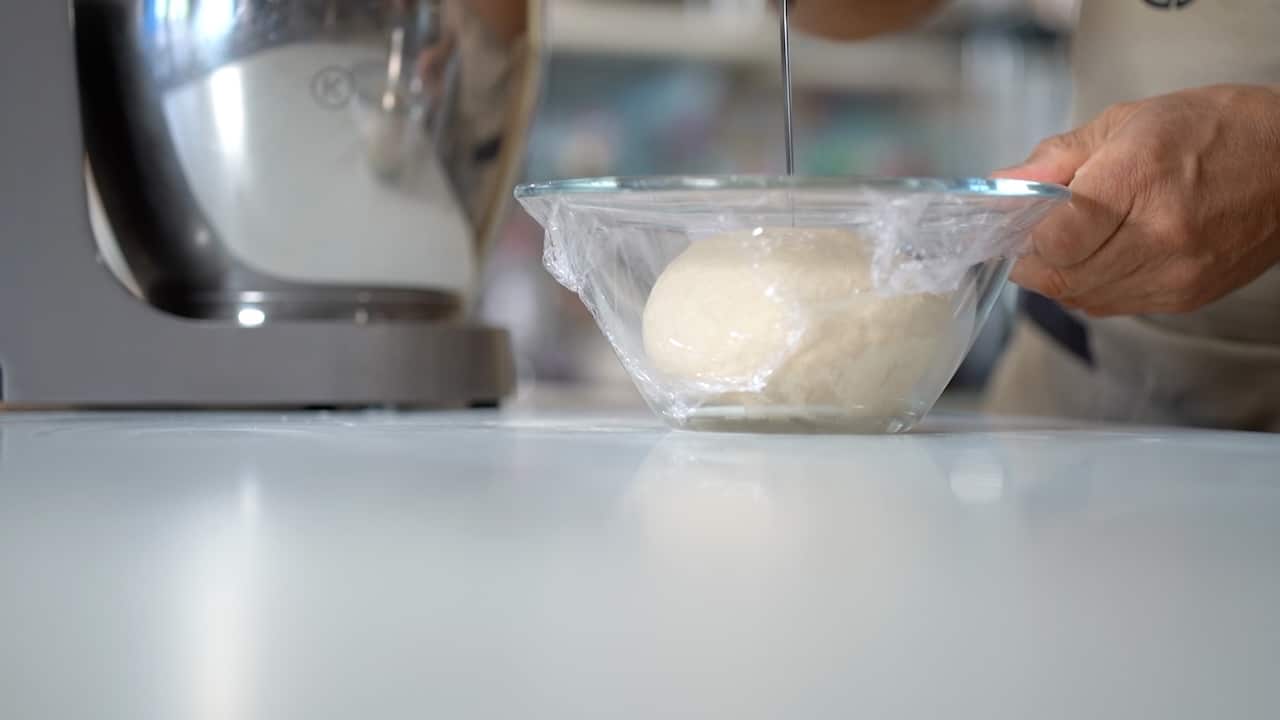
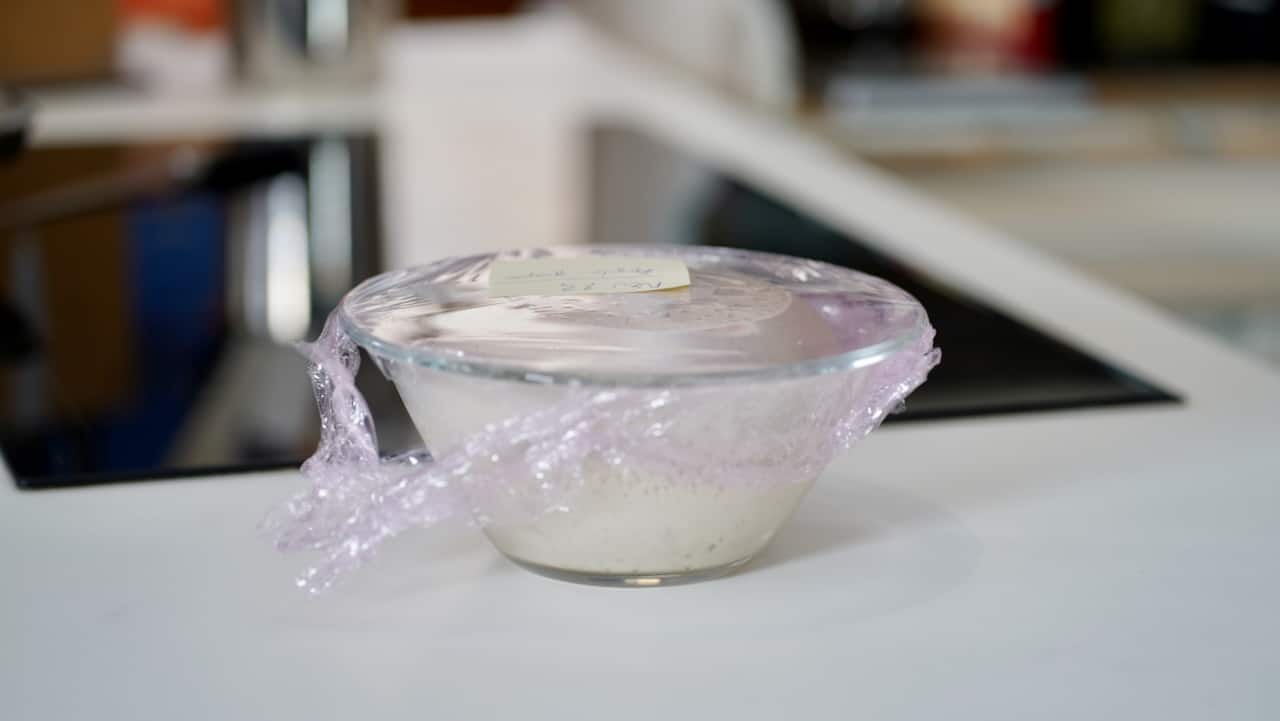
- Combine the fermented mixture with stoneground flour and water. Cover the bowl with plastic wrap, poke a small hole in the wrap for gas to escape.
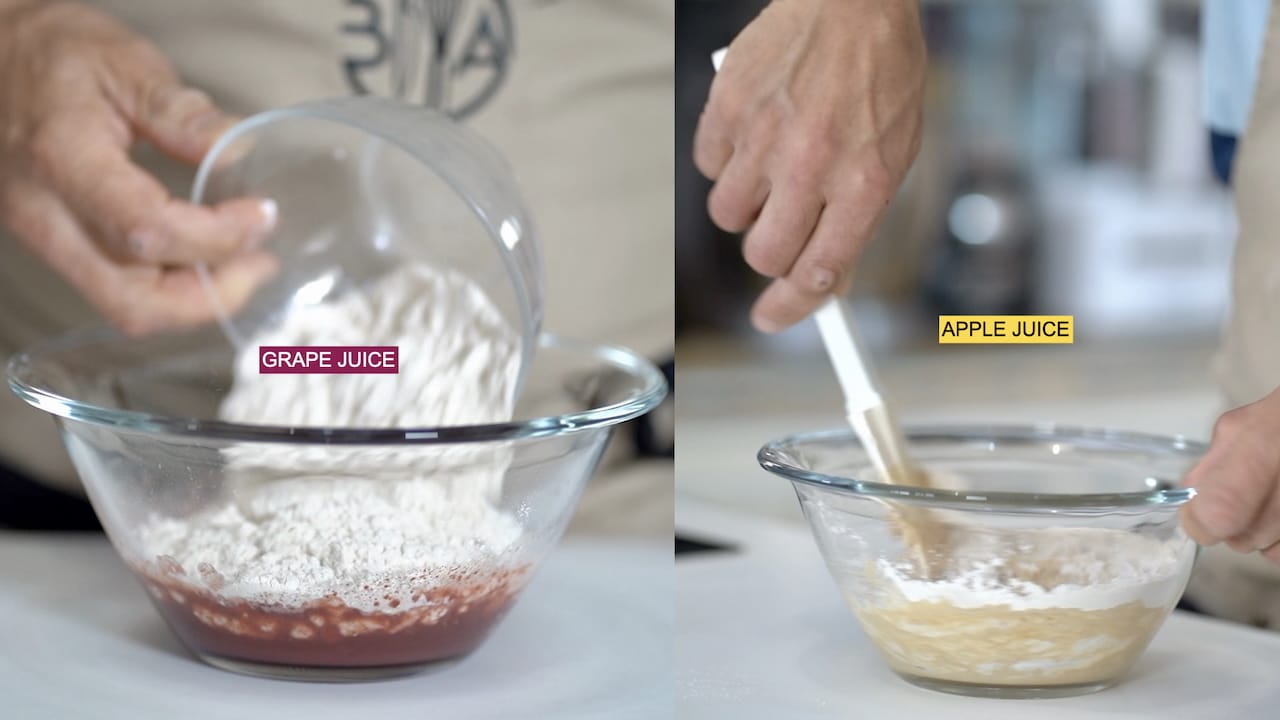
- Note that colored juices (such as black grape juice) will stain your starter at first, but the color will fade as you continue to refresh it.
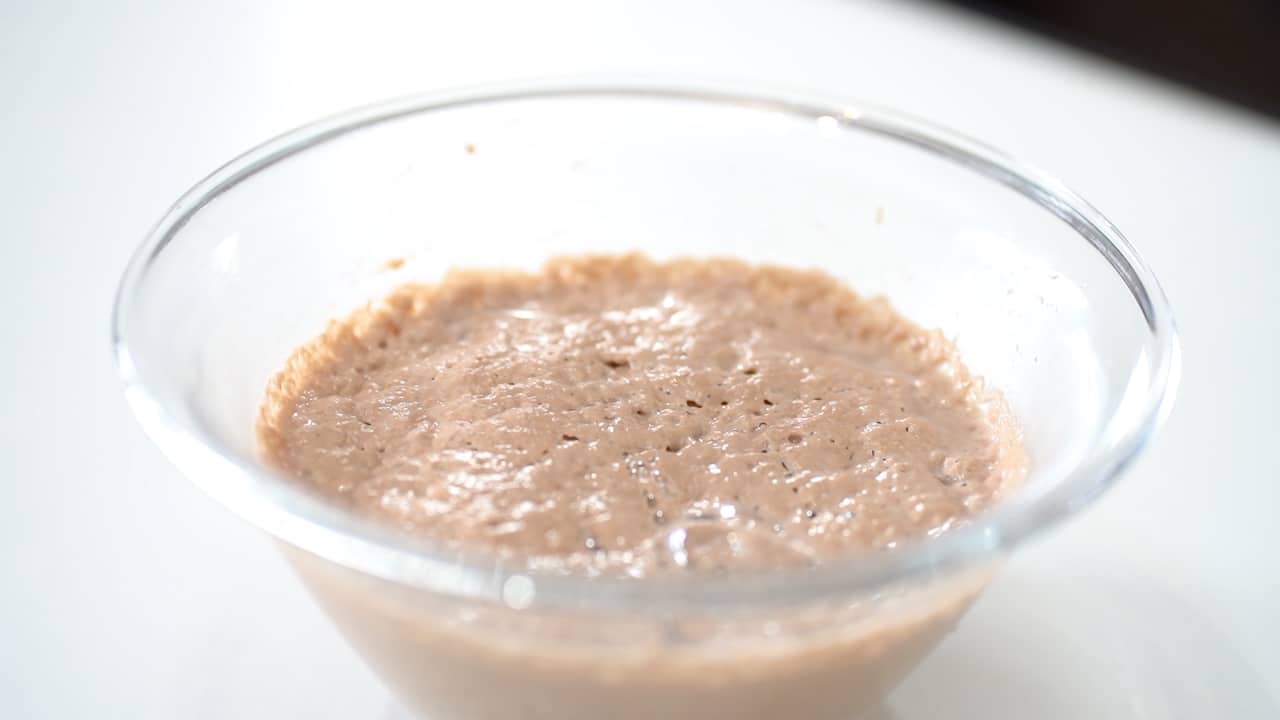
- Let ferment in a warm and humid area at 28-30ºC for 24 hours.


First Leaven Refresh
- Pour water over the fermented mother leaven. Add it to the bowl of a stand mixer fitted with a dough hook. The paddle attachment can also be used at this stage...
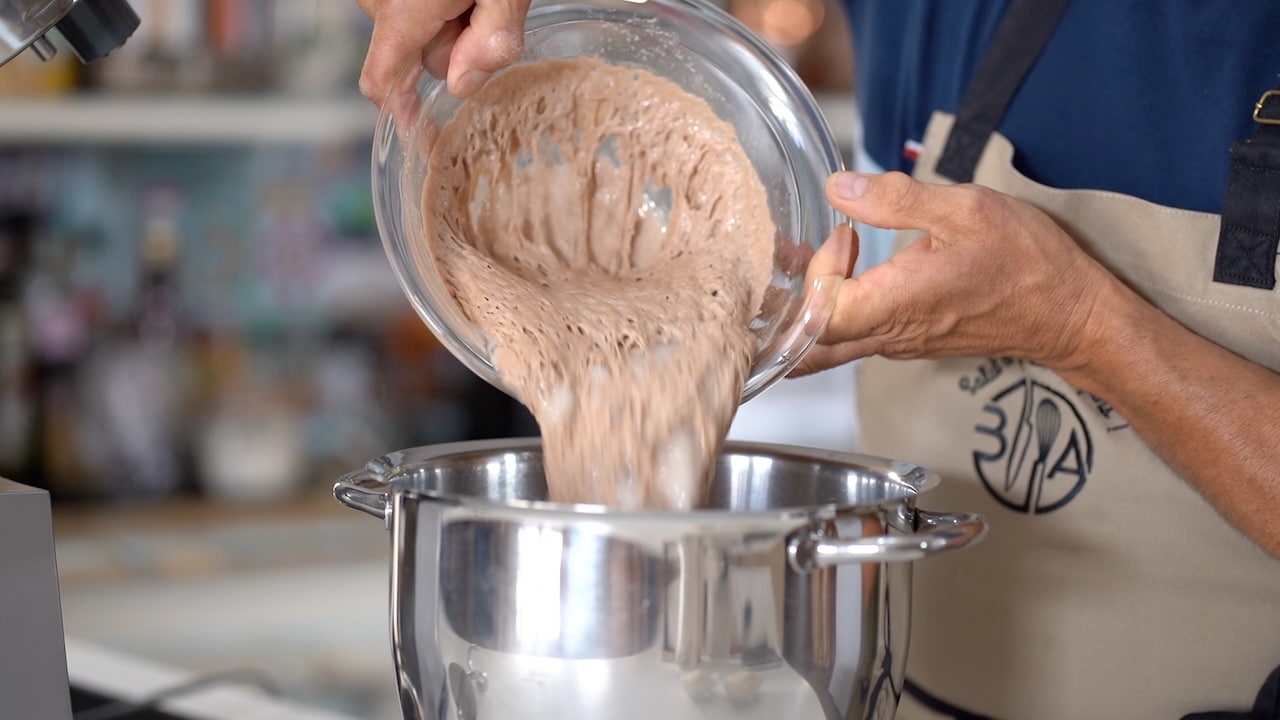
- Add the stoneground and bread flour.
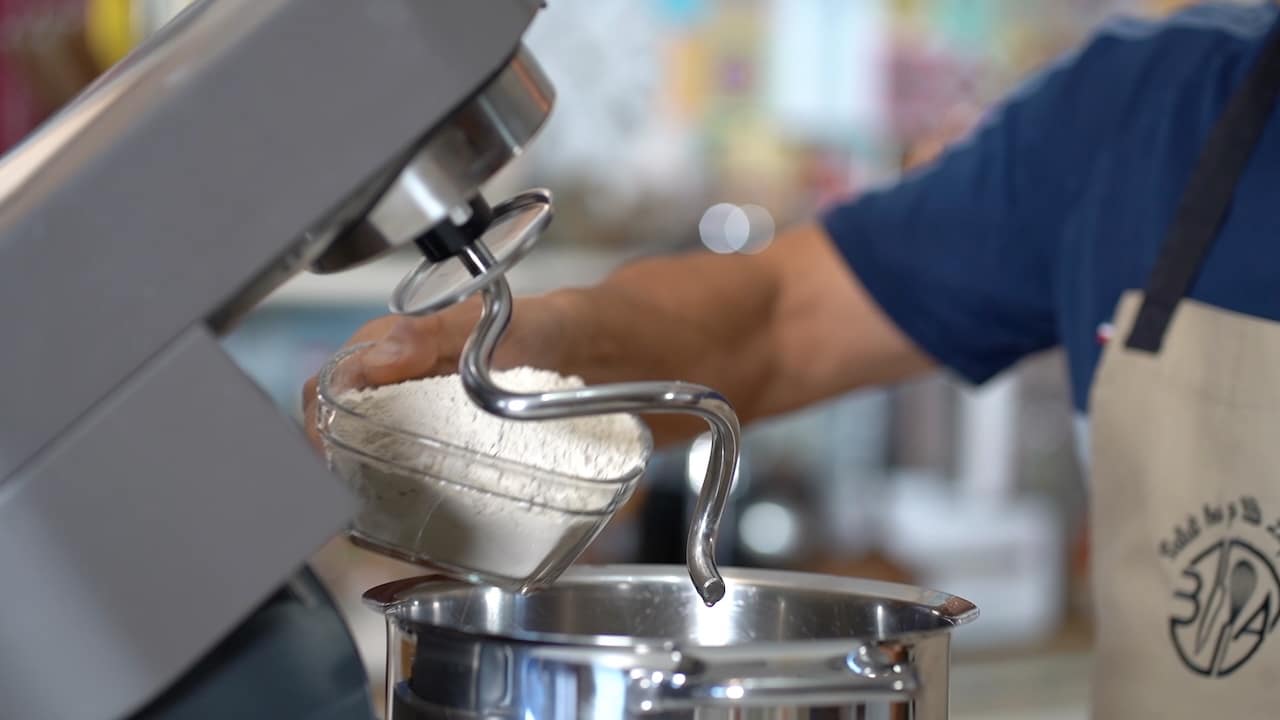
- Mix on low speed for 3 minutes to combine, then increase to medium-high speed and knead for 5-6 minutes, until the dough is smooth.
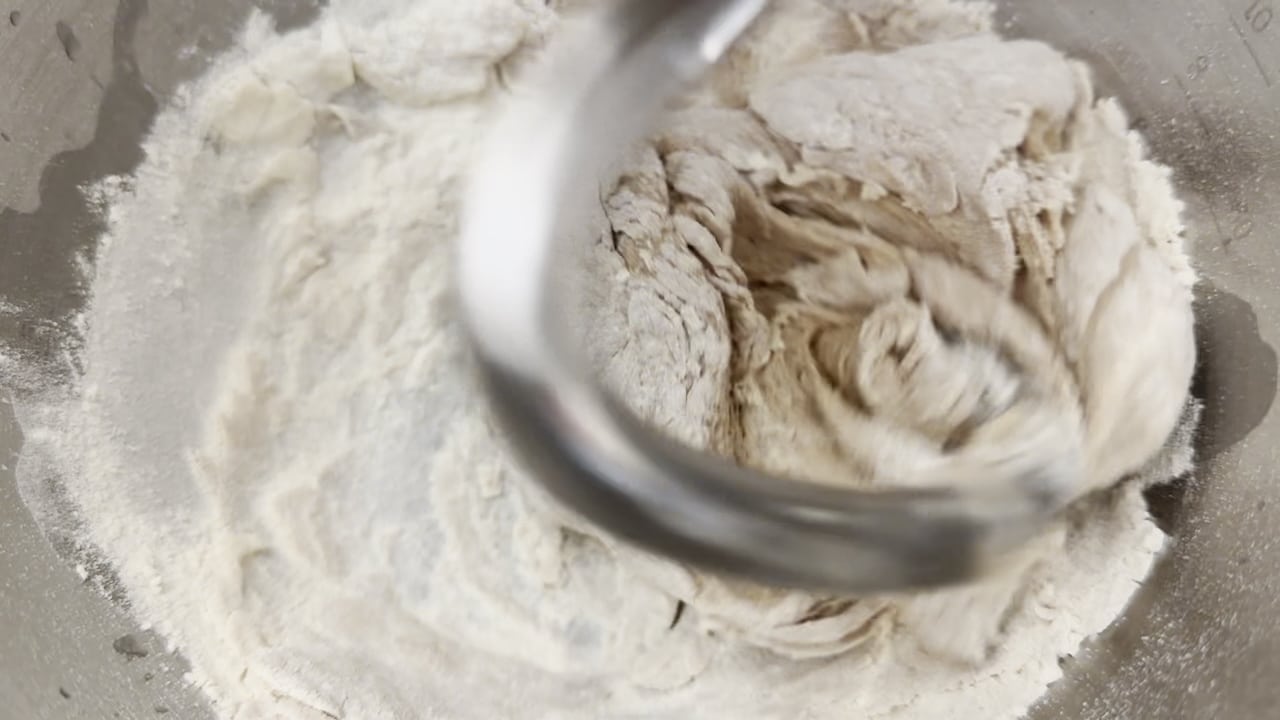
- At this juncture, the dough remains supple. It'll get harder as it gets refreshed later on. The target internal temperature for the dough is 24–26°C (75–79°F). Shape the dough into a tight round and place it in a 1.5qt/L bowl.
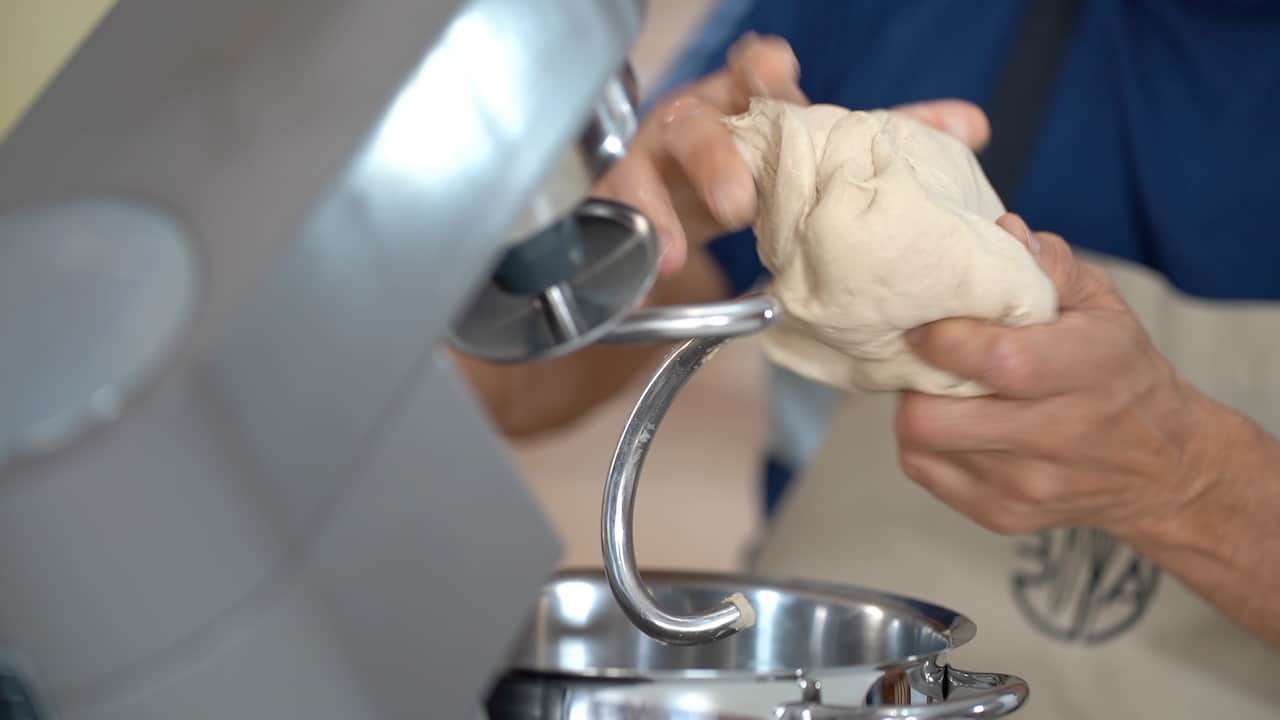
- Cover the bowl with plastic wrap, poke a hole and let it ferment for 24 hours at 28–30°C (82–86°F). Label the container with the stage: Exp: First refreshing, date, and time.
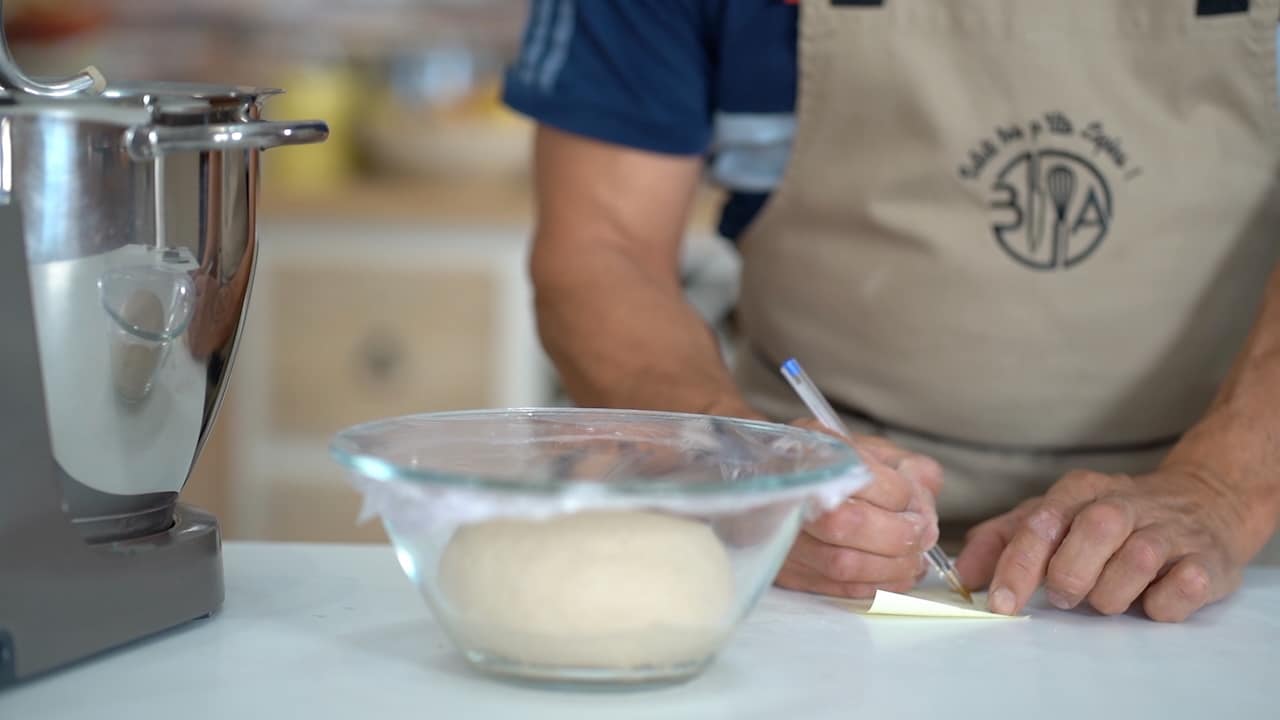


Second Leaven Refresh
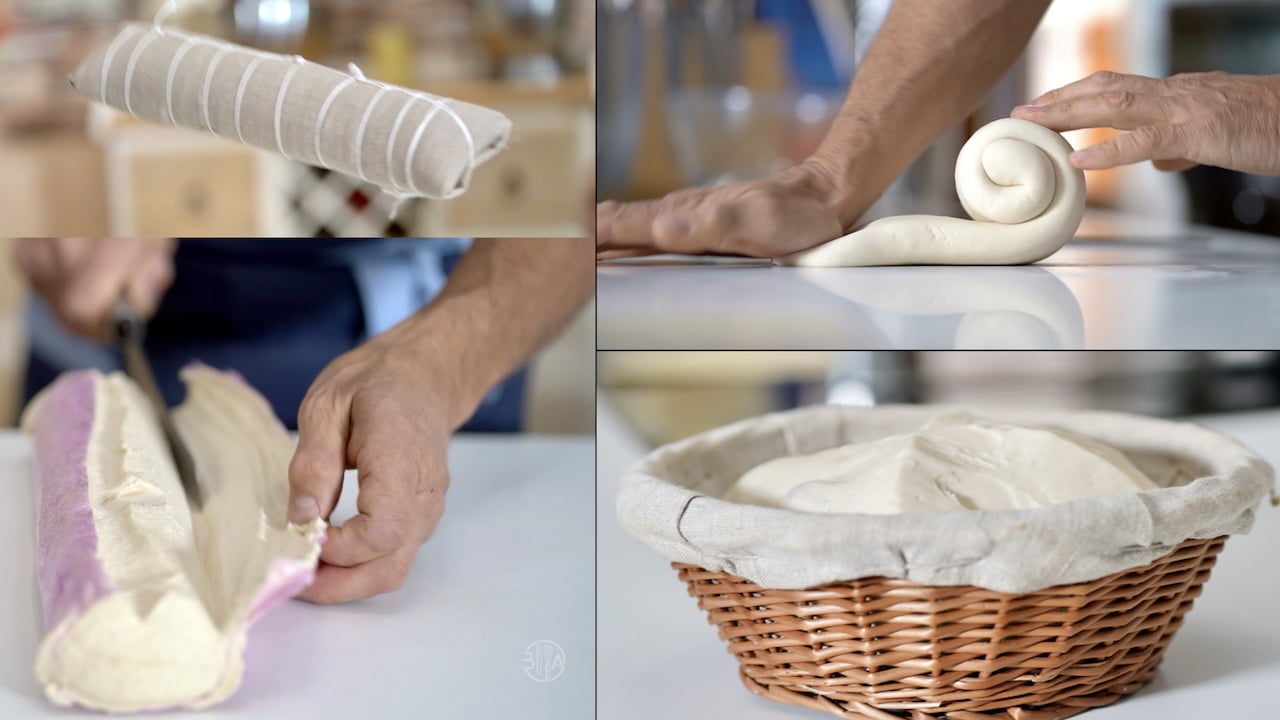
- Remove the plastic wrap, dust the top of the starter with flour, and turn it out onto the countertop.
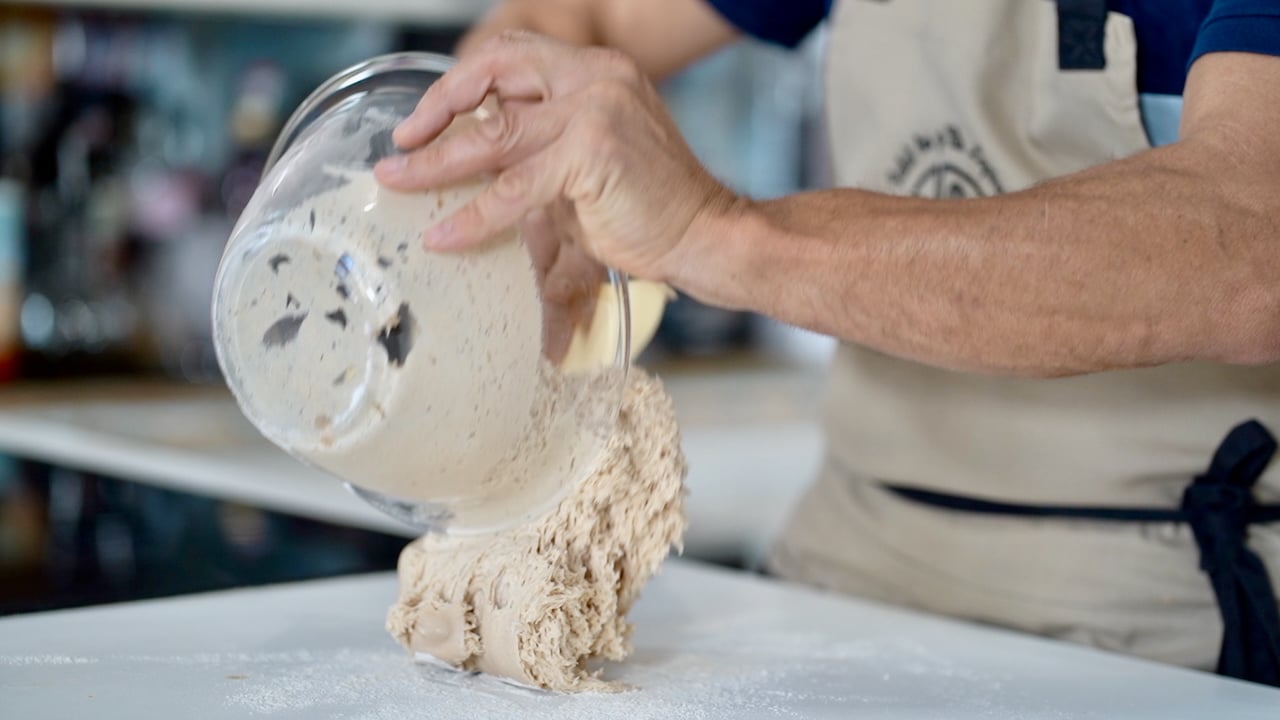
- Portion out the required amount of starter, discarding any excess.
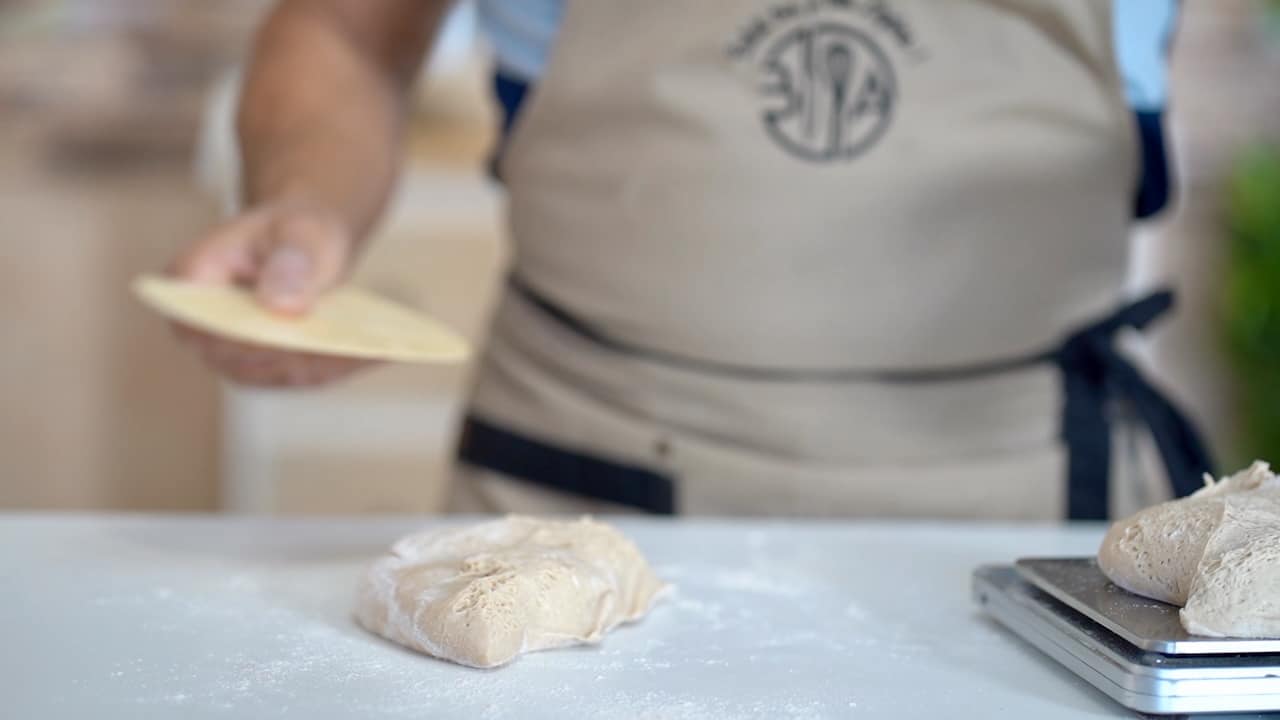
- Then, add the water and flour and mix 3 minutes on low and 5 to 7 minutes on medium-high speed.
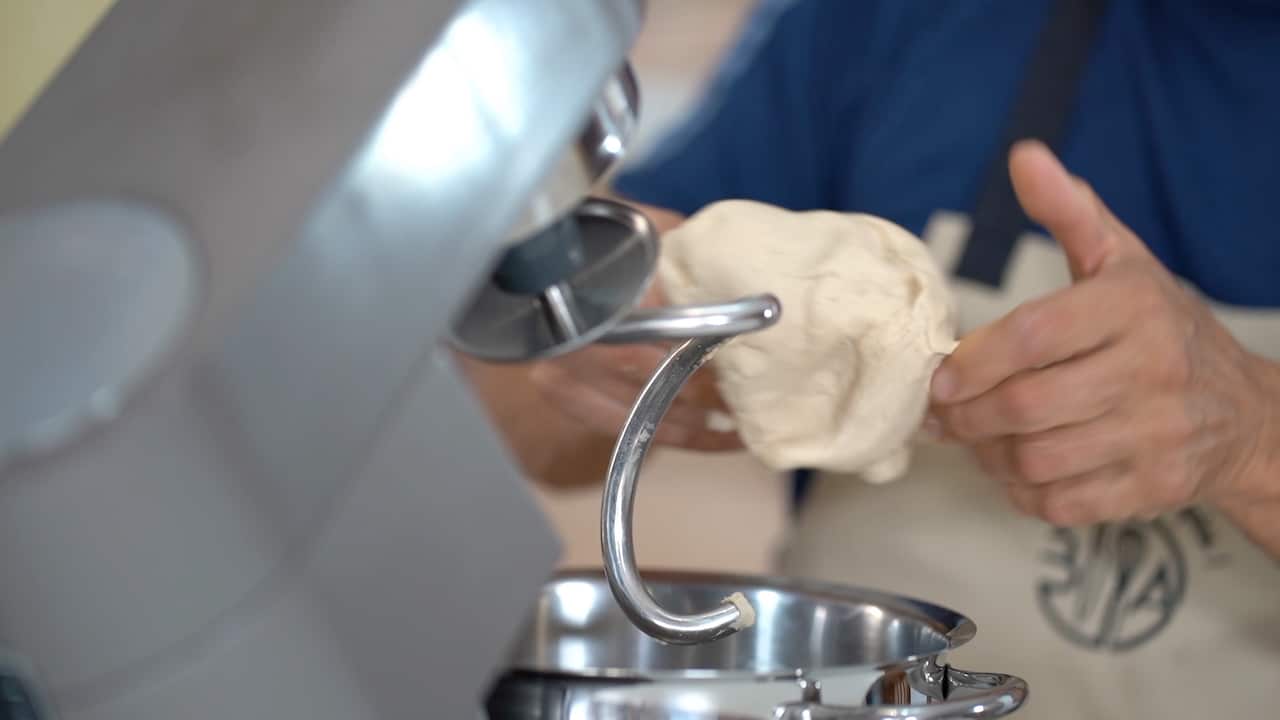
- Shape dough into a tight ball without using extra flour.
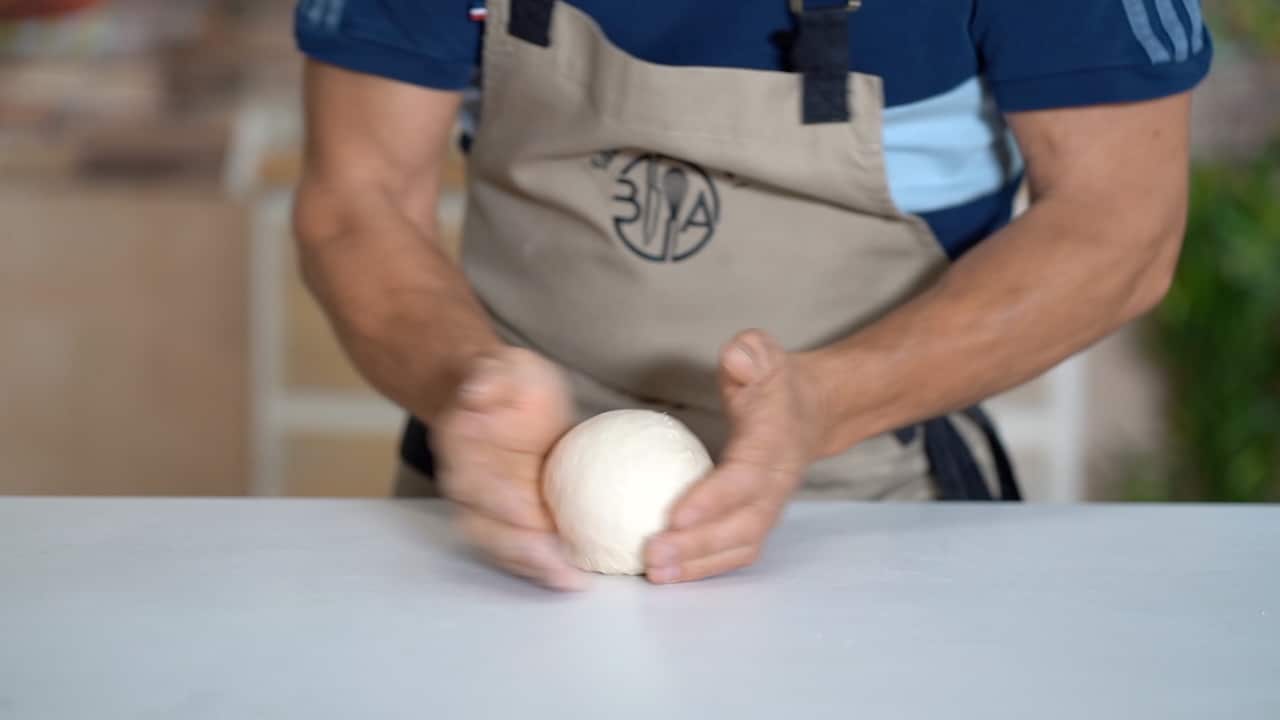
- Let it ferment for 14-16 hours at 25-28°C (77°F).


Third Leaven Refresh
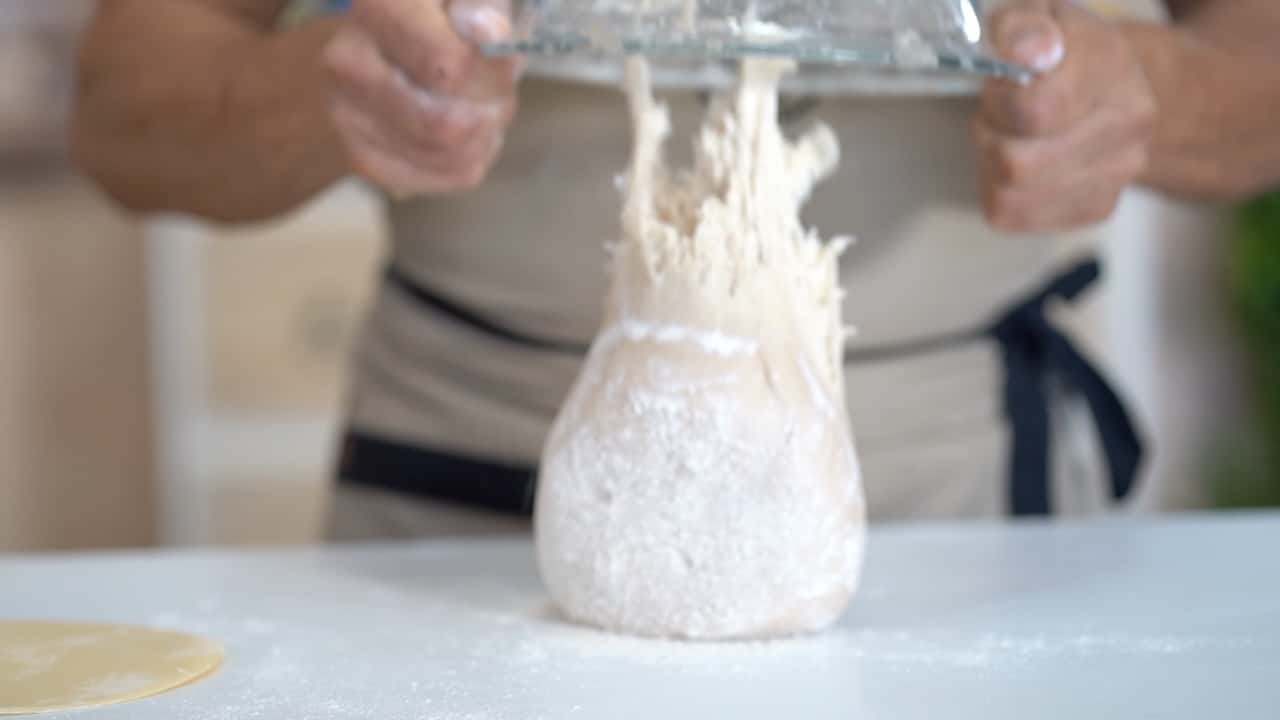
- Remove the plastic wrap, dust the top of the starter with flour, and turn it out onto the countertop.
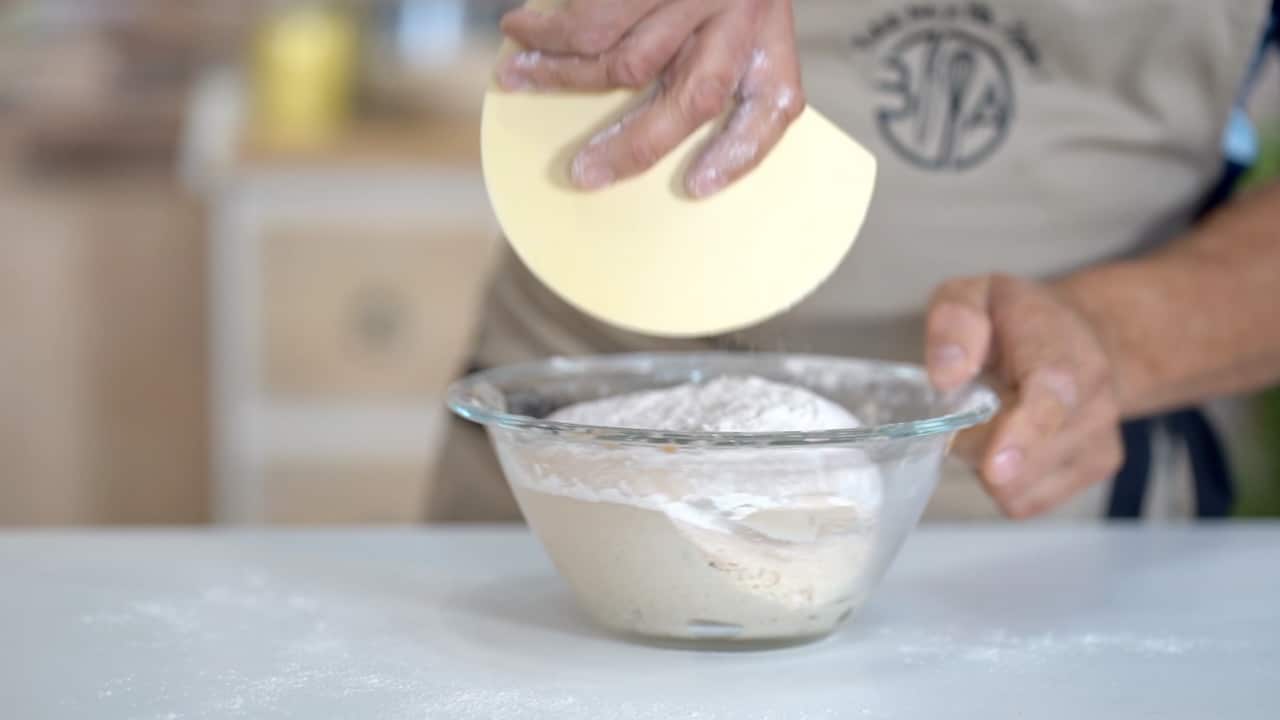
- Portion out the required amount of starter, discarding any excess. Then, incorporate the water and flour, mixing according to the instructions above.
- Let it ferment for 14-16 hours at 25°C (77°F).
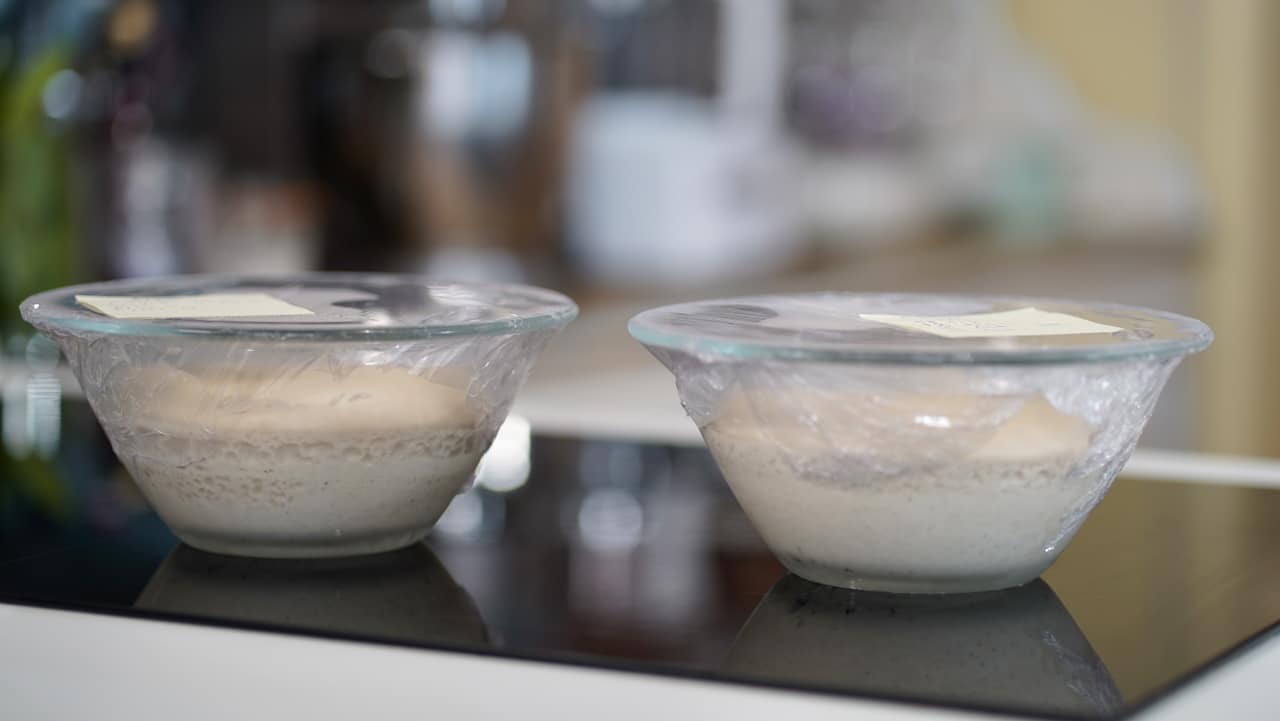


Fourth Leaven Refresh
- Repeat the same protocol (last).
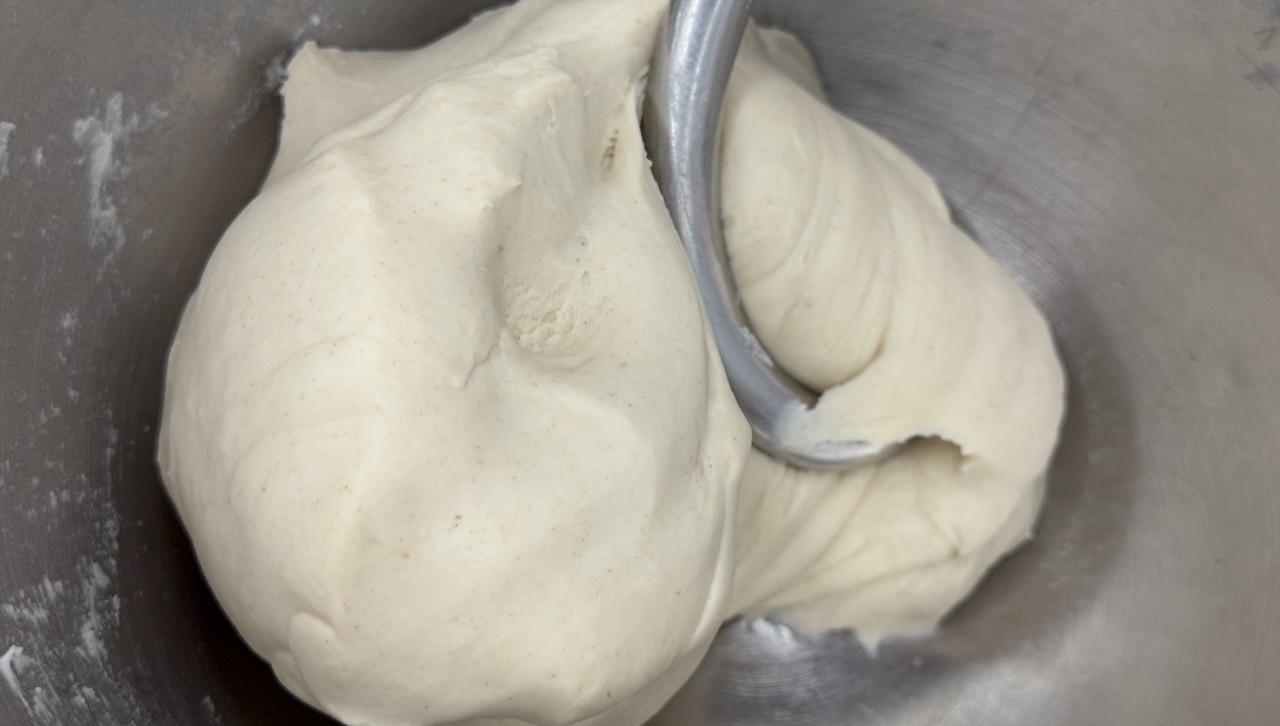
- Allow the refreshed leaven to sit at room temperature for an hour before refrigerating it overnight.
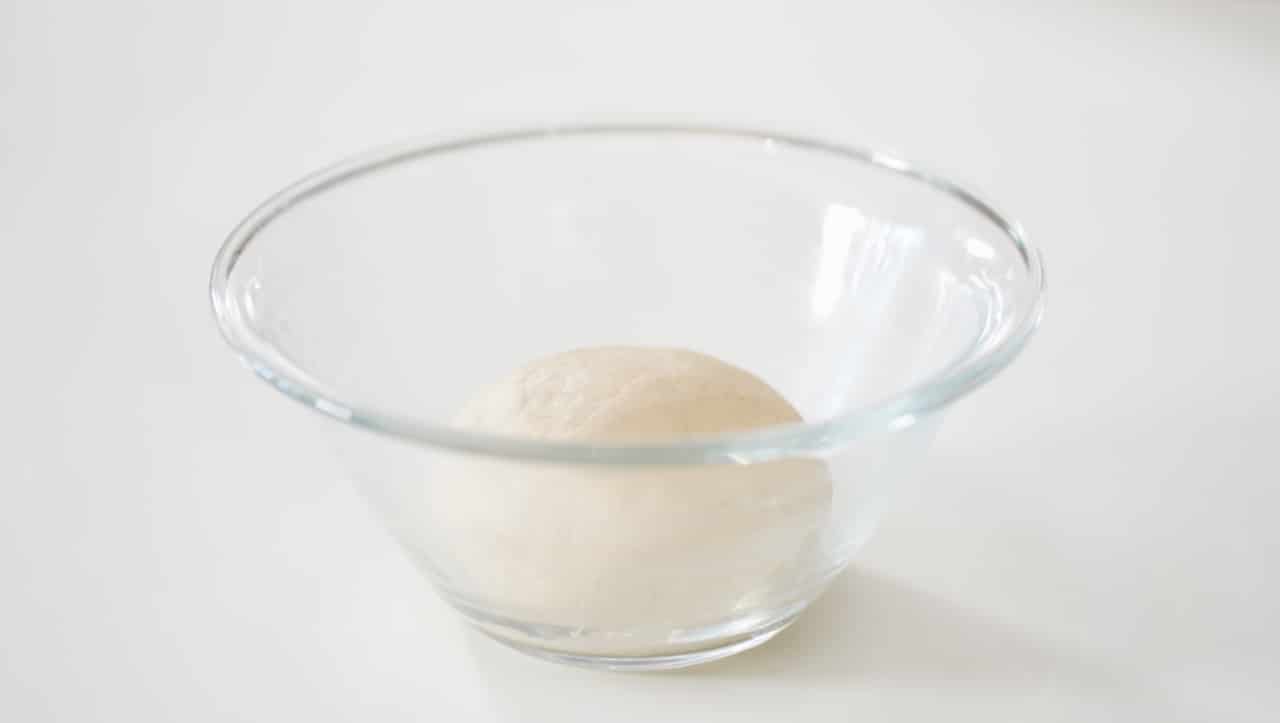
- Now your powerful, mature natural starter (Levain Tout Point) is ready to enhance your bread.

- Always refresh your sourdough starter the day before you bake.
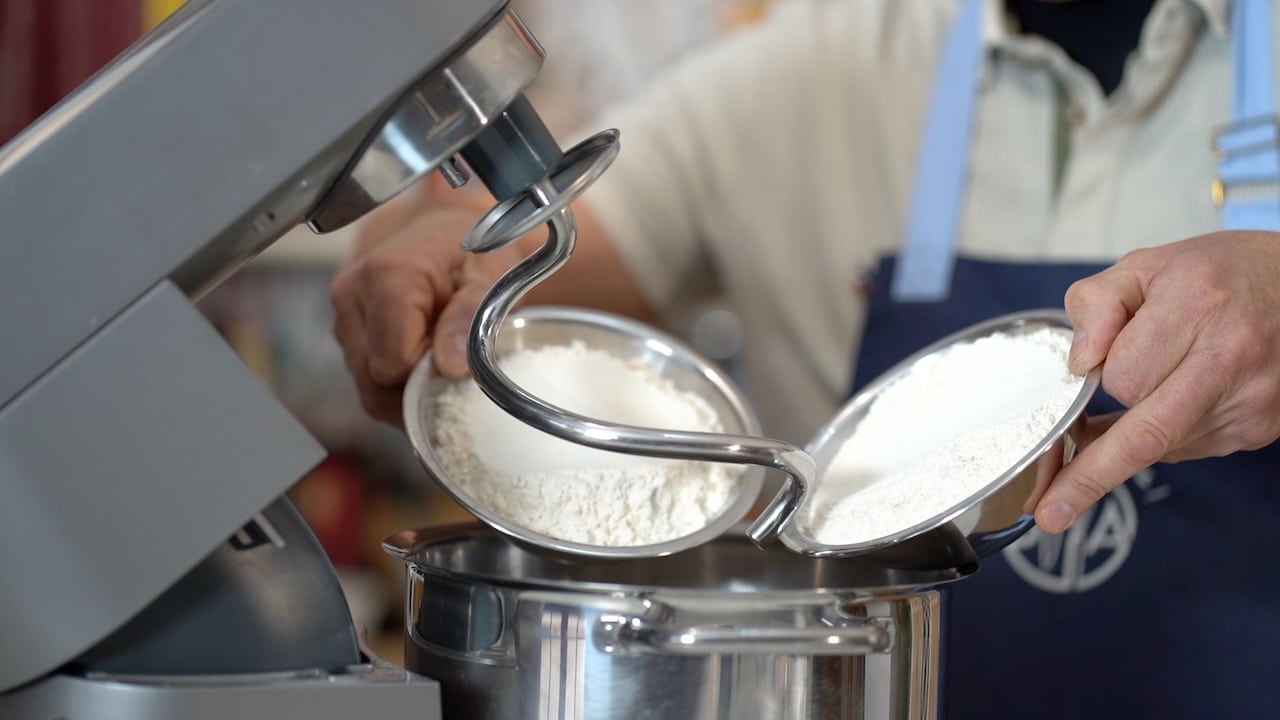


Sourdough Starter Feeding Ratio for Bread
- It can be refreshed every day if you make bread on the daily basis or once a week at home. Salt may be added to your levain refreshment to stabilize it. While salt slows down the desirable yeast and bacteria, it can inhibit or even kill unwanted bacteria and molds. This makes the starter a less hospitable environment for contaminants, improving its overall stability.
- Here, I wanted to push the experiment a little further. After 6 days in the refrigerator, the natural starter is still active. However, once it begins to deflate, it's time to refresh it.

Refresh Leaven Formula For Panettone
- For sweet, delicate breads like panettone, that sharp tang is a problem. So, how do you turn your acidic starter into a mild, sweet leaven? Here's the trick: Lievito Madre.

How to Freeze a Natural Starter Correctly
- Refresh (feed) your starter as you normally would, and let it become active and bubbly at room temperature for 6-8 hours. Do not freeze a hungry or neglected starter; it needs to be at its peak strength to survive the process.A heavy-duty zip-top freezer bag is excellent because you can squeeze out the excess air, preventing freezer burn. Clearly label the container with the name of the starter and the date. Freeze starter for up to a month.To revive the frozen starter: Place the frozen starter in the refrigerator for 24 hours to thaw slowly. Refresh twice as suggested above.
This content is part of the PREMIUM SECTION

This recipe requires a All-content access subscription. The Premium section includes more than 50 essential recipes from French pastry and a special section for mastering artisanal bread.
The Premium section is only accessible with "A year at the table" subscription. Discover it with special first year discount.


