
Please note that the full access to this content needs a "Year at the table" subscription: please sign up.
Einkorn: the "caviar of grains"...
This recipe is a protected and only available for paid members. To obtain the full step by step recipe and detailed ingredients list, please sign up.
Preview the recipe
👉 Video demo coming before this mid-November !
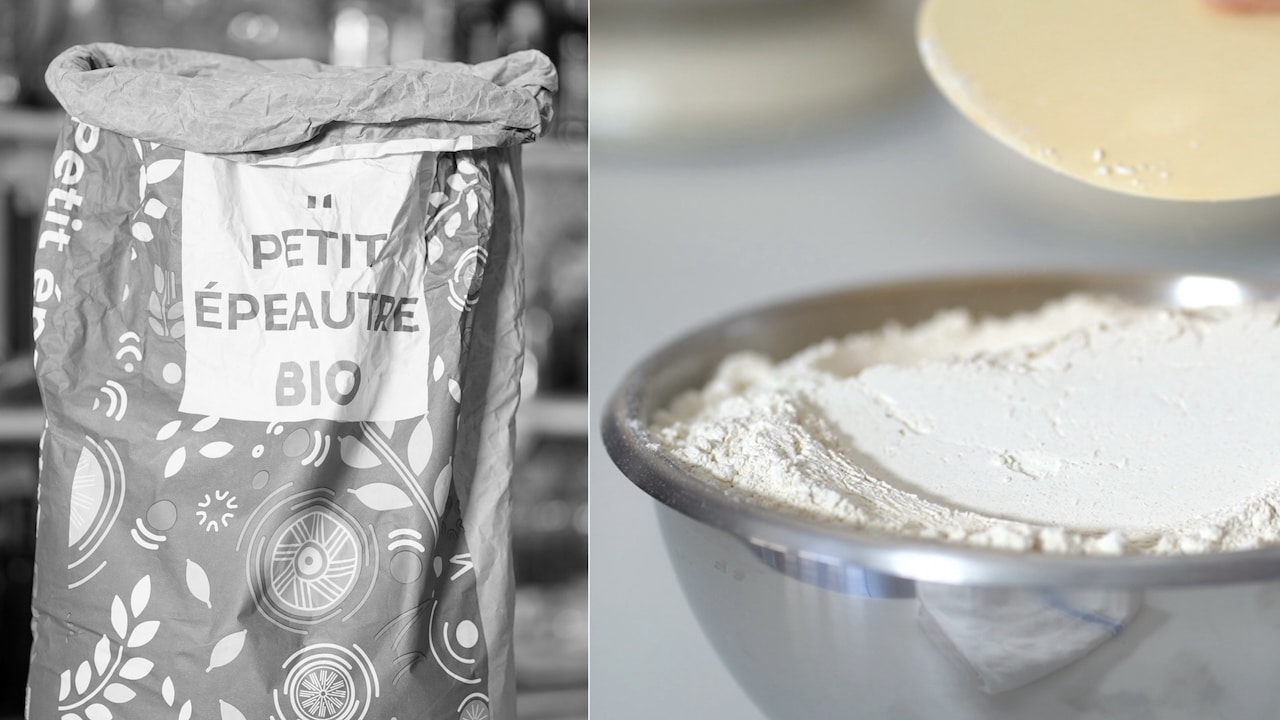
What is Little Spelt?
- Little spelt in French is known as petit épeautre; in English is called Einkorn. Not to be confused with Farro grain. Learn more: The bread baker's guide to flour.Einkorn flour is low in gluten, at just around seven percent. While hydration can vary and reach up to 90% with other wheat varieties that absorb more water—such as baguette de tradition, made with liquid levain or autolyse—le petit épeautre does not. This ancient grain only tolerates hydration between 60 and 70% max. The addition of a leaven is mandatory.

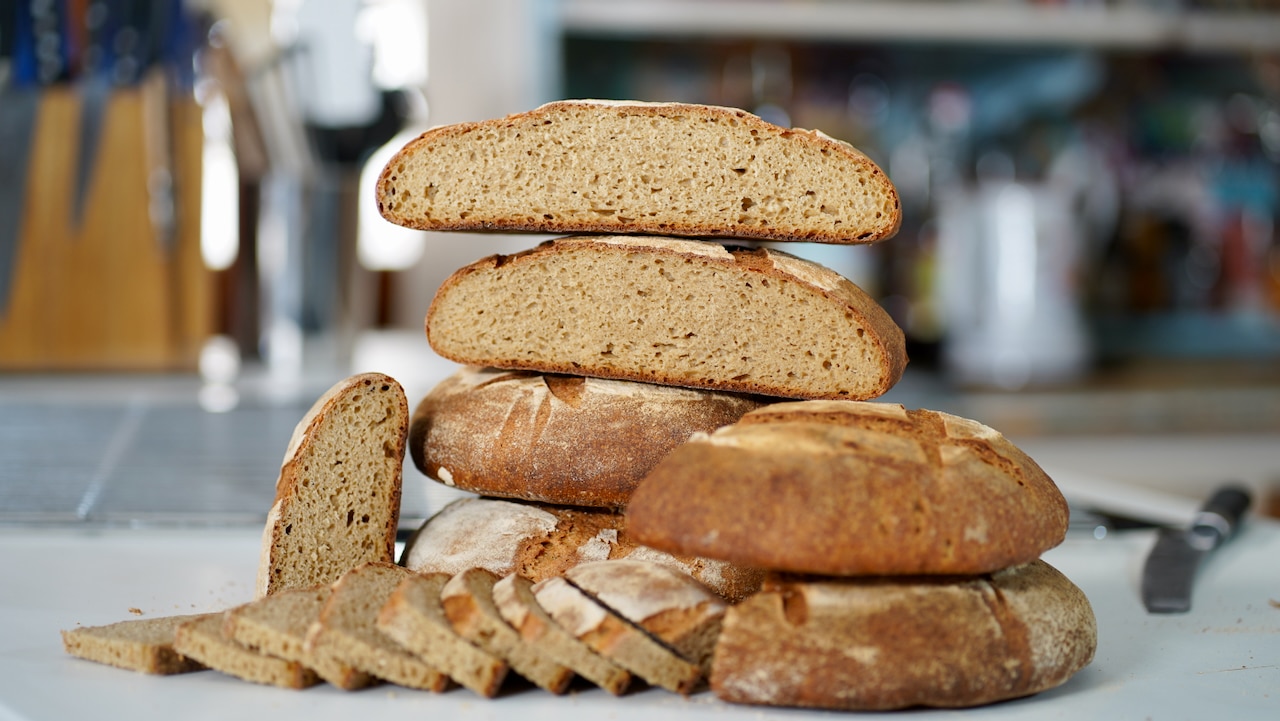
About the Crumb
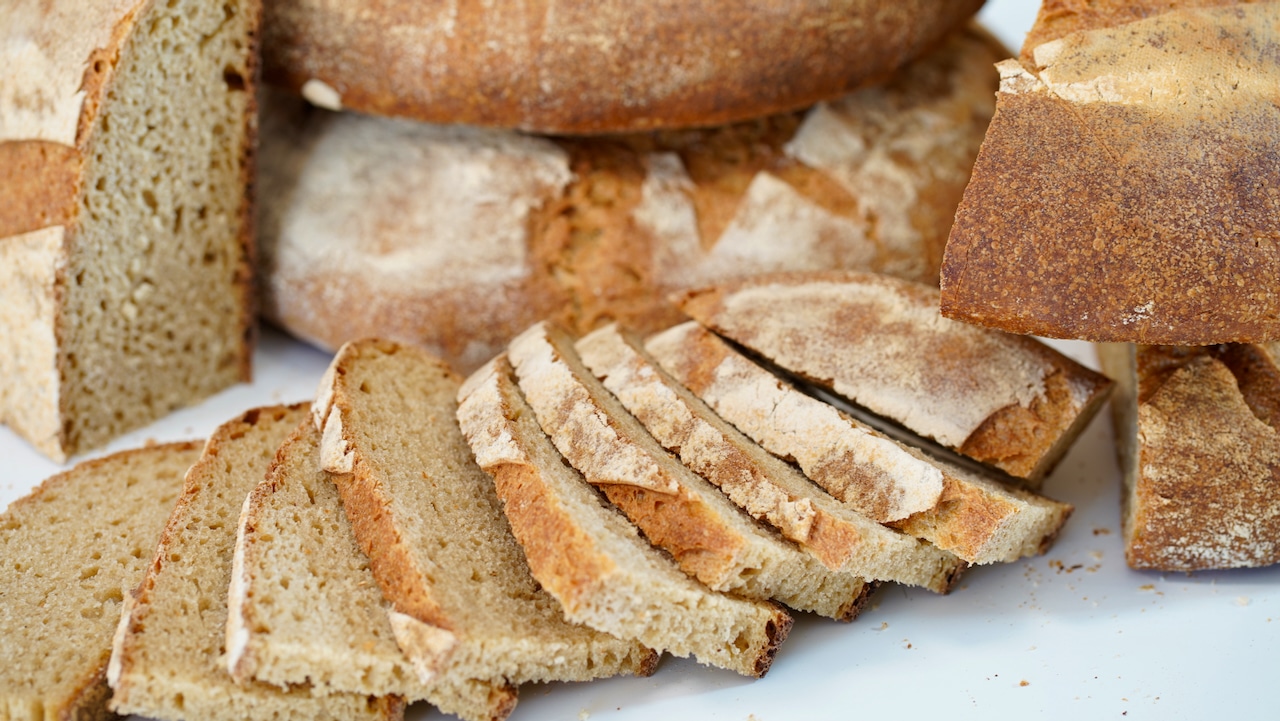
- Bread dough enhanced with natural levain and made with low-gluten stone-milled whole wheat, dark rye, and ancient spelt flour won't produce open holes and an airy crumb, but rather a typical mild acetic taste and a pretty dense honeycomb texture. Ancient dark rye bread and pain Poilâne are among the best examples. These are the best-ever breads for your breakfast—lightly toasted with a hint of butter and honey. This is it!

Refreshing Leaven
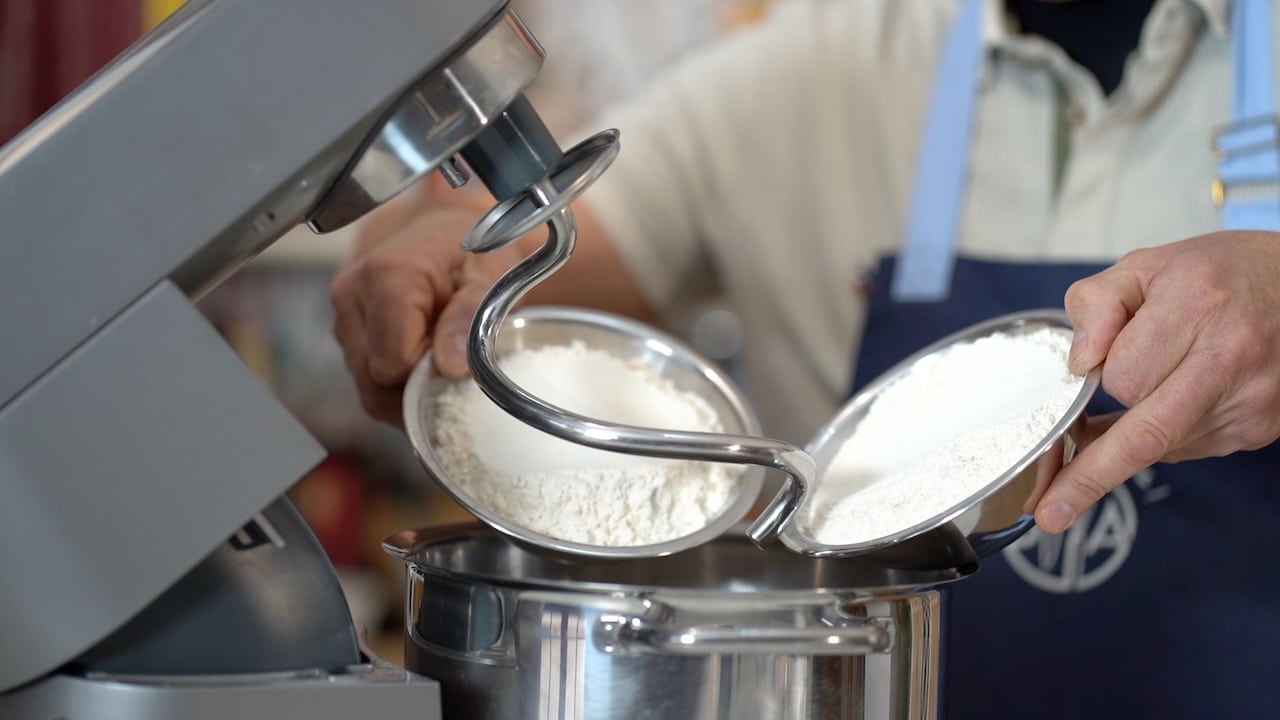
- Your levain can be refreshed a day or 2 prior to mixing. Divide the starter/leaven into 3 pieces. In a stand mixer fitted with the dough hook, combine the leaven, water, and flours. Mix on low speed until the dough comes together. Increase the speed to medium and continue mixing for 6–7 minutes. Transfer the dough to a work surface without adding extra flour. Shape it into a tight ball. Place it in a bowl, cover with a damp towel or plastic wrap, poke a small hole in the center, and leave it at room temperature for 2 hours. Then refrigerate for up to 6 days.
- A day before making bread with natural leaven, when refreshing (feeding) it, always make extra for the next batch.
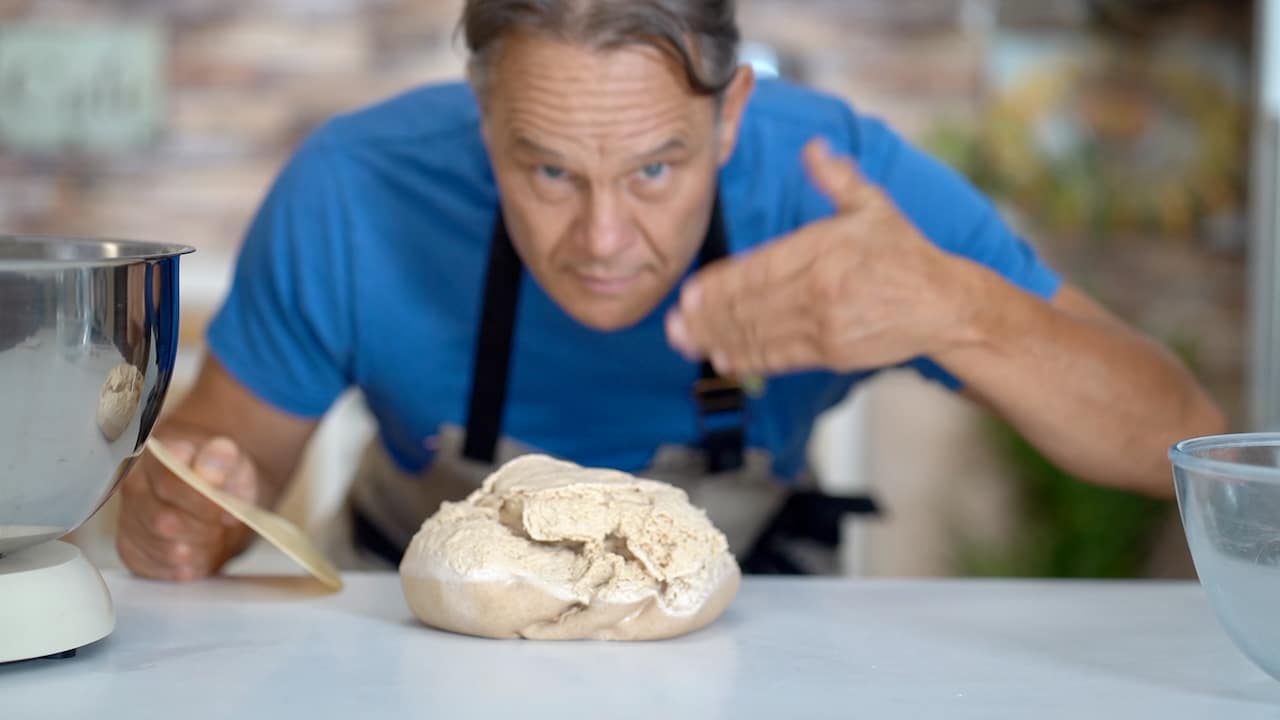
- Leave the refreshed levain out for an hour or so before using. Transfer leaven onto the work surface. Cut what's needed for the recipe and keep refrigerated what'a left to be refreshed later.
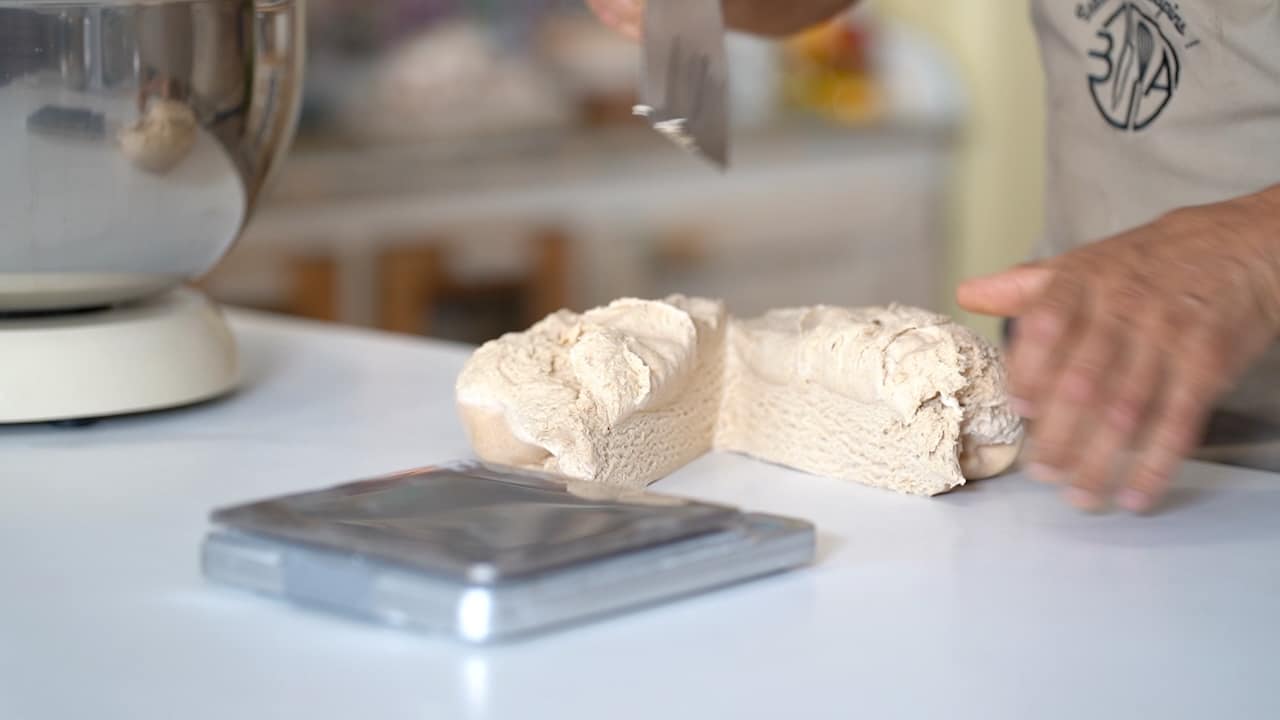


Slow Mixing Procedure
- *The amount of fresh yeast shall be doubled during the cold season). The amount of leaven can also be increased by 10 to 20%. In the mixing bowl, combine the leaven cut into pieces, water, fresh yeast and salt. Add the flour and begin kneading on low speed for 2 minutes. Stop the mixer, scrape down the sides of the bowl, and clean the dough hook or fork. Continue mixing on low speed for another 13 minutes, repeating the scraping and cleaning step occasionally throughout if needed. After a total of 15 minutes of mixing, stop the mixer. The temperature of the dough should be around 75ºF (24-26ºC).
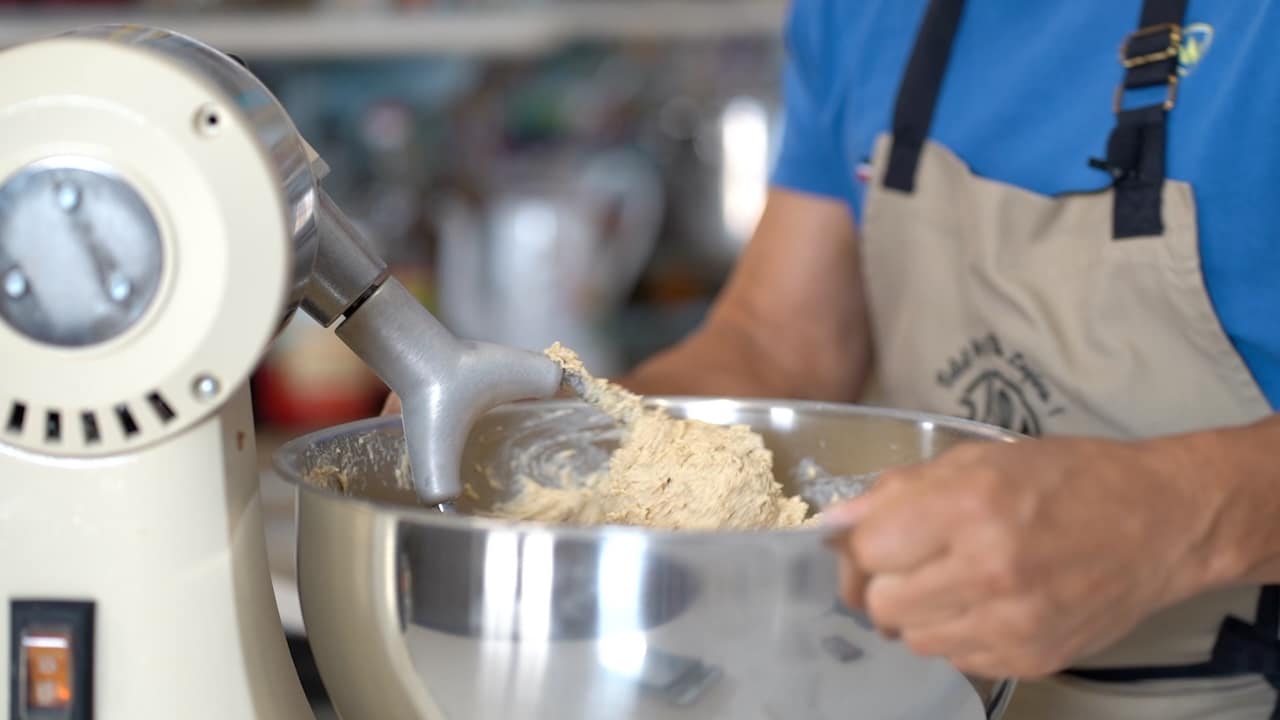

Bulk Fermentation
- Cover the dough with a damp towel. Let it rest for 2 hours to allow the fermentation to start.
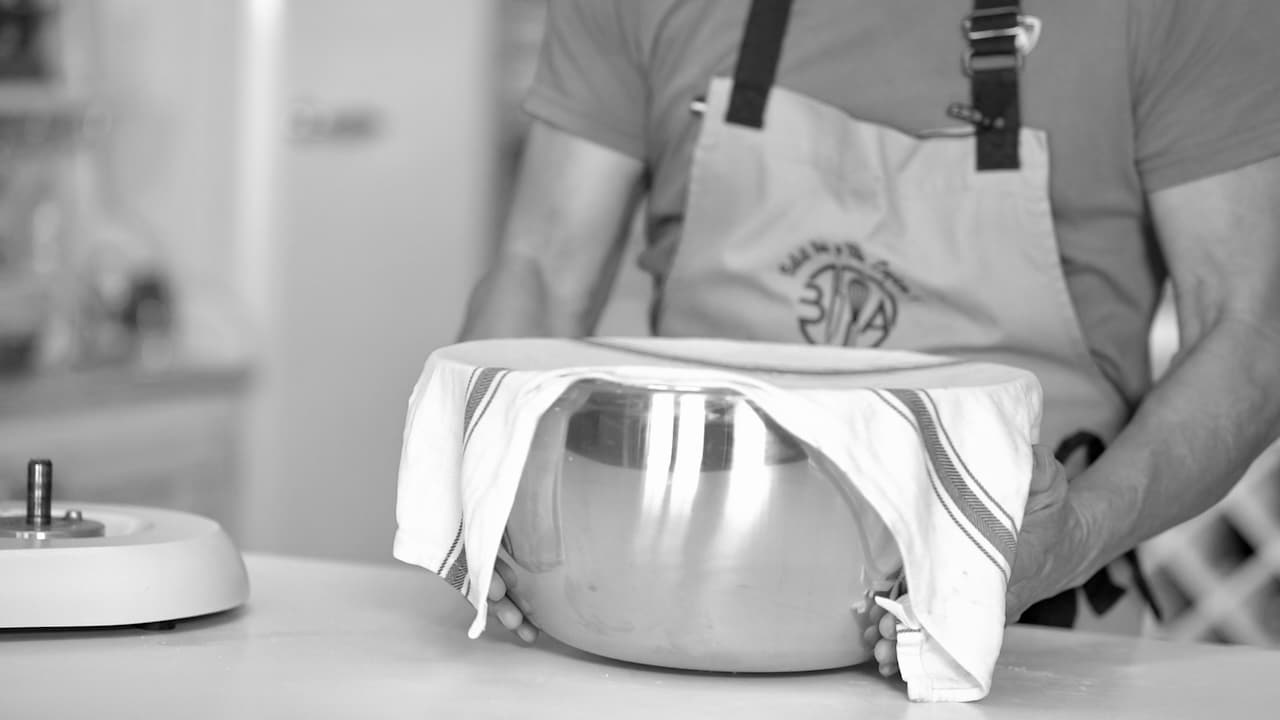
- Flour bread baskets but not excessively.
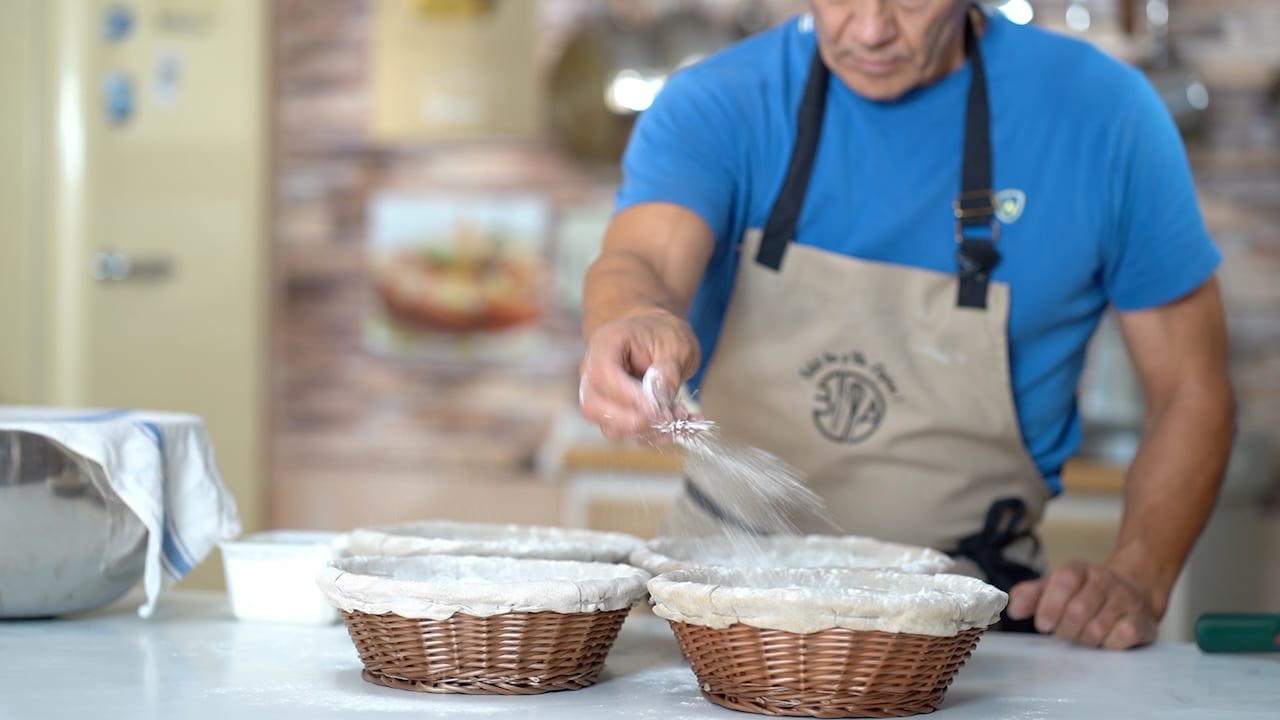


Dividing
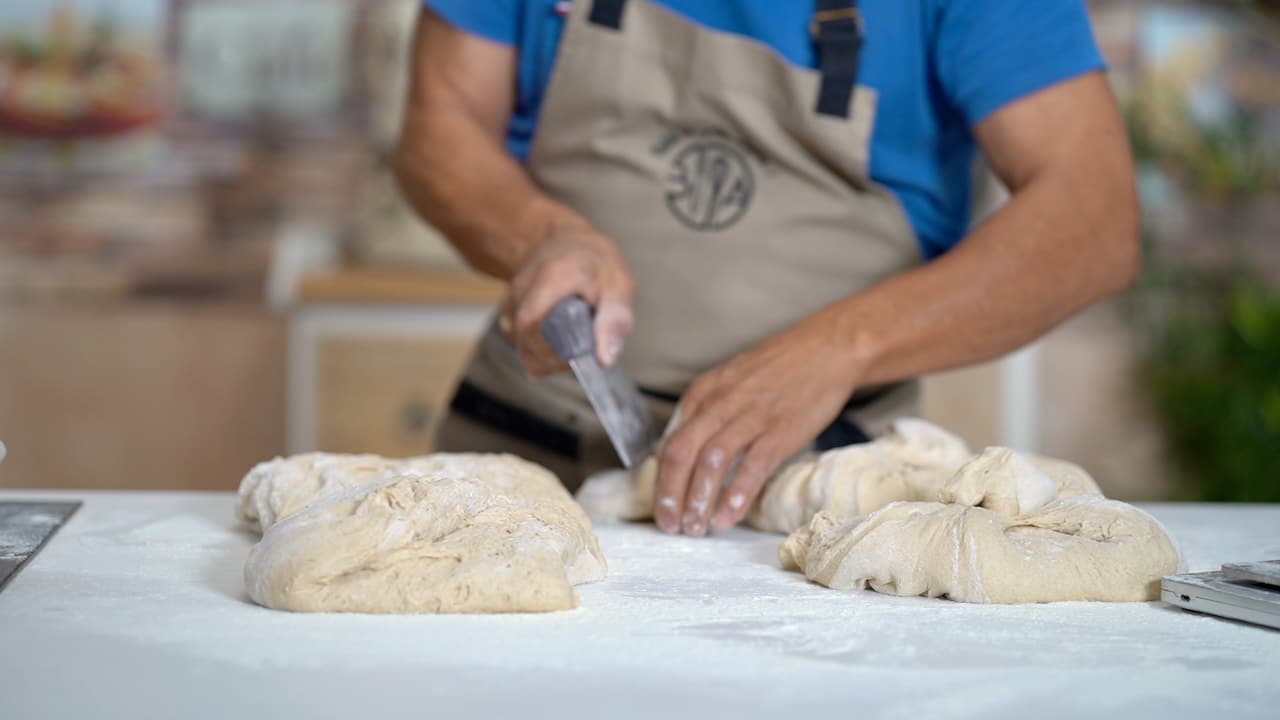
- Flour the surface of the dough generously. Now, and in order to release the dough effortlessly, slide the metal dough scraper down and all around the edges. Flip the mixing bowl over the countertop.

- With the metal scraper, divide dough into 4 equal portions. Each portion should weight 2.75lb (1.250kg). Flour dough as needed.


Shaping
- As oppose to most breads and because of lack of gluten therefore strength, this type of bread need to be shaped pretty tightly but not excessively to avoid tiering.
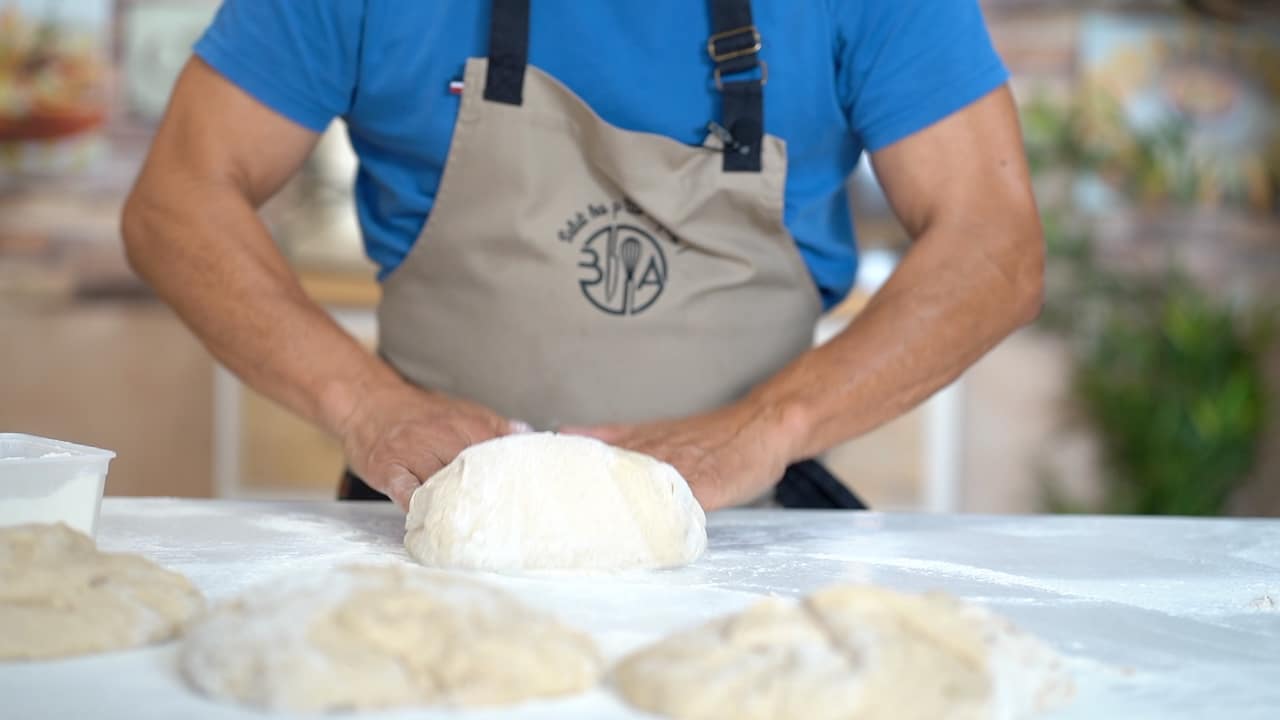
- Fold dough edges a few times toward the center rotating it during the shaping process (flour your hands). At this point, a pretty tight rounded shape is taking form.
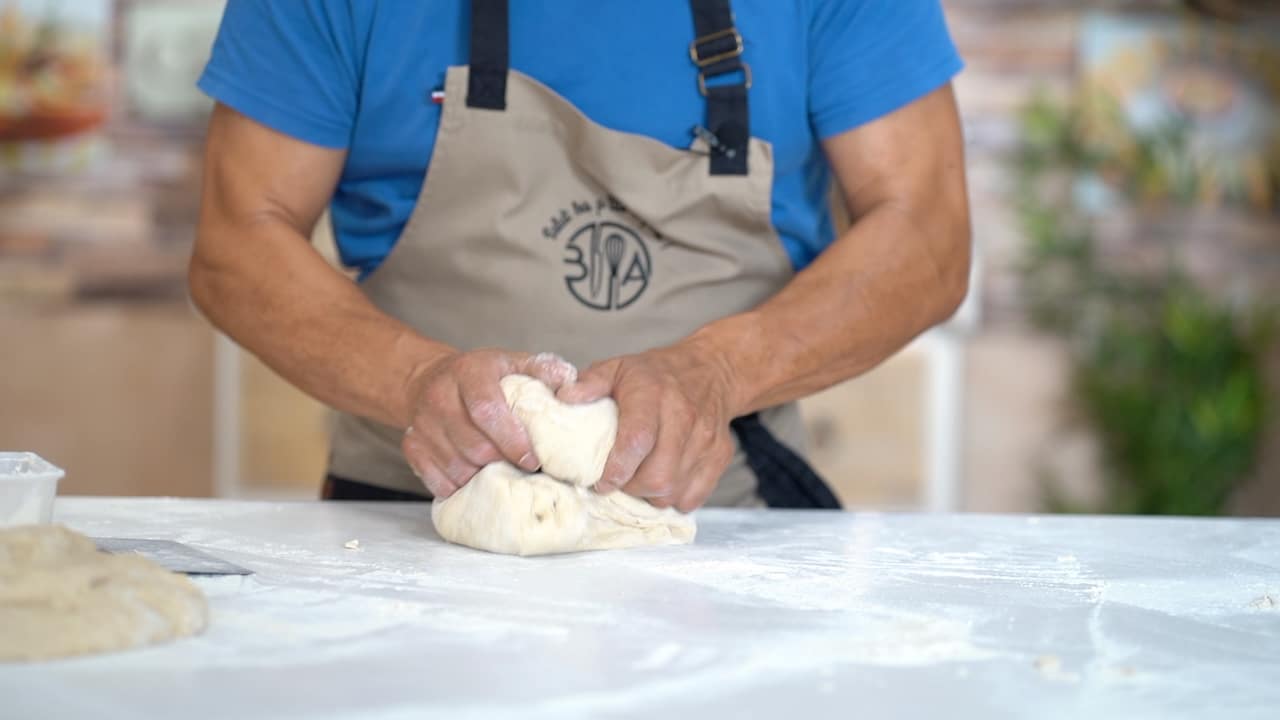
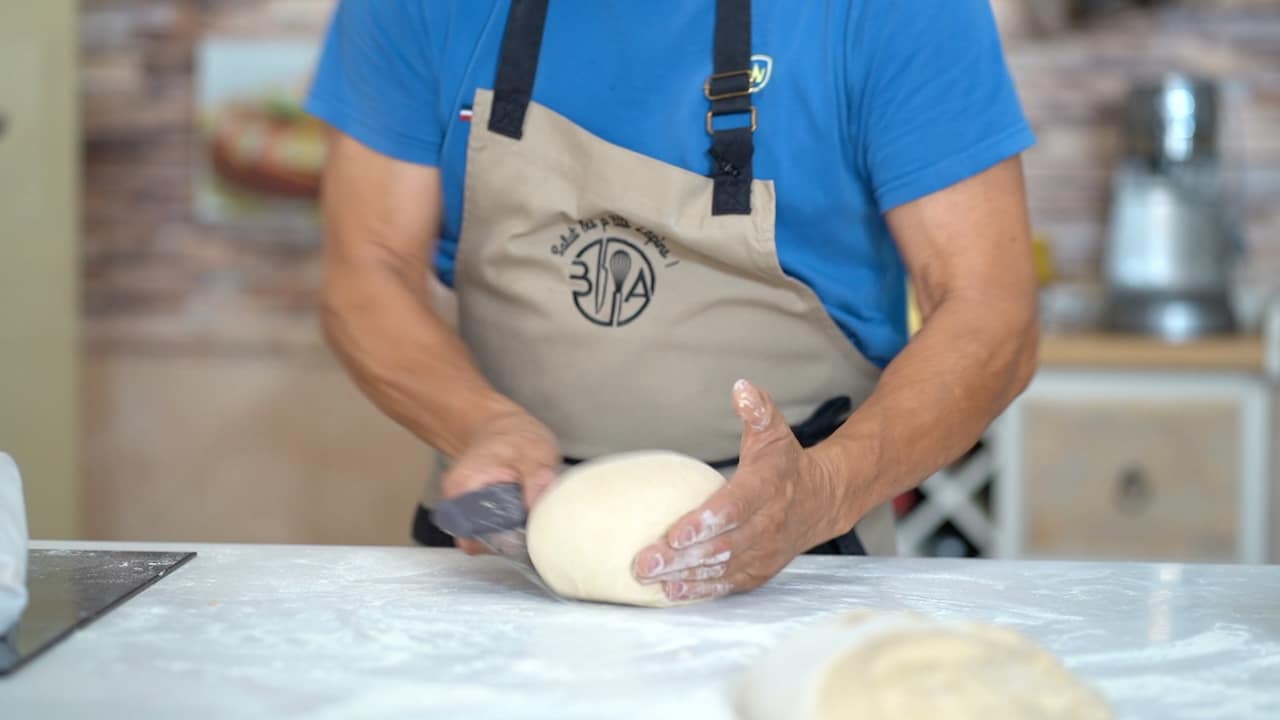
- Flip it over so then the skin is now facing up. With both palm of your hands, finish by shaping into a tight ball sealing the seam underneath (boule) keeping minimal amount of flour on the work surface. Place each ball into a floured bread basket (skin facing down / seam up).


Proofing
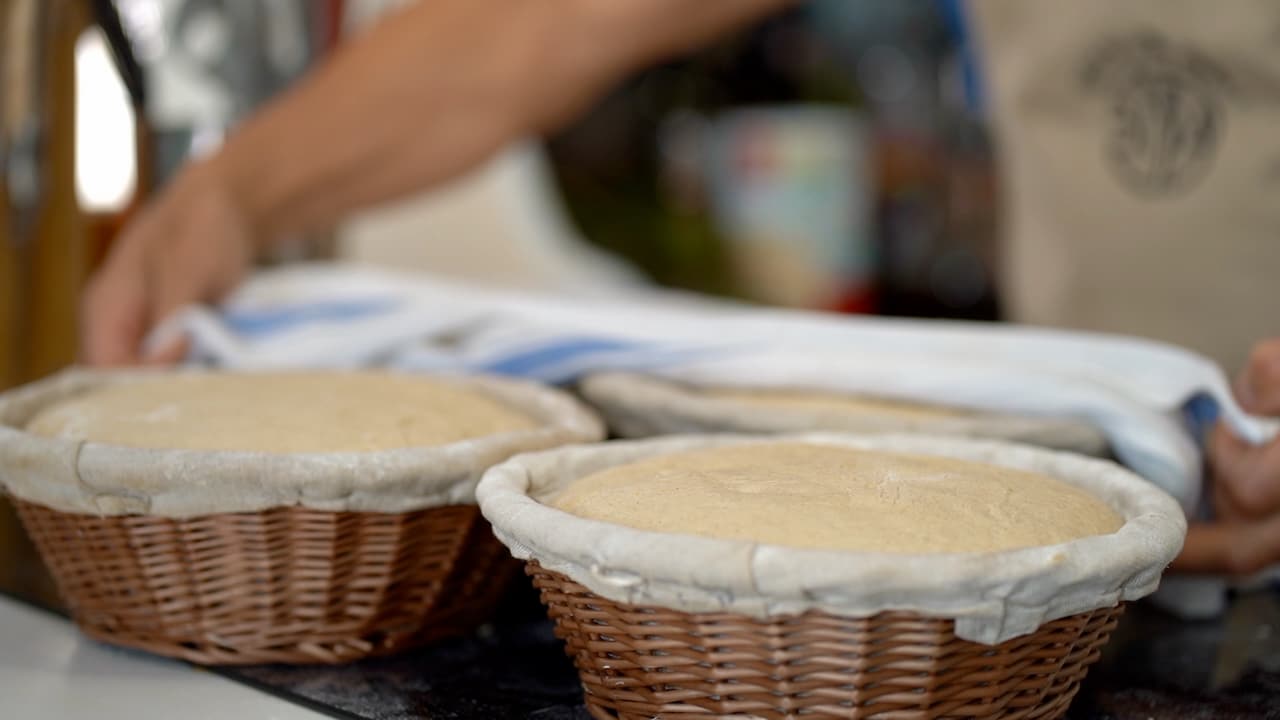
- Cover each bread basket with a damp, fragrance-free kitchen towel and let the bread proof. Depending on the room temperature, it may take 1½ hours at 28–30°C, or 3-4 hours at 22-24°C. Alternatively, for a different schedule, place the covered bread baskets in the refrigerator for a slow proofing of 10-12 hours max at 4–5°C. Do not cover the bread if using a professional, humidity-controlled proofing chamber. Leave the chilled bread out for an hours or so before baking.

Pro Tip
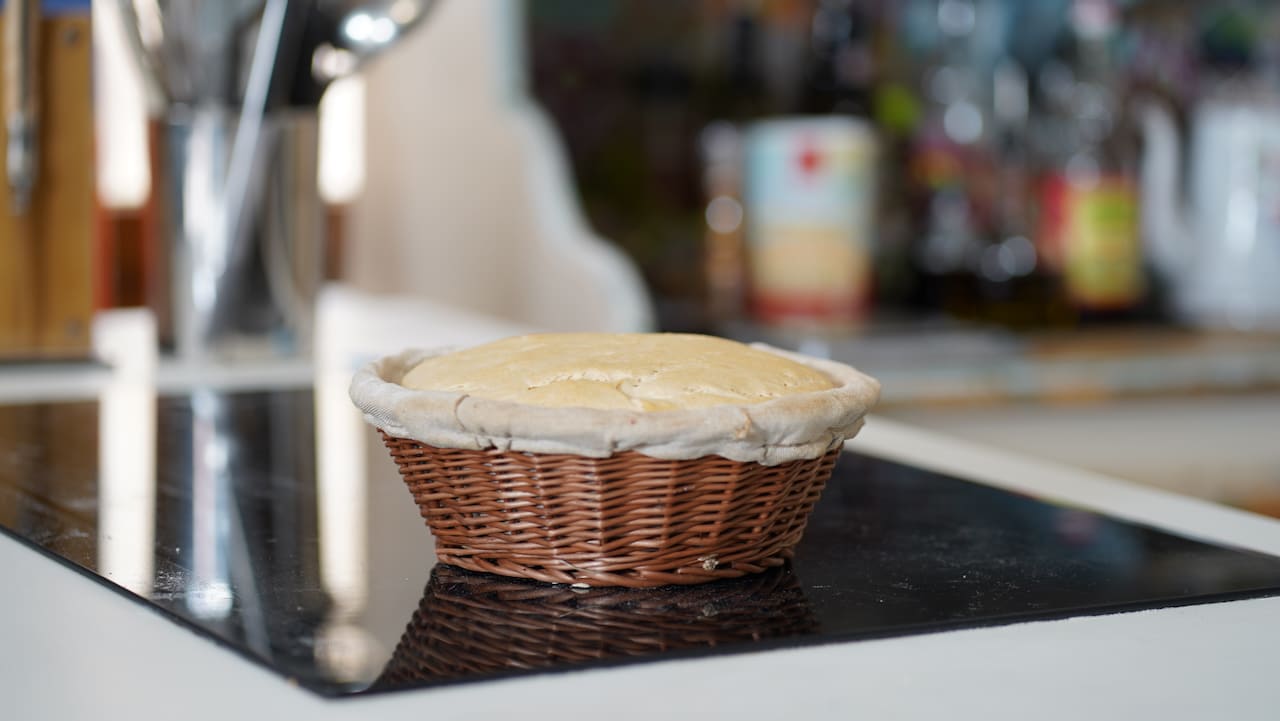
- The best indication that proofing is complete is when the surface of the dough begins to crack—your ancient spelt bread is then ready to be popped in the oven.

Preheating Oven
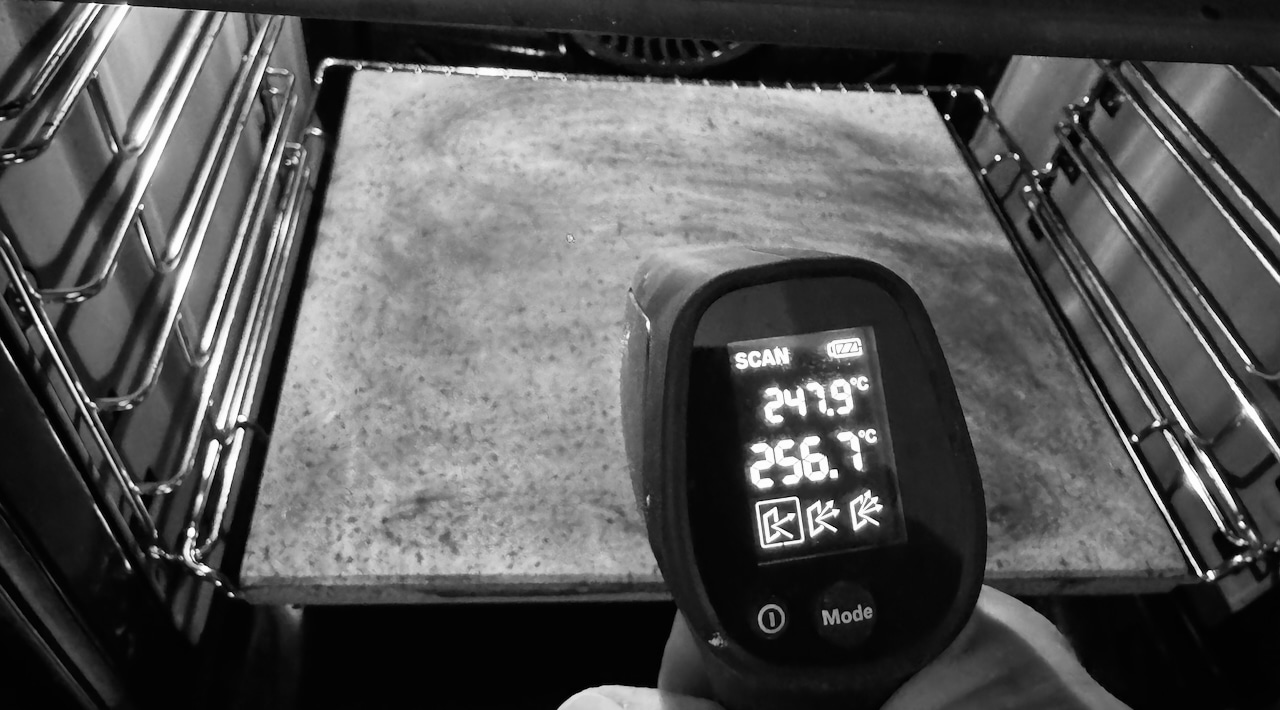
- About 40 minutes before baking, preheat your conventional oven to 250°C (480°F) with a pizza stone placed on a rack in the lower third. The stone must be heated to 260–270°C before flipping the bread. Reheat the oven after each batch.

Baking
- Flip the proofing basket onto the hot pizza stone to release the bread.
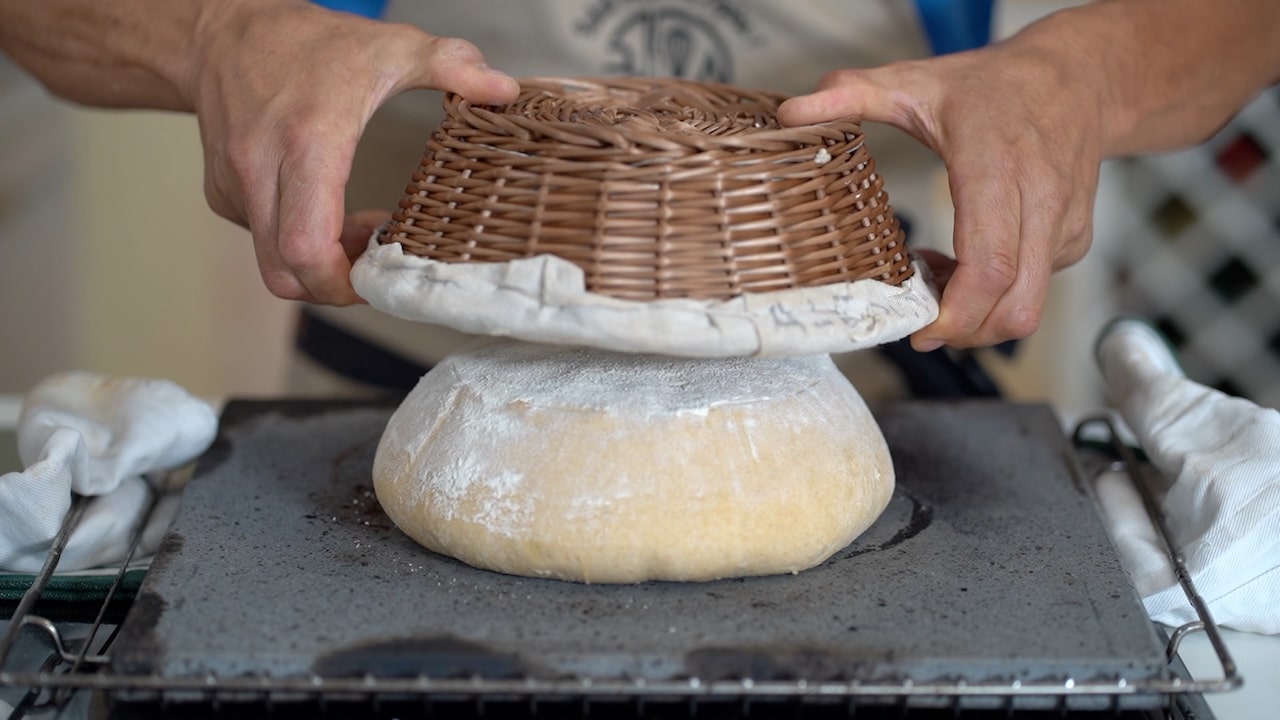
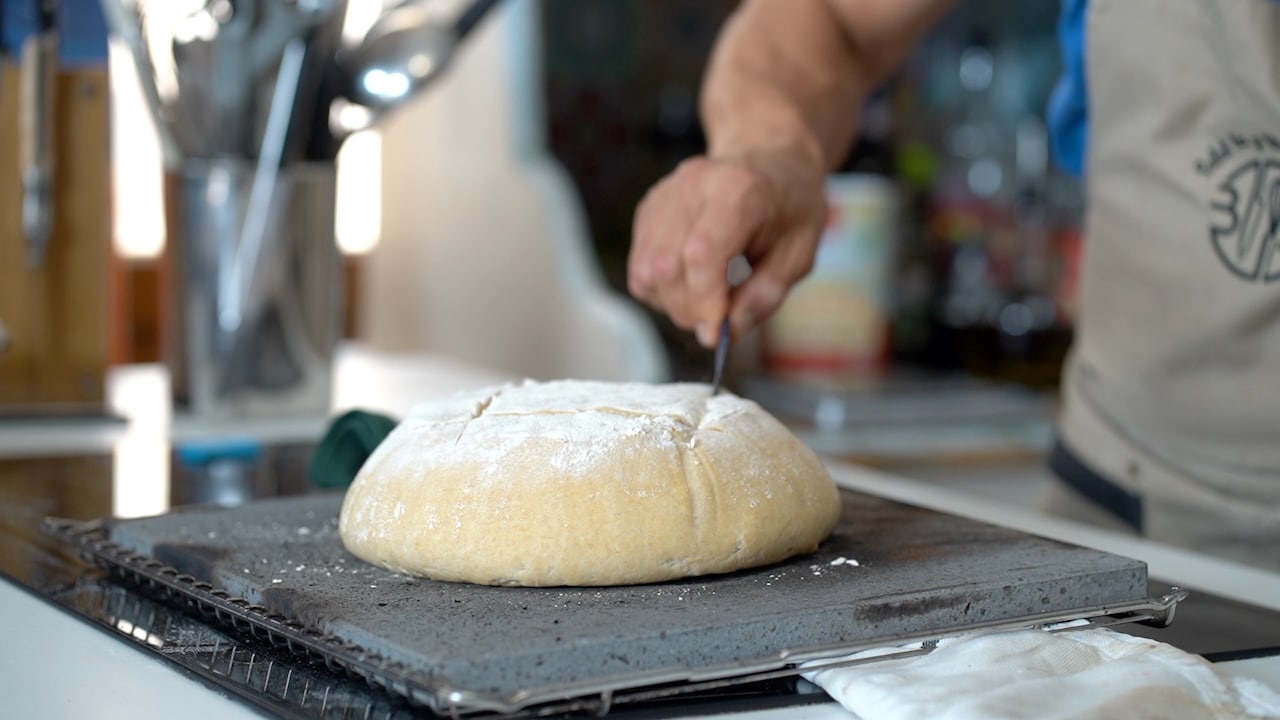
- Score the skin of the bread (not too deep). To create steam, immediately spray water into the oven. Bake for 10 minutes at 250ºC, and then reduce the temperature to 205°C (400°F), and continue to bake the loaf for 20 minutes. Turn off the oven, prop the door slightly ajar (be aware of the hot steam that comes out of the oven). Let the bread rest inside for an additional 5 minutes.


Resting
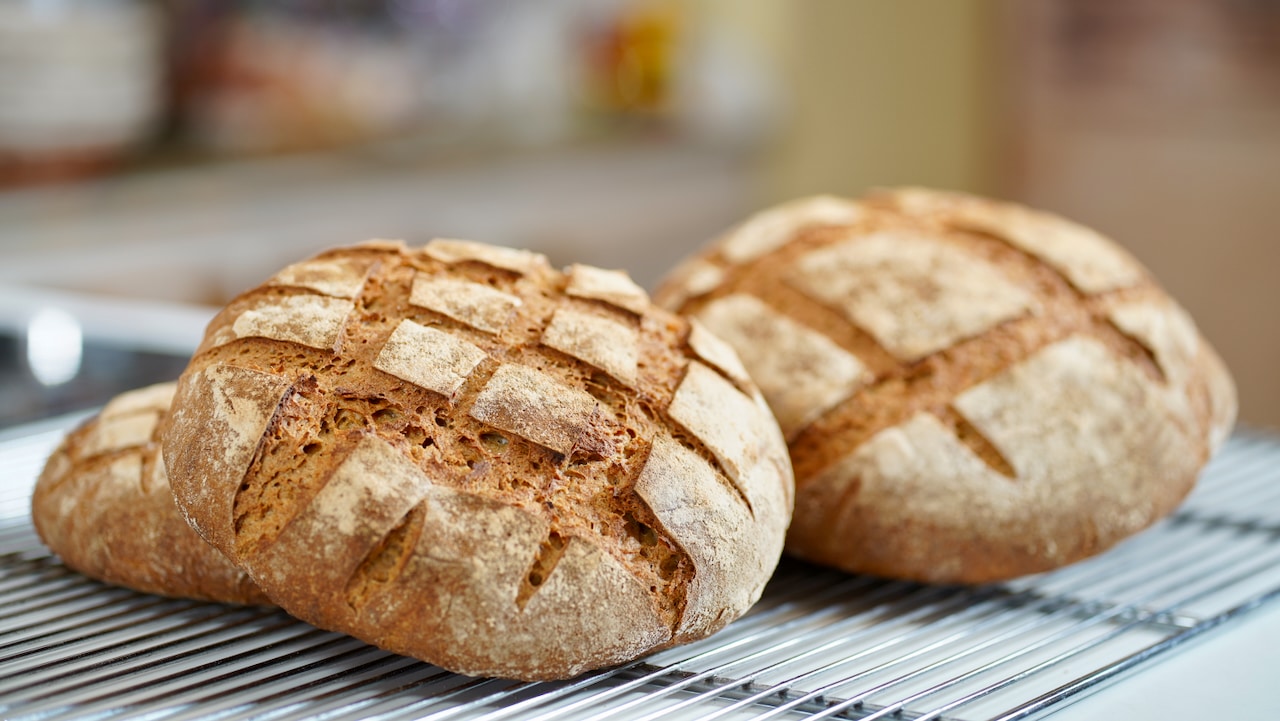
- Finally, remove the loaf and let it cool completely on a wire rack for at least 4 hours before slicing. For the best flavor and texture, it is ideal to enjoy the rye bread the next day. Once cooled, the loaf will lose about 20% of its original weight.
Storage
- Properly stored, ancient spelt bread will keep for up to a week (halved or quartered) when wrapped in a linen bag, parchment paper, or best plastic wrap. For longer storage, it can be sliced, portioned, and frozen for up to 6 weeks. Enjoy!

This content is part of the PREMIUM SECTION

This recipe requires a All-content access subscription. The Premium section includes more than 50 essential recipes from French pastry and a special section for mastering artisanal bread.
The Premium section is only accessible with "A year at the table" subscription. Discover it with special first year discount.