
Please note that the full access to this content needs a "Year at the table" subscription: please sign up.
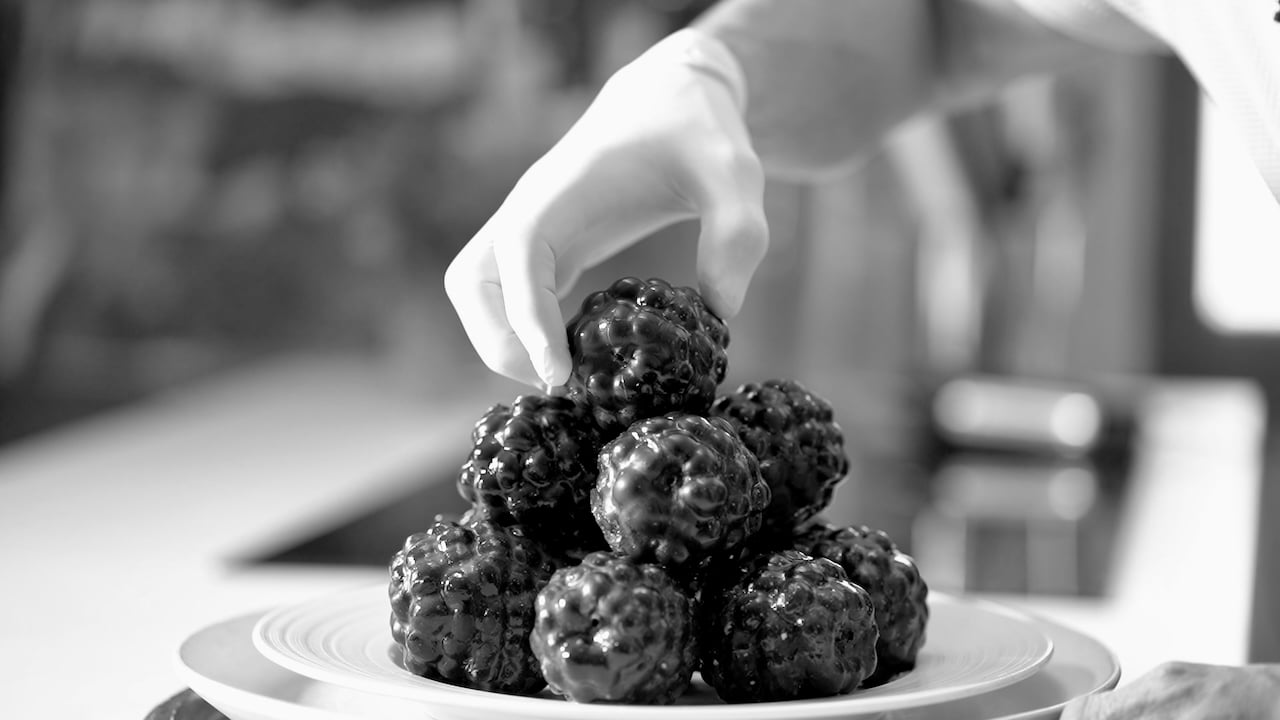
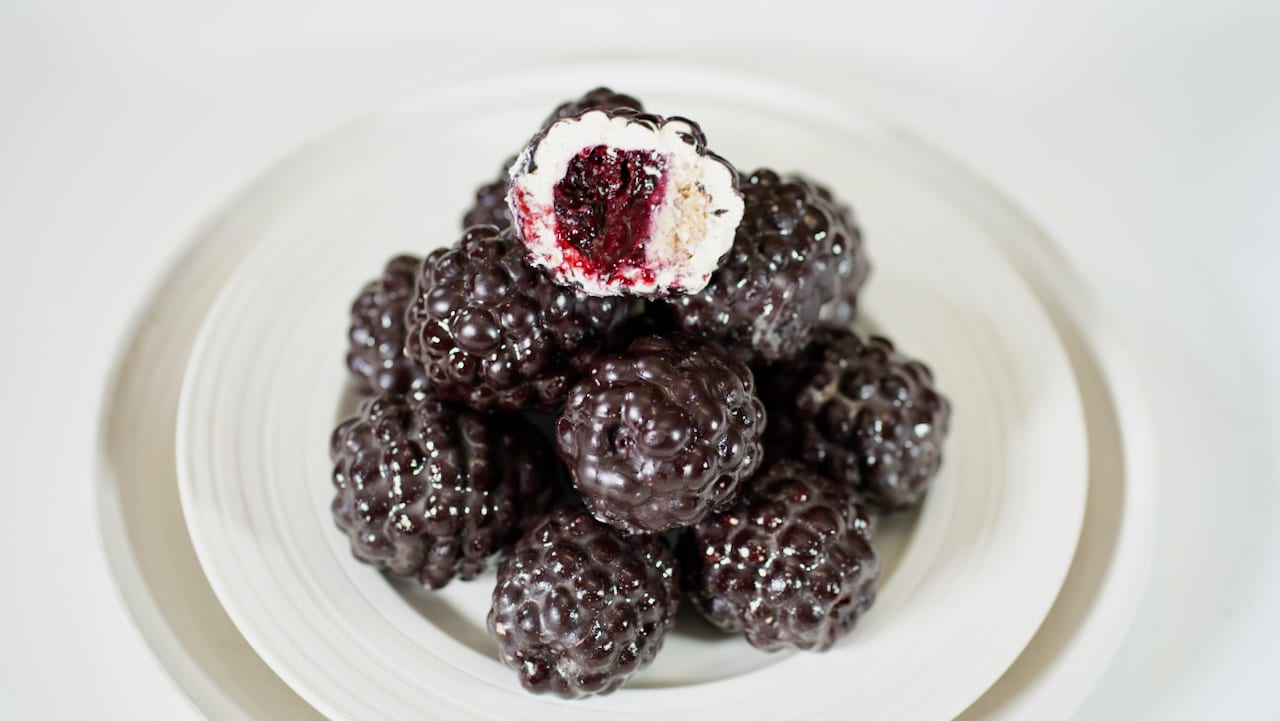
A fine dining recipe that fools the eye...
This recipe is a protected and only available for paid members. To obtain the full step by step recipe and detailed ingredients list, please sign up.
Preview the recipe
- Let these beauty thaw for 6 hours in the refrigerator before digging into it.
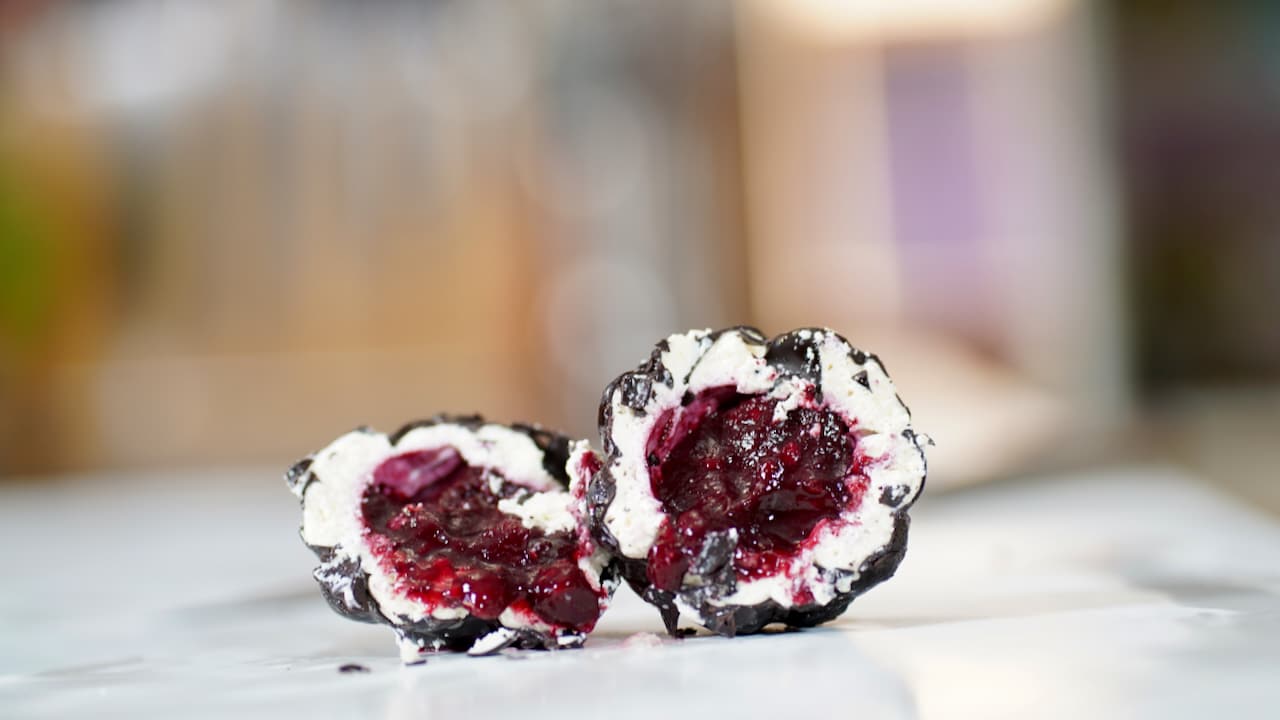

Pro Tip
- Before you begin this ambitious project, ensure your freezer is up to the task. This means it must be clean, organized, and have plenty of empty space. A vertical freezer is recommended, but a blast freezer is essential for the best results. I cannot stress this enough: pastry is an exact science, and this delicate project demands self-discipline from start to finish. Set it to minus 21 degrees celsius or lower. The recipe and process you are about to explore will prove that it is entirely possible to create sophisticated, high-end desserts at home using basic equipment and without the need for fancy molds.
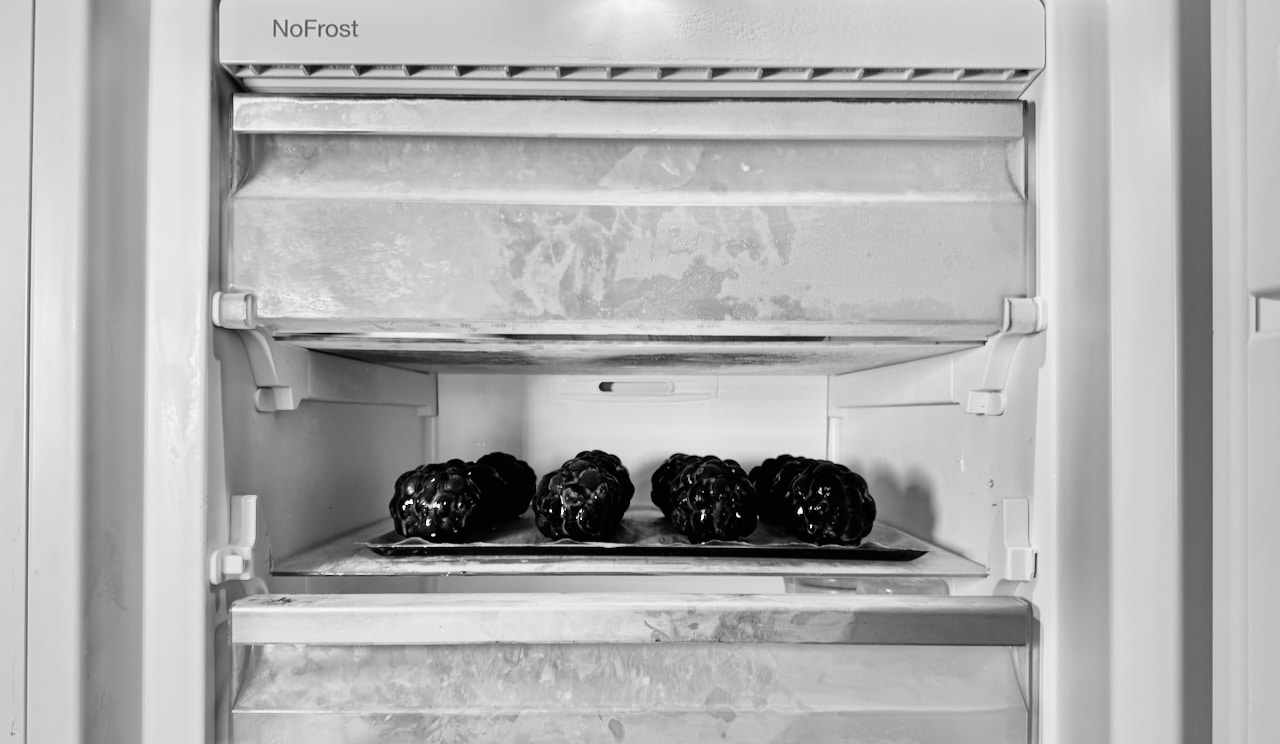

Wooden Sticks
- A block of Styrofoam or floral foam may also be used for this purpose. Since these individually crafted desserts are not molded, we need to be inventive and find a way to hold each one upright. Indeed, once the drupelets are carefully piped, the cake must stand firmly on the bamboo skewer like a lollipop and be placed in the freezer immediately. From your local Home Depot, have three wooden sticks cut to 45x5x2 cm tall. Drill six holes into them, but not all the way through—the holes should match the diameter of the bamboo skewer.
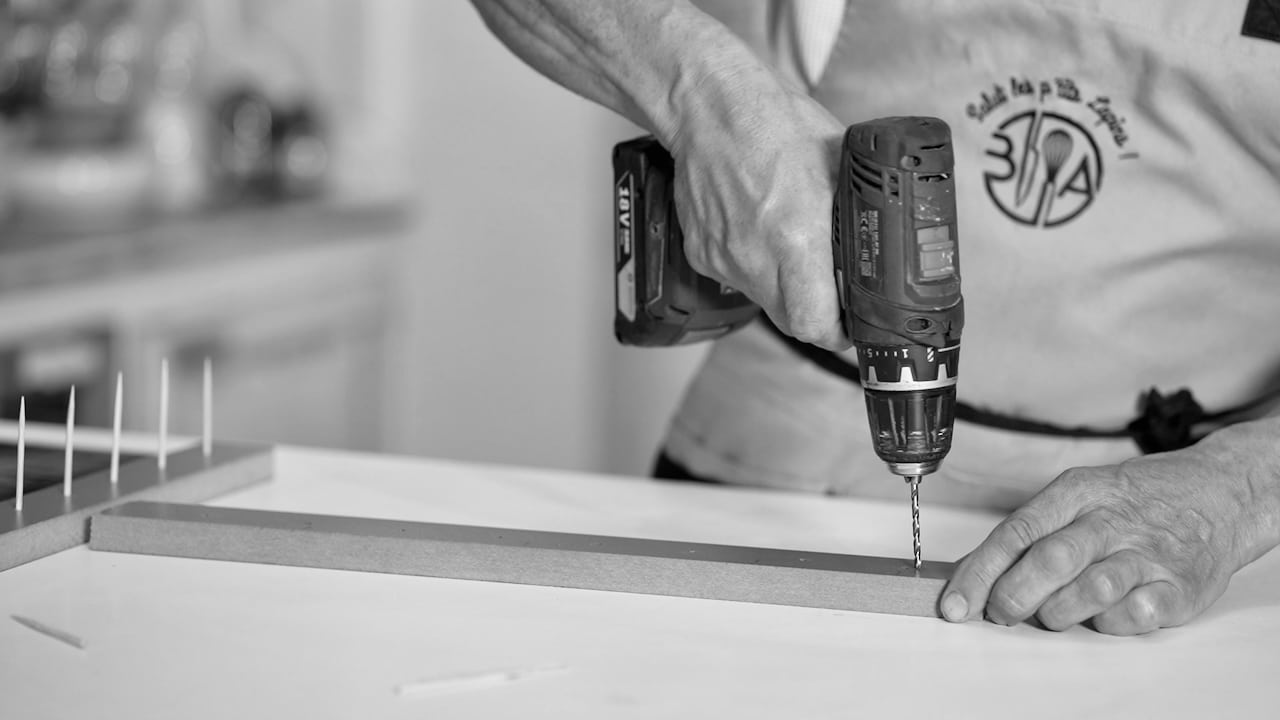
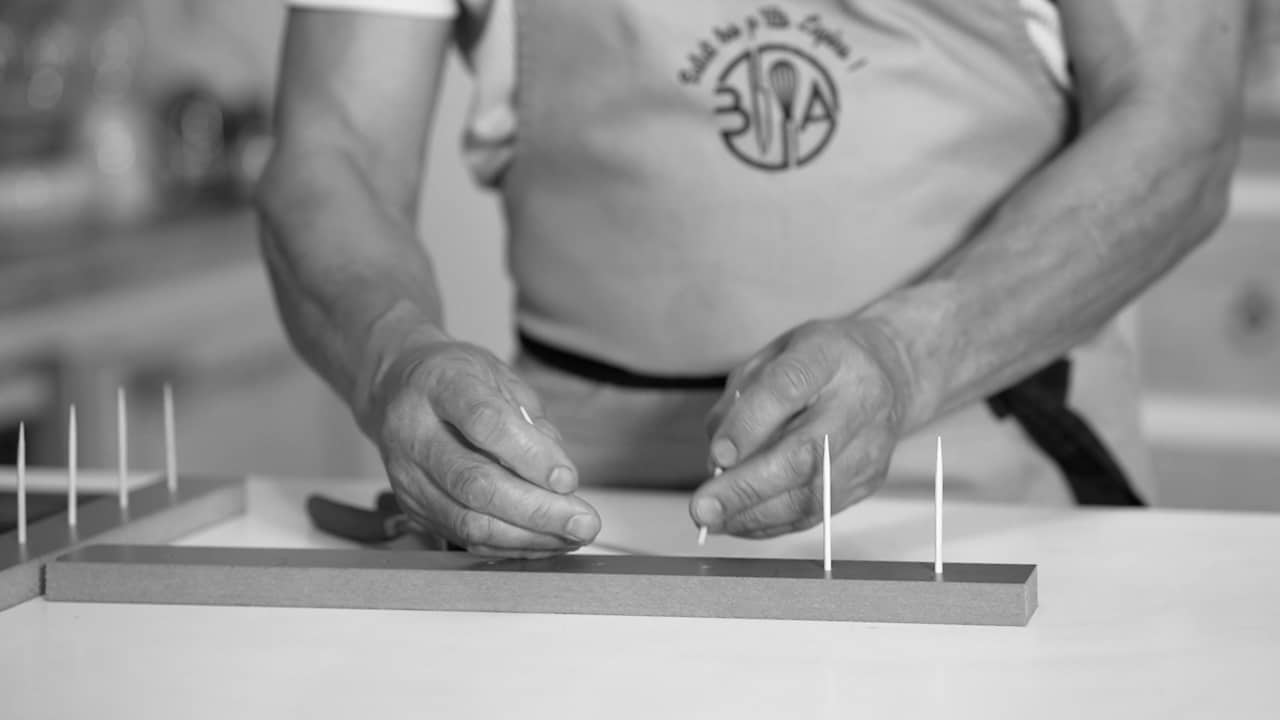
- With a pair of pliers, trim 15 bamboo skewers to a length of 3.15-inches (8 cm). Insert one skewer into each hole, and place in the freezer to make sure it fits in. Leave your prepared wooden sticks in the freezer – it does not hurt.


Neutral Glaze
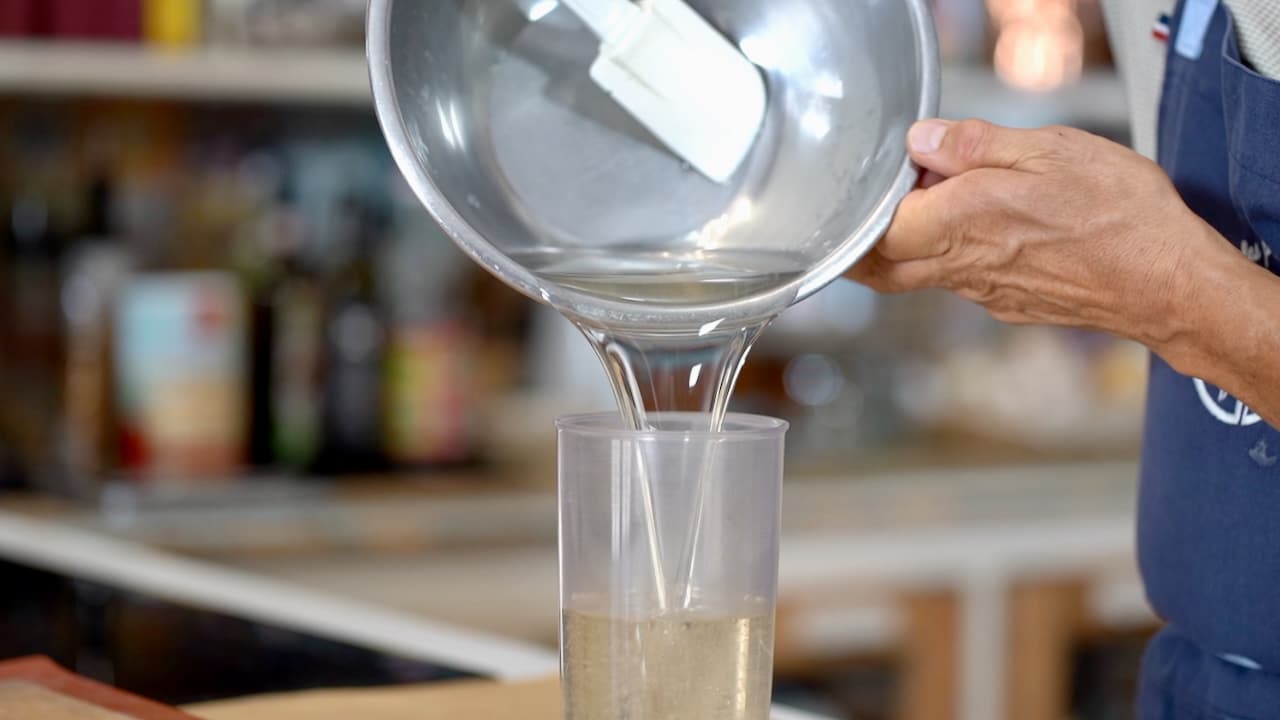
- In order for a neutral glaze to stick and give the sheen we want over a chocolate shell, it must contain both pectin and gelatin. Soak the gelatin sheets in ice water to soften, then drain and squeeze out the excess water. In a bowl, combine the sugars and pectin; set aside. In a saucepan, heat the water, glucose, and sugar. Cook for 3 minutes on medium high. Remove from the heat, add the citric acid or lemon juice, and then the bloomed gelatin. Let cool to room temp for about 2 hours. If the neutral glaze happens to get somehow cloudy, slowly pass it through a fine mesh sieve to clarify it. Chill overnight before using.

Blackberry Confit
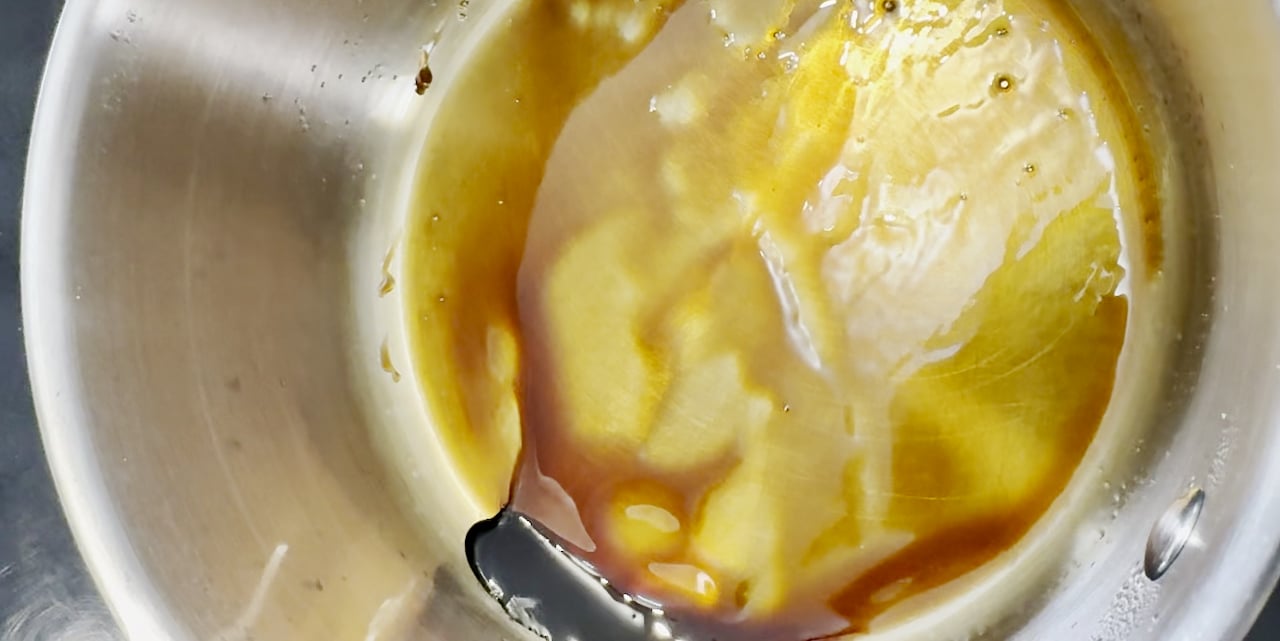
- Combine the sugar (100g) with the agar-agar. In a medium-sized saucepan, cook and reduce the balsamic vinegar and sugar (10g) to sirupy consistency. Pour in the blackberry purée along with the sugar-agar mixture over medium-low heat. Once it boils, cook for 2 minutes, then remove from the heat.
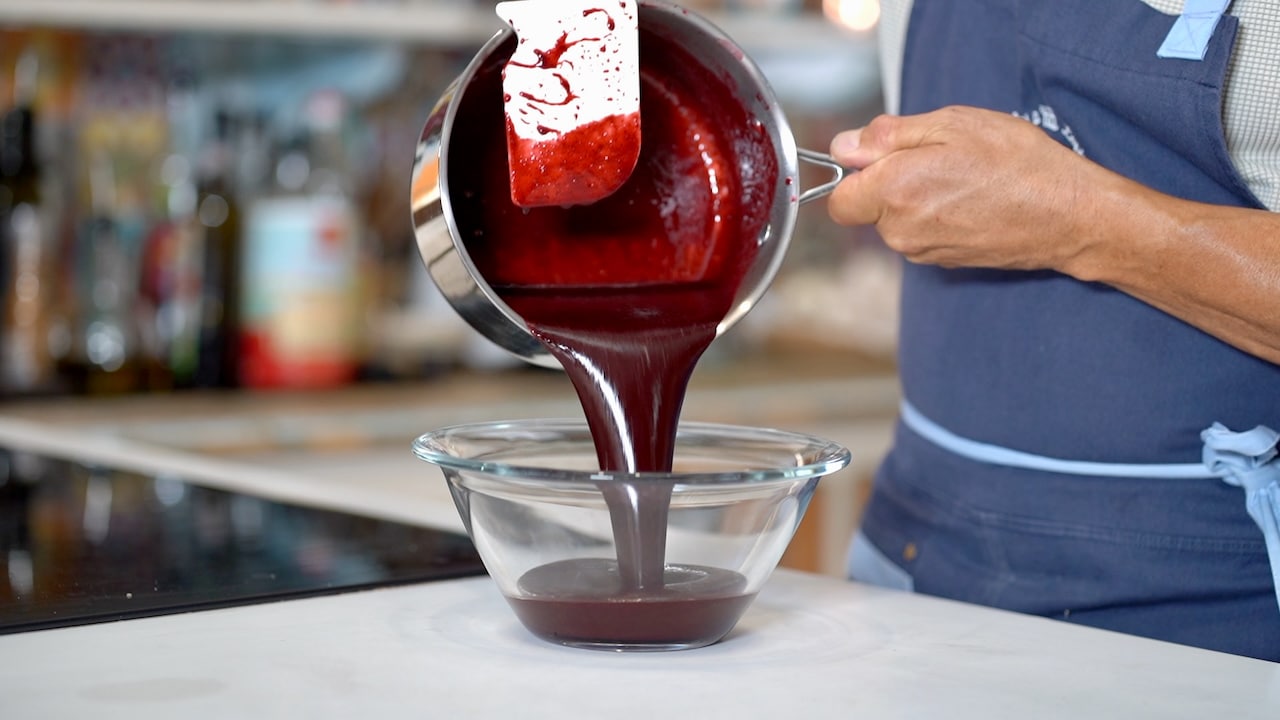
- Transfer the fruit mixture to a bowl, let it cool, and refrigerate for at least 4 hours, or until it has completely set.
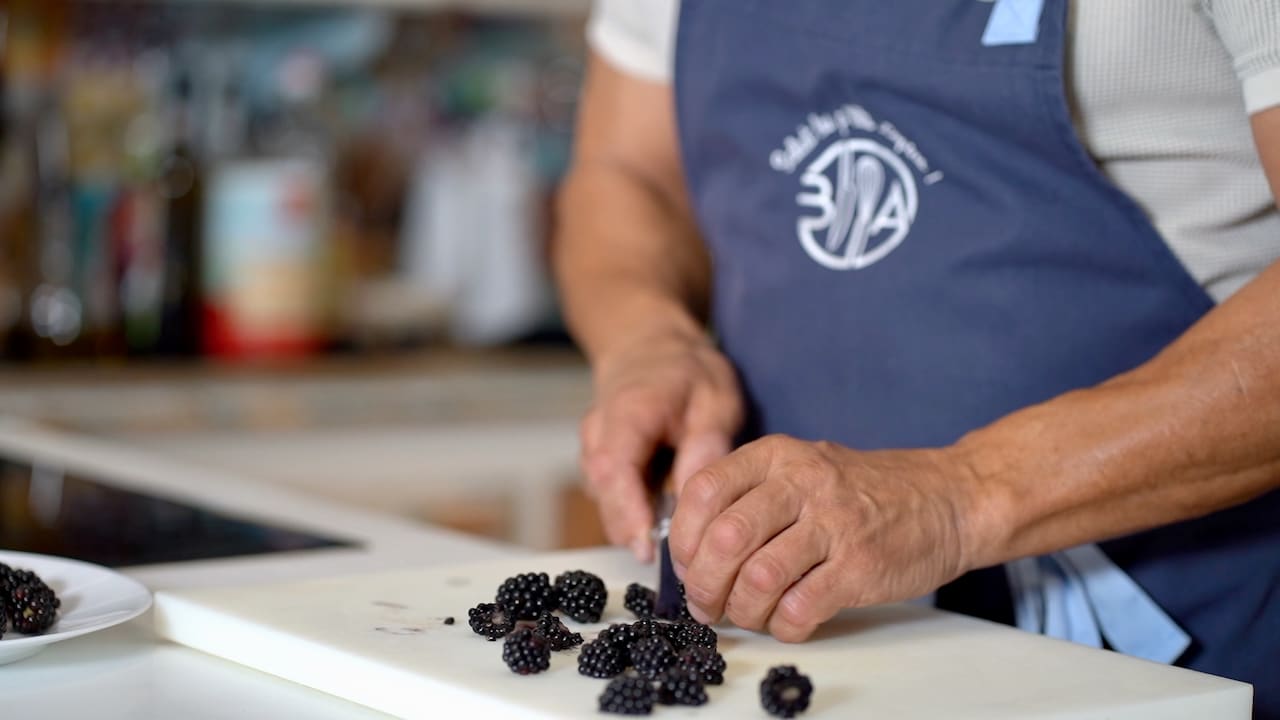
- Needless to say, unless you picked wild blackberries, you're lucky—they are by far the best and don't need to be halved.

- Otherwise, cut them in two or three, depending on their size. Since we are making individual cakes, large chunks of fruit should be avoided.
- Smooth the chilled blackberry confit with an immersion blender.
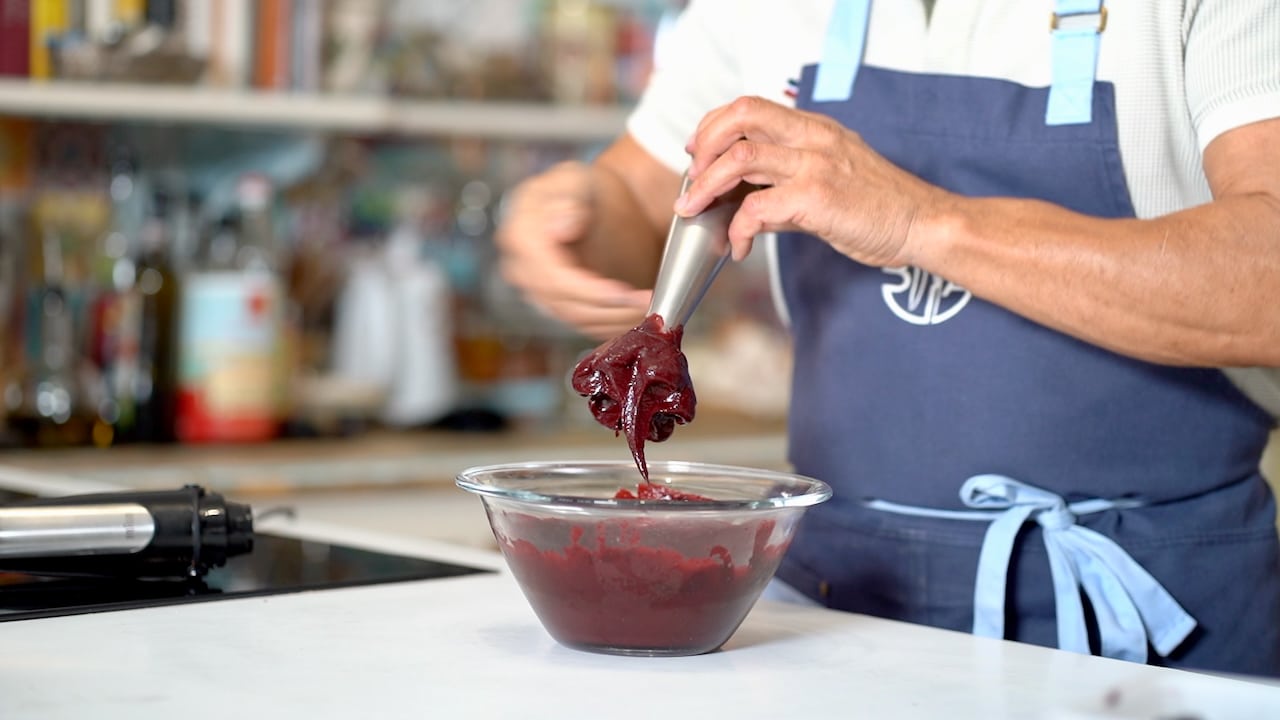
- Then fold in the halved blackberries.
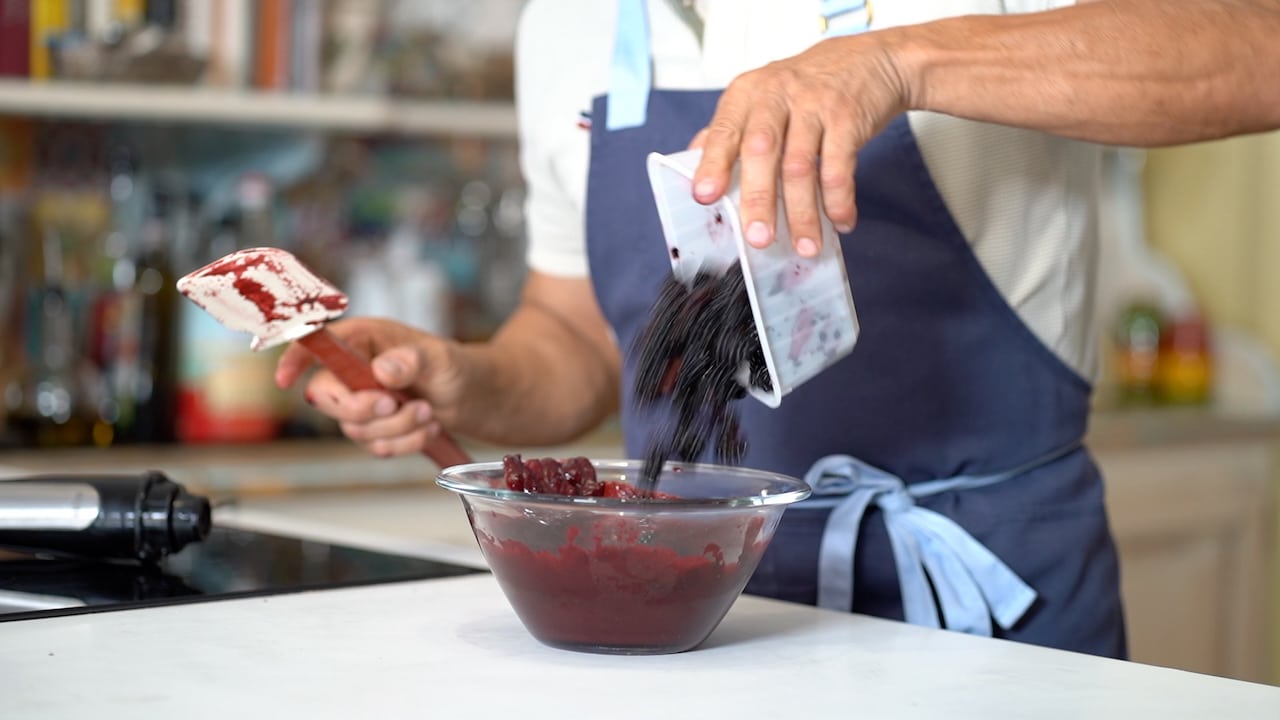


Blackberry Inserts
- Fill fifteen silicone half-sphere molds (about 15 grams per cavity). Level flat with an offset spatula, and freeze overnight.
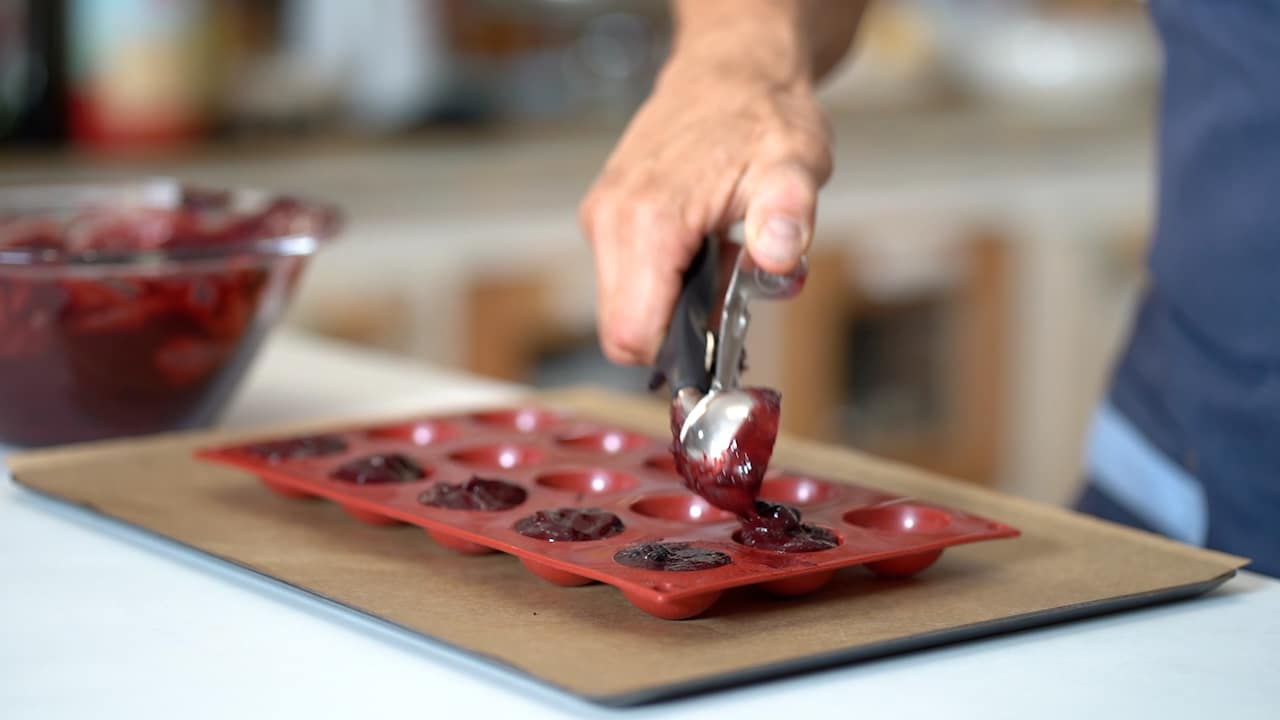
- Moisten the outer edge of the tart ring, and seal the bottom tightly with a stretched piece of plastic wrap, like a drum. Spread the blackberry mixture evenly into a 0.40‑inch (1 cm) thick disk max, and freeze.
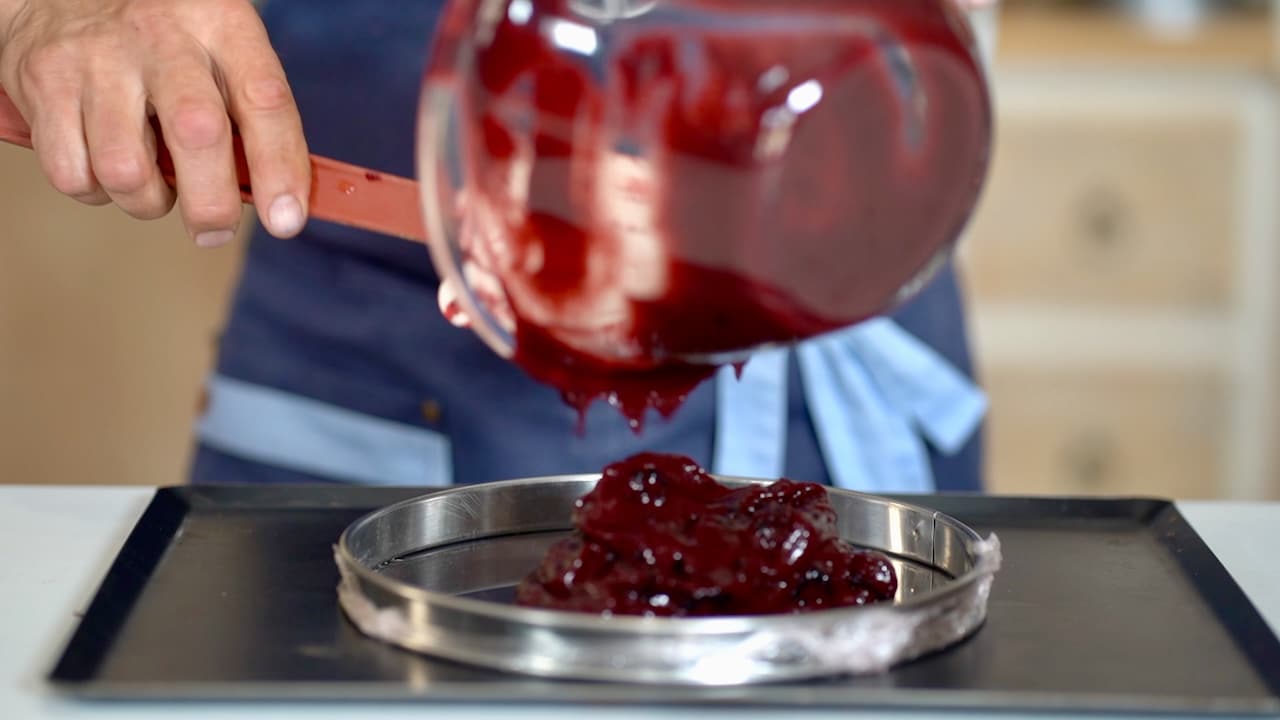
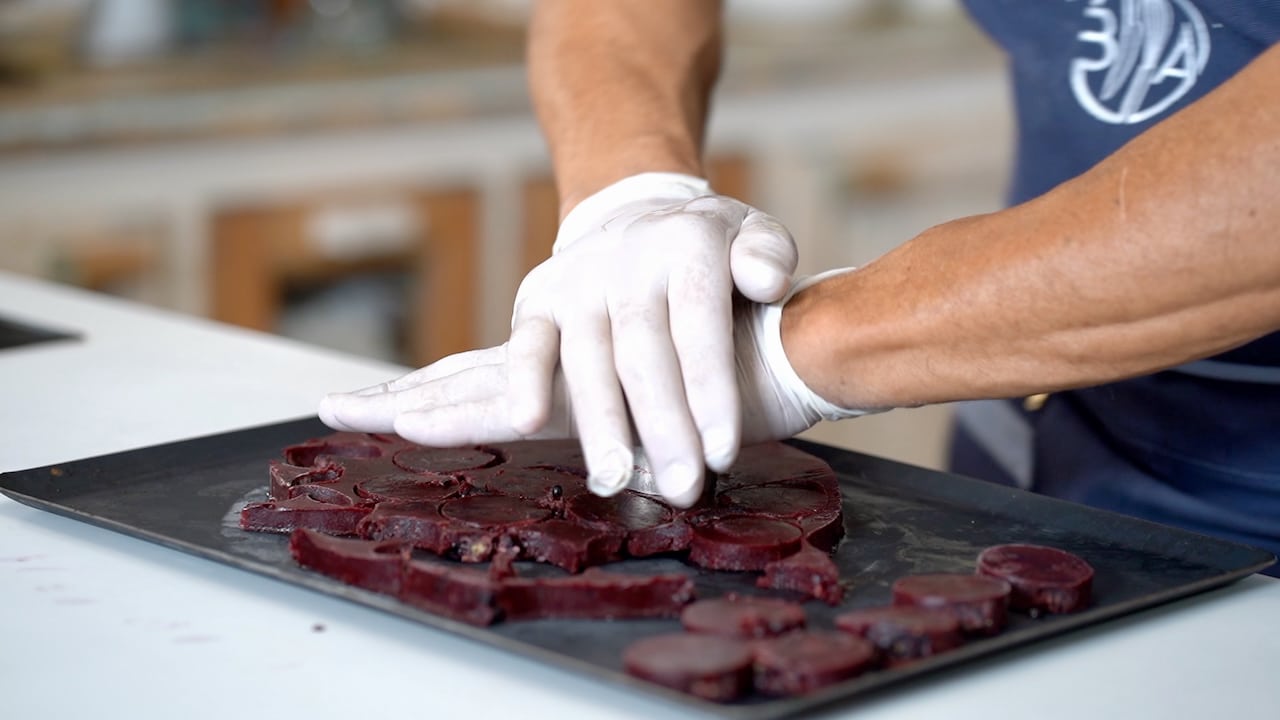
- Once frozen, unmold and cut the blackberry confit disk into 1.57‑inch (4 cm) palets. Keep them frozen. Save any leftovers in the refrigerator for the assembly.


English Breakfast Tea Crémeux
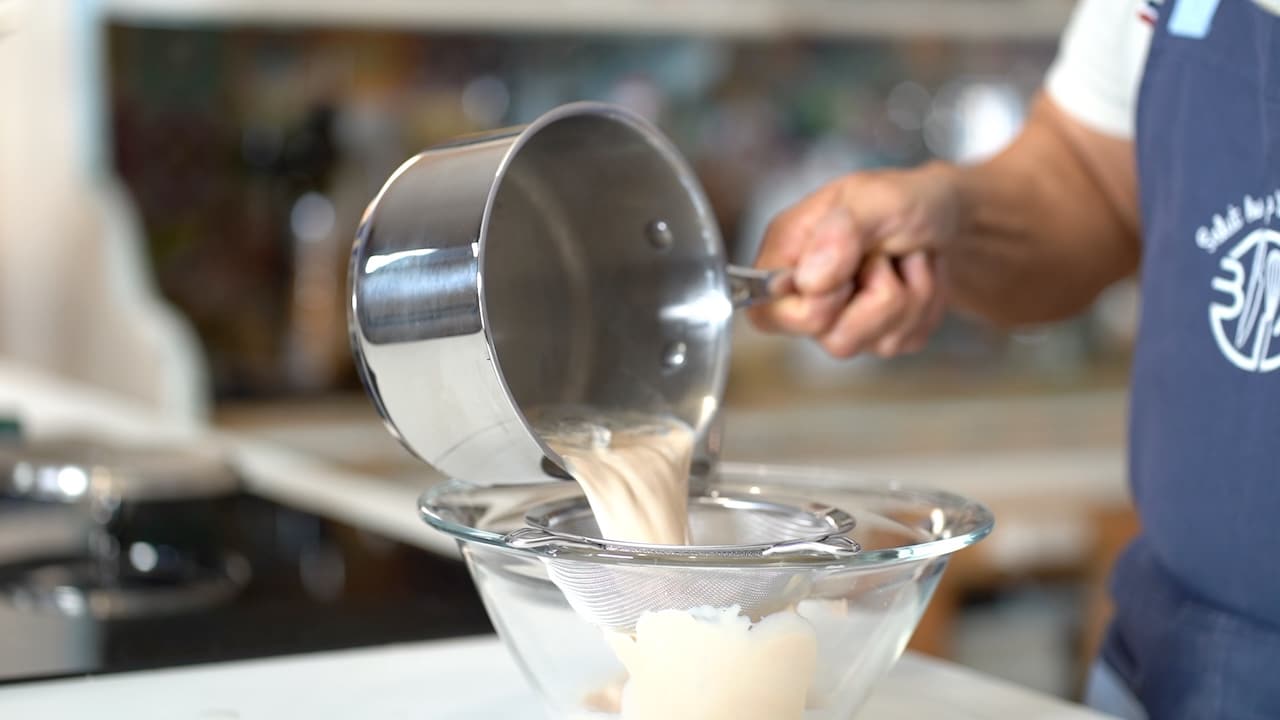
- Soak the gelatin sheets in ice water until softened, then drain and squeeze out the excess water. Heat the milk and tea to a simmer. Remove from the heat, cover, and let infuse for 10 minutes. Strain the mixture (discard tea) and return it to the stove.
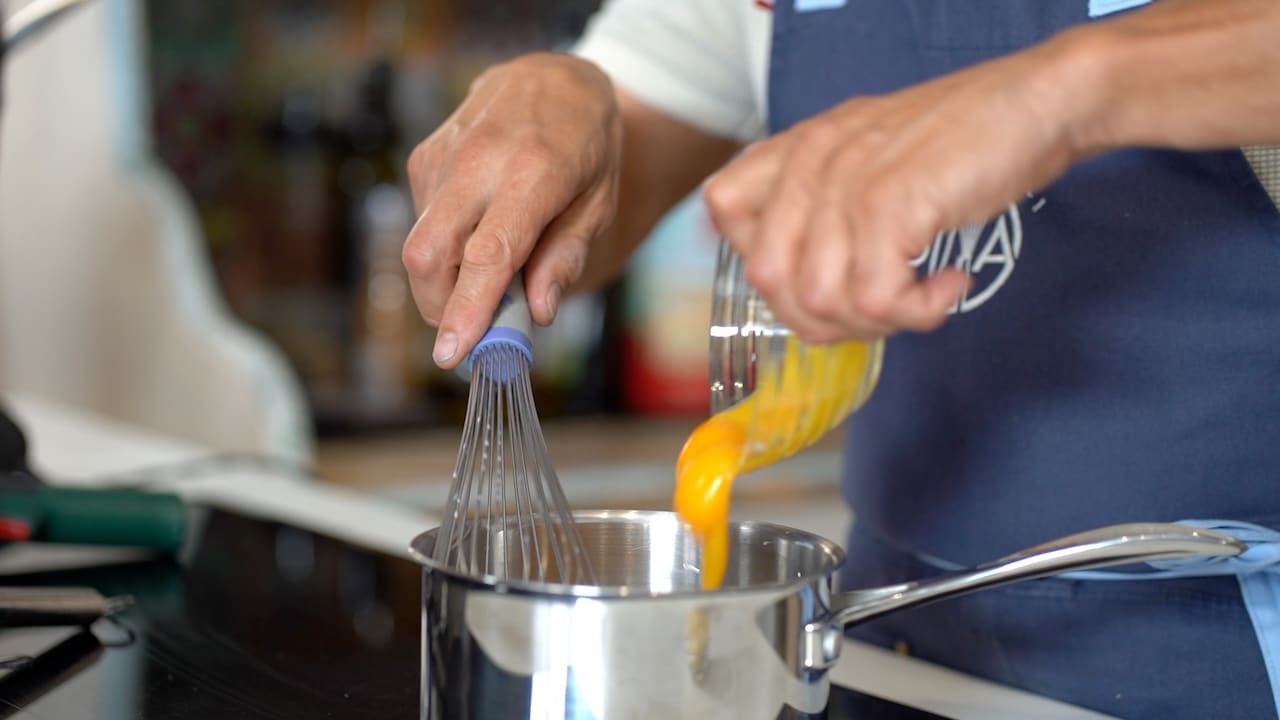
- Add the egg yolks and mix with an immersion blender. Set over medium heat and cook to 180ºF (82ºC) stirring constantly.
- Remove from the heat, blend in the chopped chocolate, and add the bloomed gelatin. Let cool to room temperature before pouring it into the half-sphere cavities.


Vanilla Ganache Montée
- Soak the gelatin sheets in ice water to soften, then drain and squeeze out the excess water. Meanwhile, melt white chocolate over a bain-marie on a gentle heat. Remove from the heat once just melted.
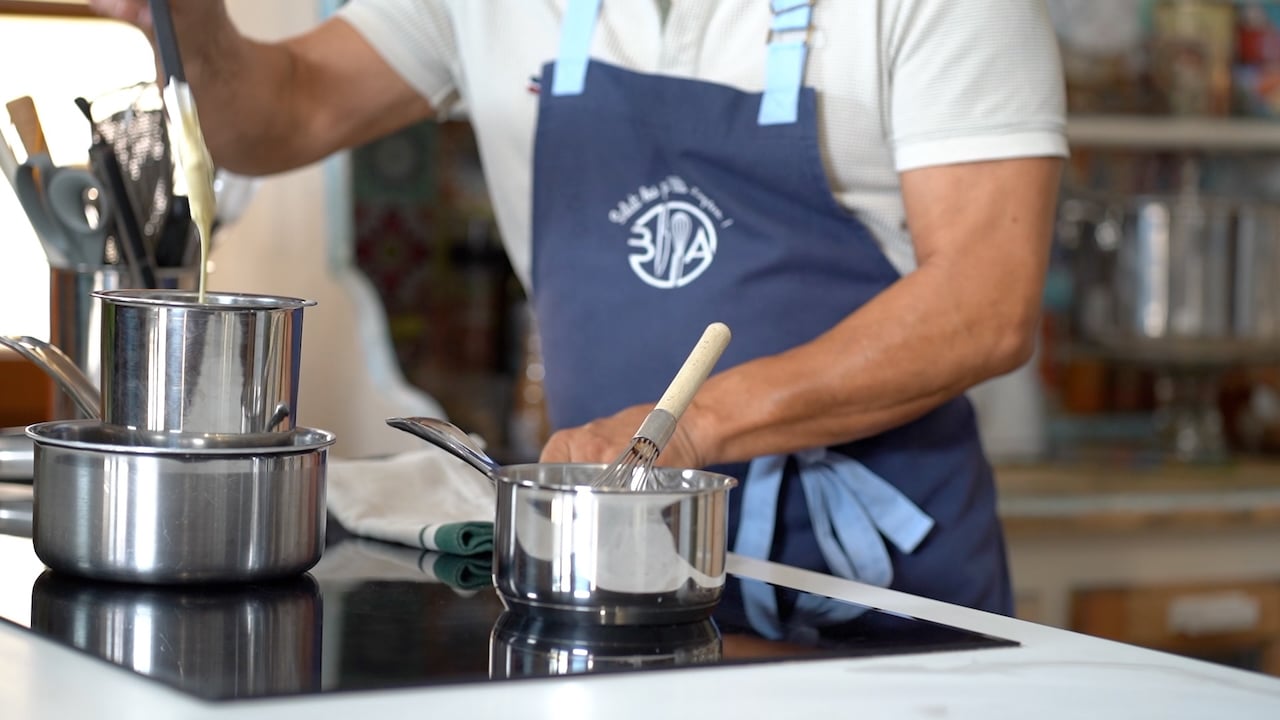
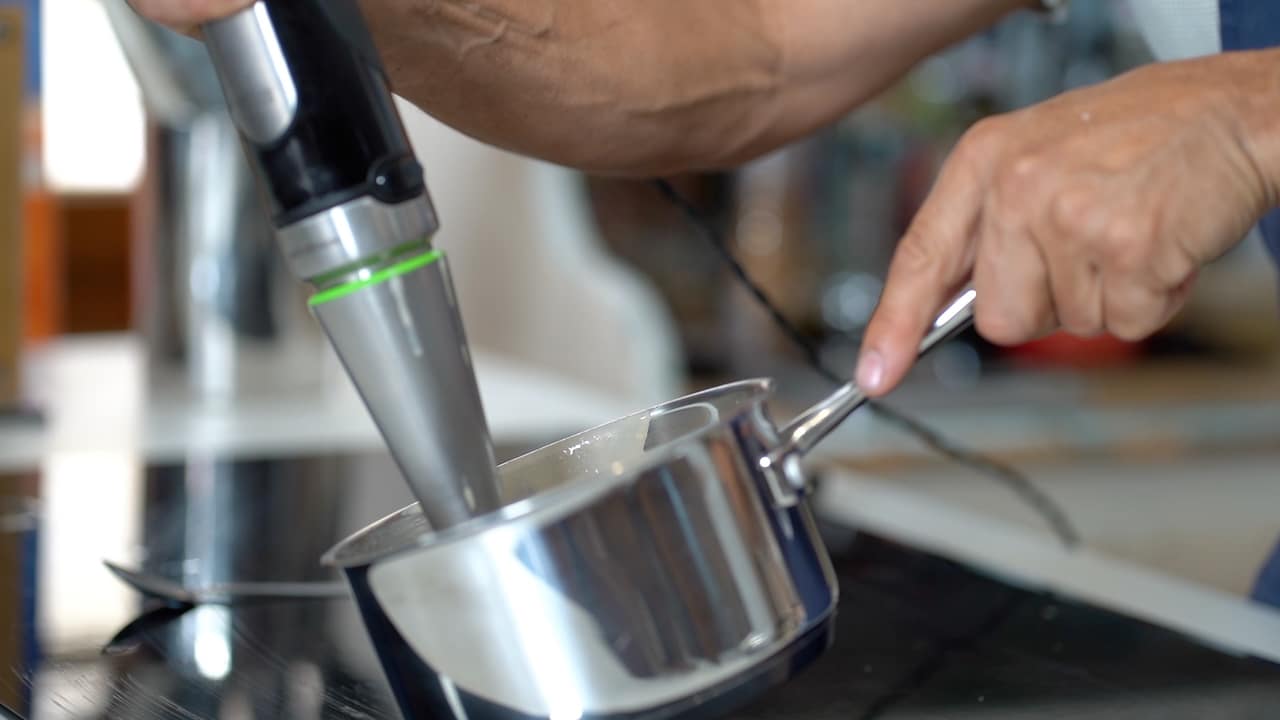
- In a saucepan, bring to a quick boil heavy cream and vanilla. Remove from the heat and pour over the melted white chocolate. Blend with the an immersion blender.
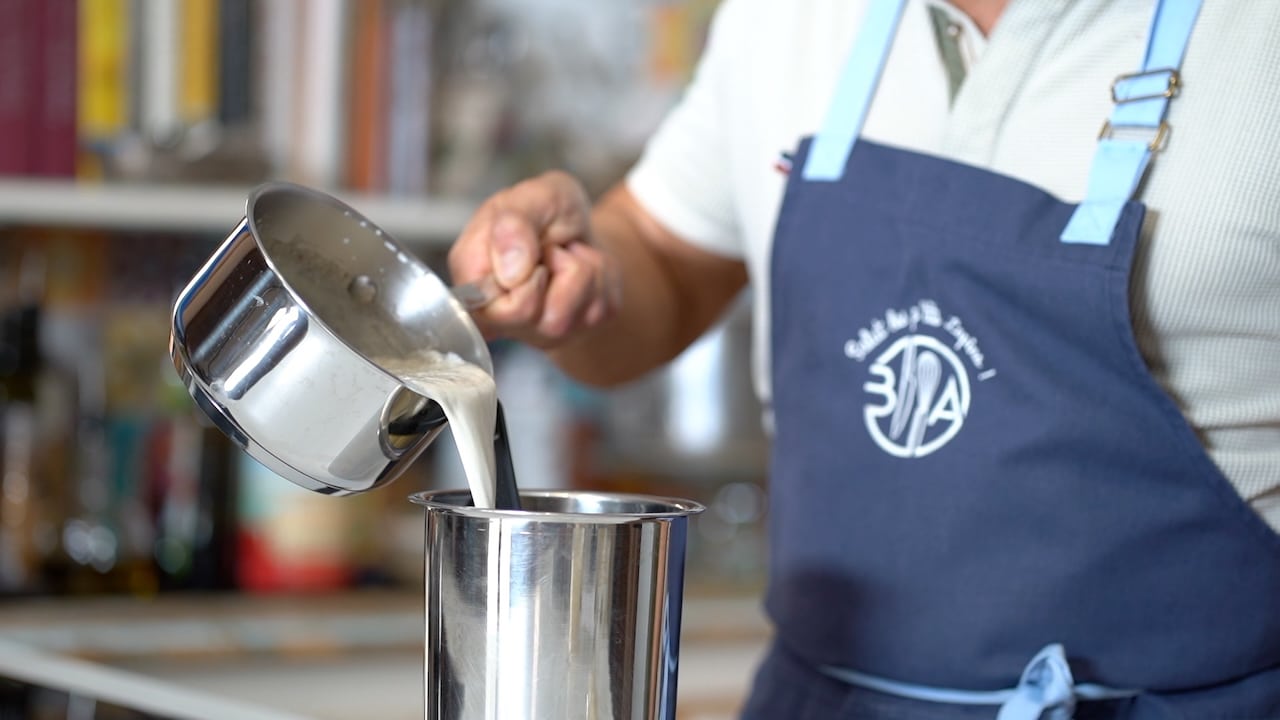
- Add in the bloomed gelatin, blend and then add the remaining chilled heavy cream. Mix well and refrigerate the ganache montée overnight to set completely before whipping.


Almond Sablée Mixture
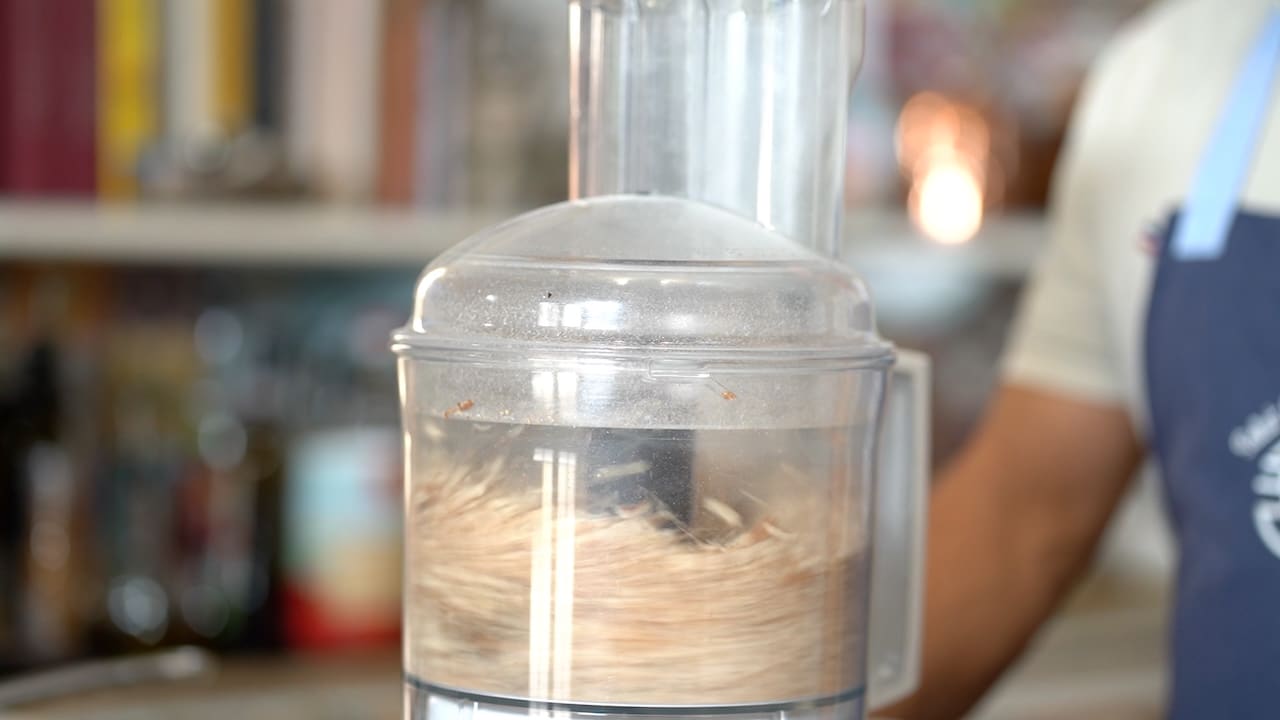
- Lightly toast the whole almonds on the stovetop or in the oven for about 10 minutes. Let cool, and crush them in a food processor, then transfer the crushed almonds to a bowl. Do the same with the crumble and add it to the nuts.
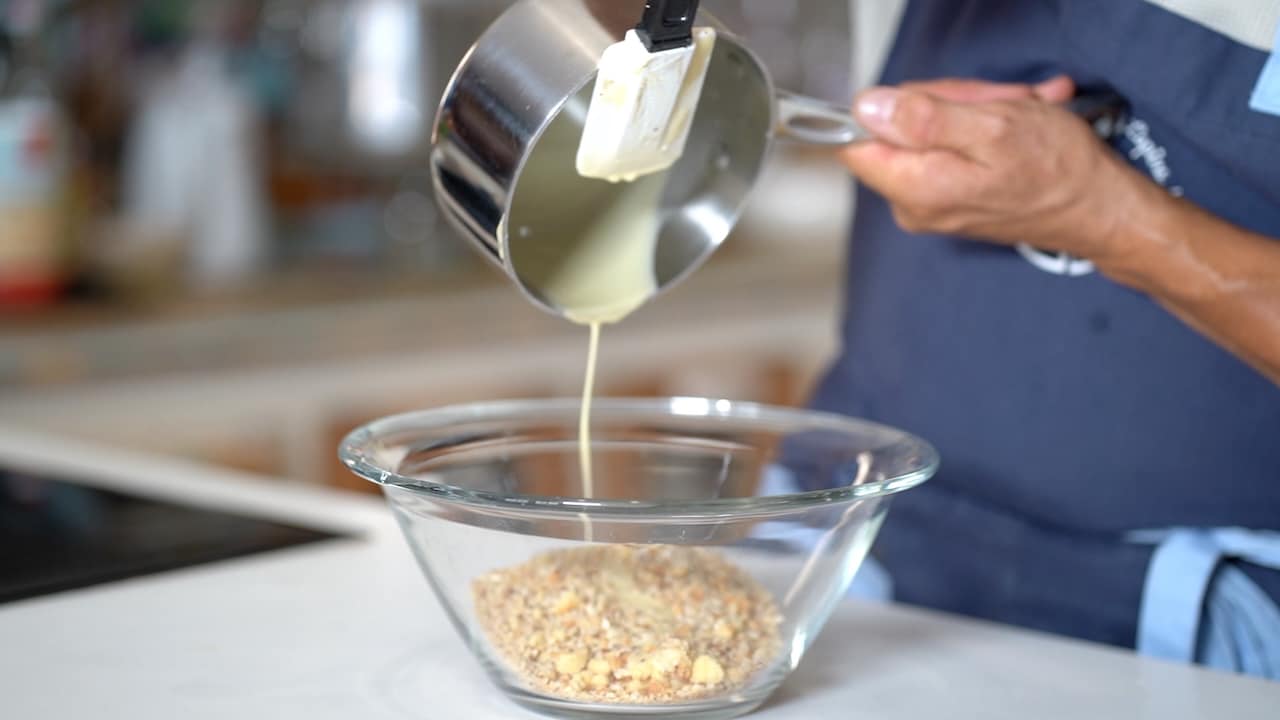
- Melt the cocoa butter first, then incorporate it to the chopped white chocolate. Fold this mixture into the almond-sablée mixture; set aside.


English Breakfast Tea Crémeux Insert
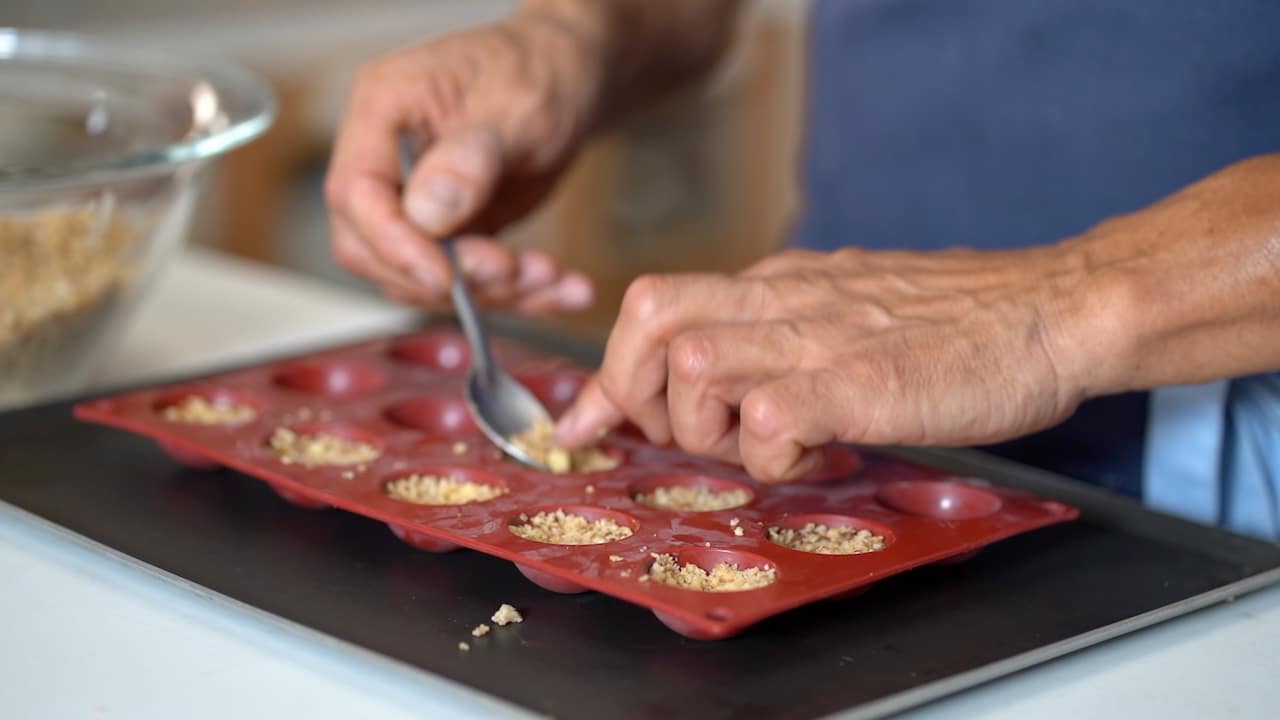
- Fill each cavity with about 5 grams of the almond-sablée mixture and press it down to leave room for the next layer.
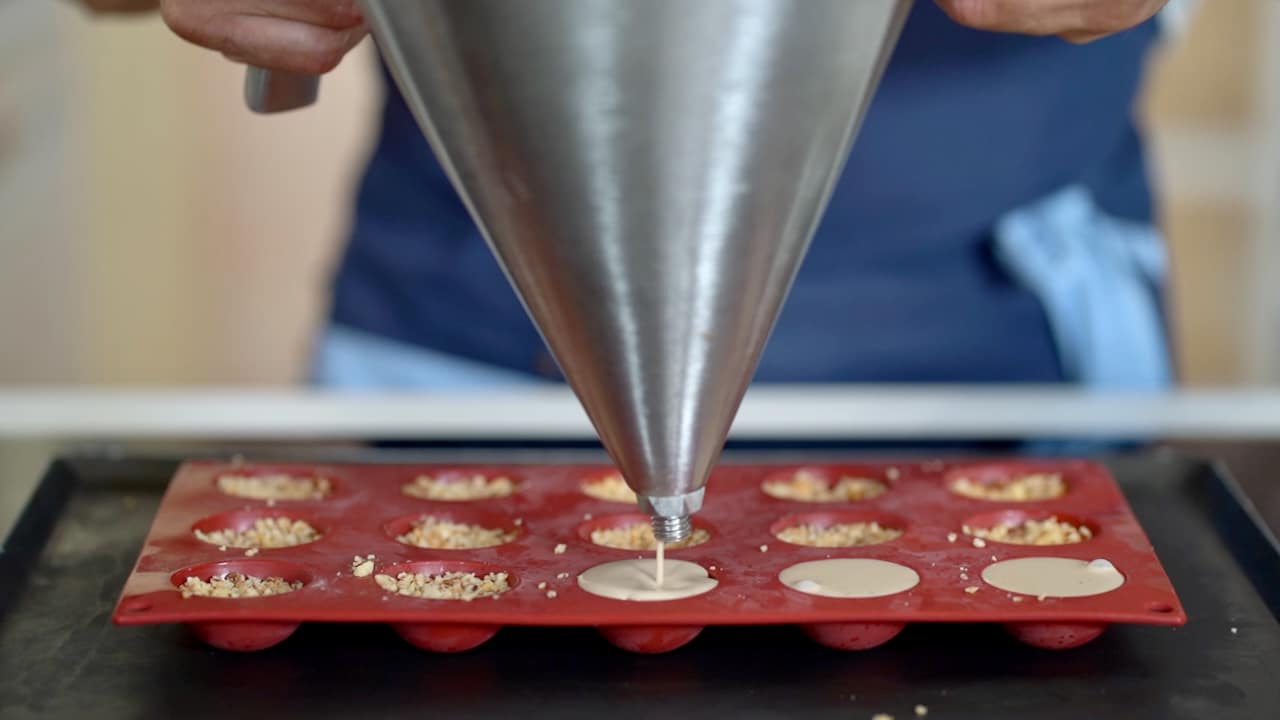
- Temper the crémeux at 77°F (25°C) and top off. Tap the tray, add more filling if needed.
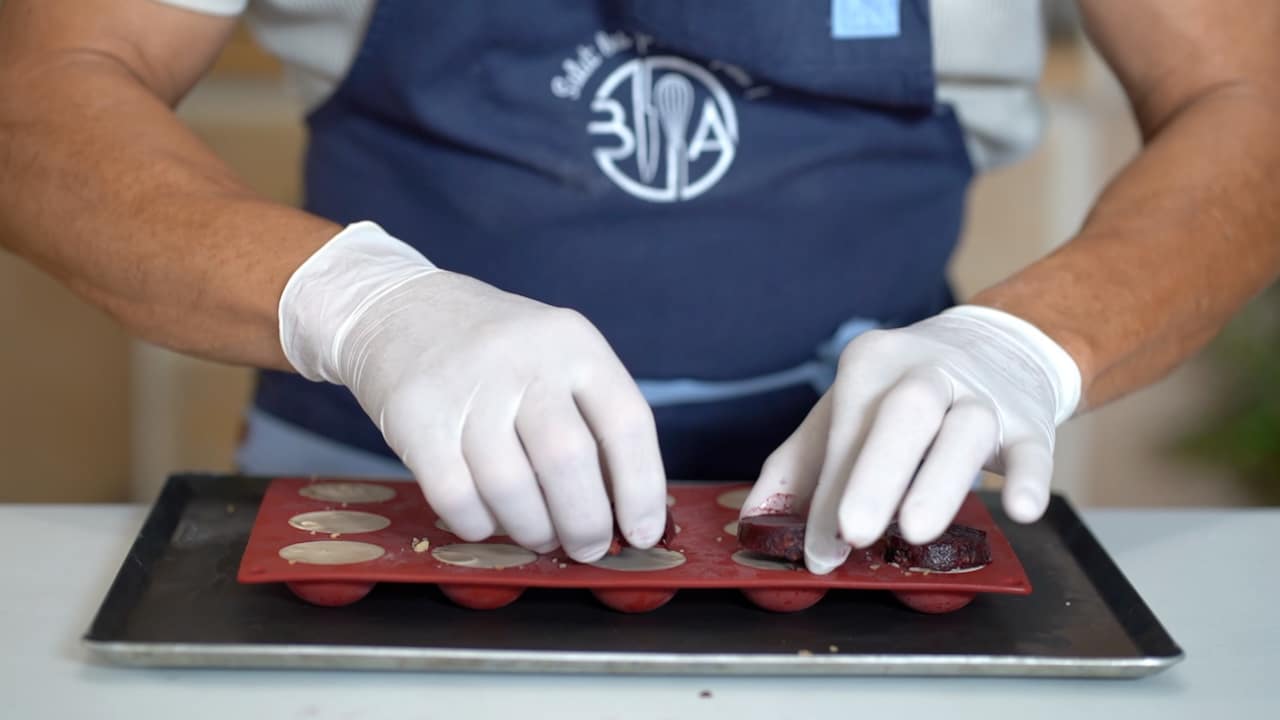
- Immediately, top the 15 half-sphere crémeux with a disk of frozen blackberry confit. Freeze them completely.


Dessert Assembly
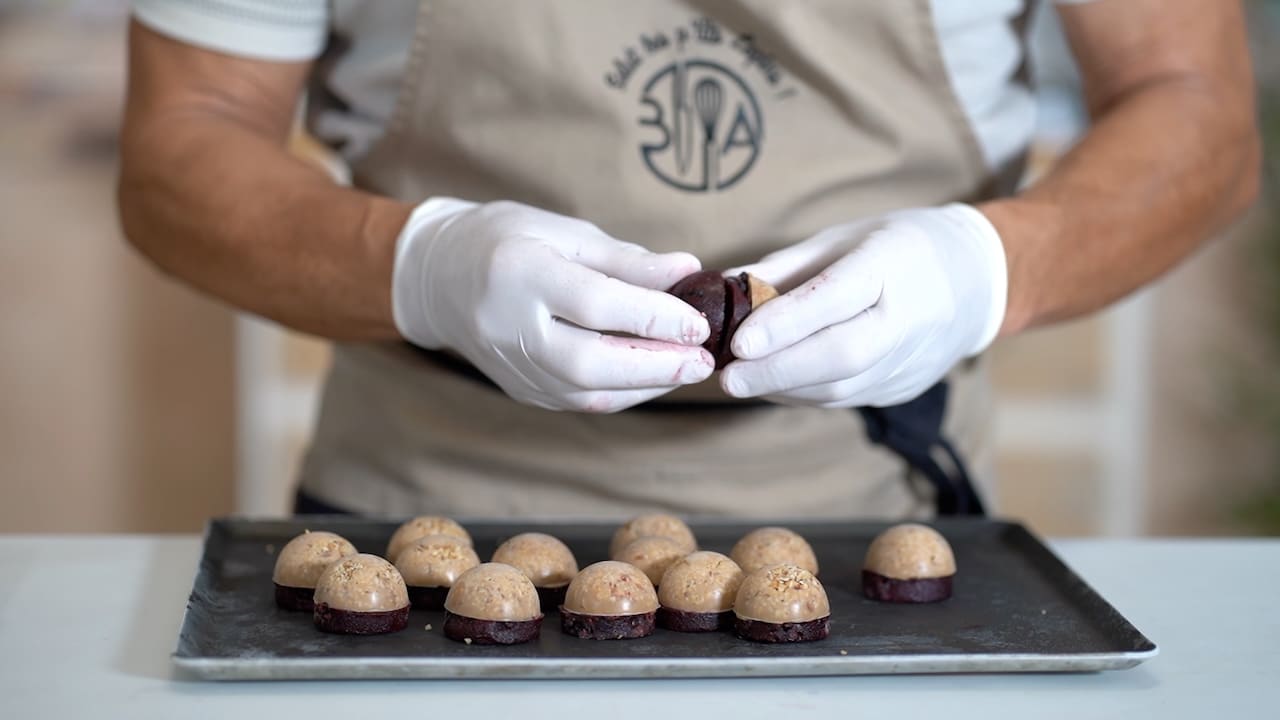
- Wear disposable gloves, then unmold the mixture and place it into the other half-sphere of blackberry confit. Press and shape each piece to form a solid Kinder Surprise–style compound. Freeze for several hours before inserting the bamboo skewers.
- Right before inserting the tip of the bamboo skewer, dip it into the blackberry confit leftover and then firmly insert and twist the skewer about 2 cm deep into the center. Use a half-sphere silicone mold to keep them upright. Freeze for at least 3 hours before piping the drupelets.
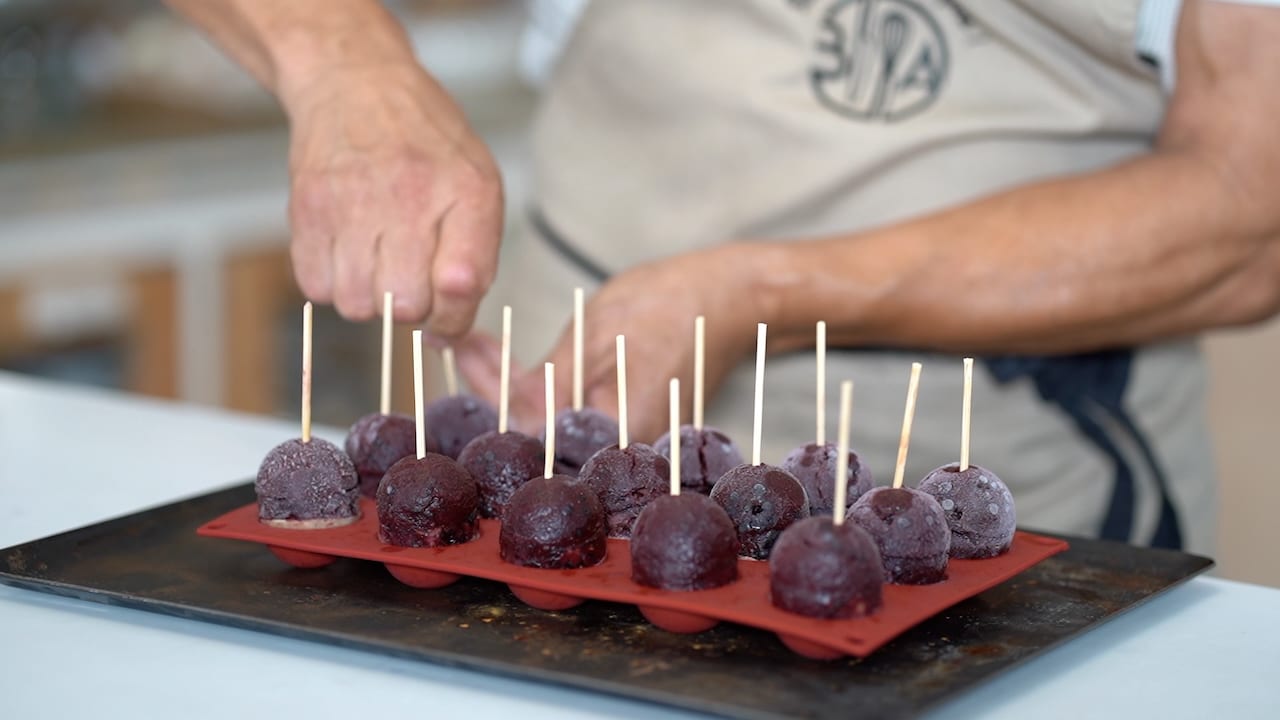


Piping Drupelets
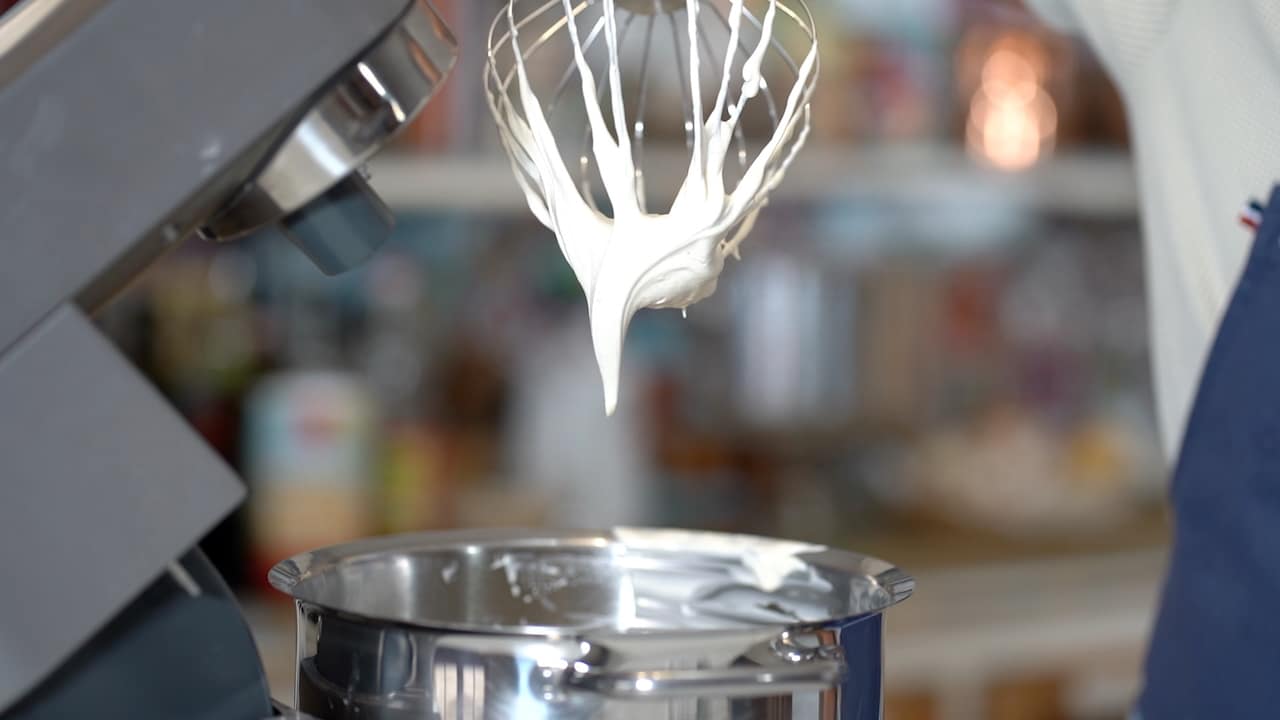
- Whipping ganache montée: Whip half of the chilled vanilla ganache montée to medium peaks (keep the other half refrigerated). Fill the piping bag half way full, and chill the mixing bowl with what's left of the vanilla mousse.
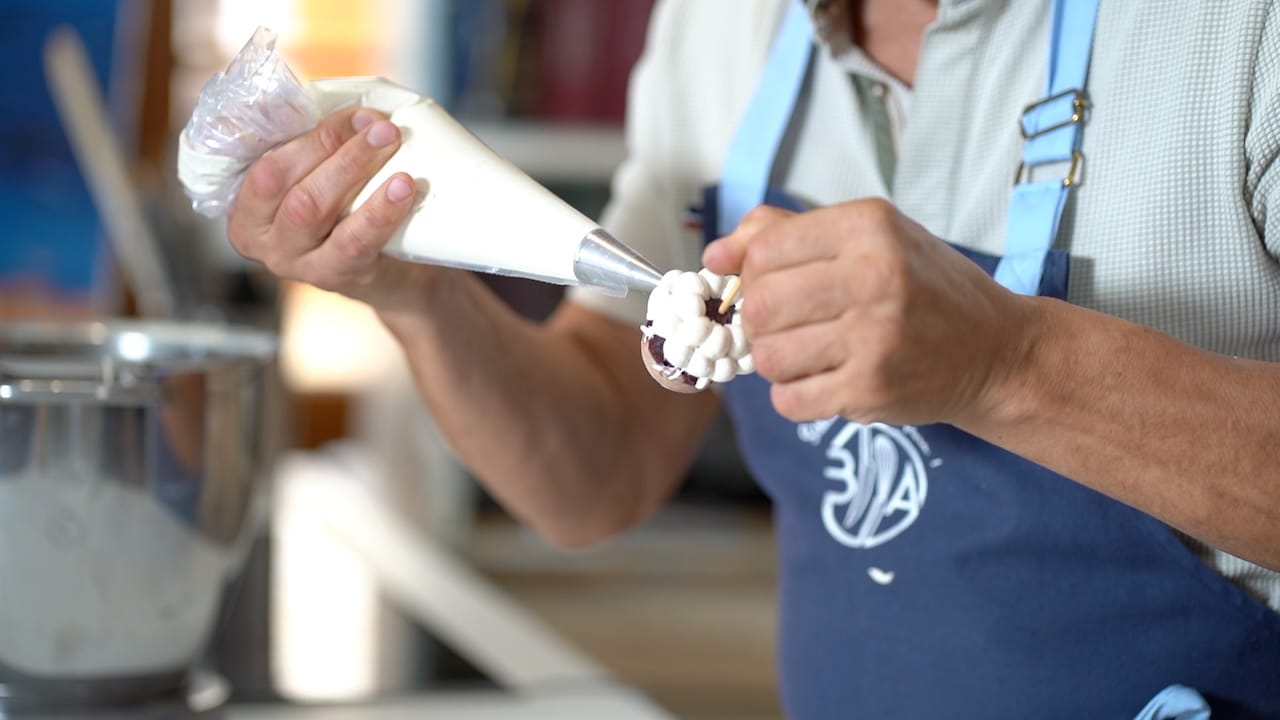
- Grab a frozen blackberry confit core from the freezer using a bamboo skewer—work one at a time. Hold it upside down, like a lollipop, and begin piping drupelets around the stick, continuing until the entire fruit is enveloped.
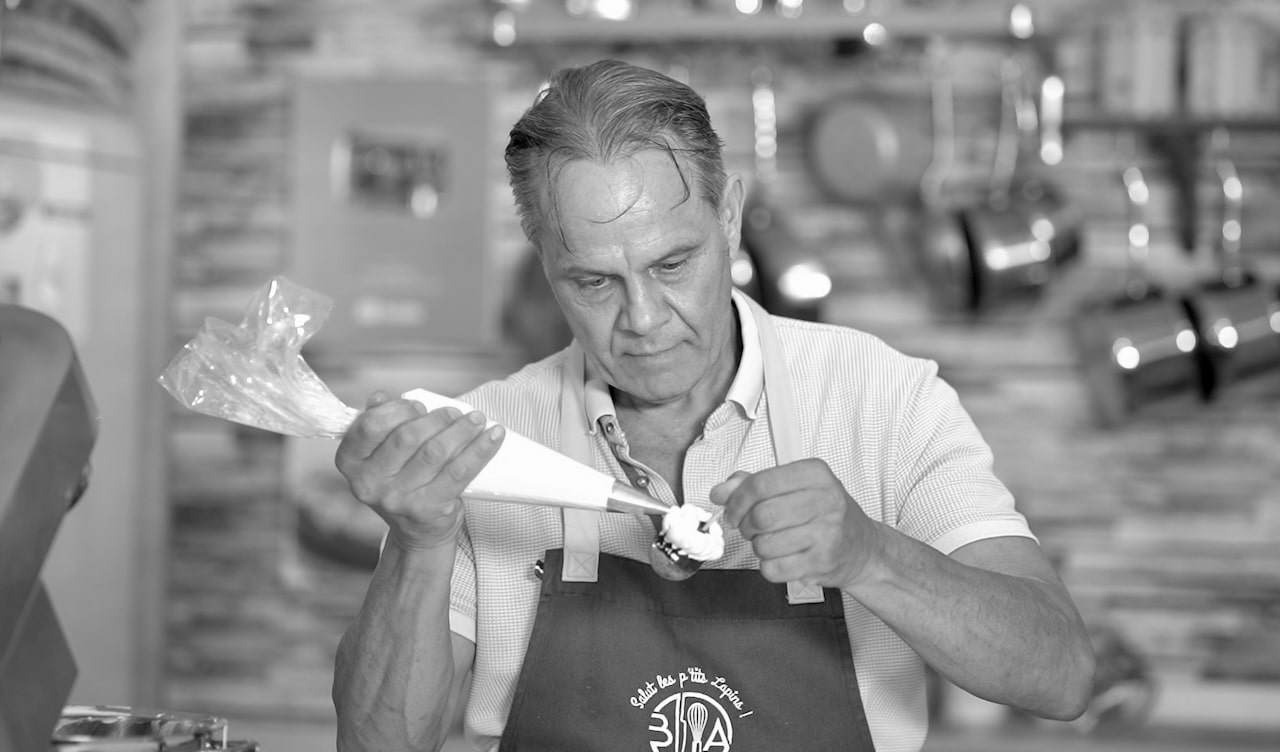
- Aim for uniform size, mimicking the natural texture and irregular dimpling of the real fruit as closely as possible. As a visual reference, keep a fresh blackberry or a photo of the fruit—it helps.
- Once the cake is fully coated, flip it upright and insert the bottom of the bamboo skewer into the pre-drilled hole of the wooden stick, then transfer immediately to the freezer. Repeat this process until the first batch of whipped ganache montée is used up. If at any point the filling feels too runny to hold its shape, do not use it—simply add it back into the remaining chilled ganache montée, rewhip to the proper consistency, and continue.
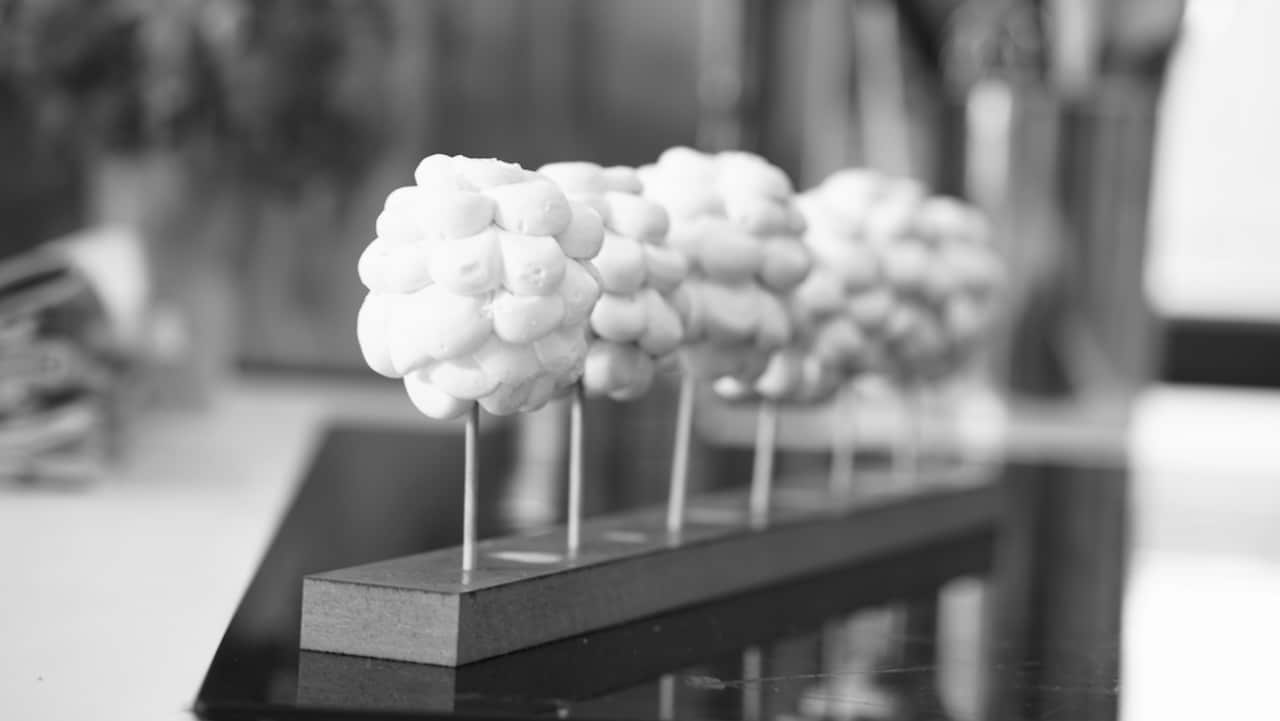
- Once achieved and fully hardened (12 hours later), store and arrange your sheep looking cakes 🐑, head down onto a silicone mat in the freezer ready to be glazed. If the bamboo skewer gets loose for any reason, just remove it. Another one will be inserted right before the glazing procedure.
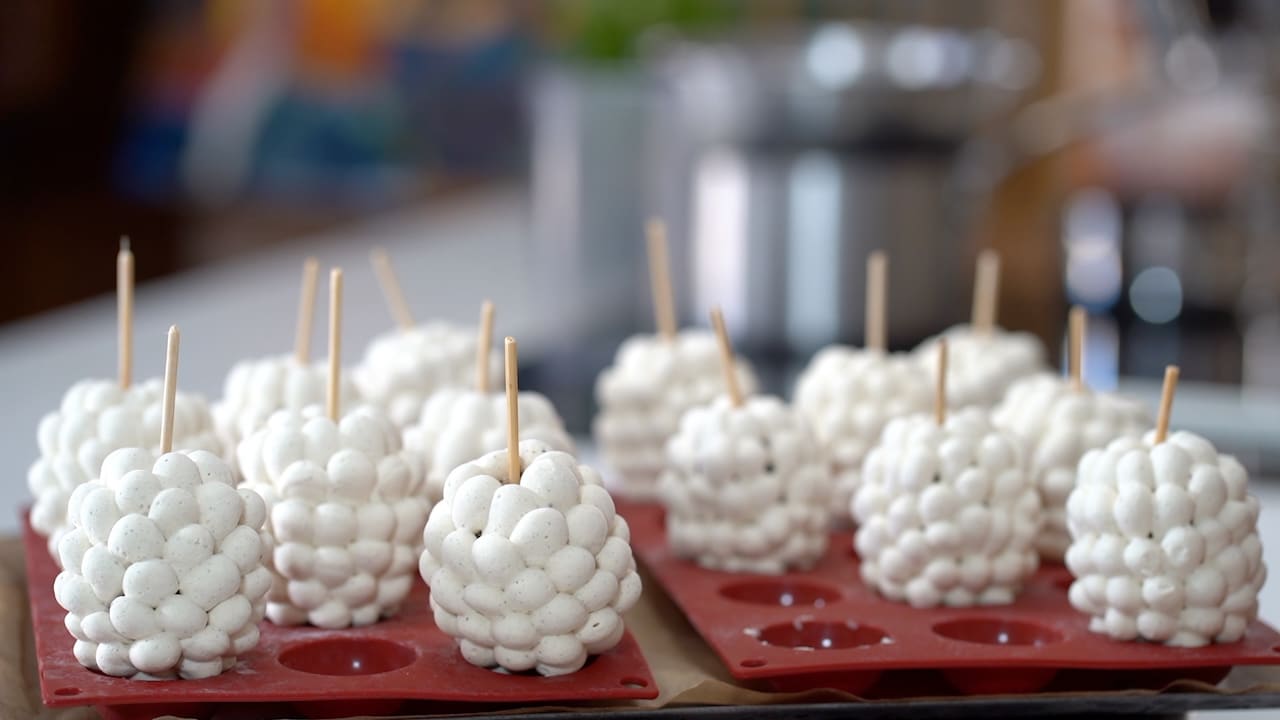


Glazing Procedure
- To prepare the chocolate enrobage mixture, follow the chocolate spray tutorial. Individual frozen desserts can also be chocolate-sprayed or glazed as follows for the ultimate results. Gently heat the colored chocolate enrobage mixture in a bain-marie to 115ºF (45-50ºC) max. Use at 40ºC for glazing. Separately, gently heat neutral glaze, and sets it at 90ºF (32-35ºC).
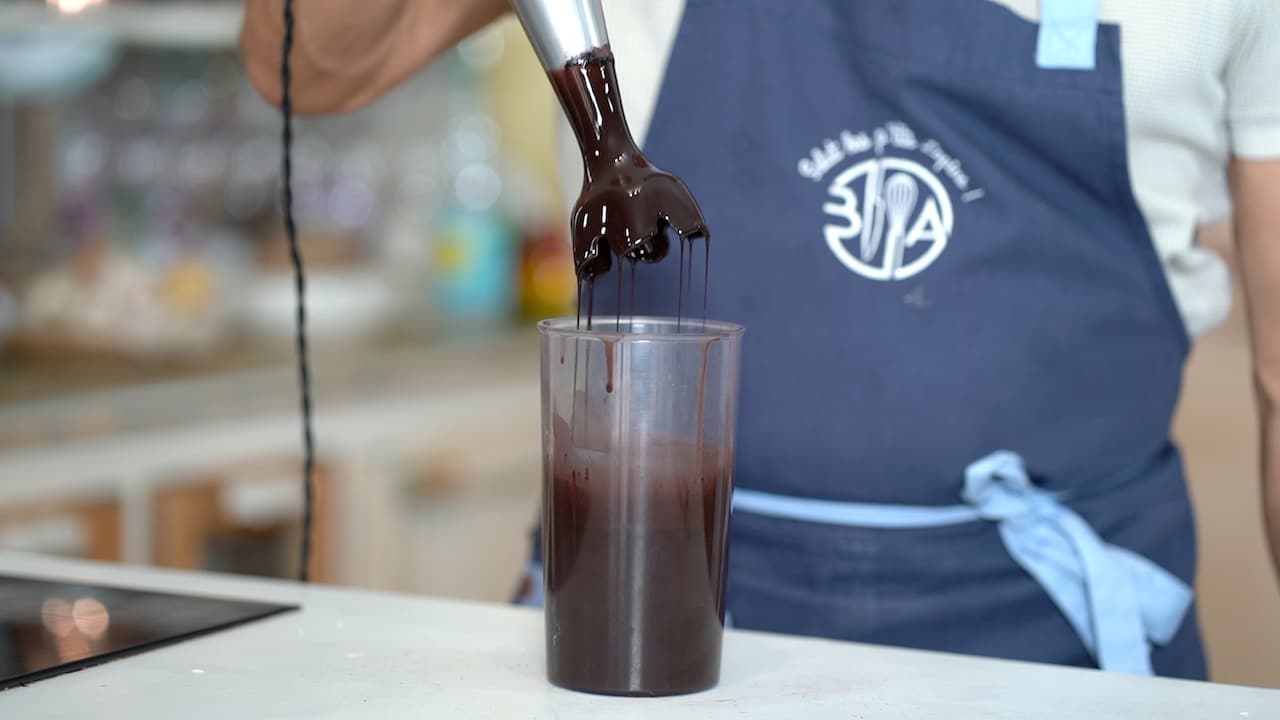
- First Coat (chocolate enrobage): Completely submerge and in a rotating motion, one frozen cake at the time into the tempered chocolate enrobage. Lift it out and rotate when turning it upright like a lollipop. Wait about 20 seconds to allow the chocolate to set completely.
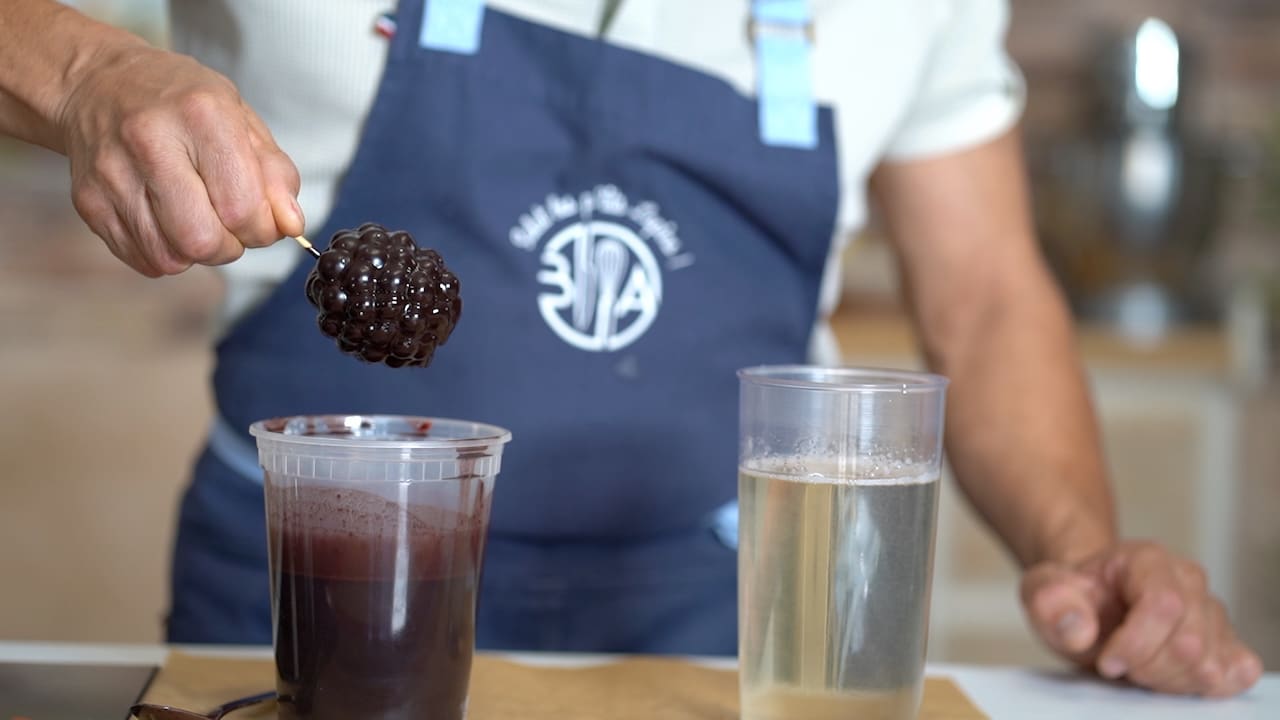
- Second Coat (neutral glaze): Once the chocolate shell is set to the touch, quickly submerge it into the lukewarm mirror glaze. Lift it out while rotate it, excess glaze will begin to drip. Then gently swipe your finger under to remove excess glaze.
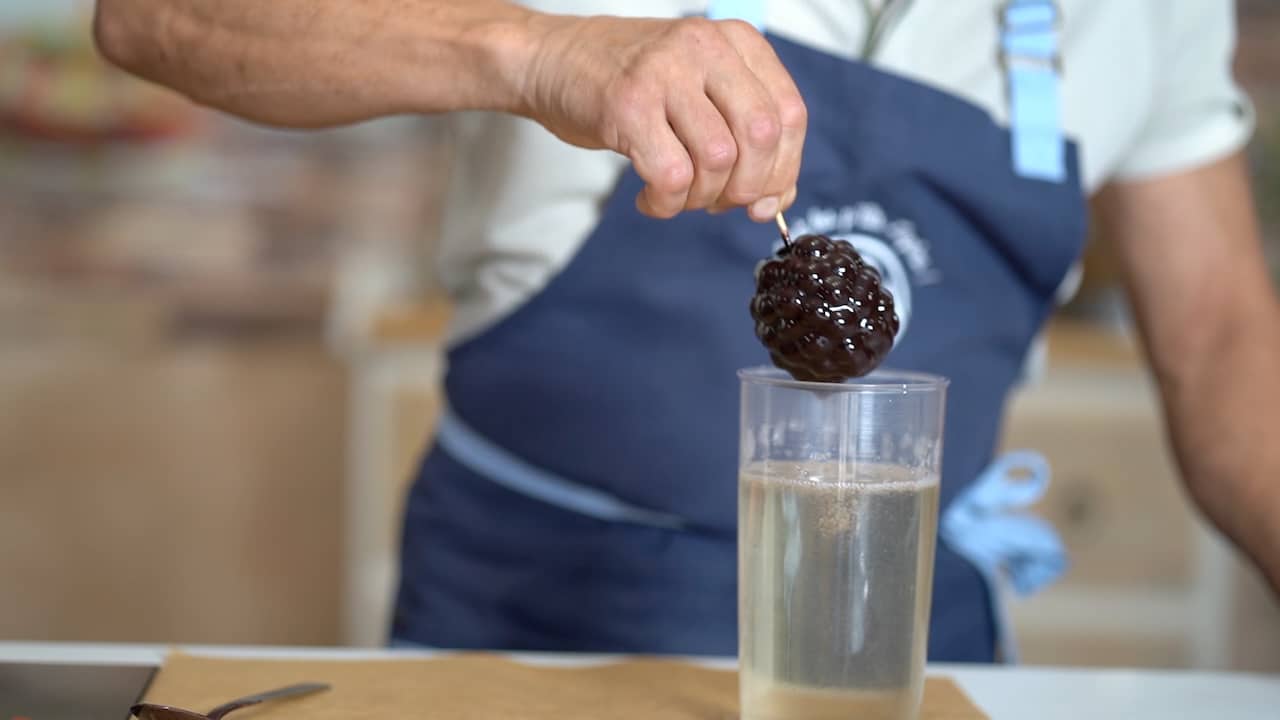
- Lay the finished blackberry trompe l'oeil desserts onto a tray lined with parchment or silicone mat. Proceed likewise with the remaining frozen desserts. To remove the bamboo skewer, gently twist it and pull.
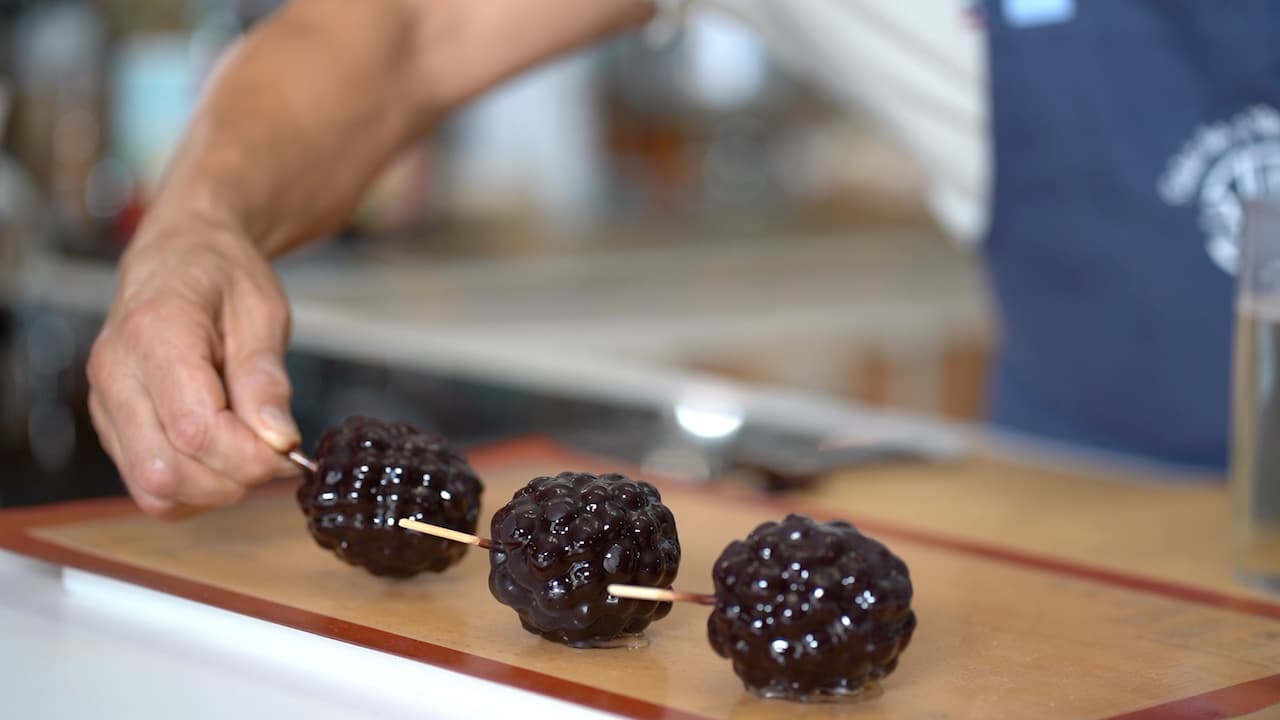


Storage
- Unglazed cakes can be kept frozen for up to 2 months if sealed in appropriate deli containers. Once glazed, they become more fragile and should be consumed within 2 weeks. Otherwise, once the trompe l’oeil is thawed, it should be eaten within 48 hours.

This content is part of the PREMIUM SECTION

This recipe requires a All-content access subscription. The Premium section includes more than 50 essential recipes from French pastry and a special section for mastering artisanal bread.
The Premium section is only accessible with "A year at the table" subscription. Discover it with special first year discount.