
Please note that the full access to this content needs a "Year at the table" subscription: please sign up.
In the pantheon of pastry arts, the final finish is a statement of intent...
This recipe is a protected and only available for paid members. To obtain the full step by step recipe and detailed ingredients list, please sign up.
Preview the recipe
- If using food coloring, everything that is cocoa-butter-based must be colored with fat-soluble (liposoluble) food coloring. These can also be used in meringues and other water-based preparations, but the opposite is not true. Water-based food coloring will not work in chocolate spray. In any circumstances, use best quality food coloring.
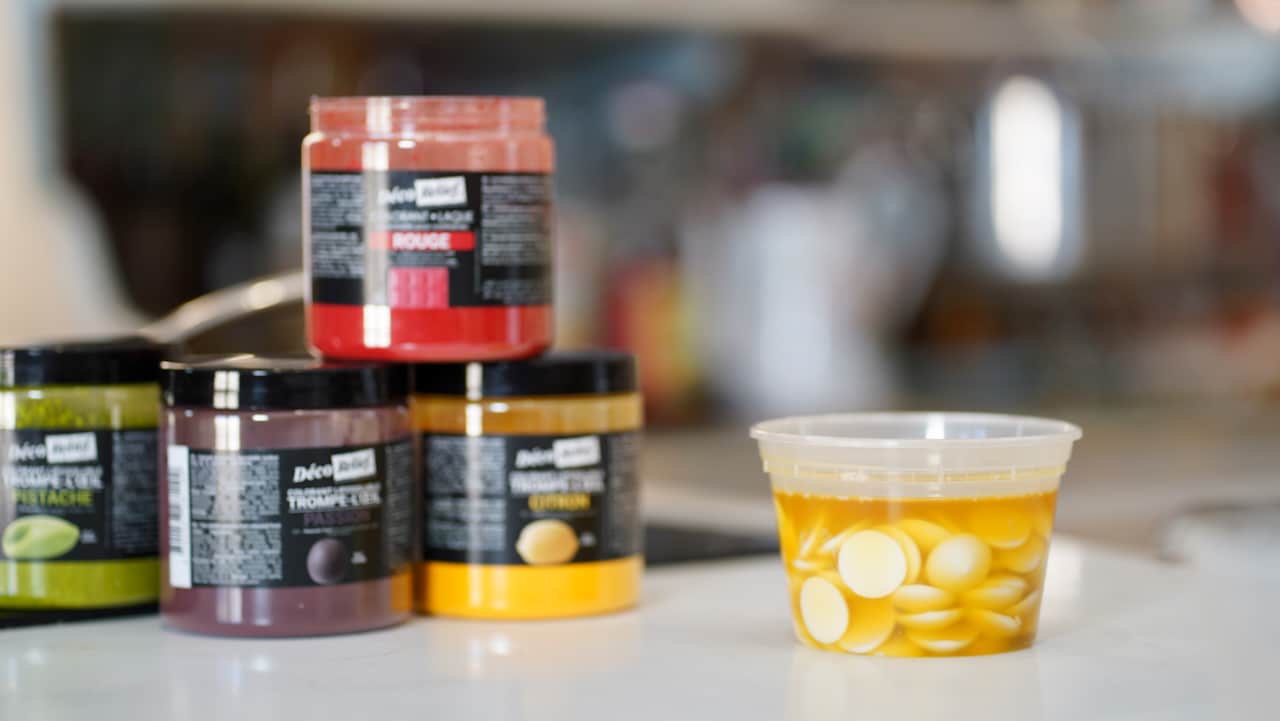
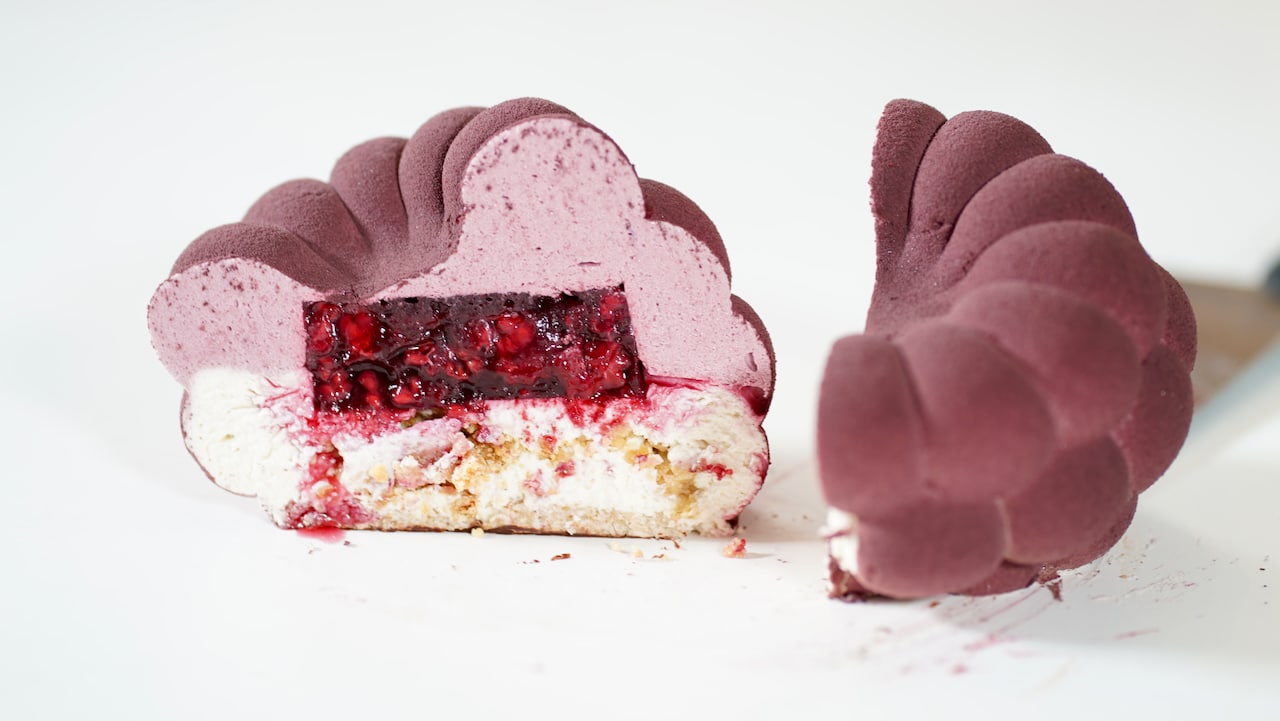
- When the hot chocolate mixture hits the frozen dessert, it triggers a specific type of crystallization in the cocoa butter. This rapid cooling forms much smaller crystals than those found in regular, tempered chocolate. These tiny crystals are what give the coating its velvety texture and, surprisingly, a softer mouthfeel. Because the crystals are smaller, the chocolate melts at a slightly lower temperature, creating a refreshing and smooth sensation when you eat it. To achieve this effect, two primary factors must be precisely controlled: the temperature of the base dessert and the temperature of the chocolate mixture. The dessert must be frozen to a temperature of around -18°C (0°F) . This intense cold is crucial for creating the "thermal shock" that produces the desired crystallization. If the base is not cold enough, the chocolate won't crystallize correctly and won't look velvety.
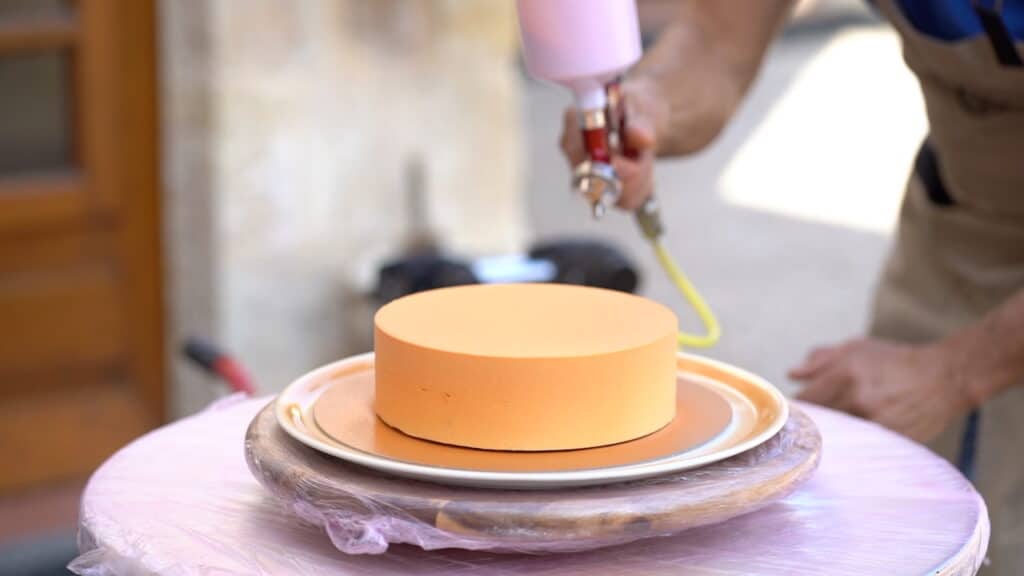


Chocolate Spray Mixture (Enrobage)
- Chocolate spray mixture is a mixture of chocolate (white, milk or dark) and cocoa butter prepared using a 60% chocolate to 40% cocoa butter ratio. Start by melting cocoa butter (cocoa butter can boil but the chocolate) in a small saucepan to 190ºF (80-90ºC), and pour into the chopped chocolate or disks.
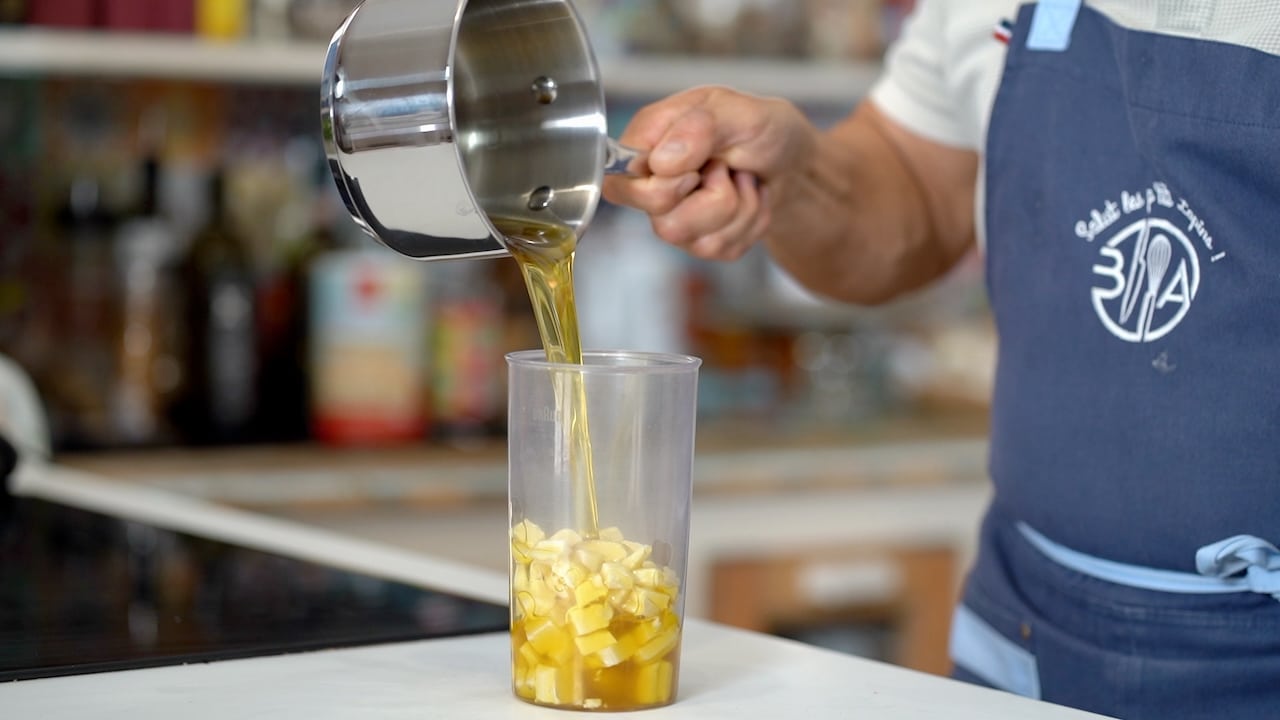
- Let stand 5 minutes to melt, and mix using an immersion blender.
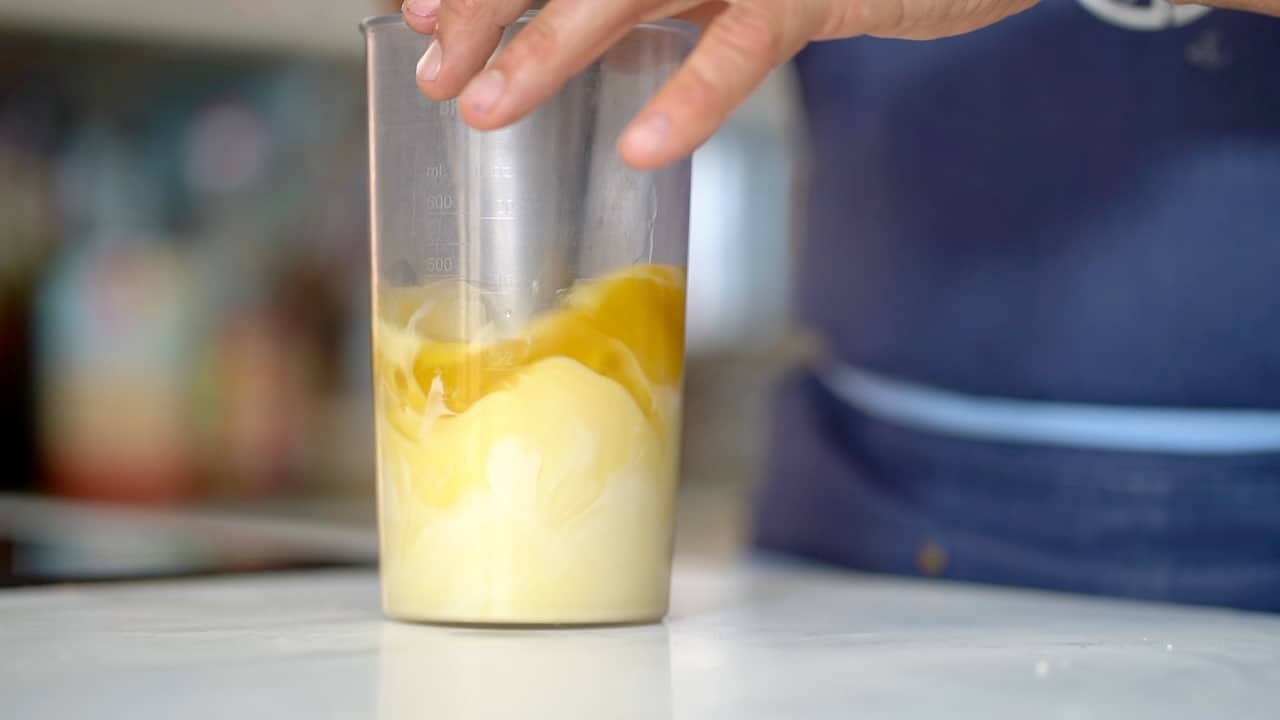
- Add food coloring and mix to combine. Pass chocolate mixture through a fine mesh sieve.
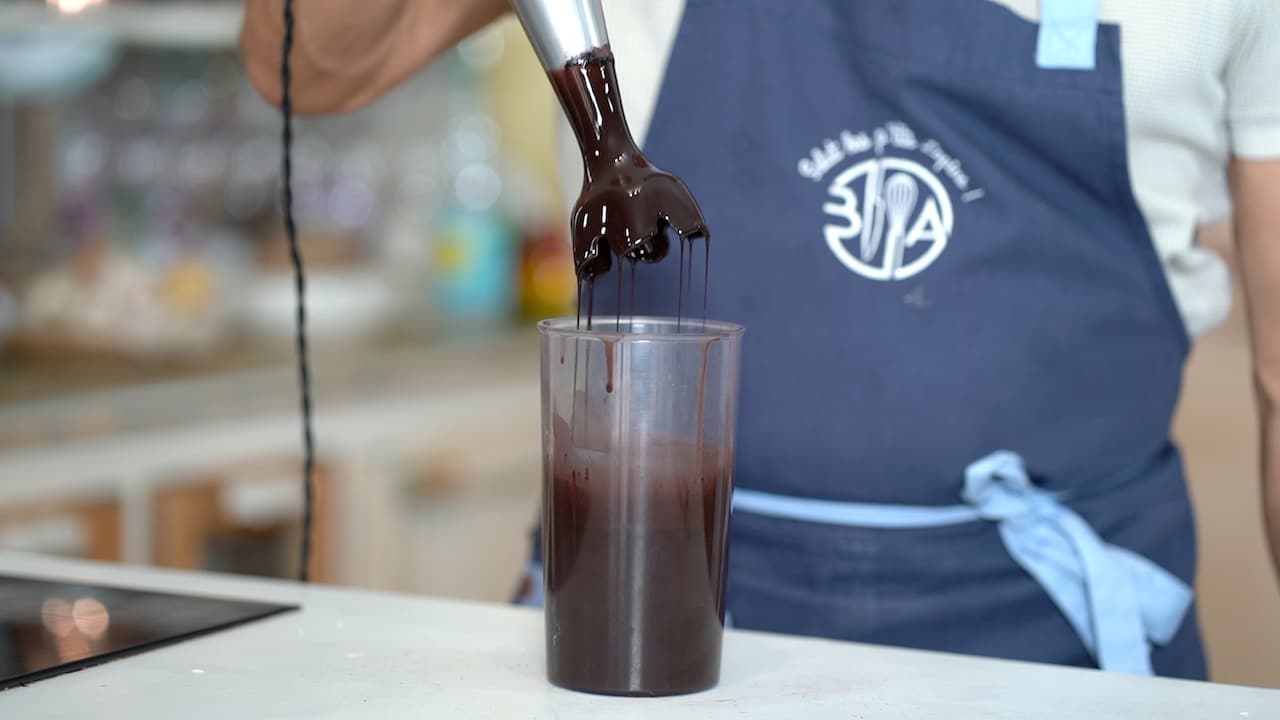


Chocolate Spraying
- Let temperature drops to 95ºF (35°C) during summer, and keep it a little warmer during cooler days ≈ 104ºF (40ºC) before using.
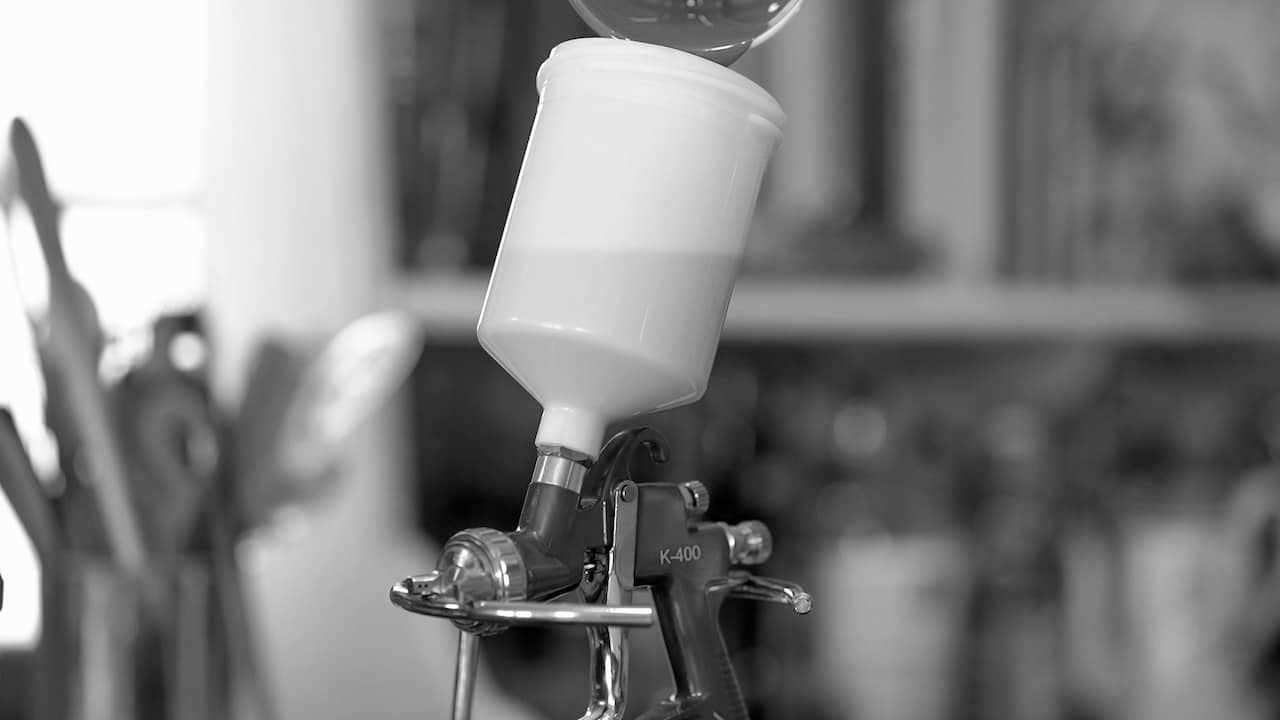
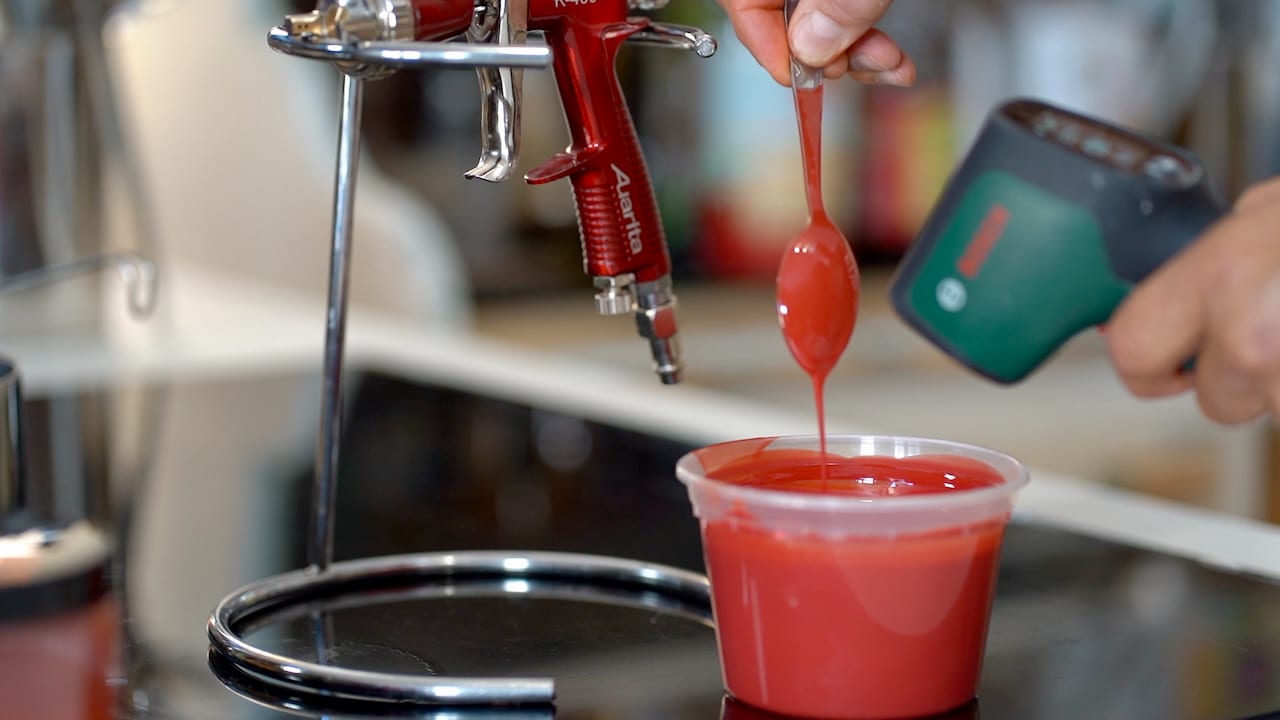
- For obvious reasons, spray chocolate outside or in your garage. Protect the table with carton board, old bed sheet or plastic cling. To avoid clogging during spraying chocolate (Winter season only) the gun spray and cup should always remain warm. To do so, place the empty spray gun and cup in a warm and dry spot called étuve or in a 104ºF/40ºC oven about an hour before you start. Keep the hair dryer near by in order to maintain the flow of the tempered chocolate from the reservoir through the nozzle during the procedure. Do one cake at the time.
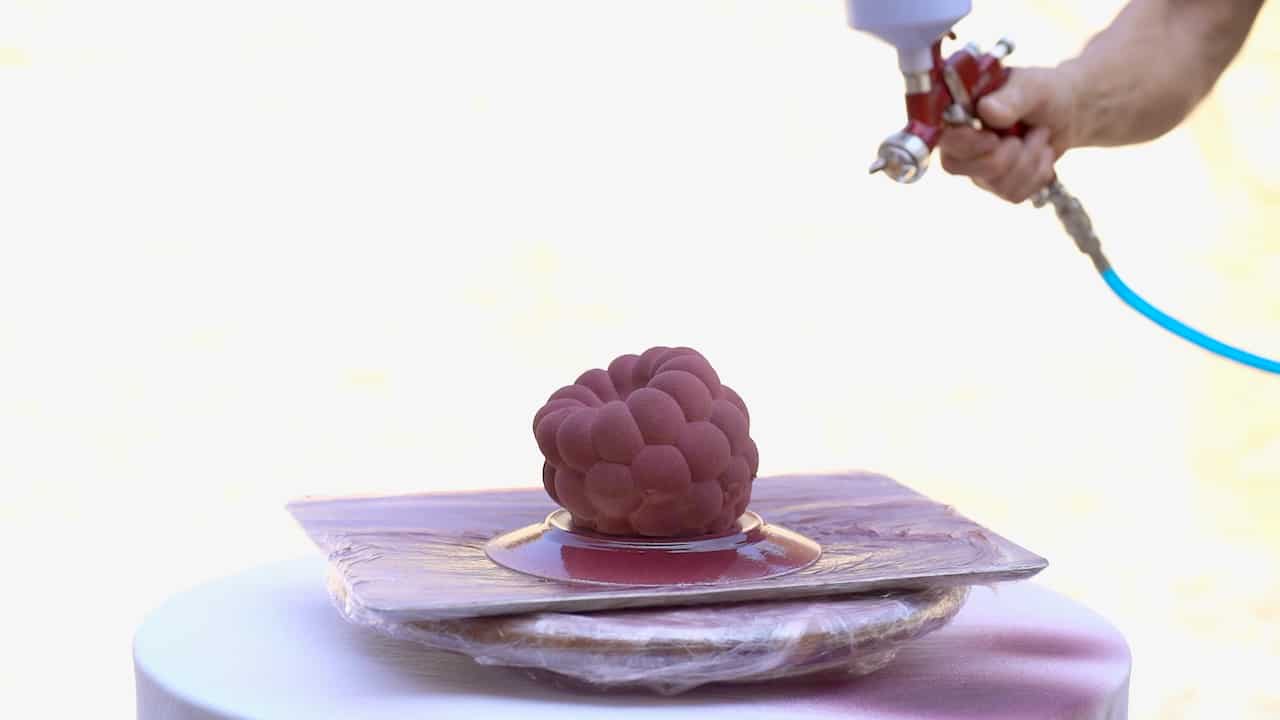
- The mixture must be applied in a thin, even layer. A coating that is too thick will have too much mass, causing it to crack or peel off. If a more intense color is needed, it's better to apply one thin layer, let it set, and then apply another.
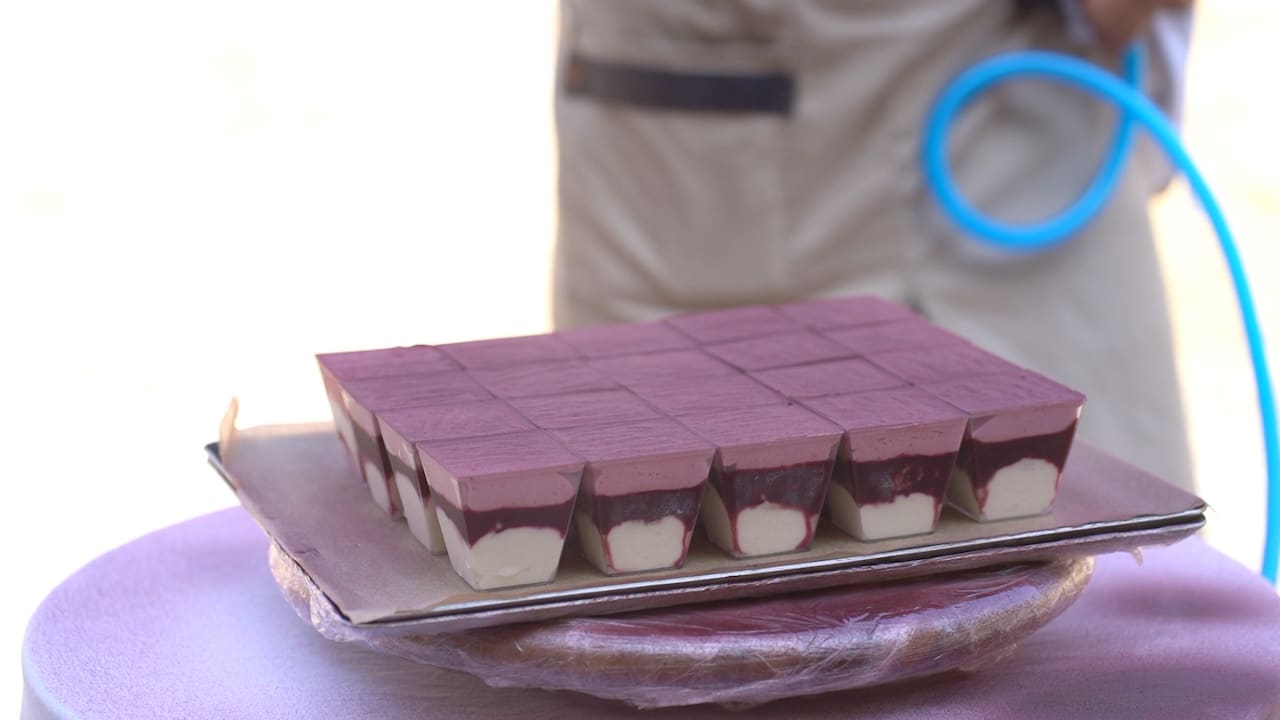
- Place the chocolate sprayed cake in the freezer. If planned to serve the day after, let cake thaw in the refrigerator overnight.


Other Uses
- When spraying chocolate onto chilled desserts (not frozen) or room-temperature chocolate showpieces, it will produce an intense sheen instead of velvet effect. The same technique is often used in the confectionery world to add extra sheen to chocolate moldings, truffles, and chocolate showpieces.


What Equipment to Use
- The spray gun provided for spraying edible goods must not be used for other painting work. A decent painting spray gun fitted with a 1.5mm nozzle would cost around $30.
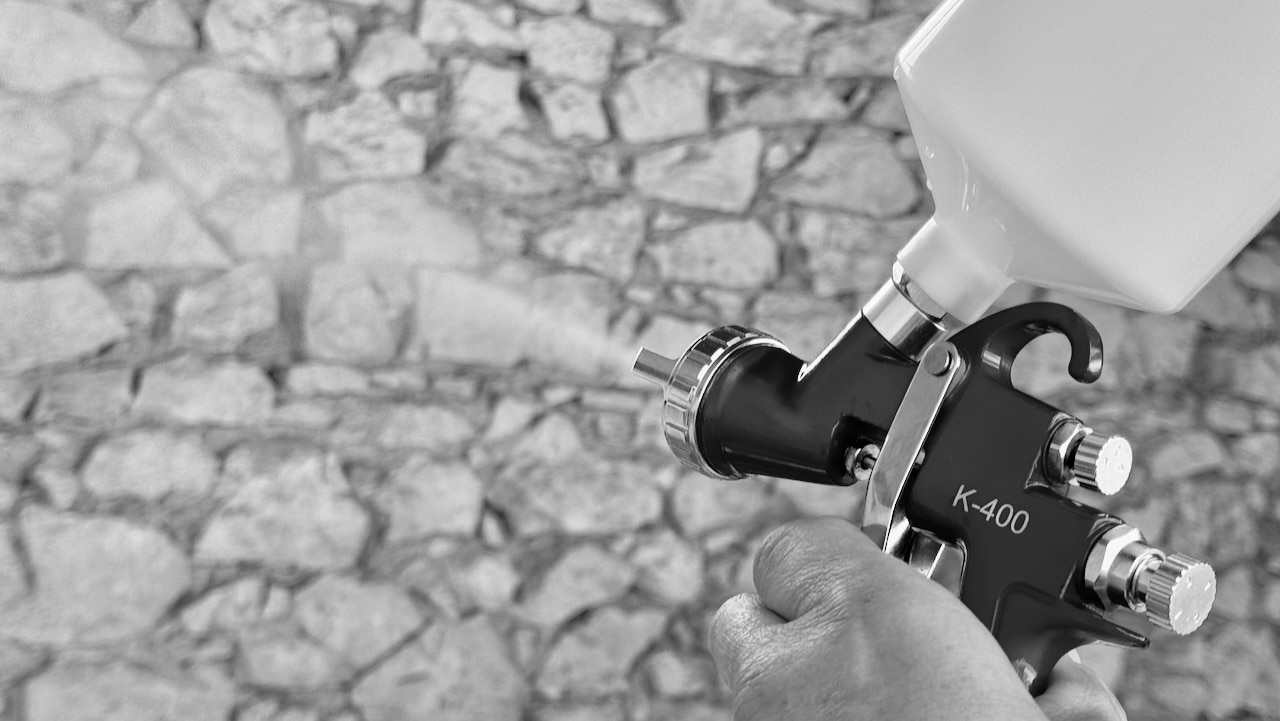
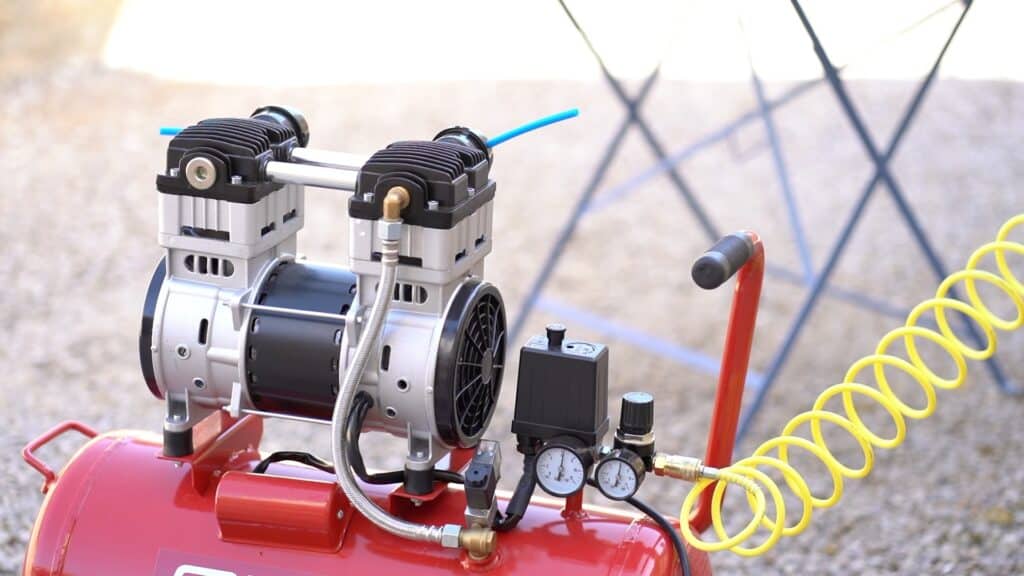
- The alternative for home bakers is pre-made aerosol sprays. They are easy to use, though not inexpensive. If you only do this occasionally, there's no need to invest in a 50L compressor unless you already have one.


Storage
- Chocolate spray mixture can be re-used indefinitely and stored for up to 6 months in a cool area or kept frozen for a year.
Cleaning Procedure
- If used frequently like in patisseries and chocolateries, the gun spray doesn't need to be cleaned on daily basis. Instead, everything is stored (colored cocoa butters and chocolate enrobage included) inside an étuve or oven that is kept around 100-104ºF/35-40ºC. Otherwise, bring some soapy water to a simmer. Load the spray gun cup with and clear it outside. Next, disassemble the device, and lay components onto paper towels. Place the other utensils and bowls in the sink, and soak them in hot soapy water. Finish cleaning using the intensive dishwasher program. Upon dry and before reusing, polish mold with cotton pads.
This content is part of the PREMIUM SECTION

This recipe requires a All-content access subscription. The Premium section includes more than 50 essential recipes from French pastry and a special section for mastering artisanal bread.
The Premium section is only accessible with "A year at the table" subscription. Discover it with special first year discount.