Please note that the full access to this content needs a "Year at the Bruno's table" or a "Life at Bruno's table" subscription: please sign up.
It provides a pristine, glass-like finish..
This recipe is a protected and only available for paid members. To obtain the full step by step recipe and detailed ingredients list, please sign up.
Preview the recipe
What Neutral Glaze Does
- There is no better use for a neutral glaze than to anoint a masterpiece of seasonal fresh fruits, meticulously arranged in a golden, baked crust. It captures that feeling of walking into a pâtisserie for the first time, your gaze drawn to the display case.

- You can't help but wonder: what gives these creations their impossible, dewy shine? The answer is the transparent embrace of a neutral glaze, the final, crucial step that elevates a pastry from merely beautiful to utterly dazzling.


Neutral Mirror Glaze
- In a saucepan, add water, corn syrup, dextrose, and vanilla.
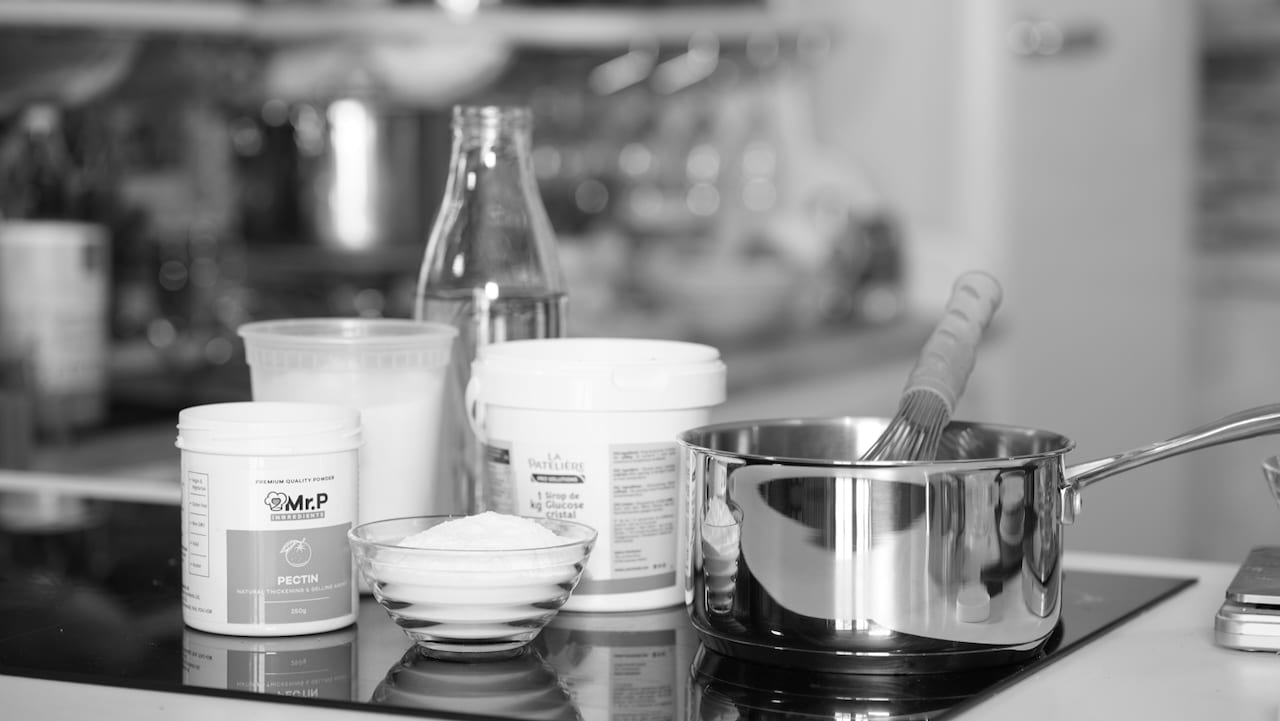
- Heat the mixture to 104ºF (40ºC). In a separate bowl, whisk together the sugar and pectin.
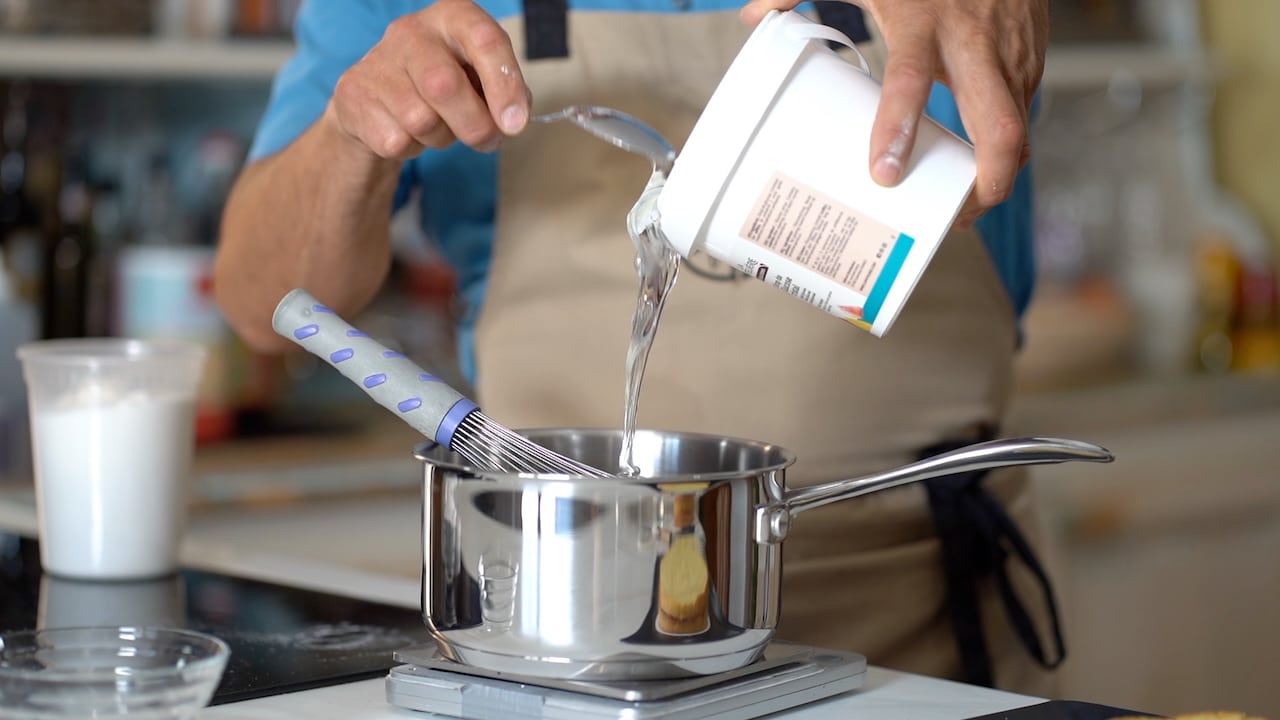
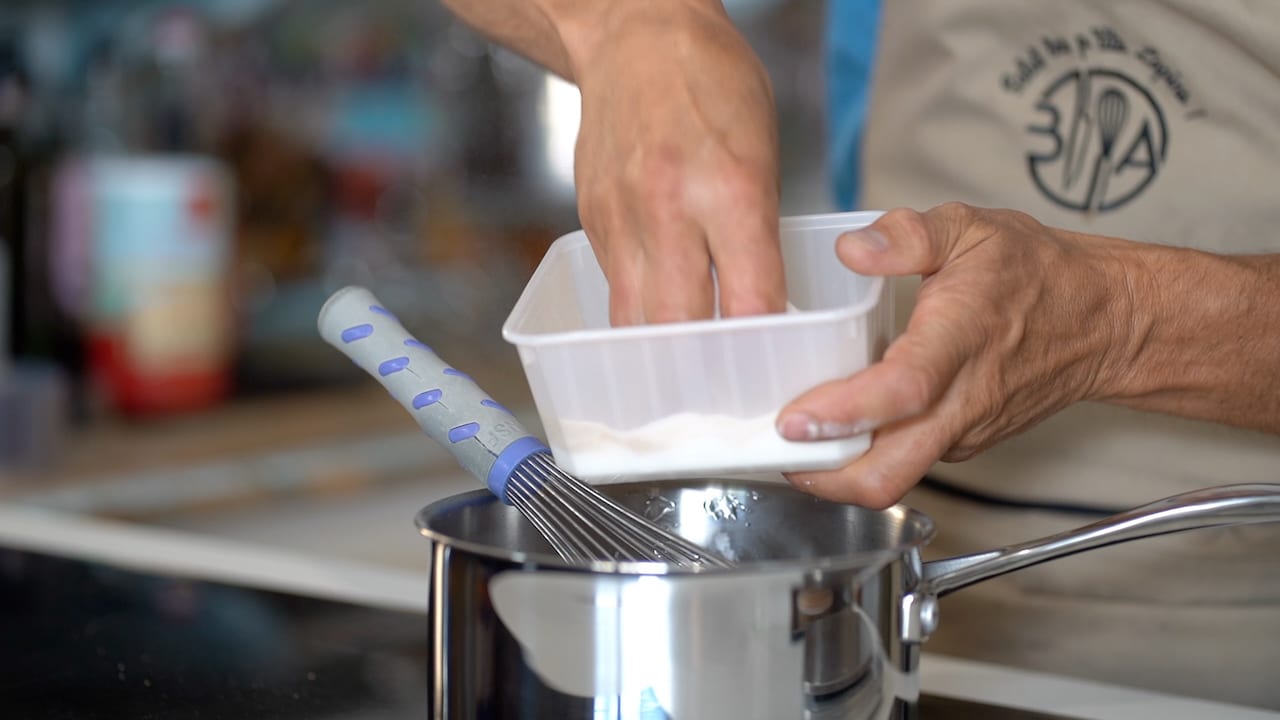
- Sprinkle in the sugar-pectin mixture. Bring the mixture to a boil and cook for 2 minutes, stirring constantly.
- Add the citric acid, return to a boil, and then immediately remove from heat.
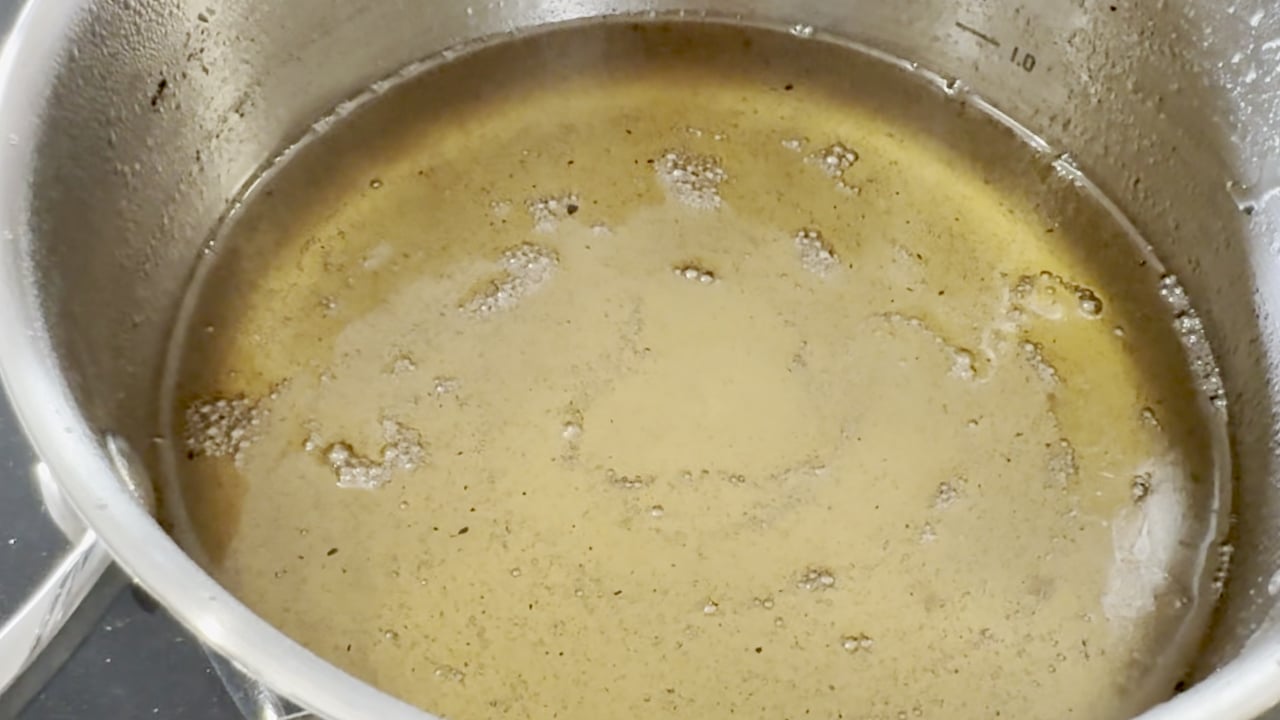
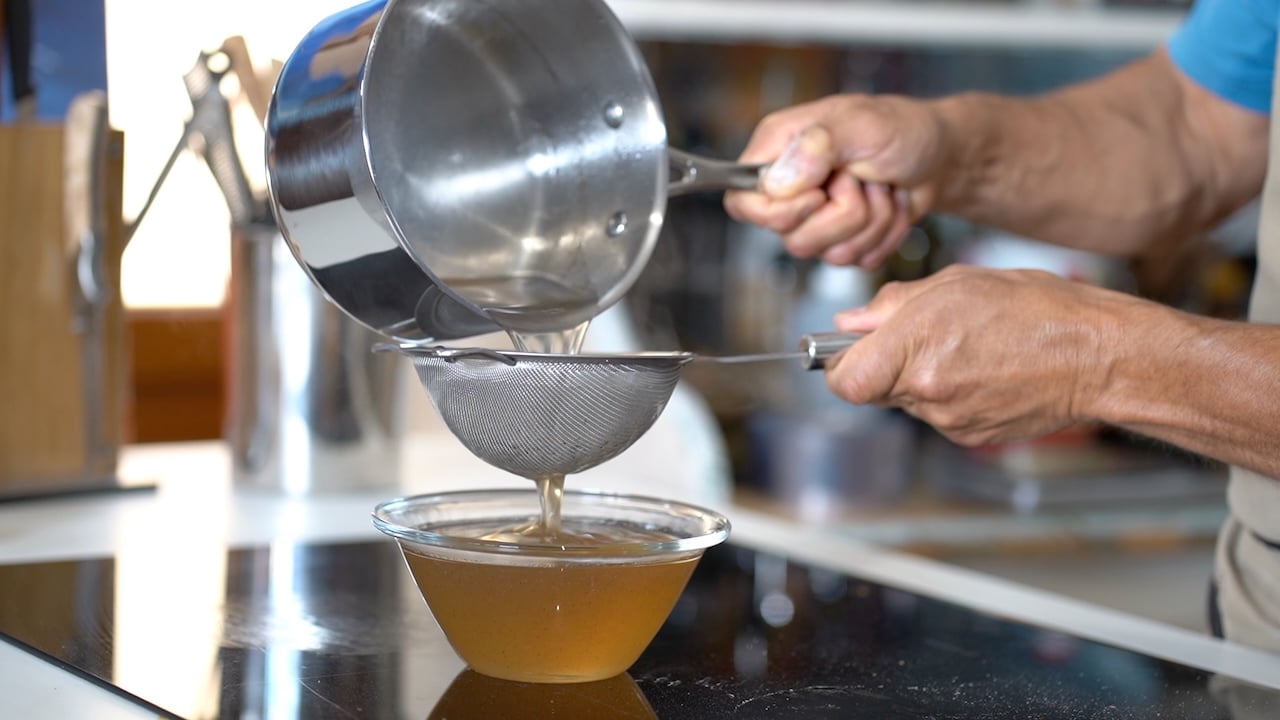
- Pass neutral glaze through a sieve.


How To Use Neutral Glaze
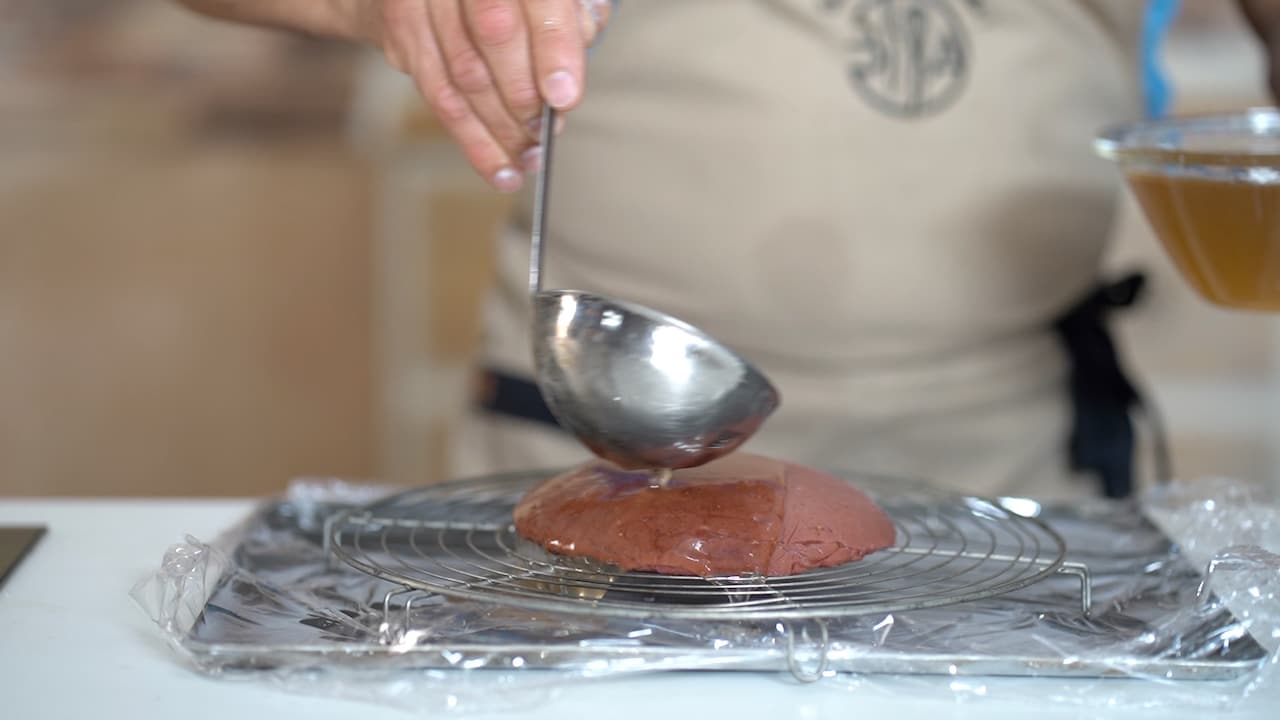
- Use the glaze warm at about 113ºF (40-45ºC). If the consistency remains too thick, incorporate a little simple syrup or fruit liquor or fruit syrup and blend with an immersion blender. Keep the nozzle fully submerged to minimize air bubble formation.

Storage
- Neutral glaze can be refrigerated for up to one month or frozen for a year.
This content is part of the PREMIUM SECTION

This recipe requires a All-content access subscription. The Premium section includes more than 50 essential recipes from French pastry and a special section for mastering artisanal bread.
The Premium section is only accessible with the following subscriptions: "A year at Bruno's table" and "A life at Bruno's table". See the plans here