
Please note that the full access to this content needs a "Year at the table" subscription: please sign up.
Le Pain Poilâne is the legendary, best-in-the-world loaf of bread...
This recipe is a protected and only available for paid members. To obtain the full step by step recipe and detailed ingredients list, please sign up.
Preview the recipe
Refreshing Levain
- In a stand mixer fitted with the dough hook attachment, mix all the ingredients on low speed for 5 minutes. Increase the speed to medium-high and continue mixing for 6–7 minutes. Transfer to a bowl. Cover with plastic wrap, poke a hole in the center, and leave the levain at room temperature for 2 hours.
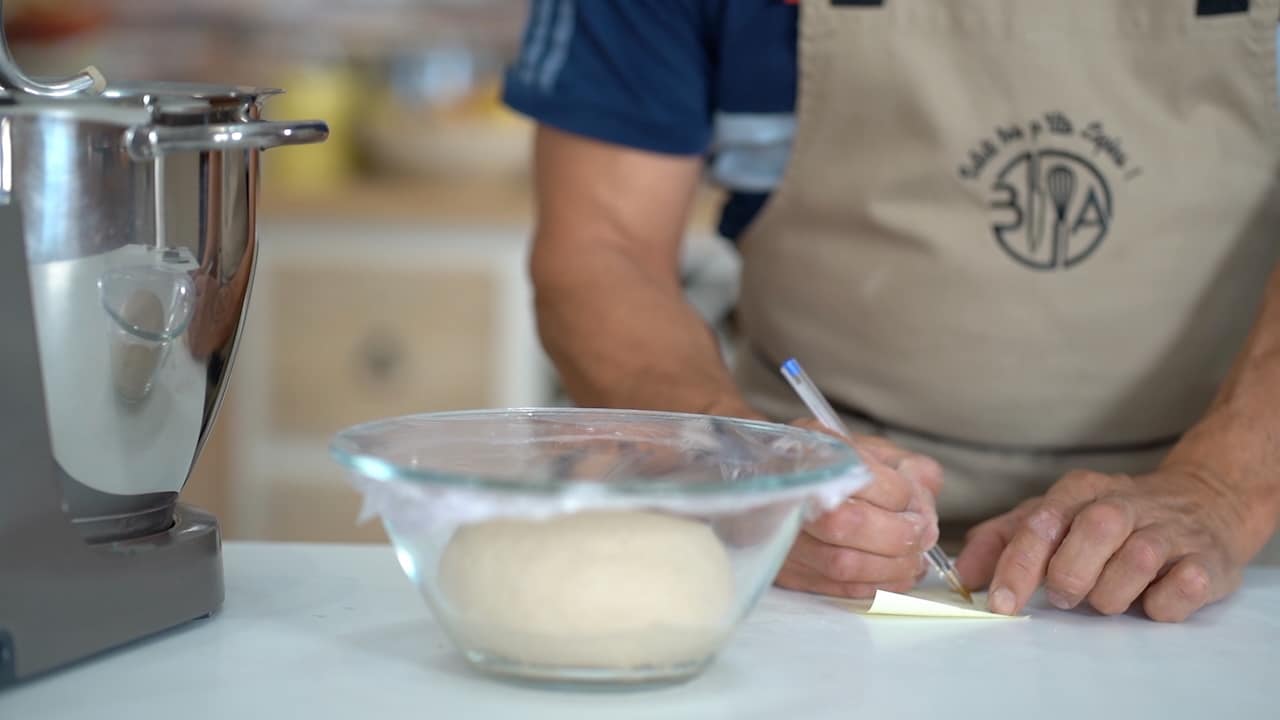
- Then place the refreshed levain in the refrigerator overnight or for up to 72 hours.
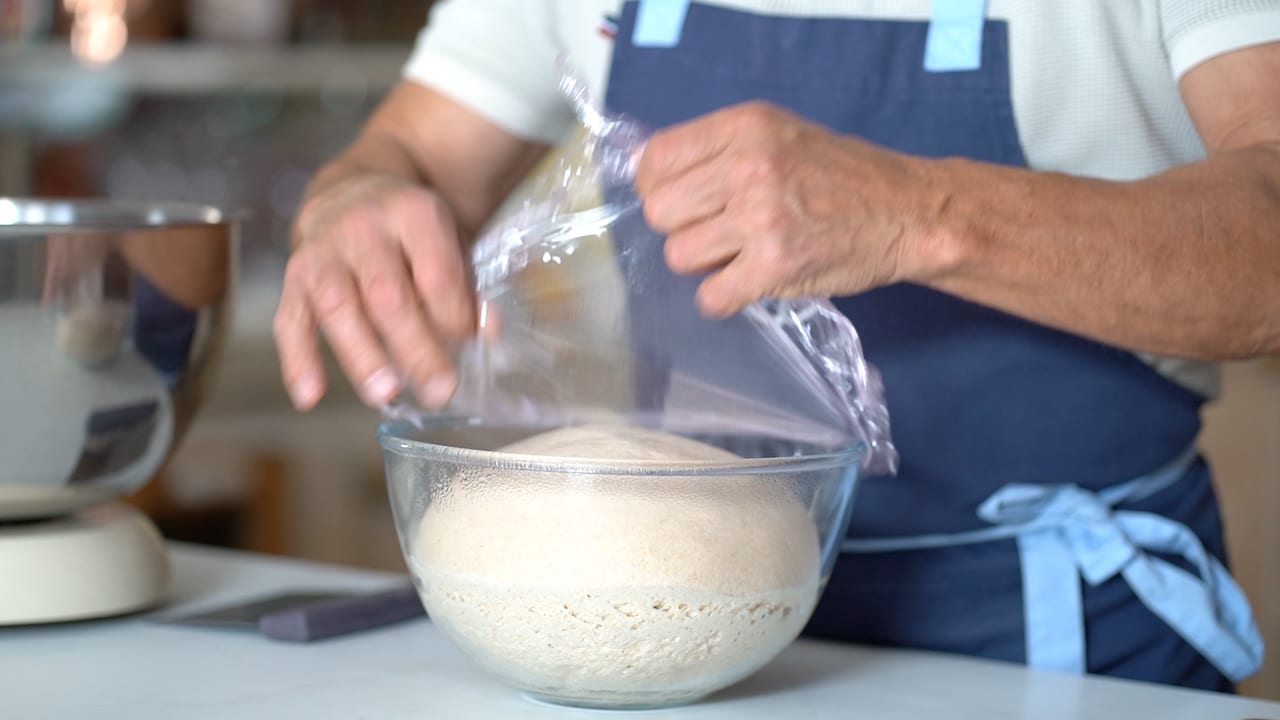


Kneading
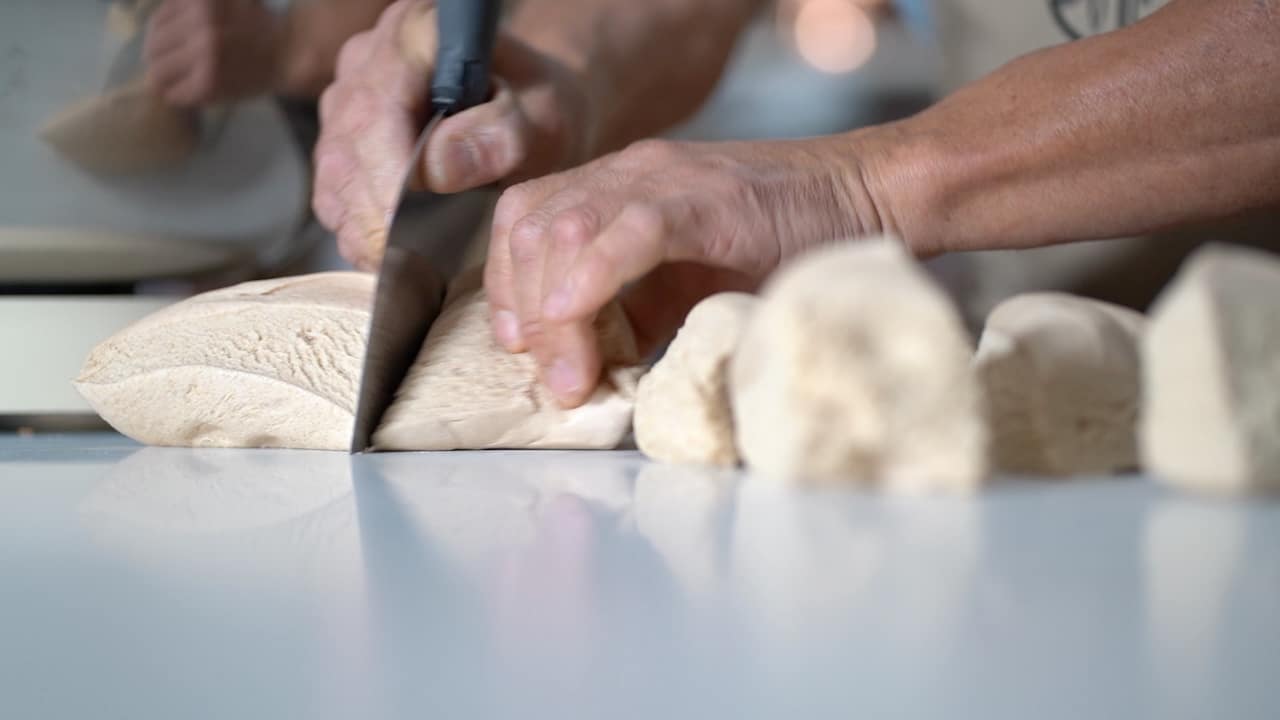
- About an hour before mixing, remove the levain from the refrigerator, cut it into chunks (you should have some leftover; save it if needed to refresh your levain for the batch, otherwise discard it).
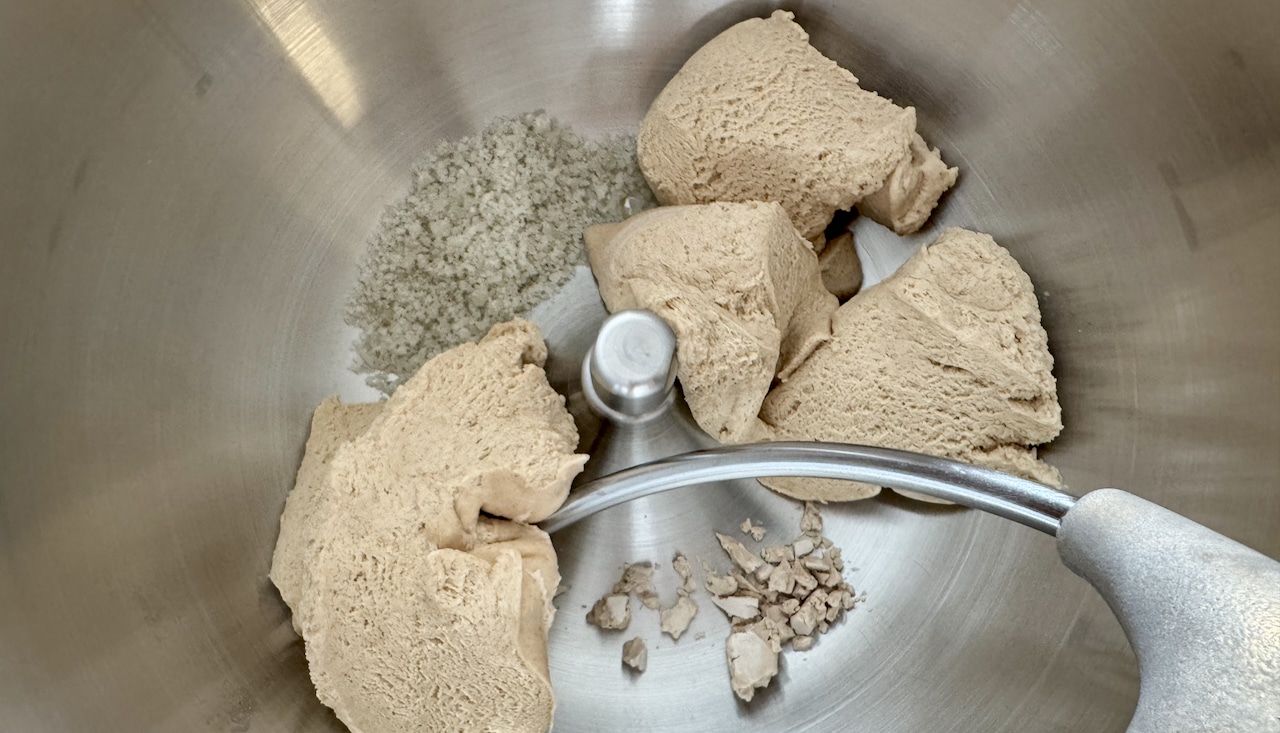
- In the mixing bowl, combine the salt, fresh yeast (making sure the yeast and salt do not come into contact), and levain.
- Pour in lukewarm water.
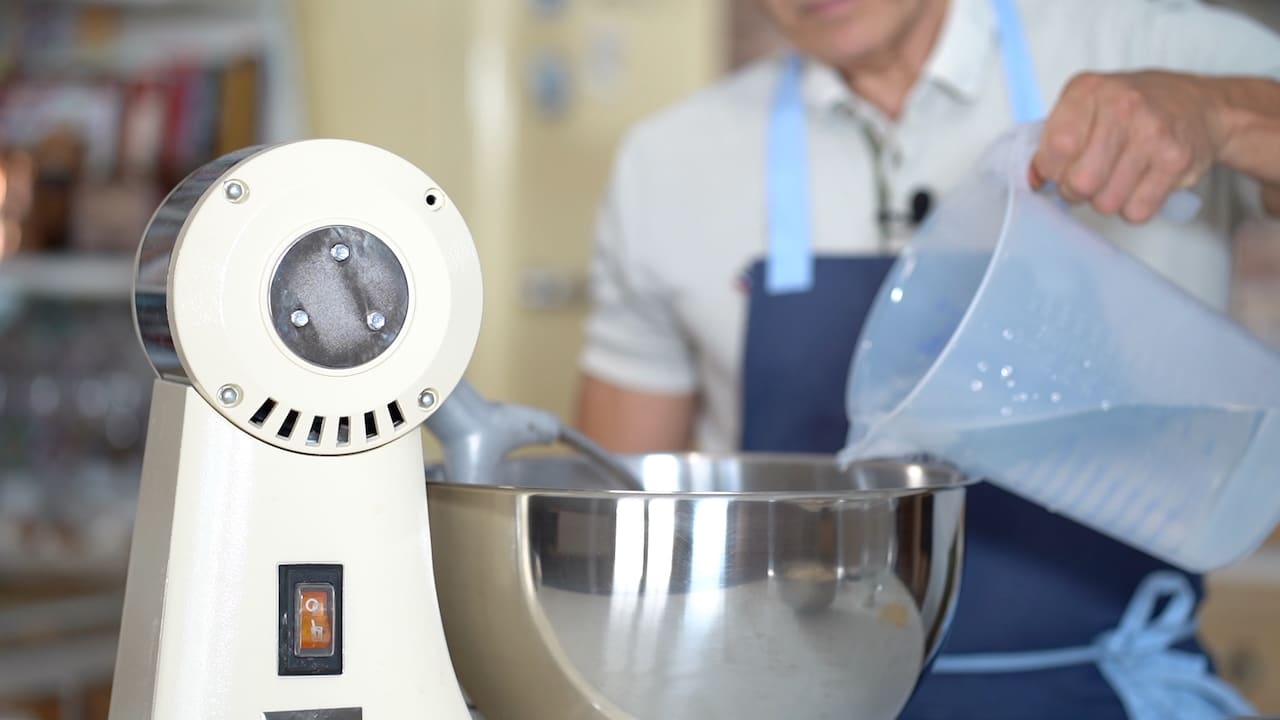
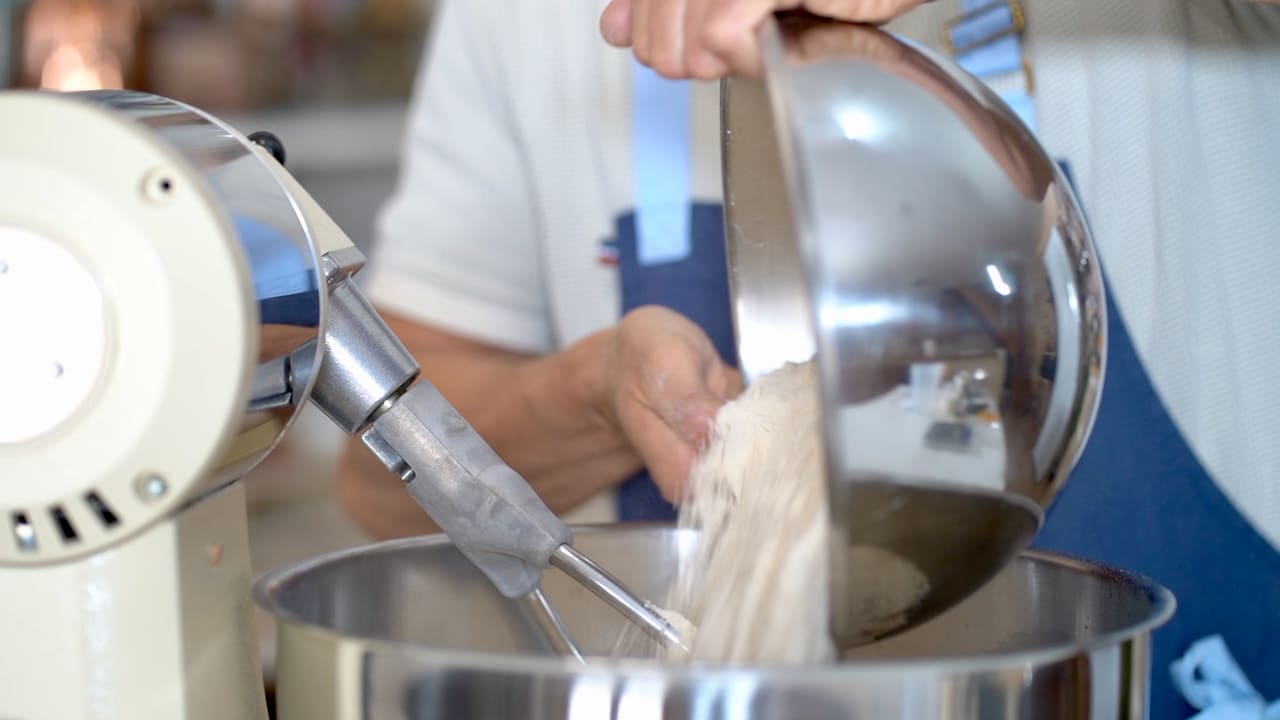
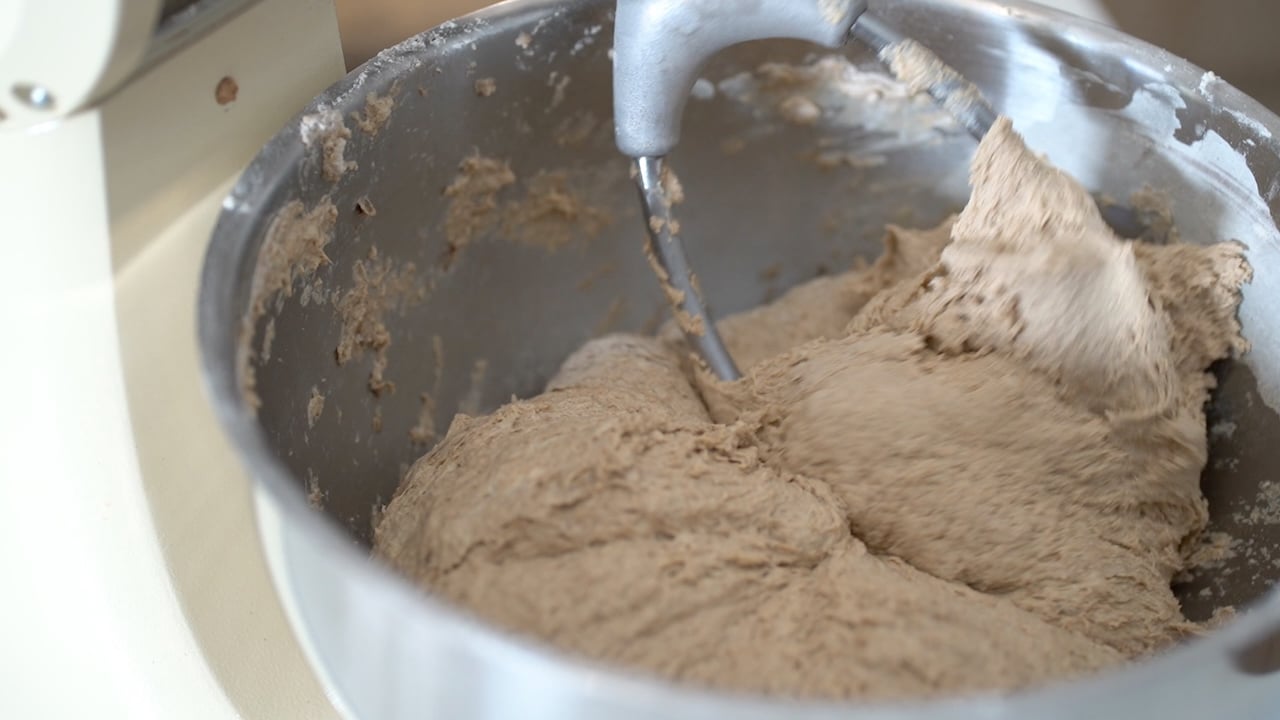
- Add the flours and malt. Turn your kneading machine on and mix for 20 minutes on low speed. The only thing you have to do is stop the kneading machine every so often and scrape down the sides of the bowl and the fork; this helps the ingredients bind together more quickly. Another important thing: since this recipe calls for a slow mixing process and uses low-gluten flours, the dough will ultimately take longer to bind.
- After mixing, don’t expect the windowpane test to break any records—it won’t. However, the gluten network will develop along with the desired aromas during bulk fermentation.Alternatively, mix for 5 minutes on low speed and 5 minutes on medium speed (second speed).
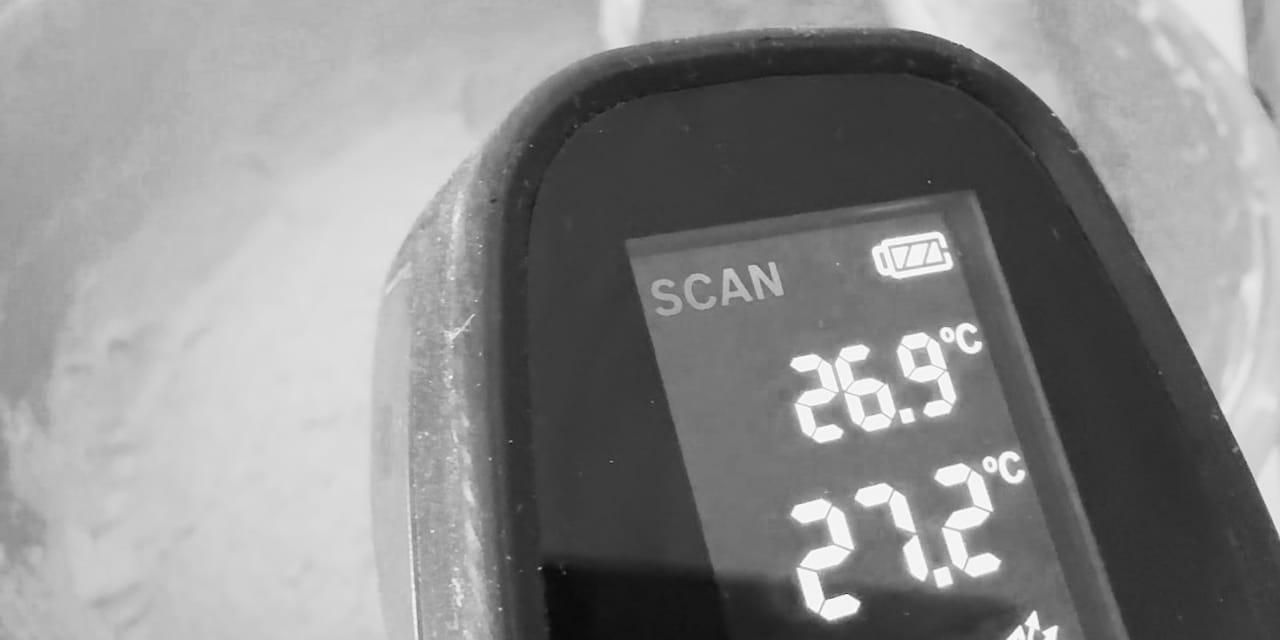
- The internal dough temperature should reach 26-27ºC after mixing. It's a good sign when working with natural levain.


Bulk Fermentation: 2 Hours
- Cover the dough with a damp towel, and let it ferment for 2 hours. This bulk fermentation can take place in the mixing bowl; to degas it, simply turn on the mixer briefly after 60 minutes, then re-cover the dough for 60 minutes more.
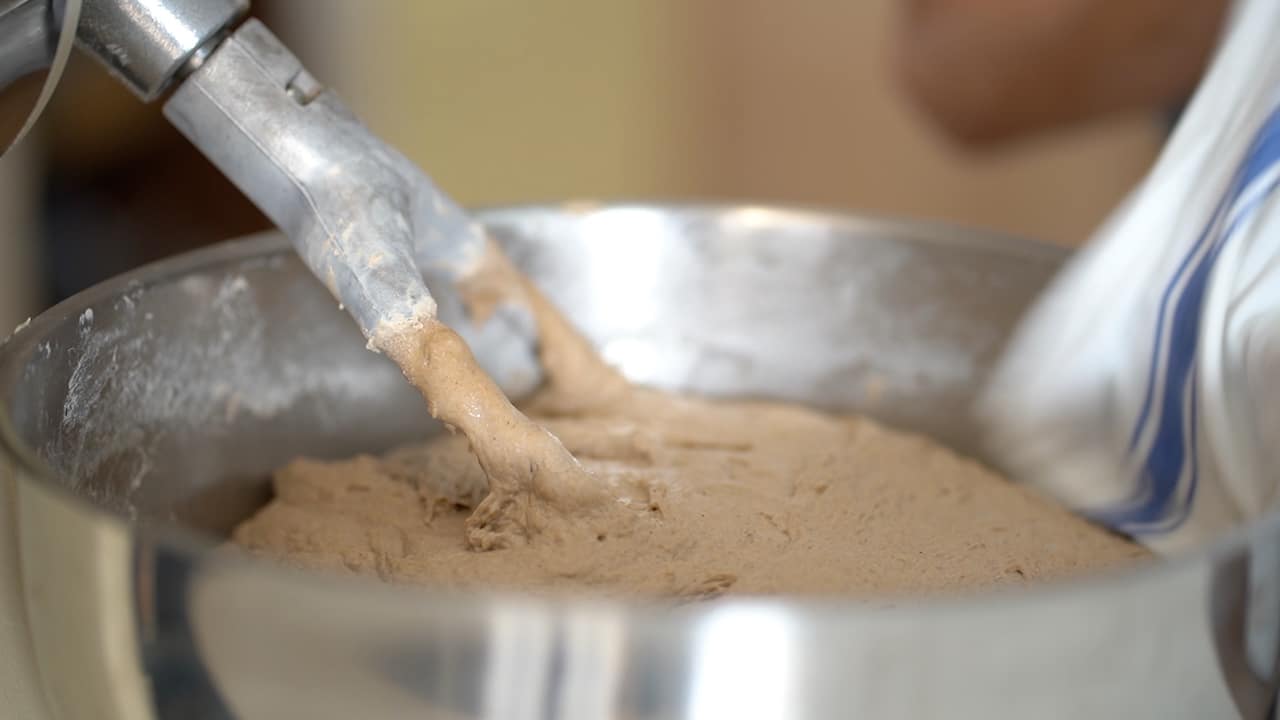

Dividing Dough
- Flour the dough. Use the plastic dough scraper to release it from the edges of the bowl. Gently turn the bowl over (now, the skin is down).
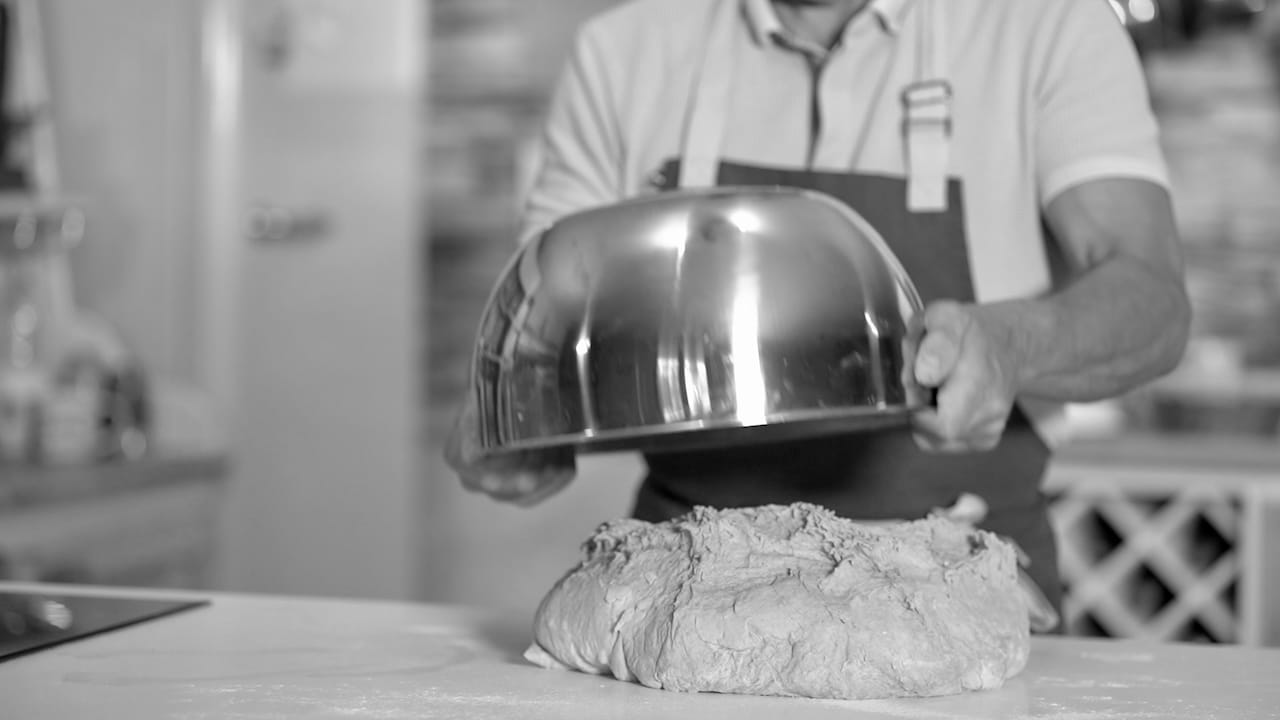
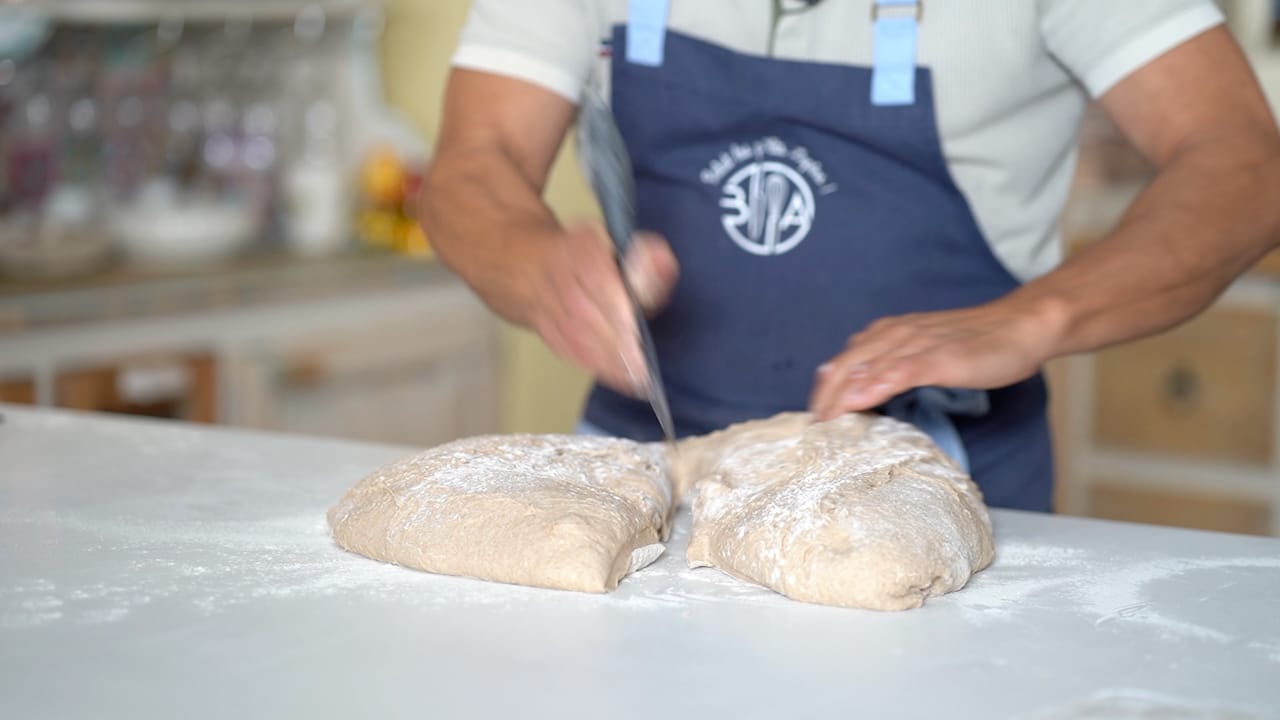
- Cut dough into two 2090g / 4.4 lb portions to make 2 large loaves or make three scaled at 1390g / 3.090 lb. Flour bread baskets.


Shaping
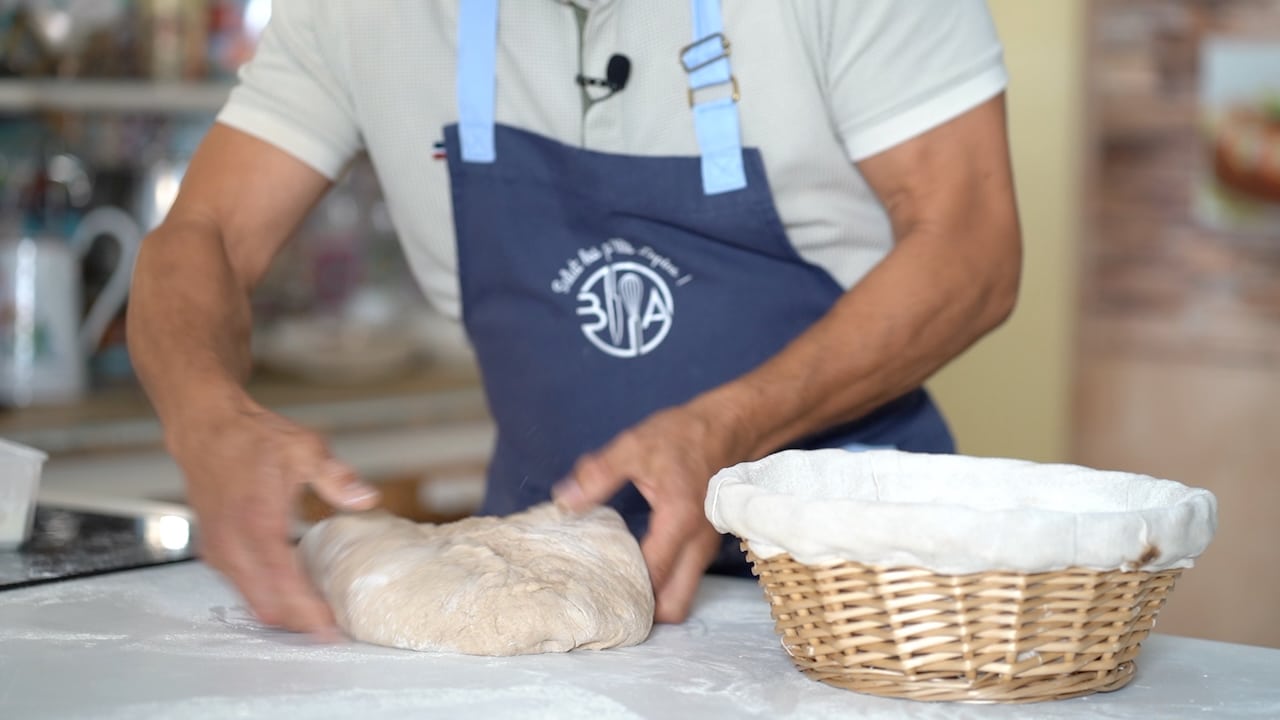
- Avoid degassing the dough, as this has already been done during bulk fermentation. To shape it into a round without overworking the dough (you do want to preserve most of the air bubbles that have developed), fold and press the edges toward the center to form an approximate round.
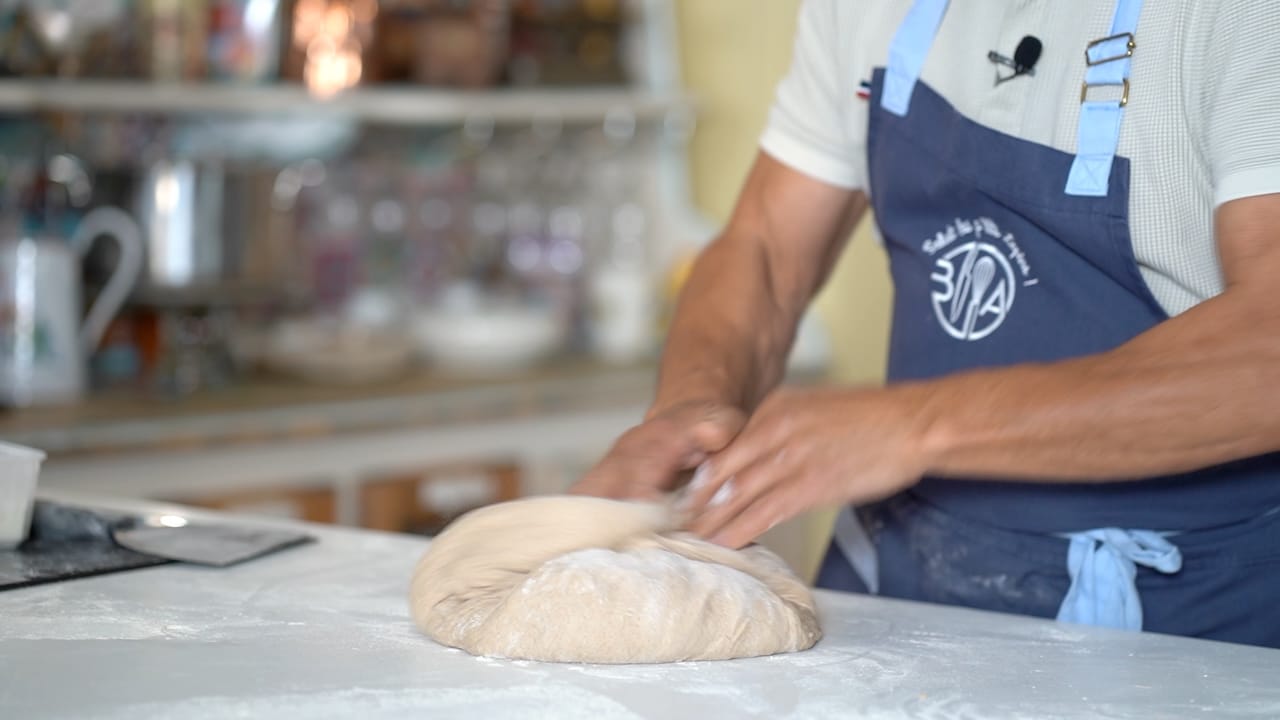
- Place the loaf into the floured bread basket, skin side down. Repeat with the remaining dough.


Proofing
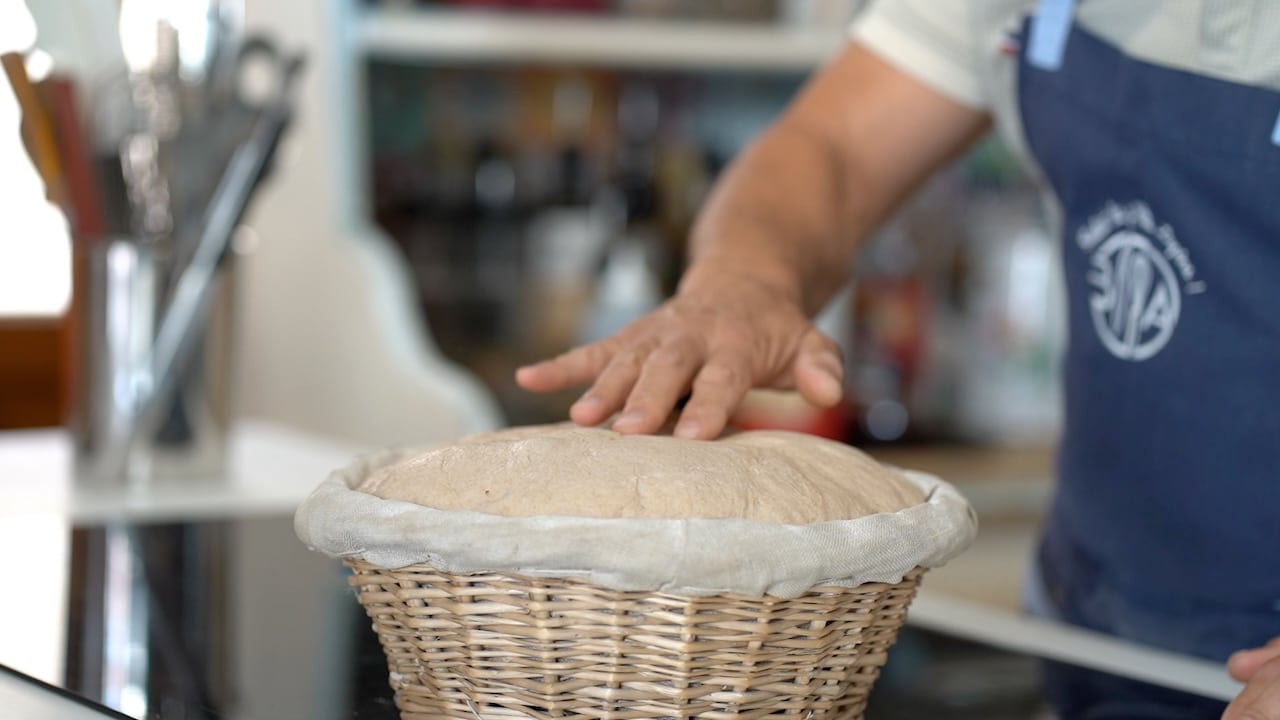
- Cover the bread basket with a damp towel and let the loaves proof for 3-4 hours at 22–23ºC, until doubled in size. Note that halfway through the proofing process, the loaf may be placed in the refrigerator (uncovered) to slow down rising. The loaves can be kept chilled for up to 6 hours.

Preheating Oven
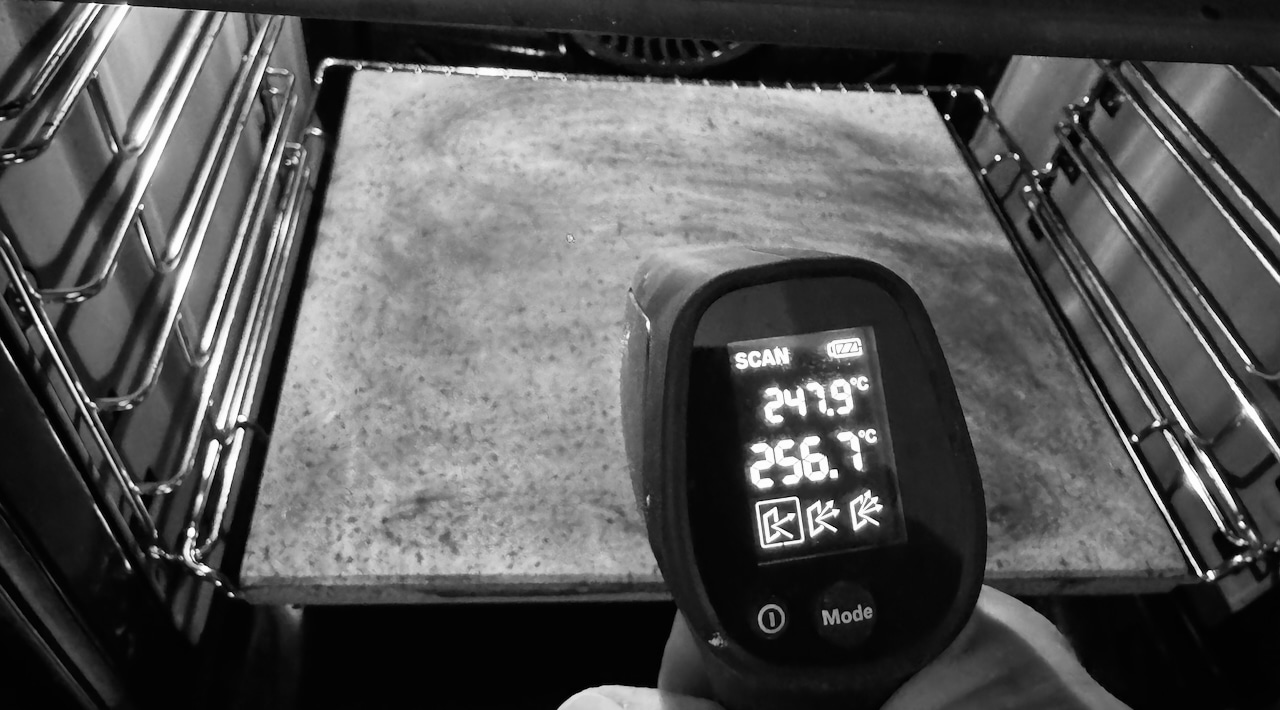
- About 45 minutes before baking, preheat your conventional oven to 250°C (480°F) with a pizza stone placed on a rack in the lower third. The stone must be heated to 250–270°C before flipping the bread.

Baking
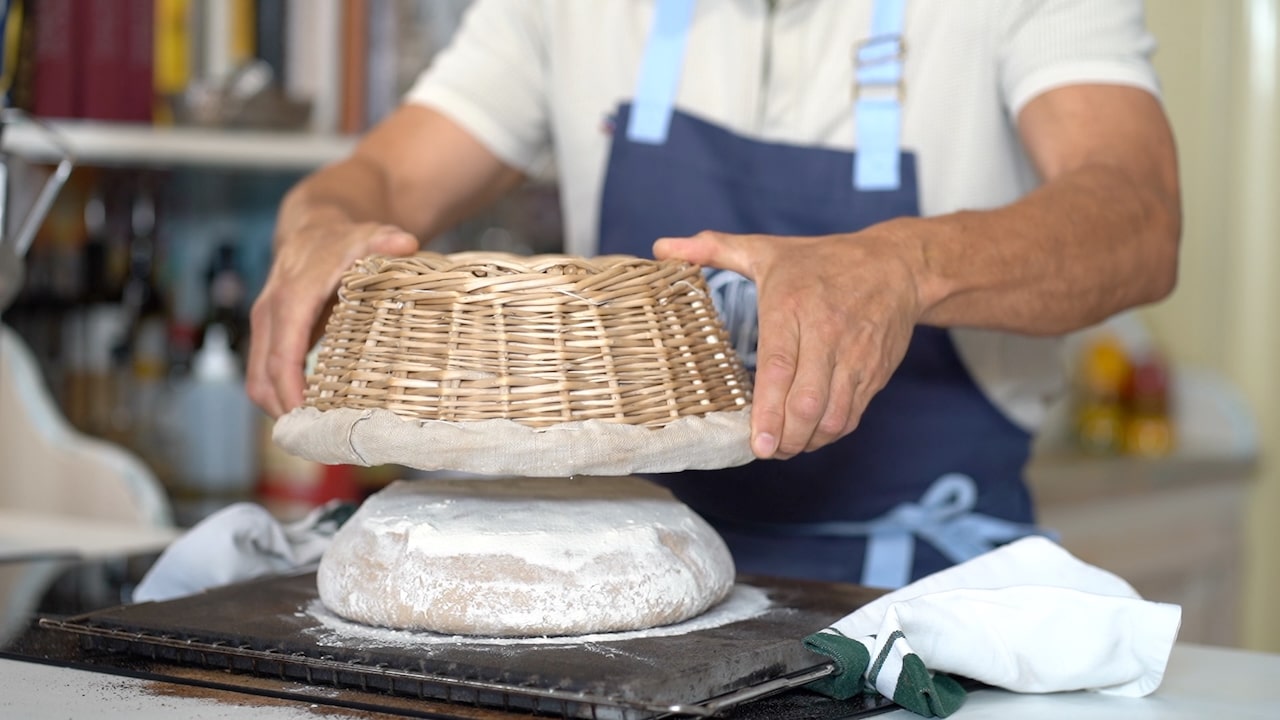
- Flip the proofing basket onto the hot pizza stone to release the loaf. To create steam, immediately spray water into the oven.
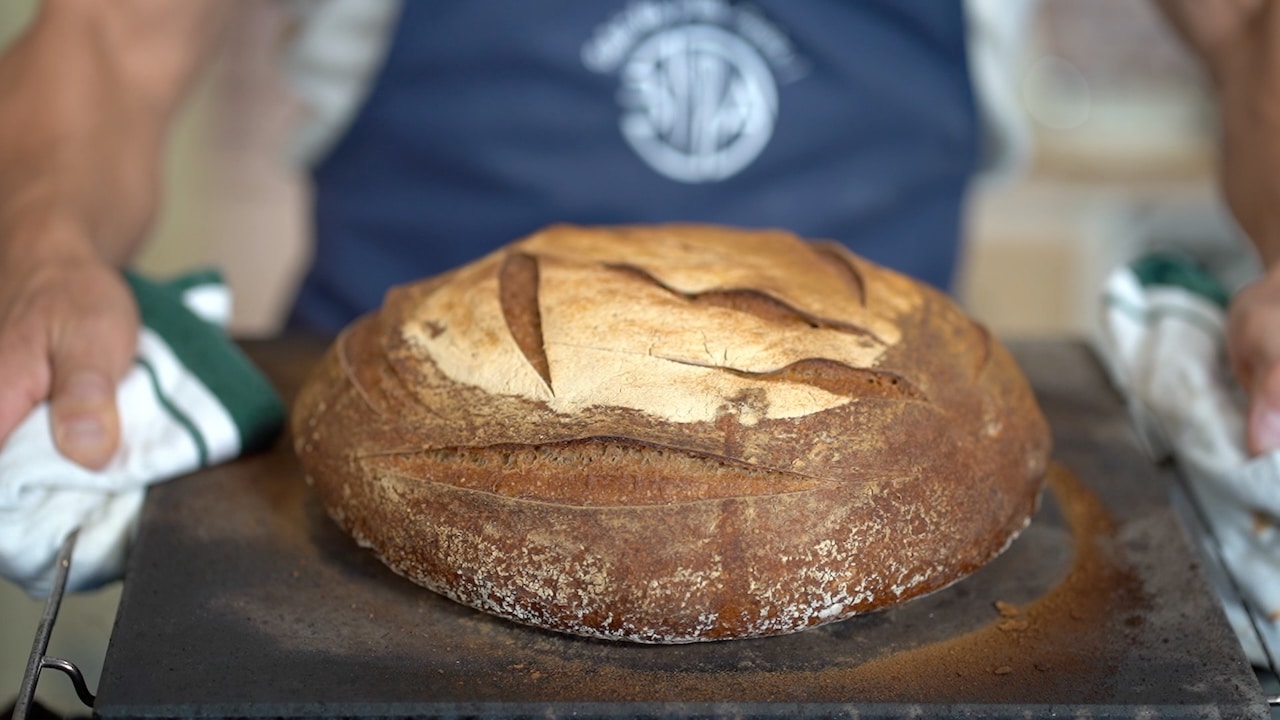
- Bake for 15 minutes at 250ºC, and then reduce the temperature to 205°C (400°F), and continue to bake for 30 minutes. The internal temp should be at 98ºC or slightly under. Turn off the oven, prop the door slightly ajar (be aware of the hot steam that comes out of the oven).
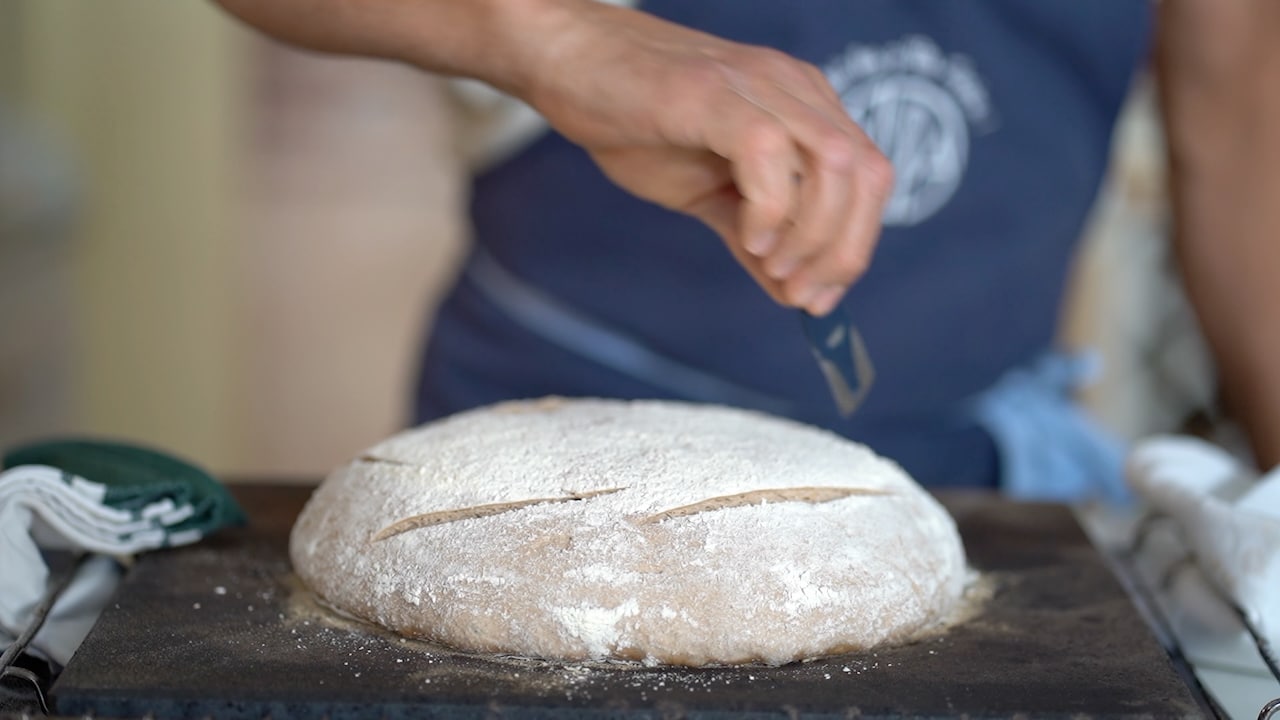
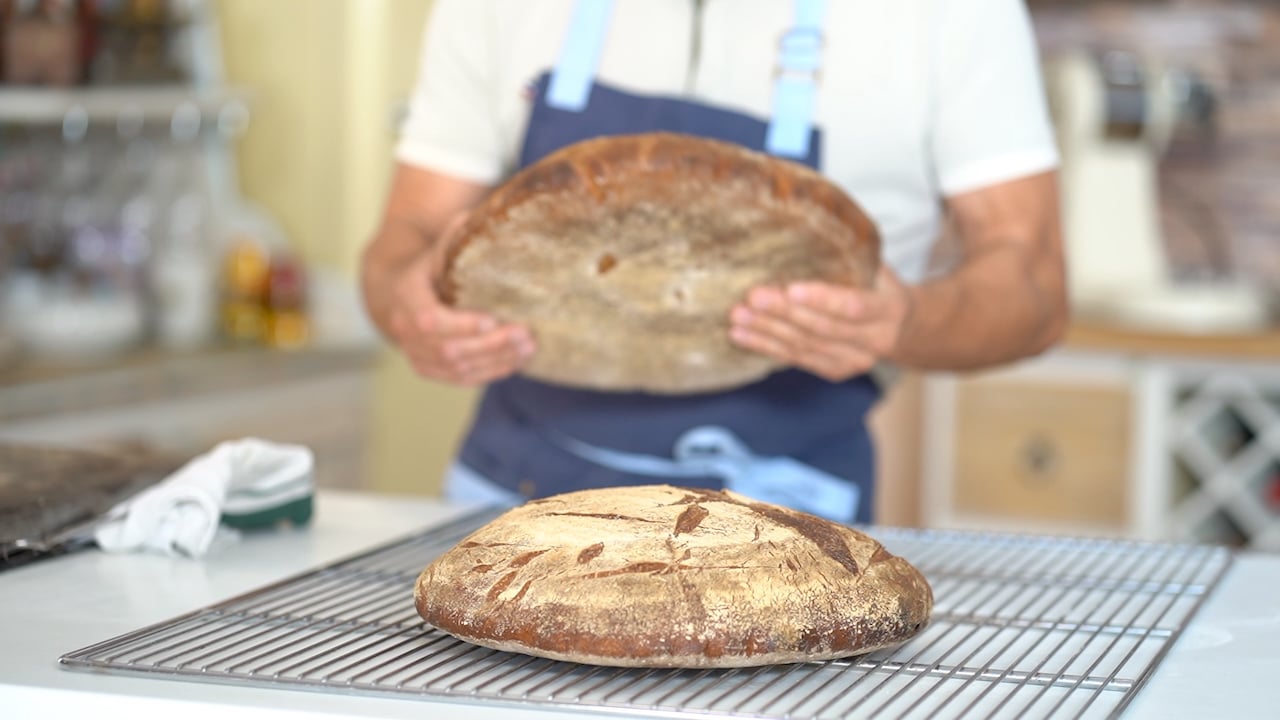
- Let the loaf rest inside for an additional 5-10 minutes. Remove from the oven and let it cool on a wire rack for 4 hours before cutting. Once cooled, the loaf will have lost about 15 percent of its original weight. It should then weigh around 1850g.


Storage
- Properly stored, Poilâne loaf will keep for up to a week (halved) when wrapped in a linen bag, parchment paper, or plastic wrap. For longer storage, it can be sliced, portioned, and frozen for up to three months. To do so, leave the untouched loaf on the cooling rack and wait 12 hours before portioning it and wrapping it for freezing.

Pain Poilâne's Best Uses
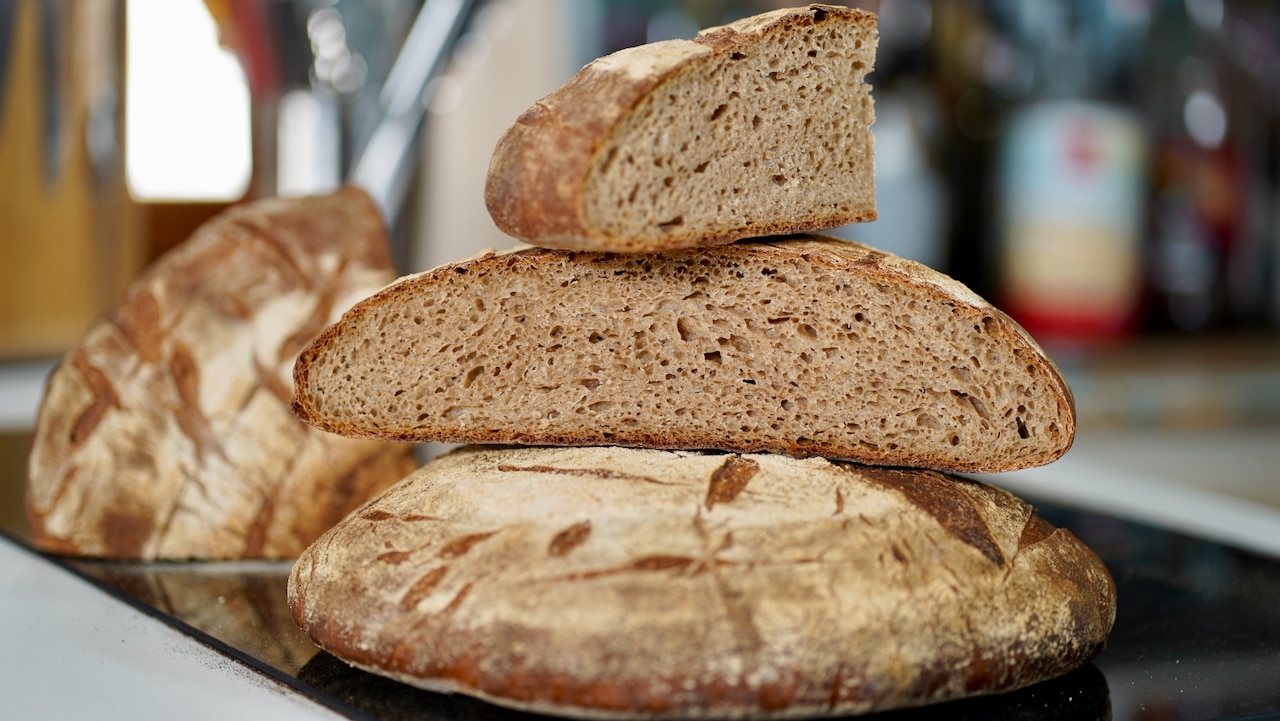
- Thanks to its large size, easy-to-spread crumb, and long shelf life, Poilâne bread first encountered huge success on the menus of Parisian brasseries, bistros, and cafés before being shipped all over the world. It is still served today, but the pace has slowed down due to increased competition and other available alternatives. This bread is definitely as versatile as its cousin, the Ancient Dark Rye Bread. However, the original Poilâne loaf does not contain any rye flour. It pairs with just about any food, even very simple sweet snacks like butter and dusted cocoa powder or preserves. It is excellent for breakfast topped with scrambled eggs, and it pairs well with roasted meats, seafood, cheeses, and vegetables etc...

This content is part of the PREMIUM SECTION

This recipe requires a All-content access subscription. The Premium section includes more than 50 essential recipes from French pastry and a special section for mastering artisanal bread.
The Premium section is only accessible with "A year at the table" subscription. Discover it with special first year discount.