
Please note that the full access to this content needs a "Year at the table" subscription: please sign up.
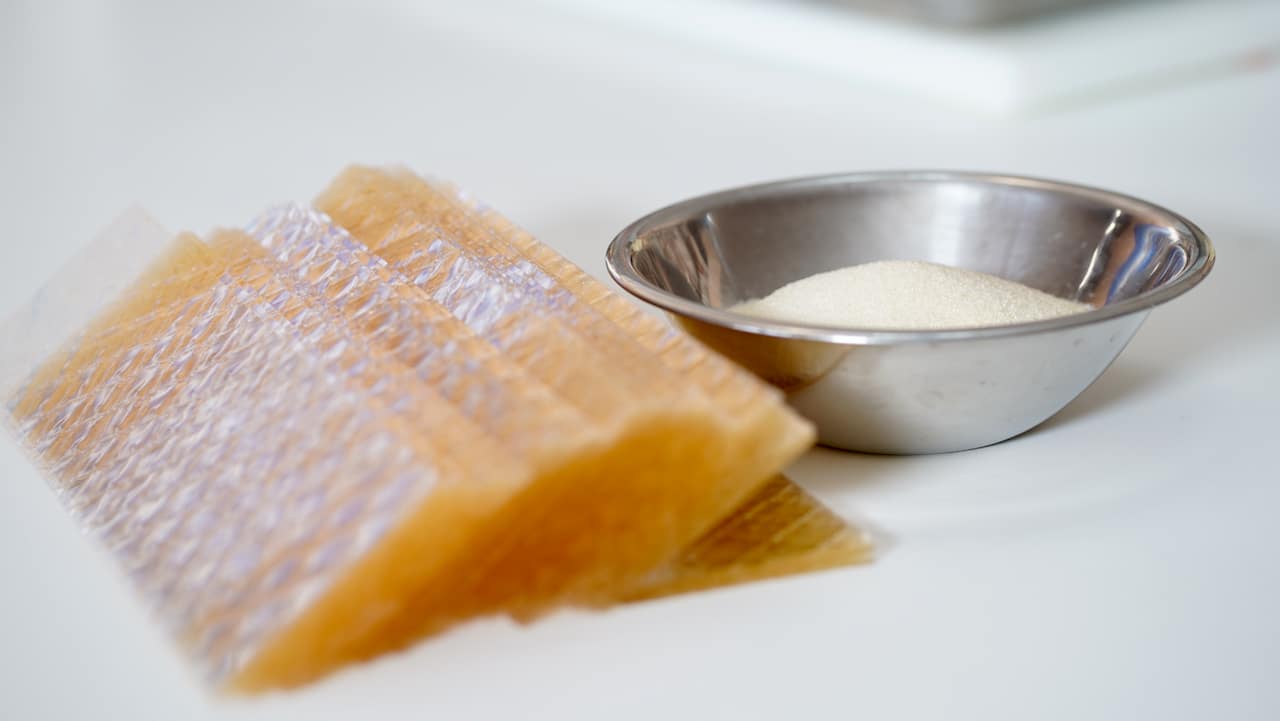
Gelatin sheets vs powder
This recipe is a protected and only available for paid members. To obtain the full step by step recipe and detailed ingredients list, please sign up.
Preview the recipe
How To Use Gelatin
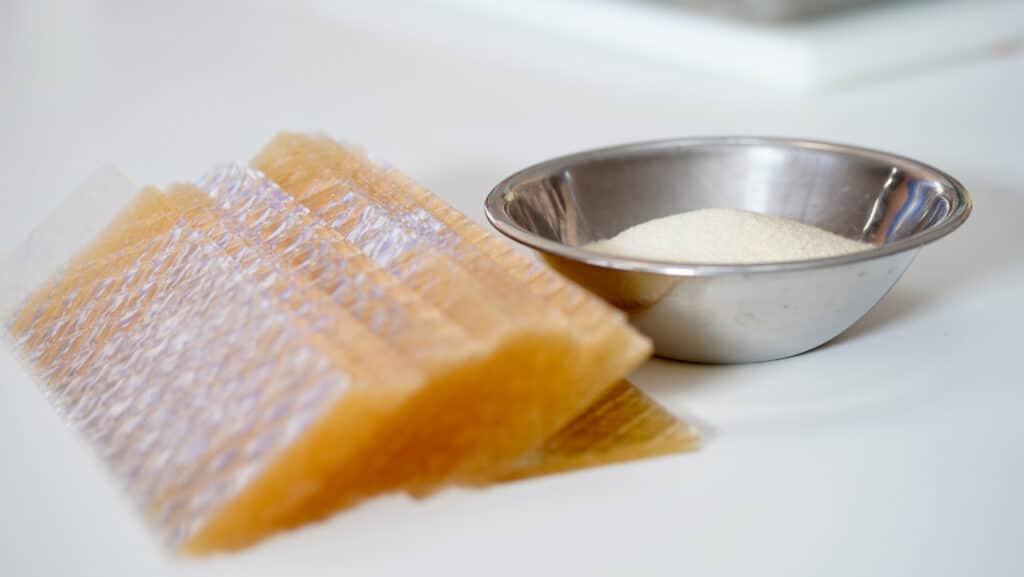
- When it comes to working with gelatin in cooking, there are two primary forms to choose from: gelatin powder and gelatin sheets. Both have their own advantages and can be used in various recipes to achieve the desired texture and consistency. Gelatin powder, also known as gelatin mass or "masse gélatine" in French cuisine, is a convenient option for many chefs. This form of gelatin is easy to work with, as it can be dissolved in cold water to create a gelatin mixture that sets when cooled. One of the main advantages of using gelatin powder is that it can be prepared in advance and stored for later use. This means you can easily portion out the amount of gelatin you need for a recipe without having to worry about counting and soaking individual gelatin sheets each time. On the other hand, gelatin sheets are made by drying gelatin into flat, thin sheets. To use gelatin sheets, they need to be rehydrated in cold water to soften before adding them to a recipe. While gelatin sheets require a bit more preparation compared to gelatin powder, some chefs prefer the control and precision they offer.
- Gelatin mass consists of two ingredients: gelatin powder and water. The ratio is usually 1 to 6 times its weight: 1 part gelatin to 6 parts water. For example, if you are using 2 grams of gelatin powder, you would use 12 grams of water to hydrate the powder to make the mass. Total weight: 12+2=14g. NOTE: If a recipe calls for 2g of gelatin, it always refers to gelatin sheets unless specified as such: 14g gelatin mass (2g gelatin powder dissolved in 12g water).


What Is Gelatin Bloom Strength?
- One interesting aspect of gelatin is the variety of types available, including gold, silver, and bronze. These different types of gelatin vary in strength and are commonly found in both powder and sheet form. Among the three types, gold gelatin is the most commonly used in cooking. It typically has a bloom strength of 190-220 and is often sold in sheet form, with each sheet weighing around 2 grams. Gold gelatin is favored by chefs for its reliable gelling capabilities and its ability to add a smooth and creamy texture to dishes.
Gelatin Substitutes
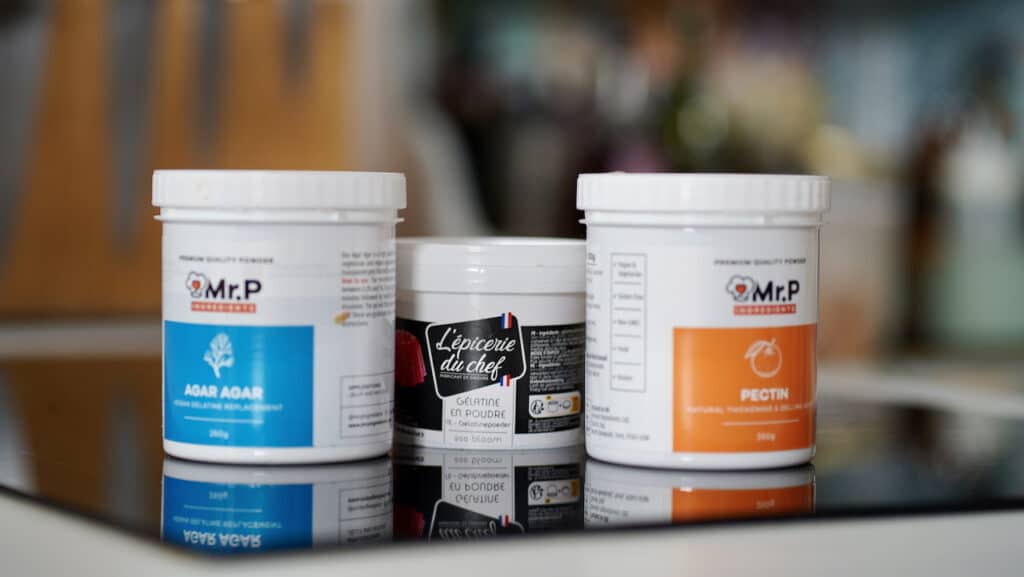
- Gelatin is a natural setting agent that turns liquid into gel. There are some gelatin substitutes out there. However, gelatin has unique properties that cannot really be matched. It enhances texture and stabilizes fillings that need to be frozen. Agar-agar is a vegetarian gelatin substitute produced from a variety of seaweed vegetation. Unlike gelatin though, agar-agar can be cooked. As a general rule, you can substitute powdered agar for gelatin in equal amounts. Other well known substitutes for gelatin are pectin, corn starch and xanthan gum.

Dissolving Gelatin Powder
- To start, the key to blooming gelatin is to use cold water, preferably from the refrigerator. Take a small bowl and pour the cold water in it. Sprinkle the gelatin over the cold water while gently whisking with a spoon. It's important to sprinkle the gelatin evenly to ensure it hydrates properly. Next, set the bowl aside for about 5 minutes, or until the gelatin becomes spongy. During this time, the gelatin will absorb the water and swell up, which is crucial for it to dissolve evenly in your recipe later on. This process is known as blooming, and it helps activate the gelatin's gelling properties. Once the gelatin has bloomed and is spongy to the touch, it is ready to be used in your hot mixtures. Remember, never boil gelatin directly, as high heat can cause it to become stringy and lose its thickening properties.
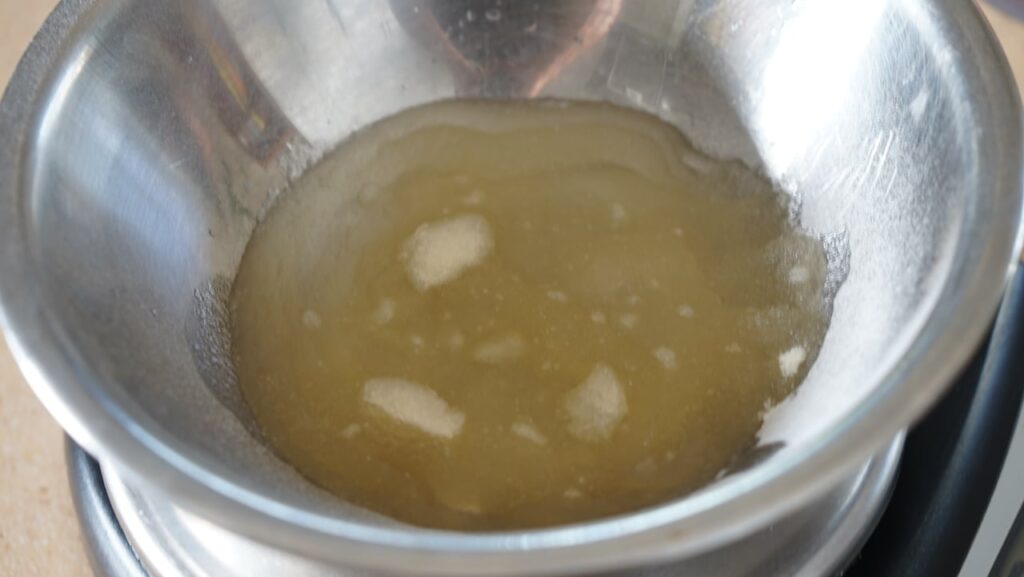
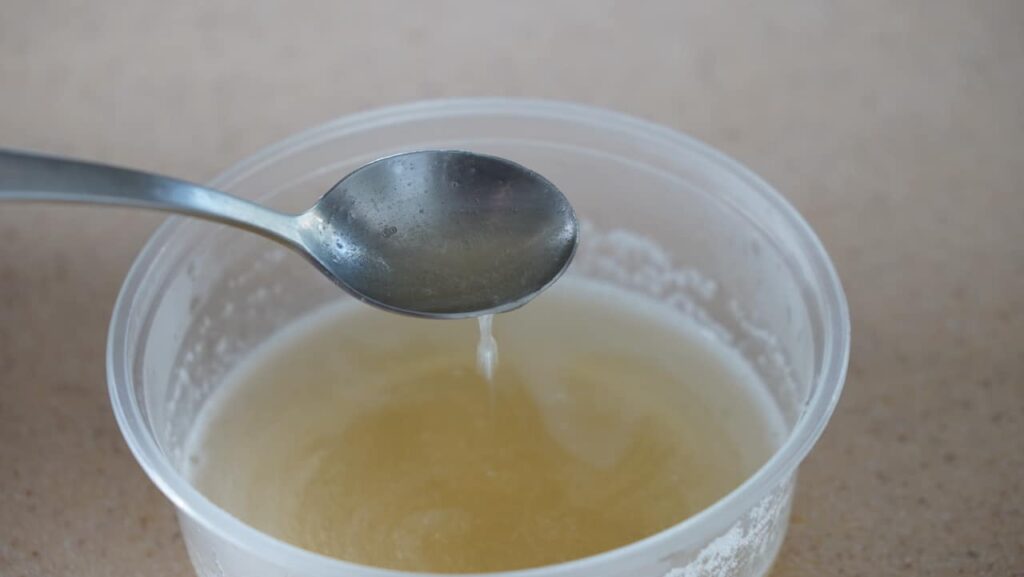
- To turn re-hydrated gelatin into a melted liquid, place it in the microwave for a few seconds. Melted gelatin is used for specific recipes when some mixtures such as meringue or mousse aren't warm for the gelatin to dissolve properly.


This content is part of the PREMIUM SECTION

This recipe requires a All-content access subscription. The Premium section includes more than 50 essential recipes from French pastry and a special section for mastering artisanal bread.
The Premium section is only accessible with "A year at the table" subscription. Discover it with special first year discount.


