
Please note that the full access to this content needs a subscription: please sign up.
An amazing bread
This recipe is a protected and only available for paid members. To obtain the full step by step recipe and detailed ingredients list, please sign up.
Preview the recipe
Levain
- Mix levain, water, flours and salt for 8 min on low speed. Cover and leave to ferment at room temperature for 24 hrs or up to 48 hours. *For such a long fermentation process, salt acts as a preservative and inhibits growth of undesirable yeasts, molds, and bacteria.
Mixing Dough
- Makes 2x1700g loaves. Use a 7 qt/L heavy duty mixer. In the mixer with the sour levain, pour in hot water, salt, flours and yeast. Mix on low speed for 10 min; scraping the dough off sides and hook as it goes. Remove the hook and smooth out the surface of the dough using a wet dough scraper. The internal dough temp should be at: 90/95ºF (30/35ºC).
Fermentation
- Cover and let fermented 90 min. Flour 2 bannetons and carefully, scoop out dough with wet hands and dough scraper; divide into 2 loaves; even up the surface and cover. Leave at room temp 20 min and refrigerate 20/30 min prior baking to relax; the surface of the loaves should begin to fissure / crack.
Baking
- As for baking bread goes, a pizza stone is highly recommended. Position rack in the lower third of conventional oven or on baking setting only with an upside-down baking tray or a pizza stone to create more thermal mass. Preheat oven to 550ºF/290ºC). Flour surface of dark rye bread and flip onto the hot pizza stone and immediately spray water to create steam. Bake at 550ºF (290ºC) for 5 min – then, lower temperature to 450ºF (230ºC); continue to bake for 45 min more. Then, lower oven temp to 425ºF (220ºC) and continue to bake for 10 min more. Turn oven off, leave the door adjar and leave bread for 8 min to dry out. Total baking time: 5+45+10=60 min. Let cool dark rye bread on a cooling rack for half a day before slicing. Better a day after. It can be kept for a week. Enjoy!
*To Make Levain
- Make 300g of fresh organic apple juice or grapes; drain and discard the pulpe.Place juice in a small jar and cover tight with wrap; poke a small hole in the center. Place jar near a heater or warm area 77/95ºF (25/35ºC) for 3 days or until fermentation is activated. During winter time, a pinch of instant yeast can be added to to the juice.
Levain Chef
- Mix fermented juice and flour. Cover with plastic wrap, poke the center and leave at room temperature 72/85ºF (22 to 28ºC) for 24 hours.
Levain #2
- Mix and cover with plastic wrap, poke the center and leave at room temperature 72/85ºF (22 to 28ºC) for 12 to 16 hours.
Levain #3
- Total weight: 780g. Mix for about 6 min on low speed. Cover with plastic wrap, poke the center. Leave at room temp for 6 hours and chill overnight. Then, the levain is ready. For your first sourdough bread, always save enough levain to be refreshed for the next day.
Store & Refreshing Levain
- Mix 6 minutes on low speed. Cover with plastic wrap, poke the center and leave at room temperature for 2 hrs and chill. Professional bakers refresh levain every day. Though at home is unlikely unless you bake bread daily. Levain should be refreshed twice a week. A pinch of salt can be added in the levain to slow down fermentation and thus expand its life.Feeding a sourdough starter involves combining levain, flour and water in a particular ratio to ensure the levain has the “food” it needs to stay healthy and active.If the levain lack of acidy, refresh it and leave it at room temp for 12 hours and chill. Repeat this step if needed.
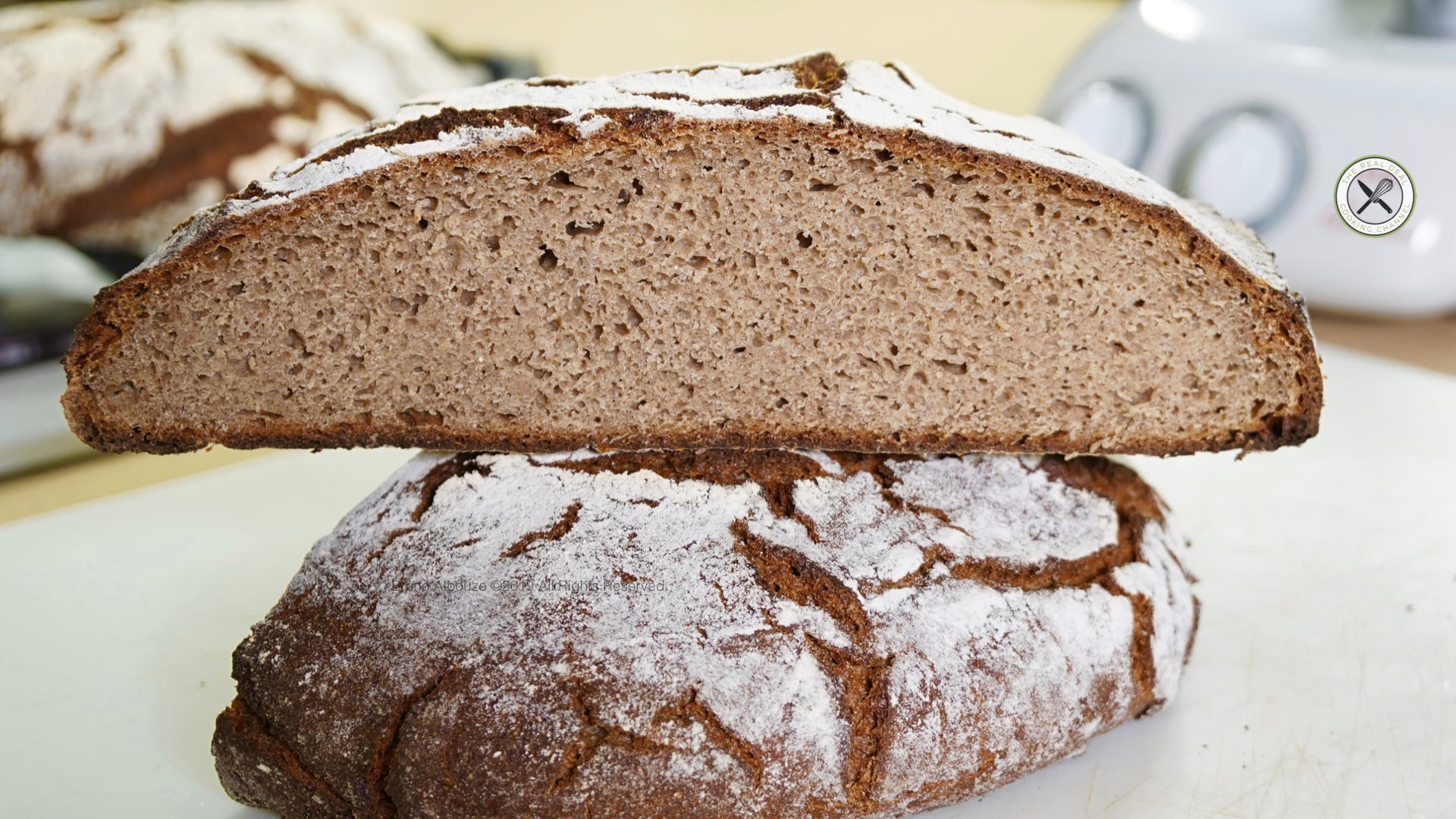
Ready to discover this recipe? You're only 1 step away.
This recipe is only accessible to registered members!
Create your account to access all recipes and content of my website.
Join us now and enjoy more 800 recipes (Mostly French with European Influences, American Classics and Asian fusion)
Already register? Sign in


Desserts
Spicy Chocolate Bar

Entrees
Deboning A Poularde Leg
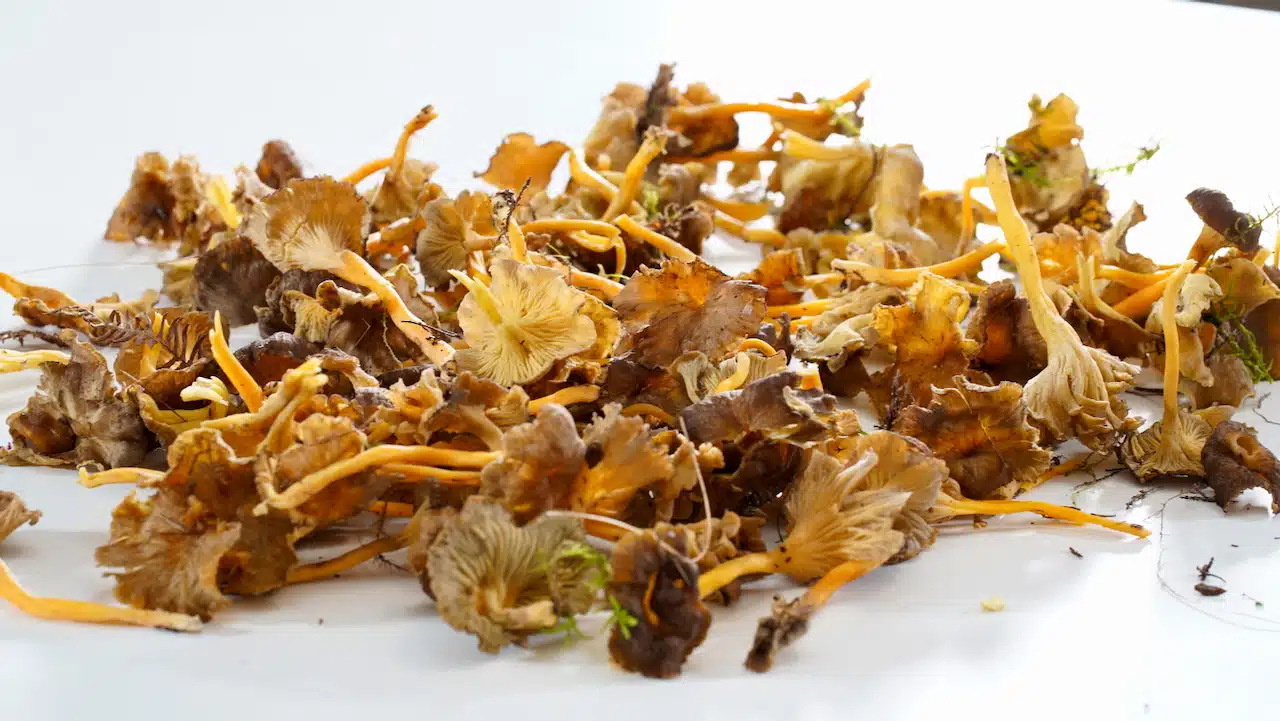
Free Recipes
Chanterelle

Bread
Panettone Perdu

Free Recipes
Mustard Fig Spread

Free Recipes
Poularde Demi-Glace

Free Recipes
Chestnut Paste

Breakfast
Cronut

Entrees
How To Cut Potato Gratin

Cooking techniques
Deboning A Turkey Leg

Entrees
Rustic Ratatouille

Daily summer Recipe
Plum Slab Pie
