
Please note that the full access to this content needs a subscription: please sign up.
A silky-smooth delicacy
This recipe is a protected and only available for paid members. To obtain the full step by step recipe and detailed ingredients list, please sign up.
Preview the recipe
What is Curing Salt
- Curing salt, pink salt or Prague powder helps to preserve meat as it prevents or slows spoilage by bacteria or fungus.
Preparing Loaf Pans
- To prepare the loaf pans, spray them with cooking spray, then line with parchment paper. Lightly grease the parchment-lined pans as well, wiping off any excess. Refrigerate the prepared pans until ready to use.
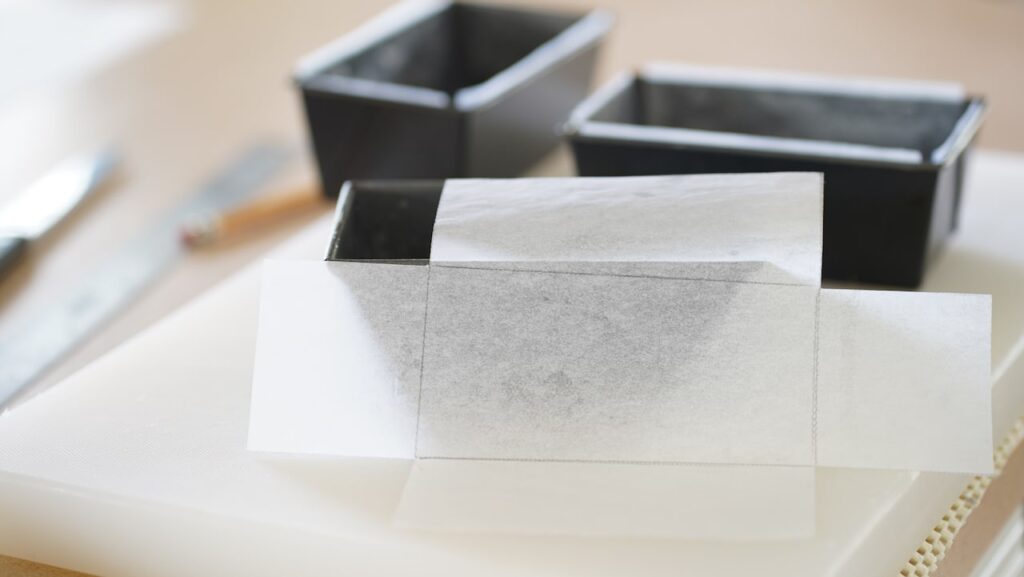

Chicken Liver Mousse
- Melt the butter over low heat, then keep it warm at 100ºF/38ºC until needed. In a small bowl, combine the salt and pepper and set aside. Mince the shallots and set them aside. To clean the chicken livers, drain them and carefully trim away any connective tissue. Discard the tissue along with any impurities or blood spots. Place the cleaned livers on a paper towel–lined tray and refrigerate until ready to use.In a large skillet, sweat the shallots over medium heat for a couple of minutes until fragrant. Add the livers, season with some of the salt and pepper mixture, and sear for about 1 minute over high heat—do not cook through. Immediately transfer the seared livers to a parchment-lined baking tray. Freeze for 15 minutes, then refrigerate until ready to use.

- In a high-powered blender (a food processor will not achieve the same silkiness), combine the cold livers, eggs, remaining salt and pepper, curing salt, brandy, and lukewarm butter. Blend on low for 20 seconds, then increase to full speed and blend for no more than 60 seconds. Avoid overmixing, as prolonged blending can generate excessive heat from blade friction, which may cause the mixture to turn gray. Strain the liver mixture through a fine sieve or chinois.
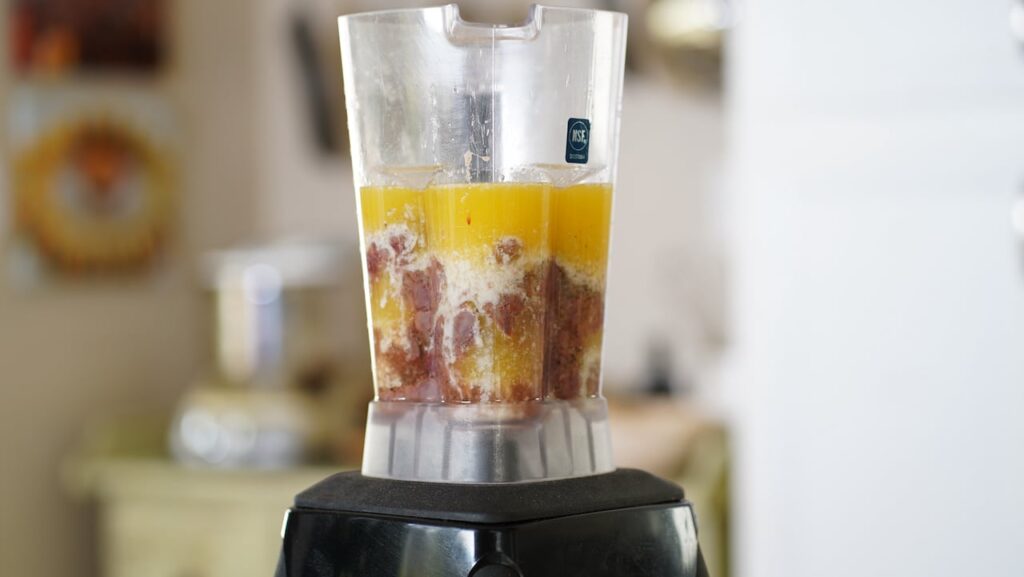
- Carefully fill the prepared molds or jars with the mixture. Gently tap each mold on the counter to release any air bubbles. Refrigerate for at least 2 hours before cooking.


Cooking
- Preheat the oven to 325°F (160°C). Bring a pot of water to a boil. Place the chilled pâté molds in a shallow baking dish. Carefully pour the hot water into the dish around the molds to create a water bath (bain-marie). Cover the top with another baking tray or heavy-duty aluminum foil. Bake in the preheated oven for 20 minutes. Remove the cover, turn the oven off, and let the pâté rest in the oven for another 10 minutes, or until the center is just set and no longer jiggles. The internal temperature of the chicken livers should reach at least 154.4°F (68°C).Transfer the pâté to a cooling rack and let it cool for 30 minutes. Then, refrigerate for at least 12 hours to set completely.


To Un-Mold Liver Parfait
- Briefly warm the bottom of the pan with a blowtorch, or by dipping it in hot water and invert onto a tray. Remove the parchment paper. Keep the pâté refrigerated until ready to glaze.
Storage
- Chicken liver pâté can be stored, wrapped and unglazed, in the refrigerator for several days or in the freezer for 3 months.
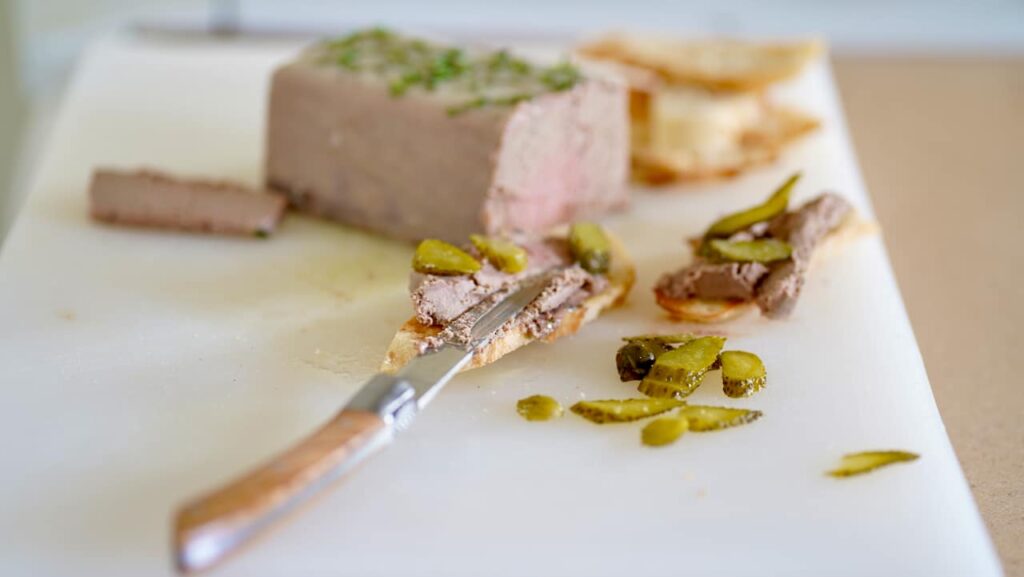

Glazing With Duck Fat
- Glazing the pâté with duck fat will improve its flavor and help prevent it from drying out. Pork fat or tallow could also be used in place of duck fat. Place the pâté (one at a time) on a cooling rack lined with plastic wrap, and freeze for 30 minutes. Warm the duck fat to 77ºF (25ºC) and carefully pour it over the pâté to create an even glaze. Sprinkle the top with fresh thyme. Repeat the process with the remaining pâtés, then refrigerate until ready to serve.


Vacuum Sealing
- To extend its shelf life, the pâté can be vacuum-sealed. First, freeze it overnight, then vacuum-seal. Vacuum-sealed pâté can be stored for up to 2 weeks in the refrigerator or 6 months in the freezer.
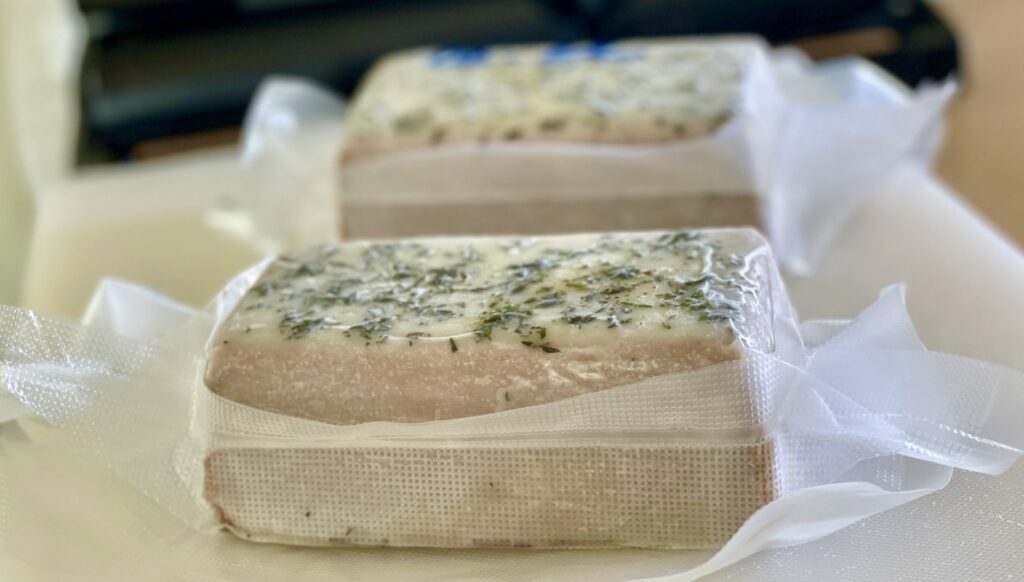

Cooking Sous-Vide
- Silicone molds, glass jars, or ramekins can be used to cook the pâté sous-vide. Fill the molds, and optionally top with toasted pain de mie (only if the chicken liver parfait will be flipped after cooking and chilling). Freeze the pâté overnight before vacuum sealing.Note: When using a silicone mold, turn off the vacuum sealer just before the mold begins to flex excessively to avoid deforming it.Fill a suitable container with water and set the immersion circulator to 154.4°F (68°C). Submerge the sealed bag in the water and cook for 1 hour and 45 minutes. Once cooked, remove the bag from the water and immediately transfer it to an ice bath to cool rapidly. Freeze for 12 hours before removing the parfait from the mold.
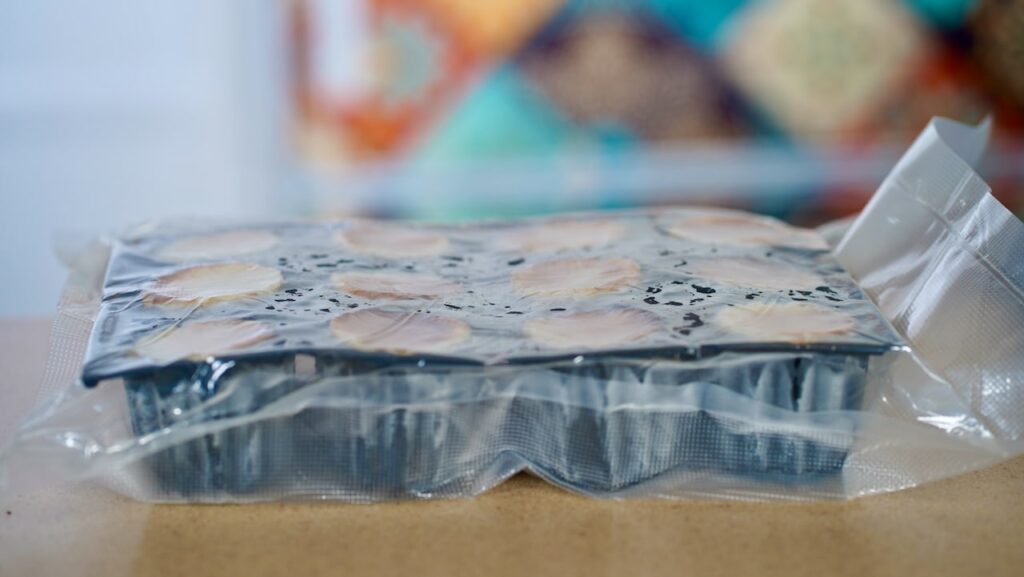

Glazing
- Warm the duck fat to 77°F (25°C). Using a wooden skewer, dip the frozen pâté into the fat to coat it completely. Repeat for each piece. Allow the glaze to set before storing.
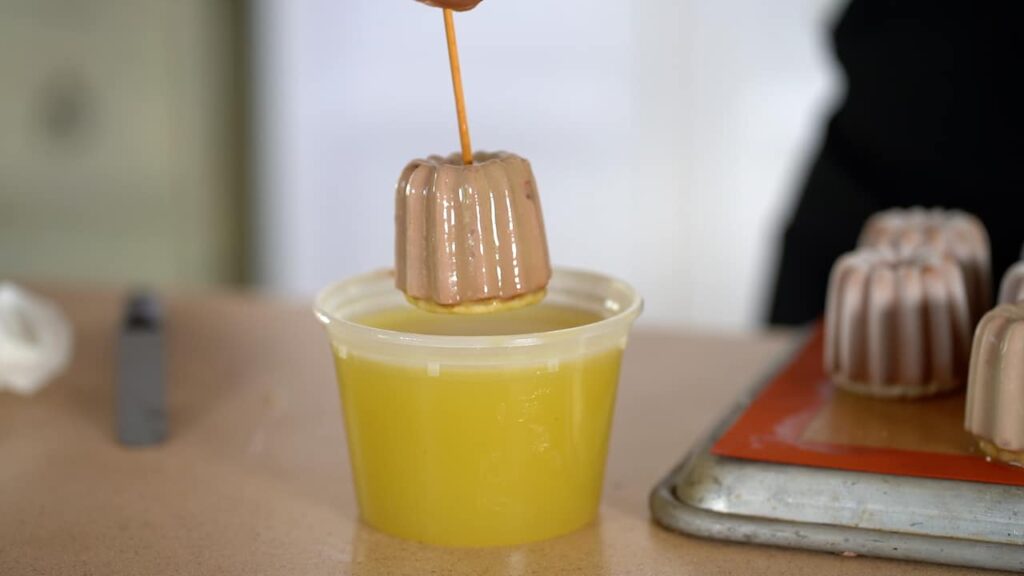

Storage
- Freeze pâté overnight and then vacuum-seal them.

- The night before serving, transfer the frozen pâté from the freezer to the refrigerator to thaw overnight. Serve with toasted bread and cornichons. Enjoy!


Ready to discover this recipe? You're only 1 step away.
This recipe is only accessible to registered members!
Create your account to access all recipes and content of my website.
Join us now and enjoy more 800 recipes (Mostly French with European Influences, American Classics and Asian fusion)
Already register? Sign in


Appetizers
Beetroot Red Cabbage Mango Salad

Free Recipes
How To Prepare Red Cabbage Raw


Free Recipes
Apple Pie Traybake

Cakes
Olive Oil Chocolate Cake

Desserts
Spicy Chocolate Bar

Entrees
Deboning A Poularde Leg
Free Recipes
Chanterelle

Bread
Panettone Perdu

Free Recipes
Mustard Fig Spread

Free Recipes
Poularde Demi-Glace
