Please note that the full access to this content needs a "Year at the table" subscription: please sign up.
This recipe is a protected and only available for paid members. To obtain the full step by step recipe and detailed ingredients list, please sign up.
Preview the recipe
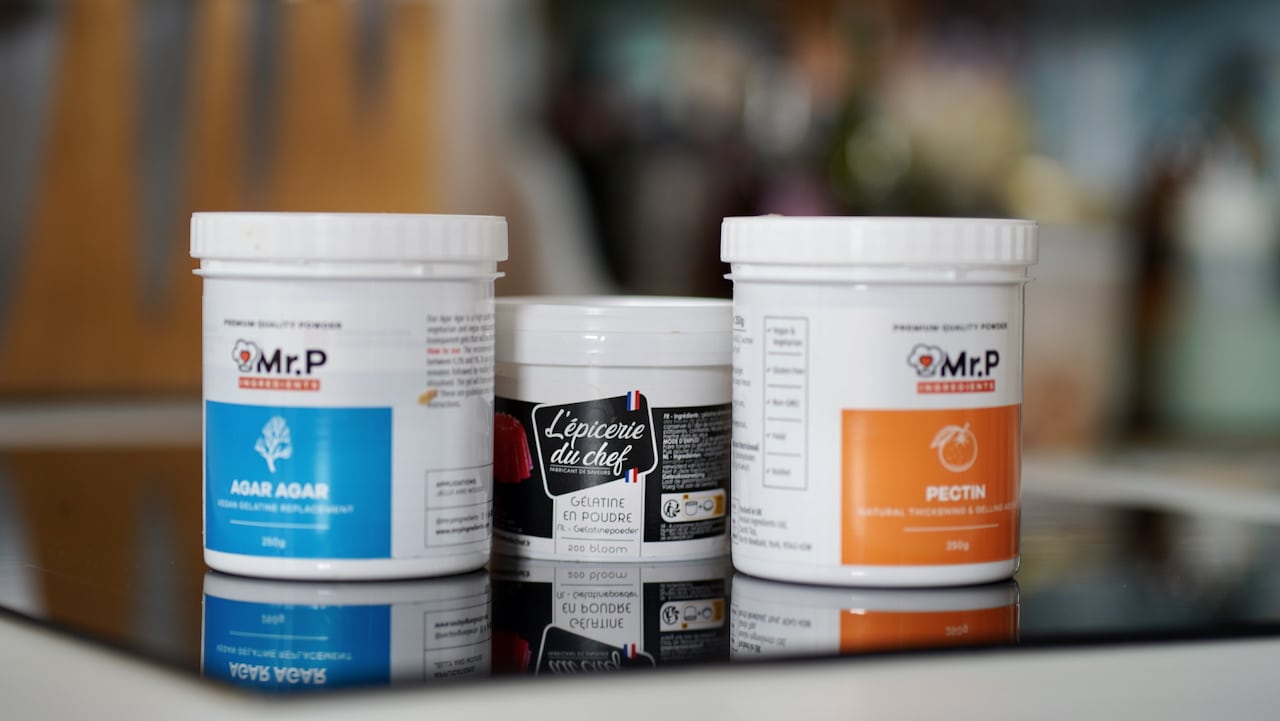
- In the confectionery world, and especially in recipes found in most French pastry books, when looking for jellified preparations such as pâte de fruit, confiture, and cake fruit-base inserts, apple pectin and pectin NH are among the listed ingredients. But which one should we be using?
Key Takeaway for Confectionery
- Choose Apple (yellow pectin) if you want a traditional, firm, and stable set that won't budge (like a classic pâte de fruit).

- Choose Pectin NH if you need a soft, glossy, and remeltable gel, especially for glazing tarts or creating fillings with a delicate, fresh-fruit texture.
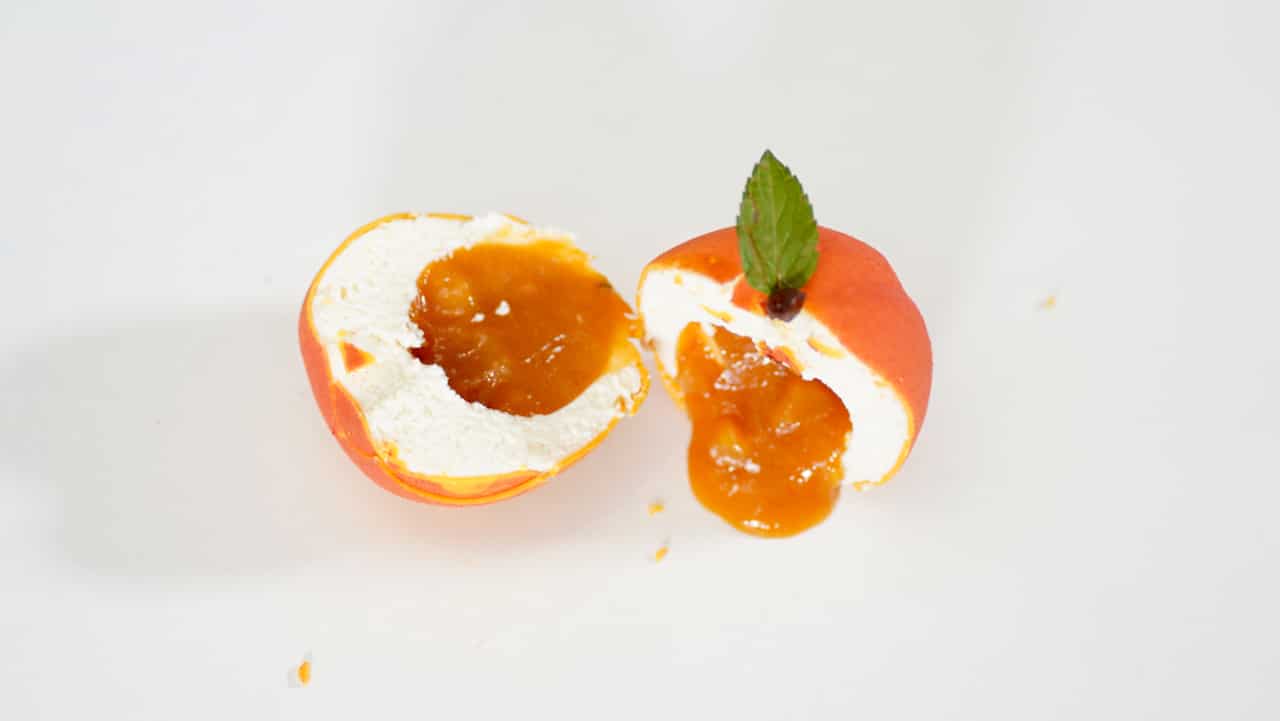


Apple Pectin vs Pectin NH
- The main difference is that apple pectin is a traditional, high-methoxyl pectin that requires high sugar and acid to set, while pectin NH is a modified, low-methoxyl pectin that sets with less sugar and is thermally reversible (it can be melted and reset). Yellow pectin needs a high sugar content (often around 60%) and a highly acidic environment (low pH) to form a gel. It creates a firm, non-thermoreversible gel. Once it sets, it will not melt back down, even when reheated. Ideal for traditional marmalades, firm jams, and pâte de fruit.

- Sets with much less sugar and works across a wider pH range (acidic to slightly acidic). It doesn't require a long boil, helping preserve fresh fruit flavors and colors. It forms a soft, elastic, and shiny gel. Crucially, it is thermoreversible—meaning you can melt it down and it will set again. This makes it excellent for glazes that need to be re-liquefied.
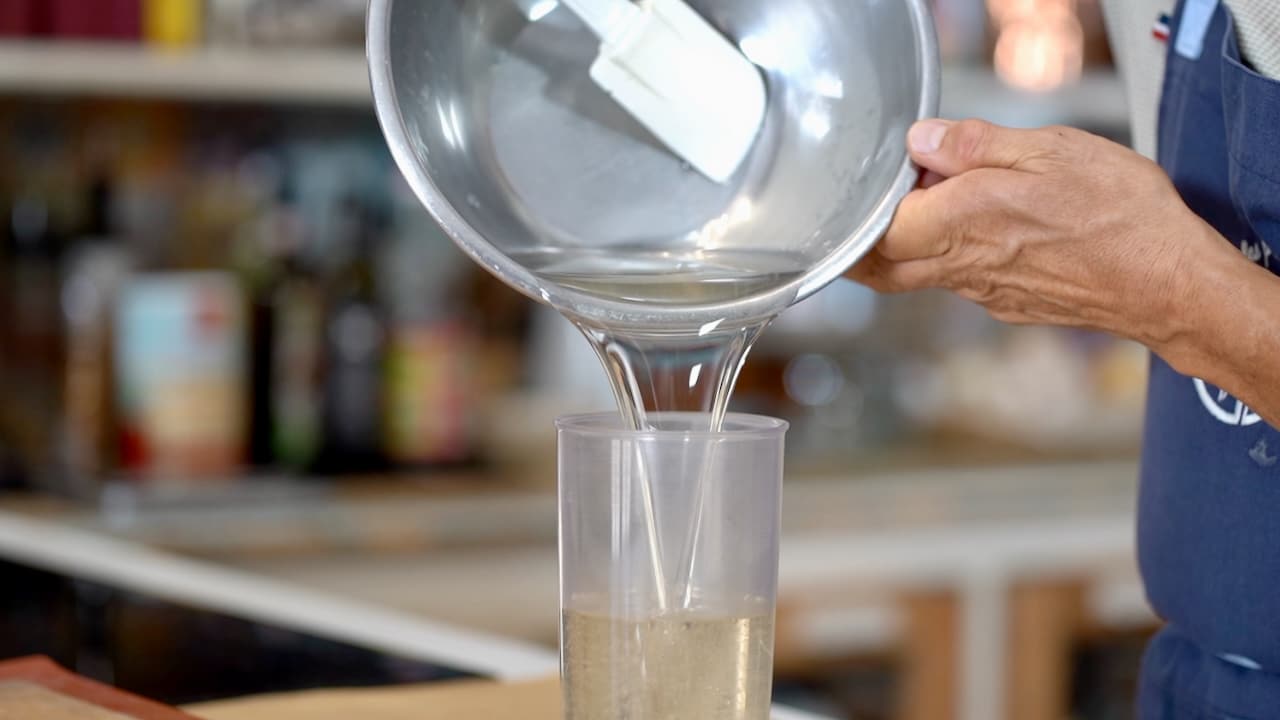


How it is Made
- Apple pectin is made with by-products of the fruit juice industry (dried pomace) or kitchen waste—such as cores and peelings (often from green apples, which are richer in pectin)—are primarily used.


This content is part of the PREMIUM SECTION

This recipe requires a All-content access subscription. The Premium section includes more than 50 essential recipes from French pastry and a special section for mastering artisanal bread.
The Premium section is only accessible with "A year at the table" subscription. Discover it with special first year discount.